







Email: sales3@zhefanjewelry.com
The Impact of Advanced Technology in Modern OEM Jewelry Manufacturer Facilities
Advanced technology is transforming modern jewelry production through 3D CAD, rapid prototyping, automated inspection, digital production tracking, environmentally controlled finishing, and data-driven quality management. For buyers sourcing brass jewelry, 925 silver jewelry, gold vermeil jewelry, or pearl jewelry, these capabilities can improve design accuracy, repeatability, traceability, delivery reliability, compliance, and total project value. The most effective supplier is not simply the one with the newest equipment, but the one that connects technology with skilled craftsmanship, documented quality controls, responsible materials, and scalable OEM/ODM execution.
- How Digital Manufacturing Is Changing Jewelry Production
- Computer-aided design improves development accuracy
- Rapid prototyping reduces sampling risk
- Digital workflow management connects departments
- Technology’s Role in Quality, Compliance, and Repeatability
- Measurement and inspection support consistent output
- Traceability strengthens procurement confidence
- Responsible materials and management standards matter
- Comparing Traditional and Technology-Enabled Production
- Where digital capability creates measurable value
- Automation should support, not replace, craftsmanship
- Data security and responsible artificial intelligence use
- Why Zhefan Jewelry Connects Technology With Craftsmanship
- Scalable facilities for fashion jewelry programs
- Material expertise across core jewelry categories
- Multi-stage finishing and inspection for brand consistency
- How buyers can evaluate a technology-enabled supplier
- Frequently Asked Questions
- How does advanced technology reduce jewelry development time?
- Can automation replace skilled jewelry artisans?
- What quality records should a buyer request from a jewelry supplier?
- Why are RoHS and REACH relevant to fashion jewelry sourcing?
- What should be checked during a factory audit?
- What makes Zhefan Jewelry suitable for OEM and ODM projects?
Advanced technology is reshaping how a modern oem jewelry manufacturer develops, produces, inspects, and delivers fashion jewelry. In practical terms, digital design systems, 3D modeling, rapid prototyping, production software, precision finishing equipment, and structured quality data allow buyers to move from concept to repeatable commercial production with greater control. For brand owners and distributors, the value is not technology for its own sake; it is shorter development time, more consistent dimensions, lower sampling risk, improved material traceability, and stronger confidence that a collection can scale without losing its intended appearance.
The strongest facilities combine automation with experienced artisans. Jewelry remains a detail-sensitive product in which surface reflection, stone alignment, plating consistency, edge definition, clasp performance, and comfort all affect customer perception. Technology improves measurement and repeatability, while skilled operators interpret design intent and correct the subtle issues that a purely automated line may miss. Buyers evaluating a supplier should therefore assess the complete manufacturing system: engineering capability, mold development, process control, inspection records, material compliance, capacity planning, and communication discipline.
How Digital Manufacturing Is Changing Jewelry Production
Computer-aided design improves development accuracy
Computer-aided design enables engineers to define dimensions, wall thickness, stone seats, connection points, engraving areas, and assembly tolerances before physical production begins. A digital model also provides a shared reference for the buyer, designer, mold team, and production department. This reduces ambiguity when a product contains curved surfaces, asymmetrical details, interlocking components, or a brand-specific logo.
For a purchasing team, the commercial benefit is clearer approval management. Instead of relying only on sketches or verbal descriptions, stakeholders can review renderings and confirm critical specifications before tooling. Digital files can also support controlled revisions, making it easier to identify which version was approved and preventing outdated artwork from entering production. However, a CAD file is not automatically manufacturable. Experienced engineering review remains necessary to evaluate casting flow, minimum thickness, polishing access, plating coverage, and the practical limits of the selected alloy.
Rapid prototyping reduces sampling risk
Rapid prototyping allows a supplier to convert a digital design into a physical reference model quickly. Depending on the product and process, prototypes may be created through resin printing, wax printing, CNC machining, or other additive and subtractive methods. The prototype gives buyers an opportunity to assess scale, wearability, balance, proportions, and visual impact before committing to a larger production run.
This stage is especially important for earrings, pendants, rings, layered chains, and statement pieces where a small dimensional change can alter comfort or perceived value. A disciplined approval process should record prototype comments, revision dates, color references, plating specifications, and packaging requirements. That documentation becomes a practical control point between product development and mass production.
Digital workflow management connects departments
Modern facilities increasingly use digital production records to connect sales, design, engineering, purchasing, molding, finishing, inspection, and shipping. A centralized workflow can show the status of a sample, identify pending approvals, track material requirements, and flag schedule risks. This is valuable for international buyers working across time zones, because accurate status information reduces reliance on informal messages and improves forecast planning.
Digital systems are most effective when paired with defined ownership. A platform cannot solve unclear specifications, late approvals, or weak exception management by itself. Buyers should ask whether the supplier maintains revision control, production milestones, inspection records, and corrective-action documentation for each purchase order.
Technology’s Role in Quality, Compliance, and Repeatability
Measurement and inspection support consistent output
Quality technology may include digital calipers, microscopes, weighing equipment, coating-thickness measurement, color comparison tools, magnification systems, and standardized visual inspection stations. These tools help convert subjective expectations into measurable checkpoints. For example, a quality plan may define acceptable dimensions, clasp function, surface condition, plating appearance, stone security, solder joints, and logo placement.
Inspection should occur throughout production rather than only at final packing. Incoming material checks can identify unsuitable components; in-process checks can detect mold or assembly problems early; final inspections can confirm appearance, quantity, labeling, and packaging. This layered approach reduces the cost of discovering defects after goods have reached a distribution center. Buyers should request an explanation of sampling levels, defect classifications, rework procedures, and how nonconforming goods are quarantined.
Traceability strengthens procurement confidence
Traceability links a finished product to its design version, raw materials, production batch, operators or workstations, inspection outcome, and shipment details. It becomes particularly valuable when a brand manages many similar styles or sells across different markets with distinct labeling and compliance expectations.
Traceability does not require every factory to use an advanced enterprise system. A well-managed combination of purchase-order records, batch codes, inspection forms, material certificates, and approval archives can provide meaningful control. The key question is whether the supplier can quickly investigate a quality issue, isolate affected goods, and explain the corrective action with evidence.
Responsible materials and management standards matter
Technology also supports environmental and compliance objectives by improving material documentation, process monitoring, waste control, and chemical management. Buyers sourcing plated fashion jewelry should clarify the base metal, plating composition, finishing chemicals, restricted substances requirements, and available test documentation. RoHS and REACH are important reference frameworks for restricted substances and chemical safety in relevant markets; the European Commission provides official information on RoHS requirements and REACH regulation.
A supplier’s management approach should also be evaluated beyond equipment lists. ISO 9001 describes requirements for a quality management system, while ISO 14001 addresses environmental management systems. Certification is not the only indicator of capability, but documented procedures, measurable objectives, internal reviews, and corrective actions are useful signals of operational maturity.
Comparing Traditional and Technology-Enabled Production
Where digital capability creates measurable value
Traditional craftsmanship remains important, but technology changes the speed and reliability with which craftsmanship can be repeated. The table below summarizes common operational differences. Actual results vary by product complexity, order quantity, material, finishing requirements, and supplier management discipline.
| Production area | Traditional approach | Technology-enabled approach | Buyer benefit |
|---|---|---|---|
| Design communication | Sketches, samples, and manual notes | 3D CAD files, renderings, and controlled revisions | Fewer interpretation errors and clearer approvals |
| Prototype development | Manual model-making with longer revision cycles | Rapid digital prototyping followed by physical validation | Earlier discovery of proportion and wearability issues |
| Quality inspection | Primarily visual and dependent on individual judgment | Visual inspection supported by calibrated measurement tools and records | More repeatable acceptance decisions |
| Production visibility | Phone, email, or spreadsheet updates | Milestone tracking and digital order documentation | Better schedule control and escalation |
| Corrective action | Informal troubleshooting after defects appear | Recorded root-cause analysis and preventive action | Lower recurrence risk across future batches |
Automation should support, not replace, craftsmanship
Automated or semi-automated equipment can improve consistency in repetitive operations, but jewelry contains many variables that require human judgment. Polishing pressure, access to recessed areas, solder flow, stone seating, chain assembly, and the visual balance of a finished piece may not be fully assessed by software. The best operating model uses machines for precision and repeatability while trained personnel handle interpretation, adjustment, and final aesthetic judgment.
Buyers should be cautious of suppliers that present machinery as a substitute for process discipline. An impressive equipment list has limited value if the facility cannot demonstrate maintenance routines, operator training, calibration records, production controls, and sample-to-bulk consistency. A factory audit should examine how technology is integrated into daily work rather than merely documenting what machines are present.
Data security and responsible artificial intelligence use
Some facilities use artificial intelligence for trend analysis, demand forecasting, image classification, scheduling, or design support. These applications may improve productivity, but buyers should establish ownership and confidentiality rules for artwork, product images, technical drawings, and customer data. The NIST AI Risk Management Framework offers a useful reference for identifying and managing risks associated with artificial intelligence systems.
Artificial intelligence should be treated as an assistive tool rather than an authority on manufacturability, compliance, or quality acceptance. Human review remains necessary for original design rights, technical feasibility, restricted materials, customer approvals, and decisions that could affect product safety or brand reputation.
Why Zhefan Jewelry Connects Technology With Craftsmanship
Scalable facilities for fashion jewelry programs
Guangzhou Zhefan Jewelry is a premier fashion jewelry manufacturer established in 2002, with a legacy dating back to 1997. Founded by a master mold craftsman, our company’s operating philosophy is built on long-term refinement of mold development, finishing, product engineering, and customer service. We operate two factories in Guangzhou and Meizhou with a combined area of 800 square meters. Our team includes more than 80 skilled artisans and 20 sales professionals, supporting a monthly output of approximately 600,000 pieces.
This scale helps brand owners plan repeat orders and seasonal launches with greater confidence, while our production structure remains suitable for customized collections. Our professional design team launches more than 500 original styles each month, giving distributors and retail partners a broad pipeline of trend-responsive concepts. Buyers can use this design capacity as a starting point for selecting existing styles, adapting components, or developing a fully customized program.
Material expertise across core jewelry categories
Our manufacturing strengths include brass jewelry, 925 silver jewelry, sterling silver jewelry, gold vermeil jewelry, and pearl jewelry. Each material category requires different controls. Brass pieces demand careful surface preparation and plating management; sterling silver requires attention to alloy quality, oxidation behavior, and polishing; gold vermeil requires coordination between a silver base and gold finish; pearl jewelry requires careful handling to protect the surface and drilling or setting points.
We use RoHS/REACH-compliant eco-friendly materials for applicable product programs and coordinate material requirements with buyers during development. Product specifications, finish expectations, packaging needs, and market requirements are reviewed before manufacturing so that the commercial objective remains aligned with the technical process.
Multi-stage finishing and inspection for brand consistency
Our process includes six rounds of precision polishing and six strict quality inspections. This multi-stage approach is designed to improve surface smoothness, edge definition, plating readiness, assembly condition, and final appearance. Inspection checkpoints help identify defects before shipment rather than leaving the buyer to discover them after goods arrive.
Our client portfolio includes Amazon’s top three sellers and global retailers such as Macy’s. These relationships reflect the importance of dependable quality, responsive communication, scalable output, and delivery performance in demanding retail environments. Zhefan Jewelry provides OEM and ODM support for businesses that need more than a transactional supplier: the objective is to help brands build distinctive collections and expand market influence through reliable product execution.
How buyers can evaluate a technology-enabled supplier
A practical supplier assessment should cover five areas: design-to-sample workflow, engineering review, inspection documentation, material and chemical compliance, and production capacity. Buyers should request representative samples, review how revisions are recorded, ask how defects are classified, and confirm how corrective actions are communicated. It is also sensible to compare pilot-order performance against agreed standards before placing a large seasonal commitment.
Our team supports this evaluation process through dedicated sales communication, design assistance, sampling coordination, production planning, and quality follow-up. The combination of skilled artisans, modern workflow practices, substantial monthly capacity, and structured finishing controls allows us to serve both emerging labels and established retail programs. For project owners, this can reduce supplier fragmentation and make the path from concept to commercial launch easier to manage.
Frequently Asked Questions
How does advanced technology reduce jewelry development time?
CAD modeling, controlled digital revisions, and rapid prototyping allow design teams to identify proportion, fit, and manufacturability problems before tooling and mass production. This reduces avoidable sample cycles and improves approval clarity.
Can automation replace skilled jewelry artisans?
Automation improves repeatability in measurement and repetitive operations, but skilled artisans remain essential for polishing judgment, assembly, soldering, stone setting, finishing corrections, and aesthetic evaluation. The strongest facilities combine both capabilities.
What quality records should a buyer request from a jewelry supplier?
Buyers should request inspection standards, measurement records where relevant, material documentation, plating or finish specifications, defect classifications, corrective-action records, and evidence that approved samples are matched during bulk production.
Why are RoHS and REACH relevant to fashion jewelry sourcing?
RoHS and REACH provide important reference frameworks for restricted substances and chemical safety in applicable markets. Buyers should confirm which requirements apply to the destination market and request suitable material or test documentation from the supplier.
What should be checked during a factory audit?
A factory audit should examine design control, mold development, equipment maintenance, operator training, material storage, in-process inspection, final inspection, traceability, corrective actions, production capacity, and the supplier’s ability to protect confidential product information.
What makes Zhefan Jewelry suitable for OEM and ODM projects?
Zhefan Jewelry combines two factories, more than 80 skilled artisans, 20 sales professionals, approximately 600,000 pieces of monthly capacity, over 500 new original styles monthly, six polishing rounds, six quality inspections, and experience serving major online sellers and global retailers.
Contact Zhefan Jewelry at sales3@zhefanjewelry.com or visit ../../../ to discuss a custom jewelry project and explore brass, 925 silver, sterling silver, gold vermeil, and pearl jewelry solutions.
Tags
custom gold plated brass necklace
custom gold plated brass necklace
cz and silver tennis bracelet gift
cz and silver tennis bracelet gift
custom design earrings
custom design earrings
925 silver bracelet b2b supplier
925 silver bracelet b2b supplier
limited edition cz brass jewelry wholesaler
limited edition cz brass jewelry wholesaler
sterling silver bangle manufacturer
sterling silver bangle manufacturer
Recommended for you
Seasonal planning: order schedules for brass earring retailers
The Ultimate 2026 Silver Vermeil Jewelry Wholesale Guide: Sourcing, Pricing, and Profit Secrets
Sustainable and Recycled 925 Sterling Silver: Sourcing Guide
Turnkey Manufacturing Solutions for custom brass jewelry Brands
Product Categories
You may also like
Brass Jewelry
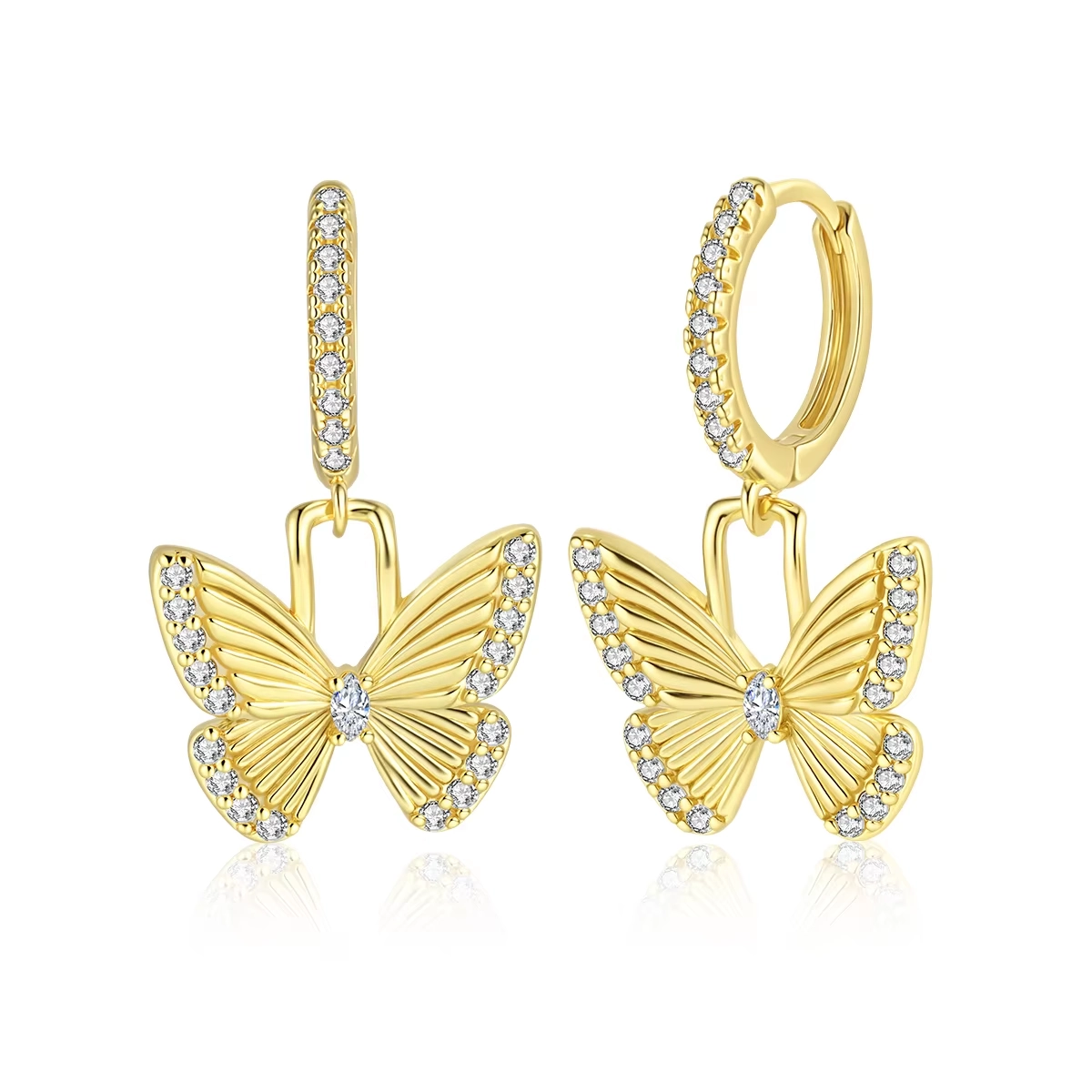
Custom Butterfly Hoop Earrings with Cubic Zirconia | 18K Gold Plated Jewelry
Read More
Brass Jewelry
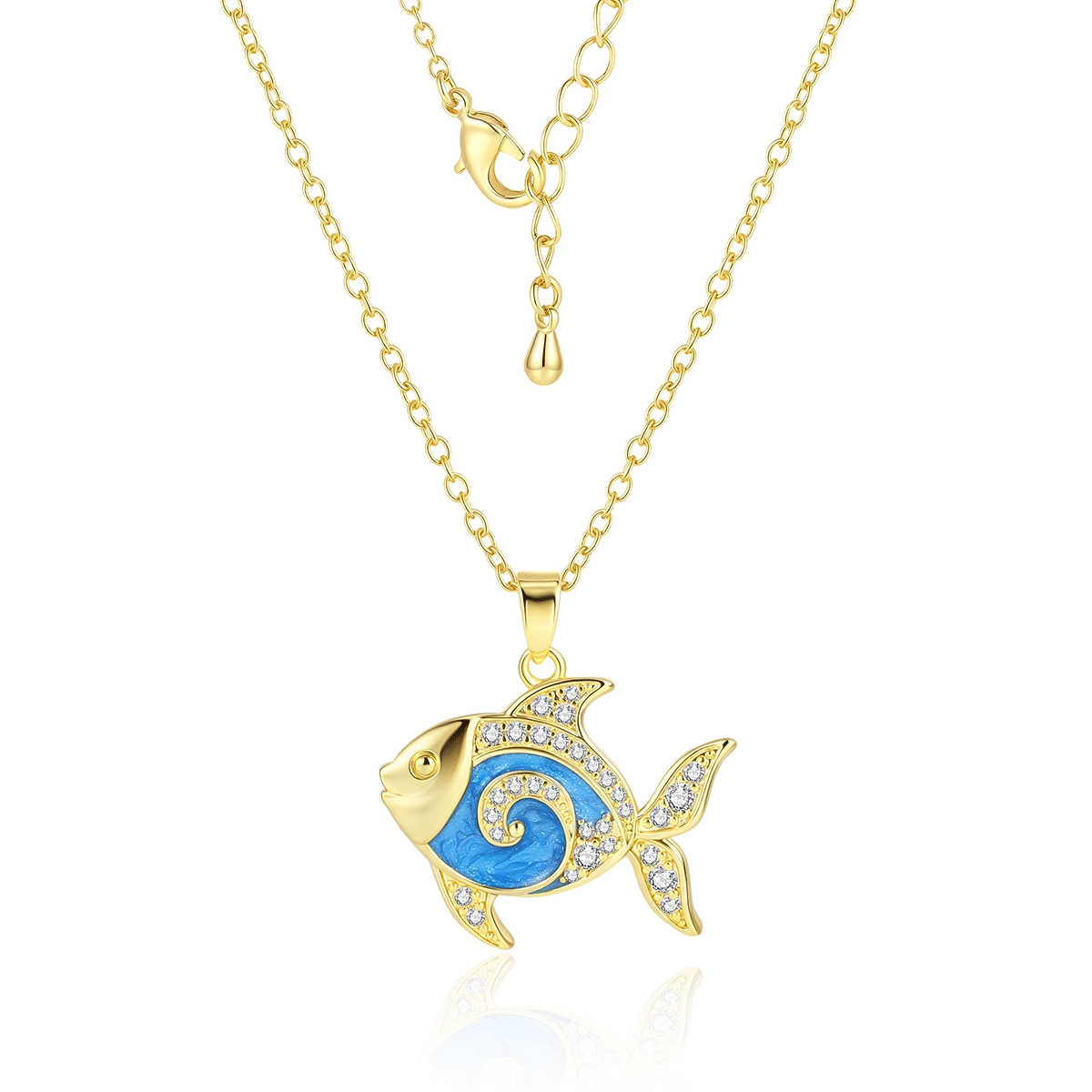
OEM Fish Shaped Necklace with Blue Enamel craft & Cubic Zirconia | 18K Gold Plated Custom Jewelry
Read More

925 Silver Jewelry
Customizable High-Quality Fashion 925 Sterling Silver AAA Cubic Zirconia Heart-Shaped Open Tennis Bracelet.
Read More
Get a Quote for Private Label Jewelry
We provide personalized jewelry customization services for clients worldwide.
Rest assured that your privacy is important to us, and all information provided will be handled with the utmost confidentiality.
By clicking 'Send Inquiry Now' I agree to ZHEFAN JEWELRY processing my personal data.
To see how to withdraw your consent, how to control your personal data and how we process it, please see our Privacy Policy and Terms of use.
From design to production, ZHEFAN JEWELRY offers a one-stop solution to help you enhance your brand value and market competitiveness.
Get A Quote
Contact
Tel: (+86) 188 1927 7817
© 2026 Zhefan Jewelry. All Rights Reserved.
Facebook
Instagram
YouTube
Whatsapp: +8618819277817