







Email: sales3@zhefanjewelry.com
Use of CAD/CAM and 3D Printing in Tennis Jewellery
CAD/CAM and 3D printing are transforming tennis jewellery development by improving stone alignment, repeatability, prototyping speed, customization, and production control. For buyers sourcing tennis bracelets, necklaces, rings, and matching sets, digital modelling enables accurate prong placement, flexible styling, rapid sampling, and clearer pre-production approval. The strongest results come from combining digital engineering with skilled bench work, reliable casting, precision finishing, material compliance, and documented quality inspection. Zhefan Jewelry applies this integrated approach to 925 silver, brass, gold vermeil, and pearl jewellery programs for brands, retailers, and distributors seeking scalable OEM/ODM production.
- Digital Engineering for Continuous-Set Jewellery
- How CAD improves proportion and stone alignment
- Parametric revisions and collection development
- Data exchange and production communication
- 3D Printing, Casting, and Sample Validation
- Why additive prototypes accelerate approval
- From printed pattern to repeatable metal component
- What the buyer should verify during sampling
- Commercial Controls for Brands and Retail Programmes
- Cost, lead time, and minimum order considerations
- Quality assurance for tennis bracelets and related pieces
- Intellectual property and file security
- Zhefan Jewelry’s Integrated Manufacturing Advantage
- Scale combined with design agility
- Materials and product categories for custom programmes
- Quality, compliance, and OEM/ODM support
- Frequently Asked Questions
CAD/CAM and 3D printing have become important production technologies for tennis jewellery because these products demand continuous visual rhythm, consistent stone spacing, secure settings, and a polished surface across many linked components. In practical terms, computer-aided design converts a concept into a measurable three-dimensional model, while computer-aided manufacturing and additive prototyping help a supplier validate geometry before committing to production tooling. For buyers, this creates a more controlled path from mood board to approved sample, especially when a collection includes different lengths, stone sizes, metal finishes, and coordinated bracelet, necklace, ring, or earring designs.
A digital workflow does not eliminate craftsmanship. Instead, it gives designers, mould engineers, casters, setters, and quality teams a shared technical reference. The commercial value is lower sampling risk, improved repeatability, faster design revisions, and better communication between an international brand and its production partner. A capable Custom Jewelry Manufacturer should therefore be assessed not only by its software or printer, but also by its ability to translate a digital file into durable jewellery with secure settings, clean joints, accurate plating, and commercially consistent finishing.
Digital Engineering for Continuous-Set Jewellery
How CAD improves proportion and stone alignment
Tennis jewellery is visually unforgiving. A small variation in the height of one setting or the distance between two stones can interrupt the continuous line that defines the product. CAD software allows the design team to establish a centreline, stone pitch, setting height, link articulation, profile thickness, and clasp position before a physical model is made. The model can also show how the bracelet curves around the wrist or how a necklace transitions around the neckline.
For procurement teams, this means that approval can be based on measurable geometry rather than on a photograph or an informal sketch. The supplier can provide renderings from several angles, section views, stone-setting details, and dimensional drawings. Buyers should request confirmation of finished dimensions, tolerances, stone diameter, metal weight, plating specification, and clasp construction because these details affect both the retail appearance and the landed cost.
Parametric revisions and collection development
Parametric modelling is particularly useful when a brand wants one design language across multiple SKUs. A base model may be adapted for 3 mm, 4 mm, or 5 mm stones, a shorter or longer bracelet, a different metal, or a necklace with a revised fastening system. Instead of rebuilding every element manually, the engineering team can update controlled dimensions and inspect the consequences across the design.
This approach supports private-label and seasonal collections where speed matters, but it must be governed carefully. A change in stone diameter can reduce wall thickness, affect prong strength, alter the clasp balance, or create a plating problem in narrow recesses. Each revision should receive a new version number, approval date, material note, and sample status. A disciplined file-management process prevents an obsolete model from entering mould production.
Data exchange and production communication
Digital jewellery files frequently move between design software, wax or resin printing systems, casting preparation, CNC equipment, and inspection tools. Buyers should ask which file formats a supplier accepts, how revisions are documented, and whether the production model is identical to the approved commercial model. The ISO 10303 STEP standard illustrates the broader importance of structured product-data exchange across engineering systems, although jewellery suppliers may use several file formats depending on their software and equipment.
A strong handoff package normally includes a native design file, an export file, two-dimensional dimensions, stone specifications, metal and plating requirements, logo artwork, packaging instructions, and inspection checkpoints. This reduces ambiguity when a project crosses borders and time zones. It also gives the buyer a defensible record if a production deviation needs to be investigated.
3D Printing, Casting, and Sample Validation
Why additive prototypes accelerate approval
3D printing creates a physical pattern directly from a digital model. In tennis jewellery development, printed resin or wax-like patterns can be used to review scale, articulation, setting visibility, clasp ergonomics, and overall wearability before final mould preparation. A buyer can hold the prototype, compare it with a reference sample, and identify issues that may not be obvious in a computer rendering.
The technology is especially valuable for complex links, curved settings, integrated logos, asymmetric silhouettes, and small-batch experiments. It can shorten the path between design revision and physical evaluation because the supplier does not need to produce a fully finished precious-metal sample for every iteration. However, a printed pattern is not the same as a finished jewellery item. Surface texture, shrinkage, casting quality, polishing allowance, stone setting, plating build, and final weight must still be evaluated on a representative production sample.
From printed pattern to repeatable metal component
The typical workflow may involve digital modelling, support generation, pattern printing, cleaning, curing, tree assembly, investment, burnout, metal casting, cutting, filing, polishing, setting, plating, and final inspection. Each stage can influence the result. Excessively thin sections may distort during casting; deep recesses may retain investment material; narrow channels may be difficult to polish; and overly tight stone seats can increase breakage or setting time.
Manufacturing partners should therefore perform a design-for-manufacture review before printing. That review should consider minimum wall thickness, sprue placement, draft and separation requirements, joint clearance, stone tolerance, polishing access, and the intended metal. Brass, sterling silver, and gold vermeil do not behave identically during casting, finishing, or plating. A design that works in one alloy may require structural or process changes in another.
What the buyer should verify during sampling
Sample approval should cover more than visual appeal. The project owner should check link flexibility, clasp security, stone uniformity, exposed edges, solder or casting seams, logo legibility, surface brightness, plating colour, and comfort against skin. For a bracelet, the team should test repeated opening and closing of the clasp and moderate articulation across the full length. For a necklace, attention should be given to drape, reverse-side finishing, connector strength, and whether the centre section remains aligned when worn.
Material and chemical compliance also belong in the sampling stage. Suppliers serving international markets should provide applicable declarations or test documentation for restricted substances and plating chemistry. The National Institute of Standards and Technology additive manufacturing resources explain why process control, measurement, and repeatability are essential considerations in digitally enabled production. For jewellery sold in regulated markets, buyers should define the required testing jurisdiction rather than relying on a generic claim of compliance.
| Development or production factor | Conventional manual approach | CAD/CAM and 3D-printing approach | Buyer implication |
|---|---|---|---|
| Design revision | Physical rework or a new hand model may be required | Dimensions can be revised in the digital model before another pattern is produced | Faster comparison of options and clearer approval records |
| Stone alignment | Depends heavily on manual marking and bench consistency | Centre points, spacing, and setting geometry are defined digitally before production | More consistent visual rhythm across repeated units |
| Complex articulation | May require multiple hand-built trial components | Links and clearances can be assembled and checked in a 3D environment | Lower risk of stiffness, collision, or incorrect movement at sampling |
| Prototype creation | Can require a metal sample or labour-intensive wax model | Printed patterns provide a rapid physical review route | Problems can be found before full finishing and production investment |
| Production repeatability | Results may vary with manual interpretation | Approved digital geometry can guide repeat orders and tooling | Better control of replenishment and multi-SKU consistency |
| Surface and final quality | Still depends on polishing, casting, setting, and inspection | Digital precision supports the process but does not replace finishing expertise | Supplier capability must be judged across the entire manufacturing chain |
The table shows an important procurement principle: additive technology improves the front end of development, but it is not a guarantee of finished-product quality. The ASTM additive manufacturing standards activity reflects the industry’s focus on terminology, process consistency, and qualification. Buyers should translate that principle into supplier-specific controls, including sample sign-off, first-article inspection, setting checks, plating verification, and documented corrective action.
Commercial Controls for Brands and Retail Programmes
Cost, lead time, and minimum order considerations
Digital production can reduce non-recurring development effort, but the total quotation still depends on model complexity, pattern count, mould strategy, alloy, stone type, setting labour, plating, packaging, testing, and order volume. A buyer should request a cost breakdown that distinguishes design and sampling charges from unit pricing. It is also useful to clarify whether a CAD file, printed prototype, mould, and production tooling remain available for future replenishment.
Lead time should be divided into design approval, prototype production, revision cycles, tooling or mould preparation, first production, finishing, inspection, and shipment. Promises based only on printing speed can be misleading because casting queues, stone procurement, plating capacity, and quality rework may become the actual constraints. A reliable supplier provides milestone dates and identifies the information required from the buyer at each gate.
Quality assurance for tennis bracelets and related pieces
Inspection plans should connect product risks to measurable checks. Typical controls include incoming metal and stone verification, dimensional sampling, visual inspection after casting, polishing review, prong and seat inspection, clasp function testing, plating colour comparison, logo verification, and final quantity reconciliation. For high-volume programmes, statistical sampling may be appropriate, but critical safety or functional features may require 100% inspection.
Buyers should also define acceptable limits for scratches, pits, porosity, uneven plating, loose stones, misaligned links, and clasp defects. Terms such as “high quality” are not sufficiently precise for an international purchase order. A technical specification, approved golden sample, inspection level, and photographic record create a stronger basis for supplier accountability.
Intellectual property and file security
Because CAD files contain the commercial architecture of a collection, brands should address confidentiality, ownership, permitted use, file retention, and subcontracting before sharing production assets. The agreement should state whether the supplier may display the design, reproduce it for another customer, or retain moulds after the programme ends. Access controls and version naming are practical safeguards, particularly when several agencies, designers, and factories participate in the same launch.
Digital manufacturing also makes it easier to create variations, which increases the need for approval discipline. The final purchase order should reference the exact model revision, material, dimensions, stone specification, finish, and packaging configuration. This protects both the buyer and the supplier from disputes caused by an outdated rendering or an informal chat instruction.
Zhefan Jewelry’s Integrated Manufacturing Advantage
Scale combined with design agility
For brands seeking a dependable production partner, Zhefan Jewelry combines digital development with established jewellery manufacturing capability. Guangzhou Zhefan Jewelry was established in 2002, with a company legacy dating back to 1997. Founded by a master mould craftsman, our manufacturing culture is built around long-term refinement of mould making, casting, polishing, plating, assembly, and inspection.
Our two factories in Guangzhou and Meizhou cover 800 square metres. More than 80 skilled artisans and 20 sales professionals support a monthly output of approximately 600,000 pieces, allowing our team to handle both development programmes and commercial replenishment. Our professional design team launches more than 500 original styles each month, giving global partners a broad starting point for tennis-inspired collections, coordinated fashion jewellery, and trend-responsive seasonal assortments.
Materials and product categories for custom programmes
Our manufacturing scope includes 925 silver jewellery, sterling silver jewellery, brass jewellery, gold vermeil jewellery, and pearl jewellery. These materials support different retail positions, from accessible fashion lines to elevated vermeil and sterling silver collections. During development, our team reviews the relationship between the digital model, alloy, stone or pearl selection, plating system, wear expectations, and target price so the approved design remains commercially practical.
For tennis jewellery, this can include continuous-set bracelets, necklaces, rings, earrings, anklets, matching gift sets, and customised logo details. CAD-based development helps our team communicate proportions and component relationships, while skilled artisans remain responsible for the tactile stages that determine the finished appearance. This combination is important when a design requires a bright polished surface, smooth articulation, secure stone placement, and consistent presentation across a large order.
Quality, compliance, and OEM/ODM support
Our process includes six rounds of precision polishing and six strict quality inspections. These controls are designed to identify surface defects, dimensional inconsistencies, setting problems, and finishing deviations before shipment. We also use RoHS- and REACH-compliant eco-friendly materials for programmes where restricted-substance requirements and responsible sourcing documentation are part of the buyer’s specification.
Our OEM/ODM services support concept development, sampling, customisation, production, quality coordination, and delivery planning. We have served leading Amazon sellers and global retailers such as Macy’s, experience that has strengthened our understanding of product consistency, packaging expectations, replenishment timing, and brand-sensitive communication. Our objective is not simply to produce a sample; it is to help project owners build a repeatable product system that supports margin, customer satisfaction, and long-term market influence.
Brands evaluating a digital jewellery partner should compare more than software screenshots. The relevant questions are whether the supplier can preserve approved geometry, solve manufacturability issues early, control material and plating quality, manage large-volume output, and respond quickly when a collection needs revision. Zhefan Jewelry brings these capabilities together through engineering coordination, artisan finishing, structured inspection, and dedicated sales support.
For more information about our custom development and product capabilities, visit Zhefan Jewelry or contact our team at sales3@zhefanjewelry.com.
Frequently Asked Questions
How does CAD improve tennis jewellery production?
CAD establishes measurable geometry for stone pitch, setting height, link articulation, clasp position, and finished dimensions before a physical model is produced. This helps improve alignment, revision control, and communication between the brand and supplier.
Is a 3D-printed prototype suitable for final jewellery approval?
A printed pattern is useful for reviewing scale, articulation, setting visibility, clasp ergonomics, and wearability, but it is not identical to finished jewellery. Buyers should also approve a representative metal sample after casting, polishing, stone setting, and plating.
What should buyers check in a tennis jewellery sample?
Buyers should check link flexibility, clasp security, stone uniformity, exposed edges, casting or solder seams, logo clarity, surface brightness, plating colour, comfort, and the strength of connectors or fastening systems.
Can digital models reduce tennis jewellery development costs?
Digital models can reduce non-recurring development effort and make revisions more efficient, but total cost still depends on complexity, pattern count, mould strategy, alloy, stones, setting labour, plating, packaging, testing, and order volume.
What quality documents should a supplier provide?
Depending on the sales market and purchase specification, buyers should request material information, applicable restricted-substance declarations or test documentation, approved sample records, dimensional specifications, inspection results, and corrective-action documentation when deviations occur.
What materials can be used for custom tennis jewellery collections?
Common options include 925 silver, sterling silver, brass, gold vermeil, and pearl-based designs. Each material has different casting, polishing, plating, durability, and cost considerations, so the digital design should be reviewed for the selected material before production.
Tags
custom hoop 925 sterling silver earrings
custom hoop 925 sterling silver earrings
cz brass jewelry dropship supplier
cz brass jewelry dropship supplier
brass tennis bracelet supplier
brass tennis bracelet supplier
solid gold urn pendant manufacturer
solid gold urn pendant manufacturer
engraved 925 silver bracelet supplier
engraved 925 silver bracelet supplier
925 silver tennis bracelet men
925 silver tennis bracelet men
Recommended for you
Cost breakdown for 925 sterling silver nickel free products
How to Protect Your Custom Jewelry Designs During Manufacturing
Rhodium Thickness and Durability for 925 Silver Bracelets
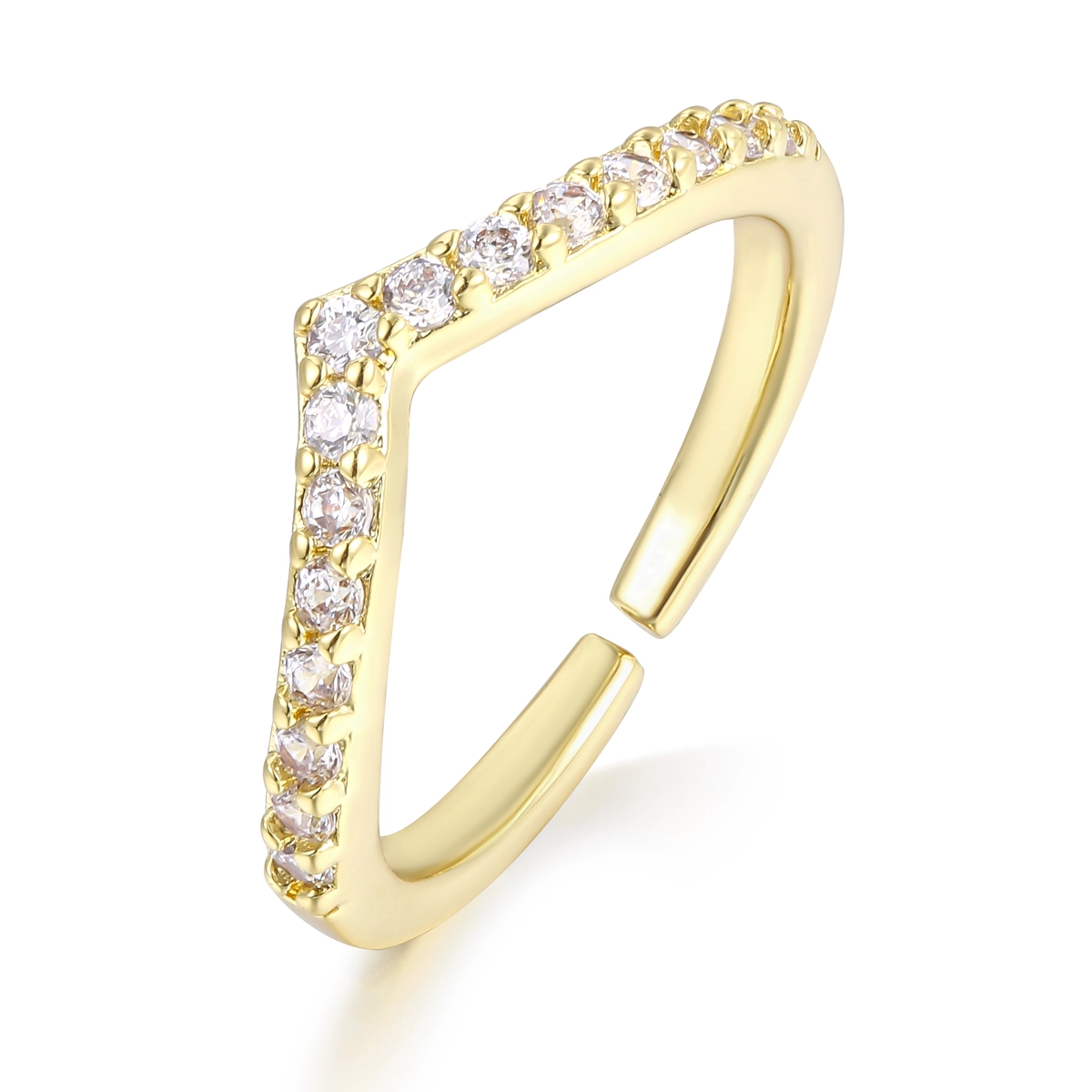
Danity Geometric Stackable Rings — Wholesale 925 Silver Stackable Jewelry from Zhefan
Product Categories
You may also like

925 Silver Jewelry
Customizable High-Quality Fashion 925 Sterling Silver AAA Cubic Zirconia Heart-Shaped Open Tennis Bracelet.
Read More

Brass Jewelry
Customizable OEM ODM High-Quality Fashion Brass AAA Cubic Zirconia Classic Tennis Bracelet for Women Wholesale.
Read More
Get a Quote for Private Label Jewelry
We provide personalized jewelry customization services for clients worldwide.
Rest assured that your privacy is important to us, and all information provided will be handled with the utmost confidentiality.
By clicking 'Send Inquiry Now' I agree to ZHEFAN JEWELRY processing my personal data.
To see how to withdraw your consent, how to control your personal data and how we process it, please see our Privacy Policy and Terms of use.
From design to production, ZHEFAN JEWELRY offers a one-stop solution to help you enhance your brand value and market competitiveness.
Get A Quote
Contact
Tel: (+86) 188 1927 7817
© 2026 Zhefan Jewelry. All Rights Reserved.
Facebook
Instagram
YouTube
Whatsapp: +8618819277817