







Email: sales3@zhefanjewelry.com
Comparing Casting Methods for Custom 925 Silver Rings
I compare investment (lost‑wax), centrifugal and vacuum casting methods for producing custom 925 silver rings, explaining pros, cons, costs, tolerances and finishing so designers and brands can choose the best manufacturing path.
- Why casting method matters for quality and business outcomes
- How casting affects fit, finish and yield
- Design complexity and method suitability
- Production scale and per‑unit economics
- Comparing the main casting methods
- Overview of the methods I use and recommend
- Key technical references
- Quick comparison table
- Method deep dives: how each process works and where it excels
- Investment casting (lost‑wax) — vacuum and standard
- Advantages and limitations
- When to choose this for a custom 925 silver ring
- Centrifugal casting
- Advantages and limitations
- When to pick centrifugal casting for a custom 925 silver ring
- Hand fabrication and hybrid approaches
- Advantages and limitations
- When to recommend hand fabrication or hybrid for custom 925 silver ring
- Practical decision framework: pick the right route for your product goals
- Prototype vs production: different priorities
- Quality assurance and verifiable metrics
- Cost modeling example
- Working with a production partner: what to require and expect
- Specification checklist I use with manufacturers
- Why factory capability matters — case study: Guangzhou Zhefan Jewelry
- Factory audit points
- Wrap‑up: practical recommendations
- My concise guidance
- Data and sources
- Next steps
- Frequently Asked Questions (FAQ)
- 1. Which casting method gives the smoothest finish for a custom 925 silver ring?
- 2. Is centrifugal casting acceptable for detailed ring designs?
- 3. How many prototypes should I expect before a production run?
- 4. What are common rejection causes in ring casting?
- 5. Can sterling silver be die cast?
- 6. How does plating affect choice of casting method?
- Contact and product inquiry
Comparing Casting Methods for Custom 925 Silver Rings
As a jewelry consultant and practitioner, I write from hands‑on experience and factory collaboration about how casting choices shape the outcome for a custom 925 silver ring. This summary highlights how investment (lost‑wax), centrifugal and vacuum casting differ in surface finish, accuracy, throughput and cost — and how to match method to design complexity, batch size and retail positioning. I reference industry standards and technical sources so brand owners can verify the tradeoffs and make procurement decisions with confidence.
Why casting method matters for quality and business outcomes
How casting affects fit, finish and yield
The casting stage defines the raw integrity of a custom 925 silver ring: dimensional accuracy, porosity rate, and how much post‑casting work (polishing, chasing, stone setting) is required. A higher quality casting reduces labor cost per piece and improves consistency — critical when you scale a line. For sterling silver (noted at 92.5% Ag content), metallurgy and mold quality influence shrinkage and flow; see the sterling silver specification on Wikipedia for composition context.
Design complexity and method suitability
Fine filigree, deep undercuts, and thin shanks require casting methods that maintain definition and minimize porosity. I recommend planning the casting method early in design development: what you request for a bespoke custom 925 silver ring affects tooling, investment patterns, and approval samples.
Production scale and per‑unit economics
Different casting routes convert to different lead times and per‑unit costs. For very small runs (one‑offs and prototypes), investment casting with careful hand finishing is often best. For medium batches (tens to thousands), centrifugal or vacuum investment casting gives predictable results and throughput. I'll quantify these tradeoffs below with sourced references.
Comparing the main casting methods
Overview of the methods I use and recommend
In practice I focus on three practical approaches for custom 925 silver ring production: traditional investment (lost‑wax) cast by vacuum, investment cast using centrifugal force, and hand fabrication (non‑casting) when appropriate. Each approach has distinct implications for finish, cost, and quality control.
Key technical references
For technical background: lost‑wax (investment) casting principles are summarized on Wikipedia. Centrifugal casting mechanics are covered on Wikipedia and practical jewelry guidance is available from industry resource Ganoksin: Investment Casting and Centrifugal & Vacuum Casting.
Quick comparison table
Below I summarize common metrics to help you decide. Values are typical ranges based on industry practice and my factory experience; specific results depend on tooling, alloy control and finishing standards.
| Method | Surface finish | Tolerance (dimensional) | Typical batch size | Typical cost per piece (USD)* | Best for |
|---|---|---|---|---|---|
| Investment (Vacuum) | Very fine (minimal porosity) | ±0.05–0.20 mm | Prototypes to mid runs (1–2,000) | $6–$30 | High detail, thin shanks, complex undercuts |
| Centrifugal Investment | Good to very good | ±0.08–0.25 mm | Small to mid runs (10–5,000) | $4–$25 | Solid pieces, quicker cycle time, many production shops use this for rings |
| Hand fabrication (no casting) | Depends on skill; seamless finish after chasing | ±0.03–0.10 mm (when handmade fits) | One‑offs, small bespoke runs | $20–$200+ | Bespoke, artisan pieces, when casting would compromise structural integrity |
*Cost ranges are indicative and depend on alloy price, finishing spec, stone‑setting and scale.
Method deep dives: how each process works and where it excels
Investment casting (lost‑wax) — vacuum and standard
Investment casting starts with a wax model of the custom 925 silver ring; the wax is attached to a sprue, encased in investment (a high‑temperature gypsum/silica mold), and the wax is burned out. Molten sterling silver is then introduced, either by gravity, centrifugal force or vacuum assist to fill fine details. Vacuum-assisted investment casting reduces trapped air and shrinkage porosity and is often the best choice for rings with high detail. See the technical workflow on Wikipedia and practical notes on Ganoksin.
Advantages and limitations
Advantages: excellent reproduction of surface detail, low porosity when controlled, consistent for small to medium batches. Limitations: higher per‑piece time and investment for molds and burnout cycles; shrinkage compensation must be engineered into the wax pattern. I often ask suppliers to provide witness cross sections and micrograph porosity checks when quality is critical.
When to choose this for a custom 925 silver ring
Choose vacuum investment casting when your design has thin walls, intricate filigree, or gem channels that demand consistent internal geometry. For a High Quality designer ring or when you need consistent dimensions across 100s of pieces, this is my default recommendation.
Centrifugal casting
Centrifugal casting accelerates molten metal into the mold using rotation. The rapid force helps metal flow into fine detail and is commonly used in production jewelry shops for rings. Ganoksin details practical setup and limitations at Ganoksin.
Advantages and limitations
Advantages: faster cycle times, lower equipment cost than some vacuum systems, good for many ring styles. Limitations: slight anisotropy in metal flow can create directional porosity if gating is poor; less effective than vacuum for very deep undercuts or enclosed cavities.
When to pick centrifugal casting for a custom 925 silver ring
For robust, mid‑detail designs intended for moderate scale production, centrifugal casting often balances cost and quality. If you require thousands of units per month, centrifugal lines with consistent tooling are economical.
Hand fabrication and hybrid approaches
Hand fabrication (sawing, soldering, forging and chasing) is not a casting method, but it remains essential. For bespoke pieces or where structural integrity and grain direction matter (e.g., hammered or forged shanks), handmaking or a hybrid (cast components plus hand finishing) yields the best result.
Advantages and limitations
Advantages: ultimate control over fit and finish, unique artisan value, can avoid casting defects. Limitations: time‑intensive; not cost‑effective for higher volumes.
When to recommend hand fabrication or hybrid for custom 925 silver ring
When clients want a one‑off, heirloom piece, or specific textural finishes that can't be reliably cast, I recommend hand fabrication or casting a minimal element and completing by hand.
Practical decision framework: pick the right route for your product goals
Prototype vs production: different priorities
For a prototype custom 925 silver ring I focus on fidelity to design: lost‑wax with vacuum or careful centrifugal casting and experienced finishing. For production, I prioritize yield, consistent tolerances, and cost per piece: early negotiation about tooling reuse, sprue layout, and polishing stages reduces surprises.
Quality assurance and verifiable metrics
Ask your manufacturer for measurable QC data: porosity rate (percent of cast cross‑section affected), dimensional reports against master CAD, and photographic evidence of finished pieces. I recommend specifying acceptance criteria in the purchase order — for example, allowable porosity size and number per square millimeter. For process validation, ISO process control principles are useful; see ISO for standards frameworks.
Cost modeling example
Here is a simple cost sensitivity example based on production and finishing assumptions from typical factories (figures indicative):
| Scenario | Method | Volume | Est. cost/piece | Main cost drivers |
|---|---|---|---|---|
| Artisan line | Hand fabrication | 1–50 | $30–$200 | Labour, skill, finishing |
| Design launch | Vacuum investment | 100–1,000 | $8–$25 | Tooling, burnout cycles, polishing |
| High volume | Centrifugal investment | 1,000+ | $4–$12 | Batch efficiency, automation, finishing throughput |
Working with a production partner: what to require and expect
Specification checklist I use with manufacturers
When I commission a custom 925 silver ring I require: CAD/STL files, wax/sample approval, target tolerance, finish level (e.g., mirror polish vs matte), stone setting specs, plating if required, and QC acceptance criteria (dimensional report, porosity threshold, and finished sample approval). Insist on documented process flows and inspection steps.
Why factory capability matters — case study: Guangzhou Zhefan Jewelry
From my collaboration with production houses, scale and process discipline make a measurable difference. Guangzhou Zhefan Jewelry is a premier fashion jewelry manufacturer established in 2002, with roots back to 1997. Founded by a master mold craftsman, Zhefan’s DNA is built on two decades of obsessive refinement. They specialize in high‑quality 925 silver, brass, and stainless steel jewelry, operating two factories (Guangzhou & Meizhou) covering 800 m², with a team of 80+ artisans and 20 sales professionals supporting a monthly output of 600,000 pieces. Their design team launches 500+ new original styles monthly, combining manufacturing scale with agile innovation.
What sets Zhefan apart is their quality discipline: six rounds of precision polishing and six strict quality inspections to ensure a flawless finish, using RoHS/REACH‑compliant materials. They provide OEM/ODM solutions for customers ranging from Amazon top sellers to global retailers. For brands seeking reliable delivery and consistent casting quality for a custom 925 silver ring line, partnering with an experienced factory such as Zhefan reduces risk and shortens time to market. Visit their site: ../../../ or contact via email at sales3@zhefanjewelry.com.
Factory audit points
During audits I verify: process flow (wax, investment, burnout, casting, devest, polishing), equipment condition (centrifuge, vacuum chambers), alloy sourcing and certificates, and traceability. I also confirm finishing standards and environmental compliance (RoHS/REACH), and review previous client references and sample lots.
Wrap‑up: practical recommendations
My concise guidance
- If your custom 925 silver ring has fine detail or is a High Quality line: choose vacuum investment casting and demand sample validation. - For midrange production at scale: centrifugal investment casting offers cost efficiency with good results. - For one‑offs and heirlooms: consider hand fabrication or hybrid approaches. - Always define QC acceptance criteria and require sample approvals before mass production.
Data and sources
Technical background and process descriptions referenced above are available at: Lost‑wax casting (Wikipedia), Centrifugal casting (Wikipedia), and practitioner guidance at Ganoksin. For sterling alloy composition reference: Sterling silver (Wikipedia). For standards frameworks consult ISO.
Next steps
If you have CAD files or a physical sample, I recommend beginning with a prototype run (1–10 pieces) using the method you expect to scale. This produces a clear dataset on shrinkage, surface finish needs, and time per piece so you can choose between vacuum and centrifugal casting with confidence.
Frequently Asked Questions (FAQ)
1. Which casting method gives the smoothest finish for a custom 925 silver ring?
Vacuum investment casting typically yields the smoothest as‑cast finish with minimal porosity, reducing polishing time for a custom 925 silver ring.
2. Is centrifugal casting acceptable for detailed ring designs?
Yes — centrifugal casting is acceptable for many detailed designs, but for extremely thin elements or enclosed cavities vacuum casting often performs better.
3. How many prototypes should I expect before a production run?
I commonly recommend 2–5 iterations: an initial wax or 3D‑printed sample, one cast prototype for fit and finish, and a final pre‑production sample to validate polishing and setting processes.
4. What are common rejection causes in ring casting?
Common issues include porosity, incomplete fills (cold shuts), distortions from improper burnout, and surface inclusions. Proper gating design, alloy control, and investment handling minimize these risks.
5. Can sterling silver be die cast?
Die casting is uncommon for sterling silver jewelry because of the alloy’s fluidity and the high pressures involved; investment casting variants are the standard for quality jewelry production.
6. How does plating affect choice of casting method?
If you plan plating (rhodium for white finish, vermeil processes), ensure the cast surface is free of contamination and porosity; vacuum casting reduces surface defects that can affect plating adhesion.
Contact and product inquiry
If you want to discuss a specific custom 925 silver ring project, request a quote or view manufacturing capabilities, contact Guangzhou Zhefan Jewelry: ../../../ or email sales3@zhefanjewelry.com. I can coordinate prototype planning, method selection and QC checklists to ensure you get the finish and consistency Zhefan Jewelry promises.
Tags
Custom brass mother of pearl earrings
Custom brass mother of pearl earrings
rose quartz stone earrings
rose quartz stone earrings
minimalist urn pendant wholesale
minimalist urn pendant wholesale
Cubic Zirconia Tennis Bracelet
Cubic Zirconia Tennis Bracelet
925 silver butterfly anklet
925 silver butterfly anklet
cz brass earrings supplier
cz brass earrings supplier
Recommended for you
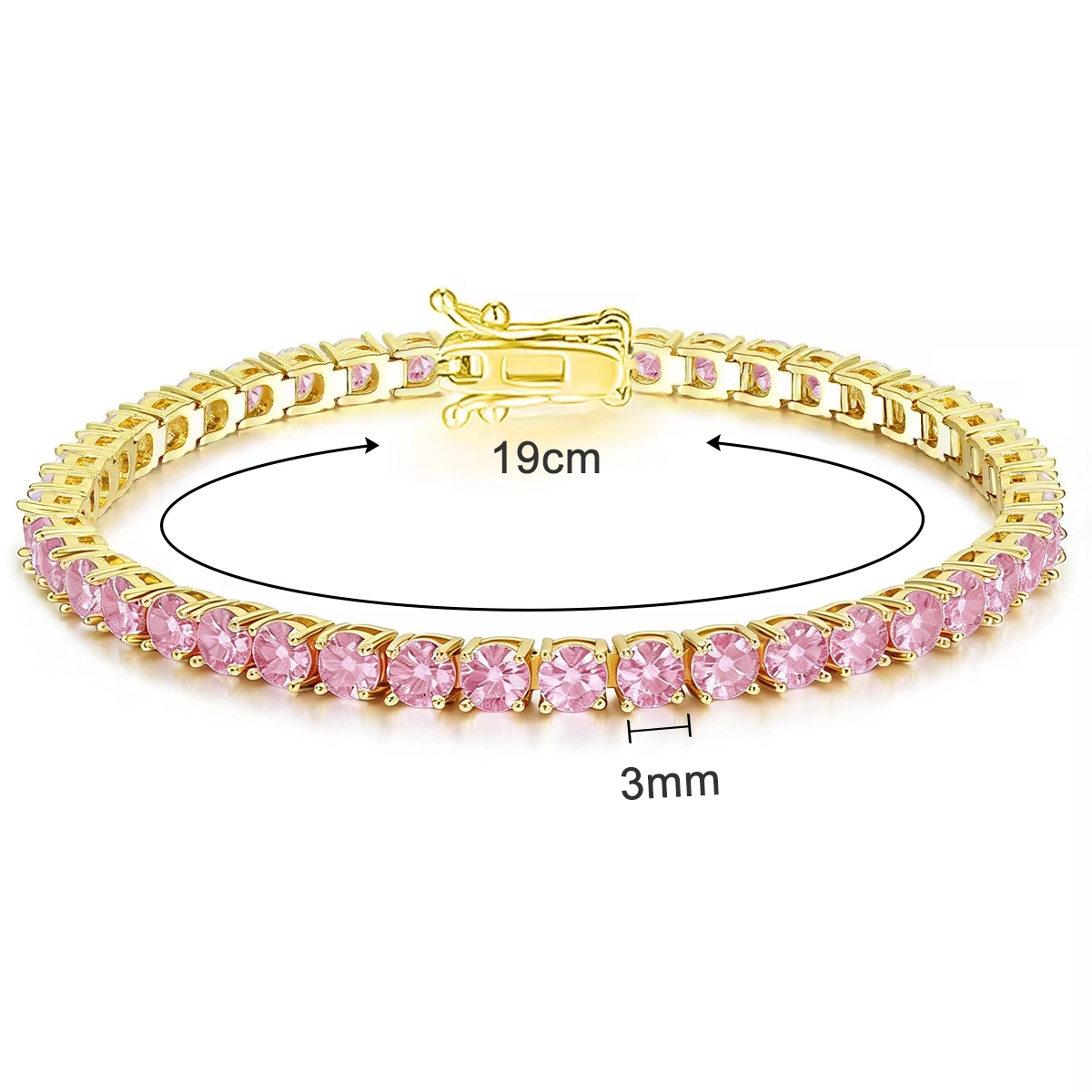
Custom CZ Tennis Bracelet Manufacturer | 925 Sterling Silver & Brass Jewelry OEM
Private label brass earrings: step-by-step guide for retailers
How to Choose the Right Gold Vermeil Jewelry Manufacturer for Your Brand
Price Factors for Custom 925 Silver Rings: Market and Labor
Product Categories
You may also like

925 Silver Jewelry
Customizable High-Quality Fashion 925 Sterling Silver AAA Cubic Zirconia Heart-Shaped Open Tennis Bracelet.
Read More

Brass Jewelry
Customizable OEM ODM High-Quality Fashion Brass AAA Cubic Zirconia Classic Tennis Bracelet for Women Wholesale.
Read More
Get a Quote for Private Label Jewelry
We provide personalized jewelry customization services for clients worldwide.
Rest assured that your privacy is important to us, and all information provided will be handled with the utmost confidentiality.
By clicking 'Send Inquiry Now' I agree to ZHEFAN JEWELRY processing my personal data.
To see how to withdraw your consent, how to control your personal data and how we process it, please see our Privacy Policy and Terms of use.
From design to production, ZHEFAN JEWELRY offers a one-stop solution to help you enhance your brand value and market competitiveness.
Get A Quote
Contact
Tel: (+86) 188 1927 7817
© 2026 Zhefan Jewelry. All Rights Reserved.
Facebook
Instagram
YouTube
Whatsapp: +8618819277817