







Email: sales3@zhefanjewelry.com
The Competitive Advantage of Direct Collaboration with an OEM Jewelry Manufacturer
Direct collaboration with an OEM jewelry manufacturer gives jewelry brands greater control over design ownership, material selection, production quality, compliance, lead times, and unit economics. By working with a factory rather than several intermediaries, buyers can reduce communication loss, validate samples faster, coordinate custom packaging, protect product specifications, and scale collections more predictably. The model is especially valuable for brands sourcing brass jewelry, 925 silver jewelry, gold vermeil jewelry, and pearl jewelry that require consistent finishing, repeatable plating, documented inspections, and flexible order planning.
- Why Factory-Direct Jewelry Sourcing Creates Commercial Advantage
- Fewer handoffs improve communication and cost control
- Product development becomes faster and more accountable
- Design ownership and confidentiality receive stronger operational protection
- Operational Benefits Across Quality, Compliance, and Fulfillment
- Quality assurance becomes measurable rather than subjective
- Material and environmental compliance reduce market-entry risk
- Capacity planning supports reliable replenishment
- How Buyers Should Evaluate a Direct Manufacturing Partner
- Audit the production system, not only the product photographs
- Use a documented sample-to-production approval process
- Assess total value instead of comparing unit price alone
- Zhefan Jewelry’s Factory-Direct Advantage for Growing Brands
- Established craftsmanship combined with scalable production
- Broad material capability and active design development
- Structured finishing and inspection for commercial consistency
- OEM and ODM services designed around client growth
- A practical starting process for new projects
- Frequently Asked Questions
Direct collaboration with an OEM jewelry manufacturer gives jewelry brands greater control over design ownership, material selection, production quality, compliance, lead times, and unit economics. By working with a factory rather than several intermediaries, buyers can reduce communication loss, validate samples faster, coordinate custom packaging, protect product specifications, and scale collections more predictably. The model is especially valuable for brands sourcing brass jewelry, 925 silver jewelry, gold vermeil jewelry, and pearl jewelry that require consistent finishing, repeatable plating, documented inspections, and flexible order planning.
Why Factory-Direct Jewelry Sourcing Creates Commercial Advantage
Fewer handoffs improve communication and cost control
A factory-direct relationship shortens the path between the product owner and the production team. In a layered sourcing model, a retailer may communicate with an agent, trading company, distributor, and workshop before a technical request reaches the actual production line. Each handoff can introduce errors in dimensions, plating color, stone placement, packaging requirements, or acceptable tolerance. Direct communication allows the buyer to review drawings, 3D files, wax models, samples, and inspection findings with the people responsible for execution.
This structure also makes the commercial quotation easier to evaluate. The buyer can distinguish material cost, labor, finishing, plating, packaging, tooling, sampling, and freight instead of accepting a bundled resale price. A transparent quotation supports better landed-cost modeling and makes it easier to compare a launch collection with a replenishment order. It does not automatically guarantee the lowest price; its primary advantage is that it improves cost visibility and reduces avoidable margin layers.
Product development becomes faster and more accountable
Custom jewelry development involves more than choosing a silhouette. The supplier must translate a creative brief into manufacturable geometry, appropriate wall thickness, secure settings, reliable closures, practical polishing access, and a finish that can survive handling and wear. When buyers work directly with a capable production partner, engineering feedback arrives earlier. The factory can identify weak prongs, sharp edges, excessive weight, unsuitable pearl drilling, or plating risks before bulk production.
Direct access is particularly useful for private-label collections and seasonal launches. A project owner can establish a sample approval schedule, assign responsibility for revisions, and define the exact version that becomes the production master. This reduces the risk of an approved sample being interpreted differently during bulk manufacturing. It also creates a clearer record for repeat orders, color matching, component replacement, and future collection extensions.
Design ownership and confidentiality receive stronger operational protection
Brand differentiation depends on original design language, not only on the metal used. Factory-direct cooperation enables a buyer to discuss confidentiality expectations, artwork handling, mold ownership, approval rights, and restrictions on using custom tooling for unrelated customers. These terms should be written into commercial documentation rather than assumed from informal conversations.
Buyers should also separate supplier-owned stock designs from customer-specific designs. A standard catalog form may be available to multiple clients, while a commissioned model may involve exclusive geometry, branded details, or dedicated tooling. Clarifying this distinction before sampling helps protect the brand’s investment and prevents confusion when a collection performs well in the market.
Operational Benefits Across Quality, Compliance, and Fulfillment
Quality assurance becomes measurable rather than subjective
Jewelry quality should be defined through inspection criteria that production and procurement teams can both understand. These criteria may include metal composition, plating thickness or finish standard, color consistency, solder visibility, stone security, clasp function, surface smoothness, dimensions, weight tolerance, logo placement, and packaging accuracy. A professional custom jewelry manufacturer should be able to explain how these characteristics are checked, when inspections occur, and how nonconforming pieces are isolated.
The quality system should cover incoming materials, in-process workmanship, finishing, final assembly, and pre-shipment review. Buyers can request a control plan, approved sample, inspection checklist, defect classification, and corrective-action process. This approach is consistent with the process-control principles associated with ISO 9001 quality management systems, although certification should never be assumed unless the supplier provides current, verifiable documentation.
Material and environmental compliance reduce market-entry risk
Jewelry brands selling internationally need to understand the requirements of each destination market. Materials, coatings, packaging, and product claims may be subject to restrictions involving lead, cadmium, nickel release, or other substances. The European Commission explains the scope of REACH regulation, while official European Union information describes the restrictions addressed by RoHS. These frameworks are not interchangeable, and jewelry buyers should confirm which rules apply to their product and sales channel.
A responsible supplier should provide material declarations, test reports where appropriate, plating specifications, and traceable batch information. Buyers should check the issuing laboratory, test method, report date, sample description, and whether the tested material represents the intended production batch. Compliance documentation supports responsible procurement, but it does not replace a buyer’s own legal review for the markets in which products will be sold.
Capacity planning supports reliable replenishment
A supplier’s stated production capacity is meaningful only when it is connected to actual process capability. Buyers should ask how many lines or workstations support casting, stamping, polishing, stone setting, plating, assembly, and inspection. They should also ask how the factory handles peak-season demand, urgent replenishment, engineering changes, and material shortages.
Factory-direct planning improves the connection between sales forecasts and manufacturing schedules. A brand can discuss minimum order quantities, safety stock, component availability, sample lead time, bulk lead time, and shipment split plans with the team controlling the relevant resources. This makes inventory decisions more deliberate and helps prevent the common trade-off between overstocking slow sellers and running out of proven products.
| Procurement Dimension | Intermediary-Led Sourcing | Direct Factory Collaboration | Buyer-Controlled KPI |
|---|---|---|---|
| Communication | Requests pass through multiple commercial layers | Design and production teams communicate through an agreed workflow | Revision turnaround and specification accuracy |
| Cost visibility | Price may combine sourcing margin and production cost | Costs can be separated by material, process, tooling, and packaging | Landed cost and gross margin |
| Product development | Engineering feedback may arrive late | Manufacturability issues can be reviewed during sampling | Sample approval cycles and first-pass acceptance |
| Quality control | Inspection evidence may be summarized by a third party | Control points and nonconformity actions can be reviewed with the producer | Defect rate, rework rate, and return rate |
| Replenishment | Capacity information may be indirect | Production scheduling can be discussed with the operating facility | On-time delivery and fill rate |
How Buyers Should Evaluate a Direct Manufacturing Partner
Audit the production system, not only the product photographs
Professional product images demonstrate design presentation, but they do not prove repeatability. A procurement review should examine the facility, machinery, staffing, process sequence, inspection records, sample room, material storage, and finished-goods handling. If an onsite visit is not practical, buyers can request a live video audit, dated production footage, sample inspection evidence, and a clear explanation of which processes are performed in-house or outsourced.
Supplier evaluation should also consider business continuity. Questions about backup equipment, supplier redundancy for components, power stability, worker training, production records, and peak-season allocation reveal whether the factory can support a growing brand. A reliable partner should communicate limitations openly instead of promising every specification without confirming feasibility.
Use a documented sample-to-production approval process
The approved sample should be treated as a controlled reference, not merely a visual suggestion. The technical package should record dimensions, weight range, metal type, plating color, stone or pearl grade, clasp style, logo position, packaging details, and acceptable cosmetic tolerances. For products with multiple finishes, the buyer should approve each relevant color because gold tone, silver tone, antique effects, and high-polish surfaces can behave differently during production.
A practical approval process normally includes design review, prototype or first sample, revision sample, pre-production sample, bulk inspection, and shipment release. The purchase order should identify the approved files and revision number. This reduces disputes because both parties can compare production against the same technical baseline.
Assess total value instead of comparing unit price alone
A lower quoted unit price may be offset by higher defect rates, inconsistent plating, late launches, expensive rework, weak packaging, or slow communication. A more useful evaluation includes product quality, development speed, minimum order quantity, payment terms, tooling ownership, compliance support, packaging capability, logistics coordination, and after-sales responsiveness.
Buyers can estimate total supplier value by comparing the expected gross profit from an on-time launch with the cost of defects, returns, markdowns, lost advertising momentum, and emergency freight. This wider view supports rational supplier selection and reflects the commercial reality of fashion jewelry, where trend timing and repeat purchase performance strongly influence return on investment.
Zhefan Jewelry’s Factory-Direct Advantage for Growing Brands
Established craftsmanship combined with scalable production
Zhefan Jewelry operates as a direct manufacturing partner for brands, retailers, distributors, and project owners seeking dependable custom development. Guangzhou Zhefan Jewelry was established in 2002, with a business legacy dating back to 1997. Founded by a master mold craftsman, the company has built its manufacturing approach around detailed mold work, progressive refinement, and disciplined execution.
Our two factories in Guangzhou and Meizhou cover 800 square meters and are supported by more than 80 skilled artisans and 20 sales professionals. This structure gives our partners access to both technical production resources and dedicated commercial communication. With monthly output reaching 600,000 pieces, our team can support collection launches and replenishment programs while maintaining attention to product specifications.
Broad material capability and active design development
Our product capabilities include brass jewelry, 925 silver jewelry, sterling silver jewelry, gold vermeil jewelry, and pearl jewelry. Each material category requires different decisions around forming, polishing, soldering, stone or pearl setting, surface preparation, plating, and inspection. Our engineering and production teams work with buyers to align the desired appearance with the appropriate construction and finishing process.
Our professional design team launches more than 500 original styles monthly. This design activity gives brand owners a broad starting point for trend-led collections while preserving the option to modify shapes, proportions, finishes, stones, logos, and packaging. Buyers can select a proven base concept, request an exclusive variation, or develop a fully custom item from technical artwork.
Structured finishing and inspection for commercial consistency
Our quality approach includes six rounds of precision polishing and six strict quality inspections. Multiple polishing stages help prepare the surface for a cleaner final appearance, while repeated inspection points help identify defects before products reach packaging and shipment. The exact control requirements remain aligned with the approved product specification and the buyer’s quality expectations.
We use RoHS- and REACH-compliant eco-friendly materials where applicable to the product and destination requirements, and we support buyers with documentation discussions for responsible market entry. Brands should still confirm the legal and testing requirements of each sales territory, but our compliance-oriented process provides a stronger foundation for that review.
OEM and ODM services designed around client growth
Our team provides integrated OEM and ODM support, including design selection, custom development, sampling, mold coordination, material sourcing, finishing, quality inspection, packaging coordination, and production delivery. We have served leading Amazon sellers and global retail businesses including Macy’s, giving our organization experience with demanding presentation, consistency, and delivery expectations.
The commercial benefit of working with Zhefan Jewelry is not limited to production volume. Our objective is to help brand owners build a repeatable product system: approved specifications, predictable quality, responsive development, and a supply plan that can expand as demand becomes clearer. That combination allows buyers to manage risk while pursuing faster collection growth and stronger market influence.
A practical starting process for new projects
Buyers can begin by sharing sketches, reference products, target materials, estimated order quantity, preferred finish, target market, packaging requirements, and desired delivery window. Our team can then review manufacturability, recommend suitable materials, clarify sampling requirements, and prepare a structured quotation. Early disclosure of target price and volume is useful because it allows the production method, weight, plating, packaging, and minimum order strategy to be evaluated together.
For established collections, buyers can provide existing samples or technical files for replication, improvement, or range extension. For new brands, a smaller pilot collection can help validate customer response before a larger commitment. In both cases, clear approval records and defined inspection expectations create a stronger basis for long-term cooperation.
To review custom development, wholesale collections, or private-label production with Zhefan Jewelry, visit our jewelry manufacturing website or email sales3@zhefanjewelry.com.
Frequently Asked Questions
What is the main advantage of working directly with a jewelry factory?
The main advantage is greater control over design specifications, quality, cost visibility, communication, compliance documentation, lead times, and replenishment planning because fewer intermediaries are involved.
How can buyers verify the quality of a custom jewelry supplier?
Buyers should review the supplier’s facility, process sequence, inspection records, sample room, material storage, staffing, equipment, defect classification, corrective-action process, and approved-sample controls rather than relying only on product photographs.
What compliance documents should jewelry buyers request?
Depending on the product and destination market, buyers may request material declarations, relevant test reports, plating specifications, batch information, and documentation addressing applicable requirements such as REACH or RoHS. The buyer should verify the laboratory, test method, date, and sample description.
How should a buyer control differences between an approved sample and bulk production?
The buyer should create a controlled technical package recording dimensions, weight range, metal type, plating color, stones or pearls, logo position, packaging, tolerances, and revision numbers, then use the approved sample and documents as the production reference.
What products can Zhefan Jewelry manufacture?
Zhefan Jewelry manufactures brass jewelry, 925 silver jewelry, sterling silver jewelry, gold vermeil jewelry, and pearl jewelry, with OEM and ODM support for custom designs, finishes, packaging, and private-label collections.
What information should be included in an initial jewelry manufacturing inquiry?
An initial inquiry should include sketches or reference products, target material, estimated quantity, finish, target market, packaging requirements, desired delivery window, and target price when available. This allows the factory to assess manufacturability, sampling, production method, and minimum order strategy together.
Tags
brass jewelry price list wholesale
brass jewelry price list wholesale
vintage style nickel free brass earrings
vintage style nickel free brass earrings
brass earring components supplier
brass earring components supplier
brass earring supplier iso certified
brass earring supplier iso certified
sustainable silver bracelet manufacturer
sustainable silver bracelet manufacturer
brass statement jewelry manufacturer
brass statement jewelry manufacturer
Recommended for you
How to Negotiate Bulk Pricing for 925 Sterling Silver Tennis Bracelet with Manufacturers
Cost and Pricing: 925 Sterling Silver Earrings for Wholesale
After-Sales and Warranty Policies for Mother of Pearl Earrings
Design trends in 925 sterling silver nickel free jewelry 2026
Product Categories
You may also like
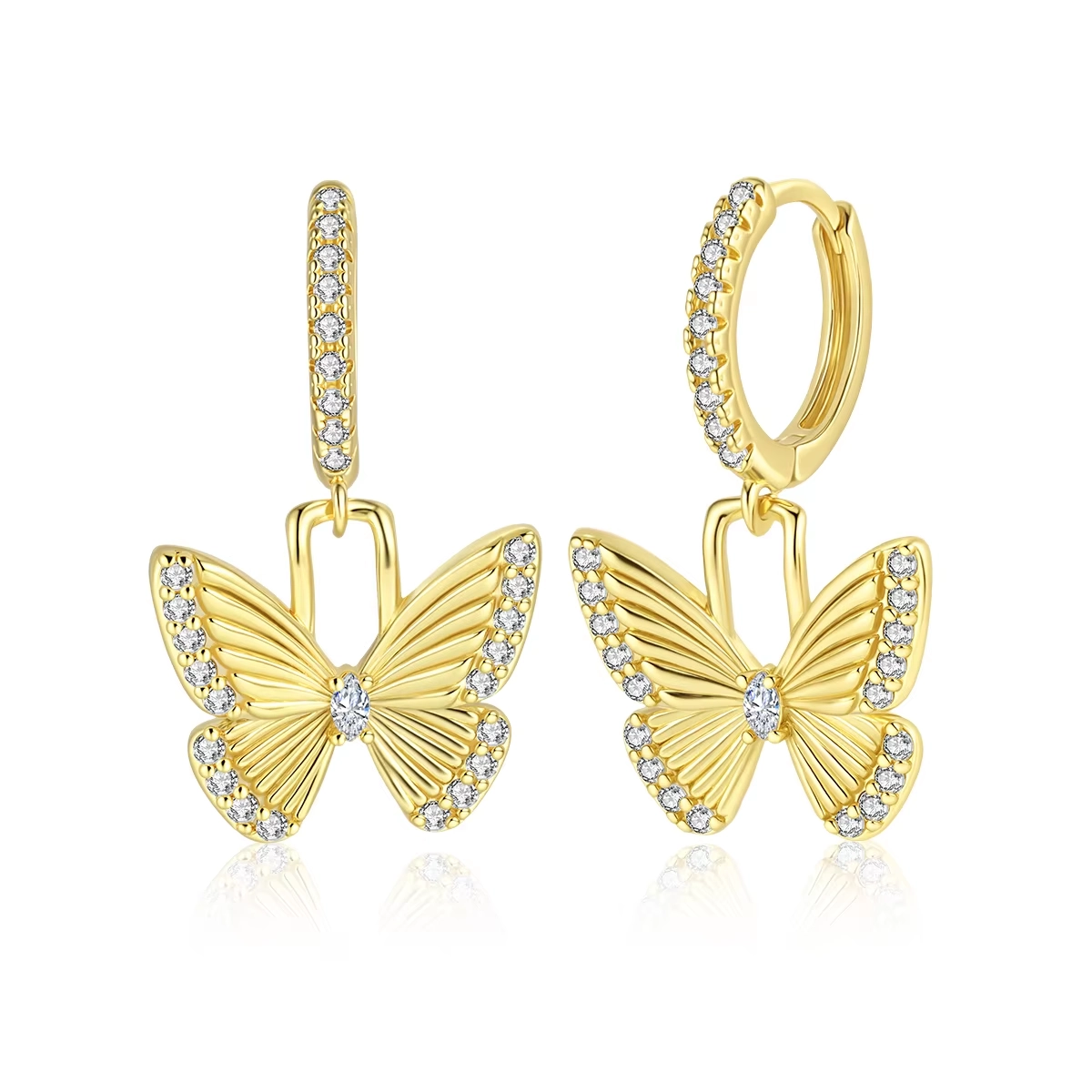
Brass Jewelry
Custom Butterfly Hoop Earrings with Cubic Zirconia | 18K Gold Plated Jewelry
Read More
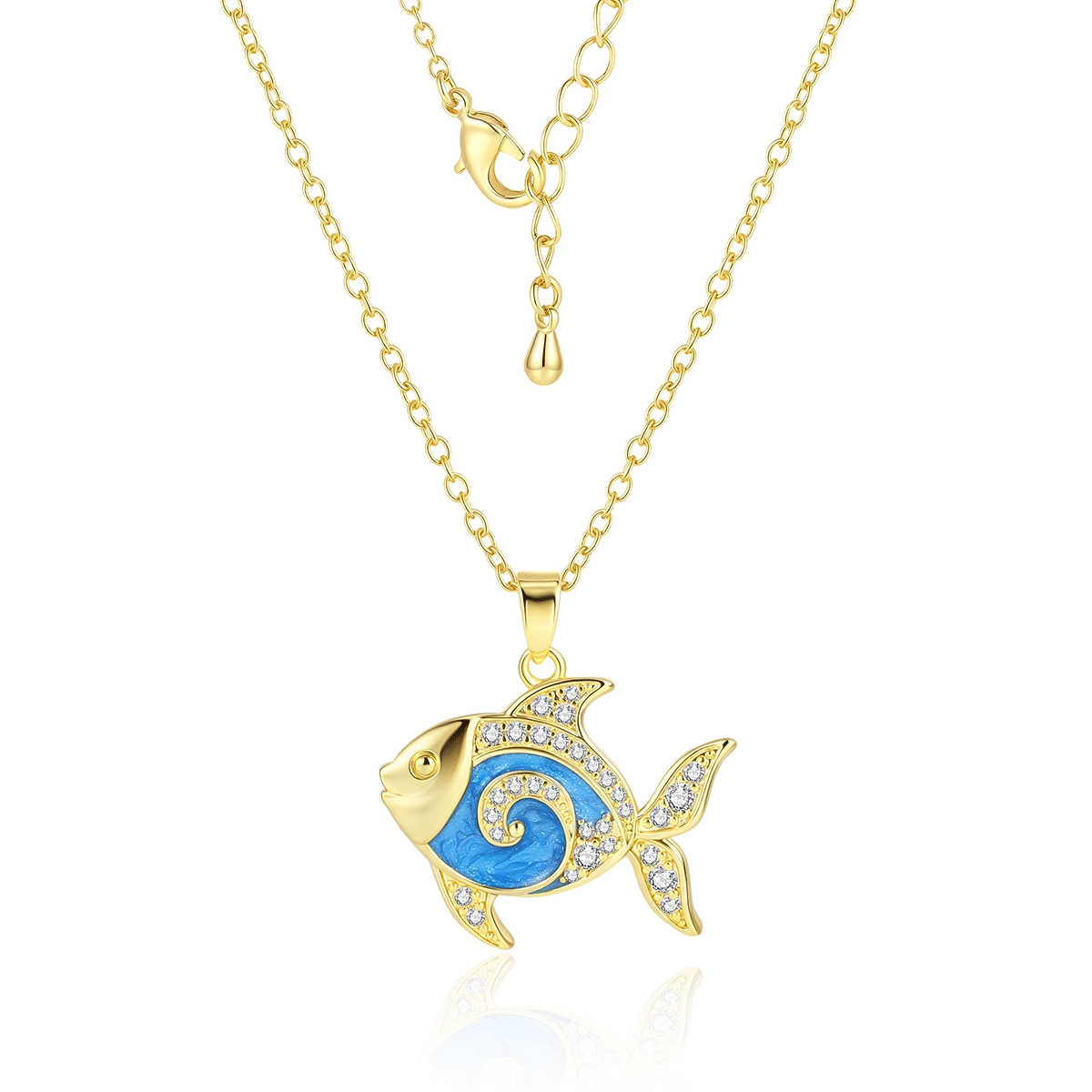
Brass Jewelry
OEM Fish Shaped Necklace with Blue Enamel craft & Cubic Zirconia | 18K Gold Plated Custom Jewelry
Read More

925 Silver Jewelry
Customizable High-Quality Fashion 925 Sterling Silver AAA Cubic Zirconia Heart-Shaped Open Tennis Bracelet.
Read More
Get a Quote for Private Label Jewelry
We provide personalized jewelry customization services for clients worldwide.
Rest assured that your privacy is important to us, and all information provided will be handled with the utmost confidentiality.
By clicking 'Send Inquiry Now' I agree to ZHEFAN JEWELRY processing my personal data.
To see how to withdraw your consent, how to control your personal data and how we process it, please see our Privacy Policy and Terms of use.
From design to production, ZHEFAN JEWELRY offers a one-stop solution to help you enhance your brand value and market competitiveness.
Get A Quote
Contact
Tel: (+86) 188 1927 7817
© 2026 Zhefan Jewelry. All Rights Reserved.
Facebook
Instagram
YouTube
Whatsapp: +8618819277817