







Email: sales3@zhefanjewelry.com
Custom Adjustable Tennis Bracelet Manufacturing Process Explained
A custom adjustable tennis bracelet is developed through requirement analysis, CAD and prototype engineering, stone-setting design, material selection, casting or forming, surface finishing, assembly, inspection, packaging, and production scaling. For B2B buyers, the critical decisions are adjustability mechanism reliability, stone security, metal compliance, dimensional consistency, plating durability, minimum order quantity, sampling approval, and supplier quality systems. This guide explains how a professional custom jewelry manufacturer converts a bracelet concept into a commercially viable product while controlling defects, lead time, and total landed cost.
- How an Adjustable Diamond-Style Bracelet Is Engineered
- Translating the commercial brief into technical specifications
- CAD design, mold development, and prototype approval
- Stone selection and setting architecture
- Production Stages, Quality Controls, and Compliance
- Material preparation and forming
- Casting, polishing, plating, and color control
- Assembly, setting, and functional testing
- Procurement Planning for Scalable Bracelet Production
- Cost drivers and minimum order considerations
- Sampling, tolerances, and pre-production control
- Supplier evaluation and delivery performance
- Why Zhefan Jewelry Supports Commercial Customization
- Integrated expertise in fashion jewelry materials
- Capacity combined with controlled workmanship
- OEM and ODM value for brand growth
- Frequently Asked Questions
A custom adjustable tennis bracelet is developed through requirement analysis, CAD and prototype engineering, stone-setting design, material selection, casting or forming, surface finishing, assembly, inspection, packaging, and production scaling. For B2B buyers, the critical decisions are adjustability mechanism reliability, stone security, metal compliance, dimensional consistency, plating durability, minimum order quantity, sampling approval, and supplier quality systems. This guide explains how a professional custom jewelry manufacturer converts a bracelet concept into a commercially viable product while controlling defects, lead time, and total landed cost.
How an Adjustable Diamond-Style Bracelet Is Engineered
Translating the commercial brief into technical specifications
Manufacturing starts with a structured product brief rather than a sketch alone. Brand owners should define the target retail price, wearer profile, bracelet length range, stone size, metal color, base material, surface treatment, logo placement, packaging format, and expected sales channel. A fashion retailer may prioritize lightweight brass construction and accessible plating, while a High Quality label may require 925 silver, gold vermeil, or a higher stone grade. These choices affect mold design, component thickness, labor time, packaging protection, and final cost.
The specification should also identify the adjustment method. Common options include a sliding bead, bolo-style clasp, extension chain, magnetic component, or linked sizing system. Each mechanism creates different engineering requirements. A sliding system needs controlled friction and smooth cable movement; an extension chain needs durable jump rings and a secure end component; a magnetic closure requires sufficient holding force and protection against accidental release. The supplier should document the usable wrist range, adjustment force, closure dimensions, and pull-test expectations before tooling begins.
CAD design, mold development, and prototype approval
Computer-aided design converts the visual concept into measurable geometry. Engineers review stone spacing, prong or bezel proportions, link articulation, cable routing, wall thickness, clasp clearance, and polishing access. This stage is especially important for tennis-style jewelry because repeated stone settings must align visually while remaining flexible enough to follow the wrist.
A mold or tooling design is then prepared for the selected production method. Brass and sterling silver components are commonly produced through precision casting, while some chains, wires, beads, and findings may be formed, stamped, or purchased as standardized components. A prototype should be evaluated on a real wrist or sizing form. Buyers should check whether the bracelet lies flat, whether the adjustment tail is comfortable, whether the stones face upward, and whether the closure can be operated without excessive force.
Prototype approval should include a signed specification sheet, approved color sample, stone reference, logo artwork, tolerance range, and packaging instruction. Without this documentation, later disputes may arise over acceptable color variation, plating tone, stone uniformity, or component dimensions.
Stone selection and setting architecture
Commercial tennis bracelets may use cubic zirconia, glass stones, synthetic gemstones, or natural diamonds depending on the product positioning. The supplier should identify the material, diameter tolerance, cut style, color range, and matching standard. Round stones with inconsistent diameters can create visible gaps, uneven reflections, and unstable settings.
Setting architecture must balance appearance with security. Prong settings offer strong light exposure but require accurate metal flow and careful finishing. Bezel settings can protect the stone edge and create a more streamlined appearance, although they may increase material use and reduce brilliance. Buyers should request sample inspection under magnification and confirm that stones do not rotate, rock, chip, or sit below neighboring settings.
Production Stages, Quality Controls, and Compliance
Material preparation and forming
Material selection determines both consumer value and manufacturing behavior. Brass is often selected for cost-efficient fashion collections and accepts a wide range of finishes. 925 silver provides a recognized precious-metal positioning, while gold vermeil generally combines a sterling silver base with a substantial gold layer. The exact alloy, base thickness, plating specification, and nickel policy should be written into the purchase order.
For responsible sourcing and market access, buyers should request material declarations and compliance documentation. The European Chemicals Agency provides information on REACH requirements, while the European Commission explains the scope of RoHS restrictions for applicable electrical and electronic products. Jewelry suppliers should clarify which tests are relevant to the product and destination market rather than presenting a generic certificate as universal proof of compliance.
Casting, polishing, plating, and color control
After tooling approval, metal components are produced, trimmed, and prepared for finishing. Casting defects may include porosity, incomplete filling, shrinkage marks, or uneven surfaces. These defects can become more visible after plating, so visual inspection before polishing is essential. Excessive polishing can change dimensions, soften prongs, or reduce logo definition; insufficient polishing can leave scratches and dull areas.
Surface treatment commonly includes cleaning, degreasing, base plating, color plating, and protective finishing. Gold-tone products may use electroplated gold or gold vermeil specifications, while silver-tone products may require rhodium or other anti-tarnish treatments. Plating thickness, adhesion, color consistency, and abrasion resistance should be verified using a documented sampling plan. ISO describes quality-management principles through ISO 9001 quality management systems, which can help buyers evaluate whether a supplier has repeatable processes rather than relying only on final visual inspection.
Assembly, setting, and functional testing
Assembly brings together the decorative units, adjustment mechanism, chain or cable, clasp, end bead, and branding components. Operators must avoid over-tightening because excessive pressure can restrict articulation or damage the finish. They must also verify that every stone is seated consistently and that no sharp edges remain on the skin-contact side.
Functional tests should cover adjustment travel, closure engagement, repeated opening and closing, link flexibility, end-stop retention, and resistance to moderate pulling. A buyer can specify a test quantity per batch and define the failure threshold. The objective is not to simulate every possible consumer event, but to identify systematic defects before shipment. Product claims and labeling should also be reviewed against the destination market. In the United States, the Federal Trade Commission Jewelry Guides provide relevant guidance on jewelry descriptions and marketing representations.
| Manufacturing checkpoint | What the supplier verifies | Buyer risk controlled | Recommended approval evidence |
|---|---|---|---|
| Design and tooling | Dimensions, stone spacing, mechanism clearance, logo geometry | Nonfunctional prototype or costly rework | CAD file, 3D render, approved sample |
| Material preparation | Alloy, component thickness, stone specification, compliance status | Mislabeling, allergic reactions, inconsistent cost | Material declaration and test documentation |
| Surface finishing | Polish quality, plating color, adhesion, visible defects | Returns, tarnishing complaints, inconsistent collections | Color standard and inspection report |
| Assembly and setting | Closure security, stone seating, articulation, sharp edges | Loss of stones, customer injury, poor usability | Functional test record and batch photos |
| Pre-shipment inspection | Quantity, packaging, dimensions, workmanship, labeling | Short shipment and retail launch delays | Final inspection report and carton list |
Procurement Planning for Scalable Bracelet Production
Cost drivers and minimum order considerations
The quoted unit price is influenced by more than metal weight. Major cost drivers include mold complexity, number of unique components, stone count, setting labor, adjustment hardware, plating layers, logo customization, packaging, inspection requirements, and order volume. A low initial quote may exclude tooling, sample revisions, compliance testing, replacement components, or export packaging.
Procurement teams should request a cost breakdown that separates one-time tooling from recurring production cost. They should also compare landed cost rather than factory price alone. Freight, duty, inspection, rejects, rework, inventory carrying cost, and delayed launch dates can materially change the economics of a supplier decision.
Sampling, tolerances, and pre-production control
A reliable sampling process normally moves from concept drawing to first prototype, revised prototype, color or plating sample, and pre-production sample. Each approval should be traceable. Critical tolerances may cover bracelet length, stone diameter, link width, clasp dimensions, plating thickness, and adjustment range. Cosmetic tolerances should distinguish acceptable micro-variation from defects visible at normal retail viewing distance.
Buyers should establish an acceptance standard before mass production. The standard can define critical, major, and minor defects, with zero tolerance for hazards such as sharp edges or insecure closures. This approach gives both parties an objective basis for inspection and reduces subjective disagreement after goods are completed.
Supplier evaluation and delivery performance
A capable custom jewelry manufacturer should demonstrate technical communication, sample discipline, production capacity, quality records, compliant material sourcing, and responsive after-sales support. Factory audits should examine equipment, worker training, process flow, in-process inspection, warehouse controls, and traceability. Capacity claims should be assessed against actual staffing, line organization, and peak-season planning.
Lead time should be divided into design, tooling, sampling, material preparation, production, finishing, inspection, and shipping. This makes the schedule more realistic and helps a brand coordinate product photography, e-commerce listings, influencer campaigns, and retail allocation. A supplier that communicates risks early is often more valuable than one that promises an unrealistically short completion date.
Why Zhefan Jewelry Supports Commercial Customization
Integrated expertise in fashion jewelry materials
Guangzhou Zhefan Jewelry was established in 2002, with a manufacturing legacy dating back to 1997. Founded by a master mold craftsman, the company has built its operating philosophy around continuous refinement of tooling, finishing, and production execution. Our product capabilities include brass jewelry, 925 silver jewelry, sterling silver jewelry, gold vermeil jewelry, and pearl jewelry, enabling brand owners to develop coordinated collections across multiple price tiers.
Our engineering and production teams support OEM and ODM projects from initial concept through sampling, manufacturing, quality inspection, and shipment preparation. This integrated structure is valuable for adjustable bracelet programs because the visual design, mechanism, stone setting, and finishing specification must remain aligned throughout the project.
Capacity combined with controlled workmanship
Our two factories in Guangzhou and Meizhou cover approximately 800 square meters and are supported by more than 80 skilled artisans and 20 sales professionals. Monthly output reaches approximately 600,000 pieces, providing the capacity required for repeat orders, seasonal launches, and multi-style collections. At the same time, our design team introduces more than 500 original styles each month, helping global partners respond to changing fashion demand without sacrificing development speed.
For bracelet programs, our process includes six rounds of precision polishing and six strict quality inspections. These controls are designed to address surface marks, uneven edges, stone security, clasp performance, dimensional consistency, plating appearance, and packaging accuracy. We use RoHS- and REACH-compliant eco-friendly materials where applicable to the project specification and destination-market requirements. Buyers should still confirm the exact test scope and documentation required for each product.
OEM and ODM value for brand growth
Our team has supported Amazon top-three sellers and global retailers such as Macy’s, giving project owners a manufacturing partner familiar with commercial consistency, launch deadlines, and collection-level coordination. The objective is not simply to produce one attractive sample; it is to repeat the approved result across replenishment orders while protecting the brand’s quality perception.
Working with Zhefan Jewelry can help buyers consolidate development across brass jewelry, sterling silver jewelry, gold vermeil jewelry, and pearl jewelry categories. Our website at Zhefan Jewelry provides a channel for reviewing product capabilities, while project inquiries can be directed to sales3@zhefanjewelry.com. Before placing an order, buyers should provide target specifications, estimated quantity, desired launch date, destination market, reference images, and packaging requirements so the engineering team can prepare an accurate proposal.
Frequently Asked Questions
What information should buyers provide before requesting a bracelet quotation?
Buyers should provide target specifications, estimated quantity, desired launch date, destination market, reference images, and packaging requirements so the engineering team can prepare an accurate proposal.
Which adjustment mechanisms are commonly used in tennis-style bracelets?
Common options include a sliding bead, bolo-style clasp, extension chain, magnetic component, or linked sizing system, with each mechanism creating different requirements for friction, cable movement, closure security, or component strength.
What quality checks are important before mass production?
Buyers should approve the CAD file, prototype, color or plating sample, and pre-production sample, while defining tolerances for bracelet length, stone diameter, link width, clasp dimensions, plating thickness, and adjustment range.
What are the main cost drivers for a customized adjustable bracelet?
Major cost drivers include mold complexity, unique component count, stone quantity, setting labor, adjustment hardware, plating layers, logo customization, packaging, inspection requirements, and order volume.
How does Zhefan Jewelry control product quality?
Zhefan Jewelry applies six rounds of precision polishing and six strict quality inspections to address surface marks, uneven edges, stone security, clasp performance, dimensional consistency, plating appearance, and packaging accuracy.
What materials can Zhefan Jewelry manufacture for coordinated collections?
Zhefan Jewelry supports brass jewelry, 925 silver jewelry, sterling silver jewelry, gold vermeil jewelry, and pearl jewelry for OEM and ODM collection development.
Tags
hypoallergenic silver bracelet supplier
hypoallergenic silver bracelet supplier
personalized 925 silver earrings
personalized 925 silver earrings
brass jewelry oem services usa
brass jewelry oem services usa
EU compliant 925 sterling silver jewelry exporter
EU compliant 925 sterling silver jewelry exporter
adjustable tennis bracelet with extender wholesale
adjustable tennis bracelet with extender wholesale
wholesale necklaces
wholesale necklaces
Recommended for you
How to Verify Authentic 925 Sterling Silver Earrings for Buyers
Sustainable Sourcing of 925 Sterling Silver Earrings for Buyers
Private Label Silver Bracelets: Steps to Launch
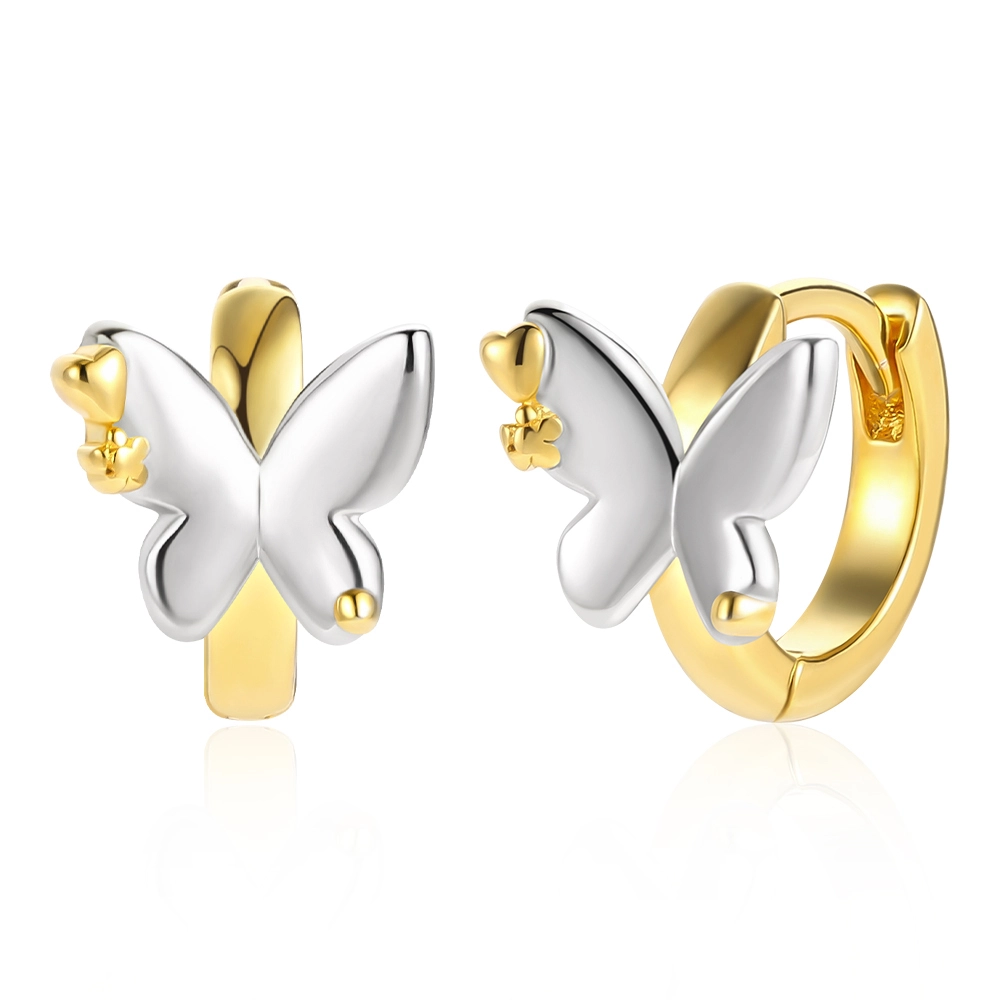
Customizable 925 Sterling Silver CZ Hoop Earrings Wholesale | Zhefan Jewelry Manufacturer
Product Categories
You may also like

925 Silver Jewelry
Customizable High-Quality Fashion 925 Sterling Silver AAA Cubic Zirconia Heart-Shaped Open Tennis Bracelet.
Read More

Brass Jewelry
Customizable OEM ODM High-Quality Fashion Brass AAA Cubic Zirconia Classic Tennis Bracelet for Women Wholesale.
Read More
Get a Quote for Private Label Jewelry
We provide personalized jewelry customization services for clients worldwide.
Rest assured that your privacy is important to us, and all information provided will be handled with the utmost confidentiality.
By clicking 'Send Inquiry Now' I agree to ZHEFAN JEWELRY processing my personal data.
To see how to withdraw your consent, how to control your personal data and how we process it, please see our Privacy Policy and Terms of use.
From design to production, ZHEFAN JEWELRY offers a one-stop solution to help you enhance your brand value and market competitiveness.
Get A Quote
Contact
Tel: (+86) 188 1927 7817
© 2026 Zhefan Jewelry. All Rights Reserved.
Facebook
Instagram
YouTube
Whatsapp: +8618819277817