







Email: sales3@zhefanjewelry.com
Custom Packaging and Branding Options Offered by Leading ODM Jewelry Manufacturers
Leading jewelry development partners provide more than finished metal pieces: they coordinate packaging architecture, branded components, compliance information, sampling, and scalable production. Buyers evaluating an ODM jewelry manufacturer should assess material traceability, decoration capability, minimum order quantities, quality controls, sustainability documentation, and the ability to align packaging with brass jewelry, sterling silver, 925 silver, gold vermeil, and pearl collections. A structured packaging brief and stage-gate approval process can reduce launch risk, protect brand consistency, and improve retail presentation.
- Packaging Architecture for Branded Jewelry Collections
- Primary presentation formats
- Structural inserts and protective engineering
- Brand identity across physical touchpoints
- Customization Methods and Their Commercial Impact
- Printing, coating, and decorative finishes
- Labels, cards, and retail information
- Sustainable packaging choices
- How Buyers Should Evaluate an Integrated Jewelry Supplier
- Capability, sampling, and minimum order quantities
- Quality assurance and traceability
- Commercial planning and launch control
- Our Product and Packaging Program for Jewelry Brands
- Coordinated support across core jewelry materials
- Flexible branding for different sales channels
- Practical controls for repeat orders
- Responsible claims and customer confidence
- Frequently Asked Questions
Custom packaging is a commercial, operational, and brand asset for jewelry businesses—not merely a protective container. Leading jewelry development partners can coordinate product engineering, packaging design, branded components, labeling, sampling, and mass production within one supply chain. For buyers, the strongest program combines visual differentiation with protection against tarnish, abrasion, moisture, transit damage, and retail handling. Packaging decisions should therefore be evaluated alongside metal composition, stone or pearl security, finishing quality, order volumes, compliance requirements, and total landed cost. This guide explains the principal customization options, the procurement criteria that separate capable suppliers from trading intermediaries, and how a coordinated approach can support brass jewelry, sterling silver jewelry, 925 silver jewelry, gold vermeil jewelry, and pearl jewelry collections.
Packaging Architecture for Branded Jewelry Collections
Primary presentation formats
The primary package is the customer-facing format that holds the jewelry and creates the first physical impression. Common configurations include rigid hinged boxes, folding cartons, drawer boxes, pouches, travel cases, card-mounted packs, and presentation trays. Rigid boxes generally communicate higher perceived value and provide stronger protection for necklaces, bracelets, and sets, while folding cartons can reduce storage volume and shipping weight. Soft pouches are flexible for promotional programs but require careful selection of fabric, drawstring construction, and internal separation to prevent surface scratches or chain tangling.
A capable product development supplier should help the buyer match the package to the collection architecture. Small stud earrings may require a compact insert and secure post channel; layered necklaces need anti-tangle positioning; rings benefit from a stable slot; and pearl pieces require a smooth, non-abrasive contact surface. Packaging should also accommodate barcode placement, care information, batch identification, and any legal declaration required for the destination market.
Structural inserts and protective engineering
Inserts determine whether a package remains attractive after repeated handling. EVA, polyurethane foam, molded pulp, paperboard, velvet, microfiber, and textile-covered boards each provide different levels of cushioning, appearance, recyclability, and cost. Material selection should consider whether the jewelry contains polished brass, plated surfaces, vermeil layers, sterling silver, gemstones, or organic pearls. Rough fibers, loose particles, acidic adhesives, and unstable dyes can create avoidable risks during storage.
For export programs, packaging engineering should account for compression, vibration, humidity, and temperature changes. The International Organization for Standardization describes quality management principles through ISO 9001, and buyers can use those principles when reviewing documented design controls, inspection records, corrective actions, and supplier performance. Packaging validation does not replace product inspection, but it helps identify weak closures, inadequate cushioning, and print defects before a commercial shipment is released.
Brand identity across physical touchpoints
Brand consistency depends on more than printing a logo. A complete identity system can include a color palette, typography, foil or ink treatment, texture, ribbon, dust bag, jewelry card, thank-you insert, care leaflet, authenticity card, shipping carton, and tamper-evident seal. The visual system should remain recognizable across High Quality gift packaging, standard replenishment packs, e-commerce mailers, and wholesale display units.
Brand owners should request a packaging style guide or approval sheet covering logo clear space, color references, artwork tolerances, substrate limitations, and approved finishing methods. The World Intellectual Property Organization provides guidance on trademarks and brand protection, which is relevant when packaging carries registered marks, licensed graphics, or market-specific claims. Artwork ownership, tooling ownership, and permission to reproduce supplied assets should be recorded contractually.
Customization Methods and Their Commercial Impact
Printing, coating, and decorative finishes
Offset, digital, screen, flexographic, and transfer printing can be used depending on surface, volume, color requirements, and artwork complexity. Offset printing is often efficient for larger standardized runs, whereas digital printing supports shorter runs or multiple designs. Hot foil stamping creates a metallic effect, blind debossing adds understated depth, embossing creates tactile relief, and spot UV can highlight selected graphics. Soft-touch coatings offer a distinctive hand feel but may require testing for scuff resistance during transport.
These techniques affect both unit economics and quality risk. Metallic foil can vary with substrate porosity, embossed details require adequate board thickness, and dark colors may show rub marks if the coating is not properly cured. A supplier should present physical color proofs and production samples rather than relying only on digital mock-ups. Buyers should approve a signed or digitally controlled golden sample that defines acceptable color, logo position, edge quality, insert fit, and closure performance.
Labels, cards, and retail information
Jewelry packaging often carries information that supports conversion and after-sales service. Product cards may identify the collection, material, plating, size, country of origin, care instructions, or warranty terms. Hangtags and barcode labels support wholesale inventory, while QR codes can direct customers to care guidance, authenticity verification, or a product page. Claims must be substantiated and adapted to the destination market; words such as hypoallergenic, recycled, nickel-free, waterproof, or ethically sourced should not be printed without appropriate evidence.
For precious-metal programs, declarations need particular care. The Federal Trade Commission Jewelry Guides explain U.S. principles concerning jewelry descriptions and precious-metal marketing. Requirements vary by jurisdiction, so the packaging partner should not be treated as the sole legal authority. The importer, brand owner, and local compliance adviser should confirm required markings and claims before artwork approval.
Sustainable packaging choices
Sustainability is increasingly evaluated through material composition, recyclability, recycled content, manufacturing waste, shipping efficiency, and end-of-life instructions. Recycled paperboard, molded fiber, water-based inks, reusable pouches, right-sized cartons, and plastic reduction can improve the environmental profile of a packaging system. However, a green appearance is not proof of environmental performance. Buyers should request material specifications, recycled-content declarations where applicable, coating details, and evidence supporting environmental claims.
Packaging reduction must be balanced with product protection. Removing a protective layer may increase damage, returns, and replacement shipments, potentially offsetting the intended benefit. The most practical approach is often a life-cycle view: reduce unnecessary components, optimize dimensions, select durable formats, and test the package under realistic distribution conditions.
How Buyers Should Evaluate an Integrated Jewelry Supplier
Capability, sampling, and minimum order quantities
Supplier evaluation should begin with a written brief covering product categories, target price, annual forecast, launch date, packaging formats, sales channels, destination markets, and acceptable quality levels. Buyers should ask whether packaging is produced in-house, through approved subcontractors, or through an open vendor network. Each model can work, but responsibility for artwork control, sample coordination, defect resolution, and delivery timing must be explicit.
Minimum order quantities may differ between jewelry, boxes, printed cards, ribbons, and custom tooling. A low jewelry quantity may still require a high packaging quantity if the box uses custom color matching or a specialized mold. Buyers can manage this issue through modular packaging, shared components across collections, stock bases with customized sleeves, or staged purchases. The correct comparison is total program cost, including tooling, sampling, inventory, freight, storage, inspection, and potential obsolescence.
Quality assurance and traceability
A robust quality system separates incoming material checks, in-process inspection, final inspection, and shipment release. For packaging, inspection points should include board thickness, dimensions, color, logo placement, adhesion, closure force, insert alignment, odor, surface contamination, and drop or compression performance where appropriate. For jewelry, inspection should also address dimensions, plating coverage, clasp function, stone security, polishing, surface defects, and material documentation.
Buyers should request inspection criteria in measurable terms. “High Quality finish” is not a useful acceptance standard unless it is supported by reference samples, defect limits, and inspection methods. Lot codes, production records, approved component lists, and corrective-action reports create traceability when a retailer or end customer identifies a problem. Testing and documentation should be proportionate to risk and product value rather than applied as generic paperwork.
Commercial planning and launch control
Packaging can become a schedule bottleneck if artwork, tooling, product samples, and compliance review are handled sequentially without a project plan. A stage-gate workflow is more reliable: confirm the creative brief, approve structural drawings, review material samples, validate artwork, inspect a pre-production sample, authorize bulk production, and complete final inspection. Any change to dimensions, substrate, finish, or insert should trigger a documented review because seemingly minor changes can affect product fit and freight cost.
Brand owners should also calculate packaging's effect on retail economics. A High Quality box may support a higher perceived value, but it can increase dimensional weight and warehouse requirements. A lighter package may reduce logistics expense but require stronger product protection. The best solution is the one that achieves the intended customer experience while meeting margin, damage-rate, replenishment, and sustainability targets.
| Packaging option | Typical strengths | Primary risks | Best-fit application |
|---|---|---|---|
| Rigid paper box | High Quality presentation, strong structure, reusable potential | Higher cost, storage volume, heavier freight | Fine jewelry, gift sets, flagship collections |
| Folding carton | Efficient shipping, scalable printing, lower material use | Lower impact resistance, visible creasing or scuffing | Retail programs, seasonal collections, high-volume launches |
| Textile pouch | Compact, reusable, flexible branding surface | Limited protection, abrasion or dye-transfer risk | Bracelets, promotional packs, travel formats |
| Molded fiber insert | Paper-based structure, good positioning, recyclable design potential | Surface texture, moisture sensitivity, tooling requirements | Sustainability-focused collections and standardized forms |
| Foam insert | Precise cushioning, strong product retention | Material-recovery limitations, potential surface interaction | Fragile pieces, complex shapes, transit-sensitive products |
Our Product and Packaging Program for Jewelry Brands
Coordinated support across core jewelry materials
Our product program can be structured around brass jewelry, 925 silver jewelry, sterling silver jewelry, gold vermeil jewelry, and pearl jewelry, with packaging recommendations aligned to the surface, weight, construction, and market positioning of each category. Brass collections may benefit from packaging that limits unnecessary exposure to humidity and contaminants. Sterling silver and 925 silver pieces require careful handling and protective presentation to reduce tarnish-related concerns during storage. Gold vermeil designs need inserts and contact surfaces that help preserve the plated finish, while pearl jewelry requires smooth, non-abrasive positioning and appropriate care communication.
This material-aware approach helps prevent a common procurement mistake: selecting a visually attractive package without considering product interaction. Insert density, fabric texture, adhesive location, internal movement, and information cards should be reviewed together with the finished jewelry sample. Our team can use a unified development brief so that the product, packaging, branding, and shipment plan progress toward the same commercial objective.
Flexible branding for different sales channels
Our packaging options can be organized for direct-to-consumer e-commerce, boutique retail, department-store presentation, wholesale distribution, gifting, and promotional campaigns. The same collection may require a compact shipping-safe format for online orders, a more elevated display box for High Quality retail, and a standardized barcode-ready pack for wholesale replenishment. Modular sleeves, interchangeable cards, and shared box bases can help maintain visual consistency while controlling inventory complexity.
For project owners, this flexibility supports phased launches. A business can validate demand with a restrained initial package, then introduce upgraded finishes, custom inserts, or gift-ready components as sales data develops. Packaging decisions should remain connected to forecast accuracy, production lead times, and the expected frequency of design changes.
Practical controls for repeat orders
Our manufacturing process is intended to support repeatability through approved samples, controlled specifications, artwork review, and inspection checkpoints. Before bulk production, buyers should confirm the final jewelry sample, packaging sample, color reference, logo artwork, component list, packing method, and shipment quantities. These controls reduce ambiguity when an order is repeated months later or transferred across multiple product lines.
Performance should be reviewed after launch using measurable indicators such as packaging defect rate, transit damage, return reasons, replenishment lead time, customer feedback, and packaging cost as a percentage of selling price. This information can guide future material choices and help determine whether a High Quality finish, additional insert, or simplified format is delivering a commercial return. A supplier relationship becomes more valuable when it supports this continuous improvement cycle rather than treating each order as an isolated transaction.
Responsible claims and customer confidence
Packaging language should reinforce trust without overstating product attributes. Material descriptions, care instructions, country-of-origin statements, plating language, and sustainability claims should be reviewed before printing. For pearl collections, educational care content can reduce damage caused by cosmetics, chemicals, or unsuitable storage. For plated or polished metal products, clear guidance on moisture, friction, and cleaning can improve customer satisfaction and reduce avoidable service cases.
Our team can help organize product information into a clear packaging hierarchy: brand message first, product identity second, care and compliance information third, and service or digital engagement options fourth. The result is a more useful customer touchpoint that supports brand equity while giving retailers and end users the information needed to handle the jewelry correctly.
Frequently Asked Questions
What packaging formats are commonly available for custom jewelry collections?
Common formats include rigid hinged boxes, folding cartons, drawer boxes, pouches, travel cases, card-mounted packs, and presentation trays. The best option depends on the jewelry design, protection requirements, sales channel, target price, and shipping conditions.
How should jewelry packaging inserts be selected?
Insert selection should consider the jewelry material, surface finish, product shape, movement during transport, and storage environment. EVA, polyurethane foam, molded pulp, paperboard, velvet, microfiber, and textile-covered boards provide different levels of cushioning, appearance, recyclability, and cost.
What quality checks should buyers request for branded jewelry packaging?
Buyers should request checks for board thickness, dimensions, color, logo placement, adhesion, closure force, insert alignment, odor, surface contamination, and relevant drop or compression performance. A signed or digitally controlled golden sample should define acceptable production quality.
Can packaging be customized for brass, sterling silver, gold vermeil, and pearl jewelry?
Yes. Packaging should be matched to each material and finish. Brass collections may need protection from humidity and contaminants, sterling silver and 925 silver require careful storage and presentation, gold vermeil benefits from non-abrasive contact surfaces, and pearl jewelry requires smooth positioning and appropriate care information.
How can a buyer control minimum order quantities for custom packaging?
Buyers can consider modular packaging, shared components across collections, stock bases with customized sleeves, or staged purchases. Total program cost should include tooling, sampling, packaging inventory, freight, storage, inspection, and potential obsolescence rather than comparing unit prices alone.
What information should be reviewed before printing jewelry packaging?
Product identity, material descriptions, care instructions, country-of-origin statements, plating language, barcode information, warranty terms, and sustainability claims should be reviewed before printing. Claims such as hypoallergenic, recycled, waterproof, nickel-free, or ethically sourced should not be used without appropriate evidence.
Tags
925 silver tennis bracelets
925 silver tennis bracelets
gold filled nickel free brass jewelry
gold filled nickel free brass jewelry
factory direct brass tennis bracelet bulk
factory direct brass tennis bracelet bulk
custom pearl necklace
custom pearl necklace
bulk custom sterling silver earrings
bulk custom sterling silver earrings
bulk nickel free brass jewelry
bulk nickel free brass jewelry
Recommended for you
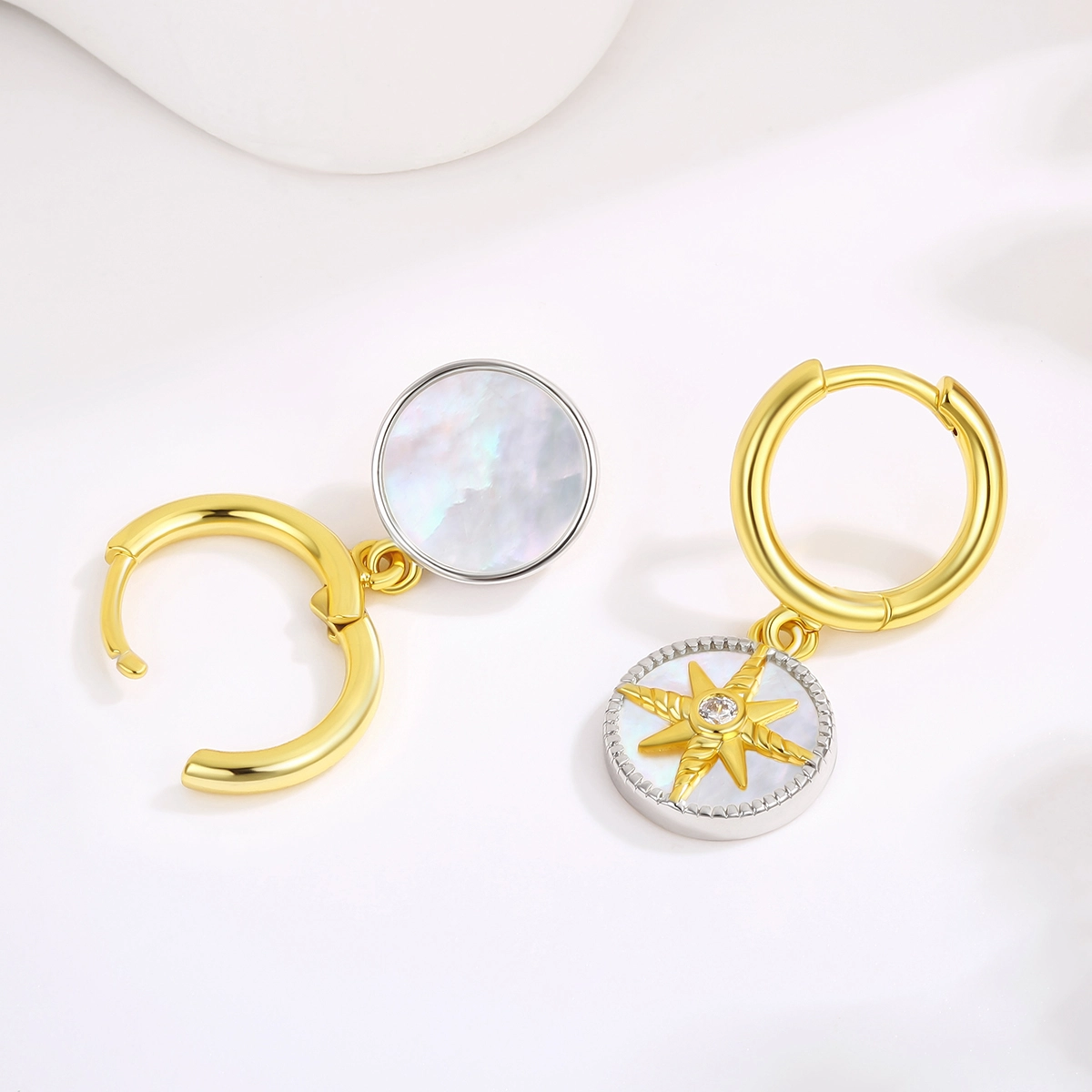
Brass Mother of Pearl Compass Huggie Drop Earrings - 14k/18k Gold Plated Hypoallergenic Jewelry
Packaging and Branding Solutions for Tennis Jewellery
Negotiation Tactics with Mother of Pearl Manufacturers
Packaging and Presentation Ideas to Sell More 925 Sterling Silver Tennis Bracelet
Product Categories
You may also like

925 Silver Jewelry
Customizable High-Quality Fashion 925 Sterling Silver AAA Cubic Zirconia Heart-Shaped Open Tennis Bracelet.
Read More

Brass Jewelry
Customizable OEM ODM High-Quality Fashion Brass AAA Cubic Zirconia Classic Tennis Bracelet for Women Wholesale.
Read More
Get a Quote for Private Label Jewelry
We provide personalized jewelry customization services for clients worldwide.
Rest assured that your privacy is important to us, and all information provided will be handled with the utmost confidentiality.
By clicking 'Send Inquiry Now' I agree to ZHEFAN JEWELRY processing my personal data.
To see how to withdraw your consent, how to control your personal data and how we process it, please see our Privacy Policy and Terms of use.
From design to production, ZHEFAN JEWELRY offers a one-stop solution to help you enhance your brand value and market competitiveness.
Get A Quote
Contact
Tel: (+86) 188 1927 7817
© 2026 Zhefan Jewelry. All Rights Reserved.
Facebook
Instagram
YouTube
Whatsapp: +8618819277817