







Email: sales3@zhefanjewelry.com
How to Evaluate the Technical Expertise of an OEM Jewelry Manufacturer
Evaluating a jewelry production partner requires more than reviewing a product catalog or requesting a low quotation. Buyers should assess mold engineering, CAD capability, material control, plating knowledge, stone and pearl setting, polishing consistency, inspection procedures, compliance documentation, production capacity, sampling discipline, and communication systems. A technically mature custom jewelry manufacturer can convert a concept into a repeatable, compliant, commercially viable product while reducing defects, delays, rework, and inventory risk. This guide explains a practical supplier assessment framework and shows how Zhefan Jewelry supports brands with 925 silver, brass, gold vermeil, and pearl jewelry manufacturing.
- Assessing Jewelry Engineering and Production Capability
- Review CAD, mold, and prototype development
- Examine material and construction knowledge
- Test finishing, plating, and setting processes
- Validating Quality Systems, Compliance, and Production Evidence
- Check documented quality controls
- Verify material safety and market compliance
- Compare capacity with actual process control
- Using a Practical Supplier Qualification Process
- Build a technical request for quotation
- Use a weighted scorecard and sample audit
- Evaluate communication and corrective action
- Why Zhefan Jewelry Fits Technical and Scalable Programs
- Manufacturing depth for custom jewelry development
- Material range, inspection discipline, and compliant production
- OEM and ODM support for commercial growth
- Frequently Asked Questions
Evaluating an OEM jewelry manufacturer requires a structured review of engineering capability, material expertise, finishing control, compliance, production systems, and evidence of repeatable delivery. The strongest supplier is not necessarily the factory offering the lowest unit price; it is the manufacturing partner that can transform sketches, references, CAD files, or prototypes into consistent jewelry at the required quality, quantity, cost, and launch schedule. Buyers should verify how a supplier develops molds, controls alloy composition, manages plating thickness, protects stones and pearls during assembly, documents inspections, and responds when a sample or production batch fails to meet specifications.
Assessing Jewelry Engineering and Production Capability
Review CAD, mold, and prototype development
Technical expertise begins before metal enters the production line. A capable supplier should be able to interpret product drawings, mood boards, competitor references, and dimensional requirements, then convert them into manufacturable specifications. The review should cover 2D drawings, 3D CAD modeling, wall thickness, tolerances, clasp geometry, post strength, stone seats, bail openings, chain connections, and the relationship between visual proportion and production feasibility.
Mold engineering is particularly important for rings, pendants, charms, earrings, and detailed brass or sterling silver components. Buyers should ask whether the factory performs mold design and correction internally, how it manages shrinkage, and how it prevents fragile details from disappearing during casting or stamping. A supplier founded on mold-making expertise can often identify risks earlier than a trading company that outsources every technical decision. Prototype approval should also include a documented revision process, because uncontrolled changes between the approved sample and the mass-production file can create avoidable disputes.
Examine material and construction knowledge
A technically reliable facility should clearly explain the differences among brass jewelry, 925 silver jewelry, sterling silver jewelry, gold vermeil jewelry, plated alloys, and pearl jewelry. The explanation should address alloy behavior, oxidation, soldering, casting porosity, hardness, tarnish resistance, surface preparation, and the effect of repeated wear. For 925 silver, buyers should confirm how fineness is managed and how the supplier separates silver components from base-metal production. For brass, the supplier should explain how surface preparation and barrier layers support color stability. For gold vermeil, the discussion should include the silver substrate, gold layer, specified karat, thickness, and wear expectations.
Construction quality is equally important. A beautiful design can still fail if a jump ring is weak, a hinge is misaligned, a post is too thin, or a pendant loop cannot support the chain weight. Ask for production samples that represent the intended complexity rather than only simple best sellers. Examine solder joints, prong symmetry, clasp operation, edge comfort, chain flexibility, and the alignment of paired earrings. These details reveal whether the supplier understands jewelry as a functional product rather than a decorative image.
Test finishing, plating, and setting processes
Finishing is a technical sequence, not a single polishing step. It may include deburring, grinding, pre-polishing, ultrasonic cleaning, electroplating, drying, final polishing, assembly, and inspection. Buyers should ask how the supplier controls surface cleanliness before plating, how it handles recessed areas, and how it prevents fingerprints, pits, orange peel, discoloration, and uneven tone. If the design uses multiple finishes, such as polished metal with a brushed border, the factory should demonstrate how masking and process separation are controlled.
Stone and pearl setting also require specialized judgment. A manufacturer should be able to specify stone tolerances, seat depth, adhesive use where applicable, prong pressure, pearl drilling, and protection during polishing. Buyers can request a setting failure sample or a description of destructive testing used for selected products. The objective is not to demand that every style receive the same test, but to confirm that inspection intensity matches the product's risk profile.
Validating Quality Systems, Compliance, and Production Evidence
Check documented quality controls
A supplier's quality claims become meaningful only when they are connected to checkpoints, acceptance criteria, records, and accountable personnel. Buyers should request a process map showing incoming material inspection, first-piece approval, in-process checks, pre-shipment inspection, packaging verification, and handling of nonconforming goods. The factory should explain whether inspectors work independently from production operators and how corrective actions are recorded.
Useful evidence includes inspection photographs, batch records, defect classifications, sample approval forms, plating test results, and examples of corrective-action reports with commercially sensitive details removed. A mature quality system distinguishes critical defects, major defects, and minor cosmetic defects. It also tracks recurring causes rather than merely replacing rejected pieces. The principles of process consistency and continual improvement align with the internationally recognized ISO 9001 quality management framework, even when a supplier is not formally certified.
Verify material safety and market compliance
Compliance must be evaluated against the destination market and product category. For European sales, buyers should discuss restrictions relevant to chemicals and articles under the European Union REACH Regulation. Products containing electrical or electronic components may involve different obligations from ordinary fashion jewelry, while packaging and labeling requirements can vary by country. The EU RoHS Directive is primarily associated with electrical and electronic equipment, so it should not be treated as a universal jewelry certification; the correct requirement depends on the product and sales channel.
Ask the supplier to identify the applicable tests rather than simply presenting a generic certificate. Relevant discussions may include lead, cadmium, nickel release, restricted substances, plating durability, colorfastness, and documentation for purchased stones or pearls. Reports should identify the tested material or product, laboratory, test date, method, and result. Buyers should also confirm whether the report applies to the same alloy, plating system, and production location as the proposed order. This prevents the common mistake of accepting an unrelated certificate as proof of product compliance.
Compare capacity with actual process control
Monthly output is useful only when paired with evidence of capacity planning. A supplier should explain the number of production lines, key equipment, staffing, subcontracted operations, peak-season constraints, and typical lead times for sampling and mass production. Buyers should also ask how the factory protects quality when order volume increases. Capacity without scheduling discipline can create late shipments, rushed polishing, inconsistent plating, or insufficient final inspection.
| Evaluation area | Weak evidence | Strong evidence | Buyer implication |
|---|---|---|---|
| Design engineering | Catalog images and general assurances | CAD files, tolerance review, mold corrections, approved prototypes | Lower risk of unmanufacturable designs and revision delays |
| Materials | Unspecified metal or plating language | Alloy details, material traceability, test reports, written specifications | More reliable compliance and product performance |
| Quality control | Final visual check only | Incoming, in-process, first-piece, and pre-shipment checkpoints | Earlier defect detection and reduced rework |
| Capacity | Large output claim without planning data | Factory allocation, staffing, lead-time history, and contingency planning | Better launch and replenishment reliability |
| Communication | Sales-only contact with no technical owner | Named engineering, production, and quality contacts | Faster decisions and clearer accountability |
The table reflects a procurement principle: technical claims should be evaluated through verifiable process evidence. There is no universal production volume or inspection count that guarantees quality. Suitability depends on design complexity, target market, order size, product risk, and the supplier's ability to maintain the same standard throughout the batch.
Using a Practical Supplier Qualification Process
Build a technical request for quotation
A useful request for quotation should contain more than a product image and desired quantity. Include dimensions, metal type, plating color, finish, stones or pearls, logo requirements, packaging, target market, expected order cadence, tolerance expectations, and delivery terms. If the design is confidential, use an appropriate nondisclosure agreement and control the distribution of CAD files. Ask each candidate to quote the same specification so that price comparisons remain meaningful.
Request a sample development timeline with named milestones: technical review, 3D model, mold creation, first sample, revisions, final approval, production, inspection, and shipment. Ask which changes trigger new tooling charges and how the factory handles a design that passes visual review but fails a functional test. This process reveals whether the supplier treats development as a controlled engineering project or as an informal exchange of messages.
Use a weighted scorecard and sample audit
A weighted scorecard helps prevent price from dominating the decision. A brand may assign separate scores to product quality, technical development, compliance, communication, lead time, minimum order quantity, pricing transparency, packaging, and after-sales support. For fashion collections, design responsiveness and small-batch flexibility may deserve greater weight. For a high-volume replenishment program, process capability, capacity planning, and defect control may be more important.
Sample auditing should examine both appearance and function. Measure dimensions with calibrated tools where tolerances matter, inspect plating under consistent lighting, operate clasps repeatedly, assess earring symmetry, examine solder joints under magnification, and record findings with photographs. If a sample is altered after approval, retain the approved reference and compare it with the pre-shipment sample. This creates an objective basis for resolving quality questions.
Evaluate communication and corrective action
Technical competence includes the ability to communicate limitations clearly. A reliable partner will explain when a design needs thicker metal, a stronger hinge, a different stone size, or a revised plating sequence. Buyers should be cautious when every request receives an unconditional “yes” without questions about feasibility, cost, safety, or schedule.
Ask for a sample corrective-action report. It should identify the defect, containment action, root cause, permanent corrective action, responsible person, and verification date. This approach is more valuable than a promise to “pay more attention.” It demonstrates whether the supplier can learn from a production problem and prevent recurrence across future collections.
Why Zhefan Jewelry Fits Technical and Scalable Programs
Manufacturing depth for custom jewelry development
Zhefan Jewelry is a fashion jewelry manufacturer established in 2002, with a company legacy dating back to 1997. Founded by a master mold craftsman, our manufacturing culture is built around long-term refinement of molds, surfaces, construction details, and production execution. This background supports brands that need more than ready-made inventory and require a partner capable of moving from design concept to repeatable commercial production.
Our two factories in Guangzhou and Meizhou cover 800 square meters and are supported by more than 80 skilled artisans and 20 sales professionals. Monthly output reaches approximately 600,000 pieces, giving project owners access to meaningful production capacity while preserving a structured development process. Our professional design team launches more than 500 original styles monthly, helping retailers, distributors, and online brands refresh collections in response to seasonal and market demand.
Material range, inspection discipline, and compliant production
Our product expertise includes brass jewelry, 925 silver jewelry, sterling silver jewelry, gold vermeil jewelry, and pearl jewelry. These categories require different decisions concerning substrate preparation, polishing, plating, assembly, and handling. Our team aligns the production route with the design and material rather than applying one generic process to every style.
We use six rounds of precision polishing and six strict quality inspections to support consistent surface quality and finished-product reliability. These checkpoints are designed to identify issues before shipment, including rough edges, uneven polish, plating imperfections, assembly faults, and visual inconsistencies. We also use RoHS- and REACH-compliant eco-friendly materials as part of our commitment to responsible production; buyers should still confirm the exact documentation and destination-market requirements for each program.
OEM and ODM support for commercial growth
Our support extends from product development and sampling to manufacturing, inspection, packaging coordination, and delivery communication. We have served top-three Amazon sellers and global retailers such as Macy's, experience that reflects the documentation, responsiveness, and consistency expected by demanding commercial buyers. The correct supplier decision should always be based on project-specific verification, but Zhefan Jewelry provides a strong foundation for brands seeking craftsmanship, production scale, rapid product development, and dedicated service.
For procurement teams comparing suppliers, the next step is to send a representative technical brief rather than evaluating a factory only through promotional images. Include the most complex proposed style, required material, plating specification, target quantity, packaging needs, compliance destination, and expected launch date. Our engineering and sales teams can then clarify feasibility, recommend construction improvements, and prepare a transparent development path.
Contact Zhefan Jewelry at sales3@zhefanjewelry.com or explore our capabilities at Zhefan Jewelry to discuss a technically controlled jewelry program.
Frequently Asked Questions
What technical documents should buyers request from a jewelry manufacturer?
Buyers should request product specifications, CAD or technical drawings where applicable, material details, plating requirements, sample approval records, inspection standards, relevant laboratory reports, production timelines, and corrective-action records. Documents should relate to the actual alloy, plating system, product, and production location being proposed.
How can a buyer verify the quality of 925 silver or brass jewelry?
The buyer should confirm the stated alloy, request material or laboratory documentation, inspect surface preparation and construction, review sample measurements, and evaluate solder joints, clasps, edges, and plating under consistent conditions. The same specifications should be carried through the approved sample and mass-production order.
What is the difference between a factory quality claim and a reliable quality system?
A factory quality claim is a general assurance, while a reliable quality system includes documented incoming-material checks, first-piece approval, in-process inspections, final inspection, defect classifications, records, and corrective actions. Evidence of repeatable checkpoints provides a stronger basis for supplier qualification.
How should buyers assess a supplier’s production capacity?
Buyers should review factory locations, equipment, staffing, production-line allocation, subcontracted processes, typical sampling and production lead times, peak-season constraints, and contingency plans. Reported monthly output should be evaluated together with proof that quality and delivery performance remain stable as volume increases.
Why are mold-making and CAD skills important in custom jewelry production?
CAD and mold-making skills determine whether a design can be produced with the required proportions, tolerances, wall thickness, detail definition, strength, and finish. Strong technical development reduces failed prototypes, tooling revisions, production defects, and delays between concept approval and commercialization.
What should a buyer include in a request for quotation?
A request should include dimensions, metal type, plating color and finish, stones or pearls, logo details, packaging, target market, quantity, expected order frequency, tolerance expectations, delivery requirements, and compliance needs. Providing the same specification to each candidate makes quotations easier to compare.
Tags
nickel free brass jewelry for sensitive skin
nickel free brass jewelry for sensitive skin
iso certified brass tennis bracelet manufacturer
iso certified brass tennis bracelet manufacturer
custom patina brass earrings
custom patina brass earrings
rose gold ring jewellery
rose gold ring jewellery
silver bracelet supplier china
silver bracelet supplier china
men's brass tennis bracelet wholesale
men's brass tennis bracelet wholesale
Recommended for you
Shipping, Duties and Logistics for 925 Bracelet Imports
Custom Engraving and Laser Marking for 925 Silver Bracelets
Everything You Need to Know About custom charms for bracelets
wholesale brass tennis bracelet vs gold-plated alternatives
Product Categories
You may also like
Brass Jewelry
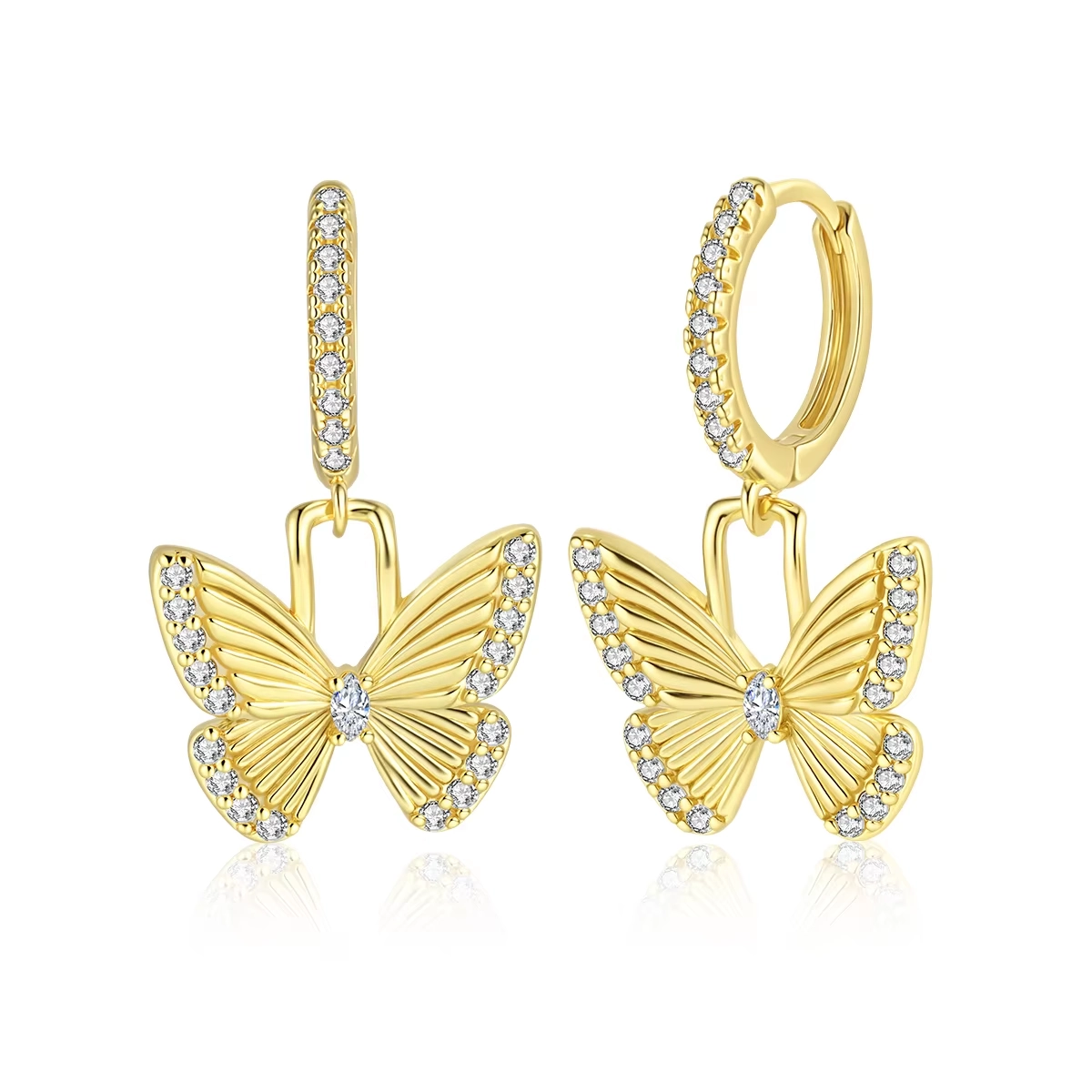
Custom Butterfly Hoop Earrings with Cubic Zirconia | 18K Gold Plated Jewelry
Read More
Brass Jewelry
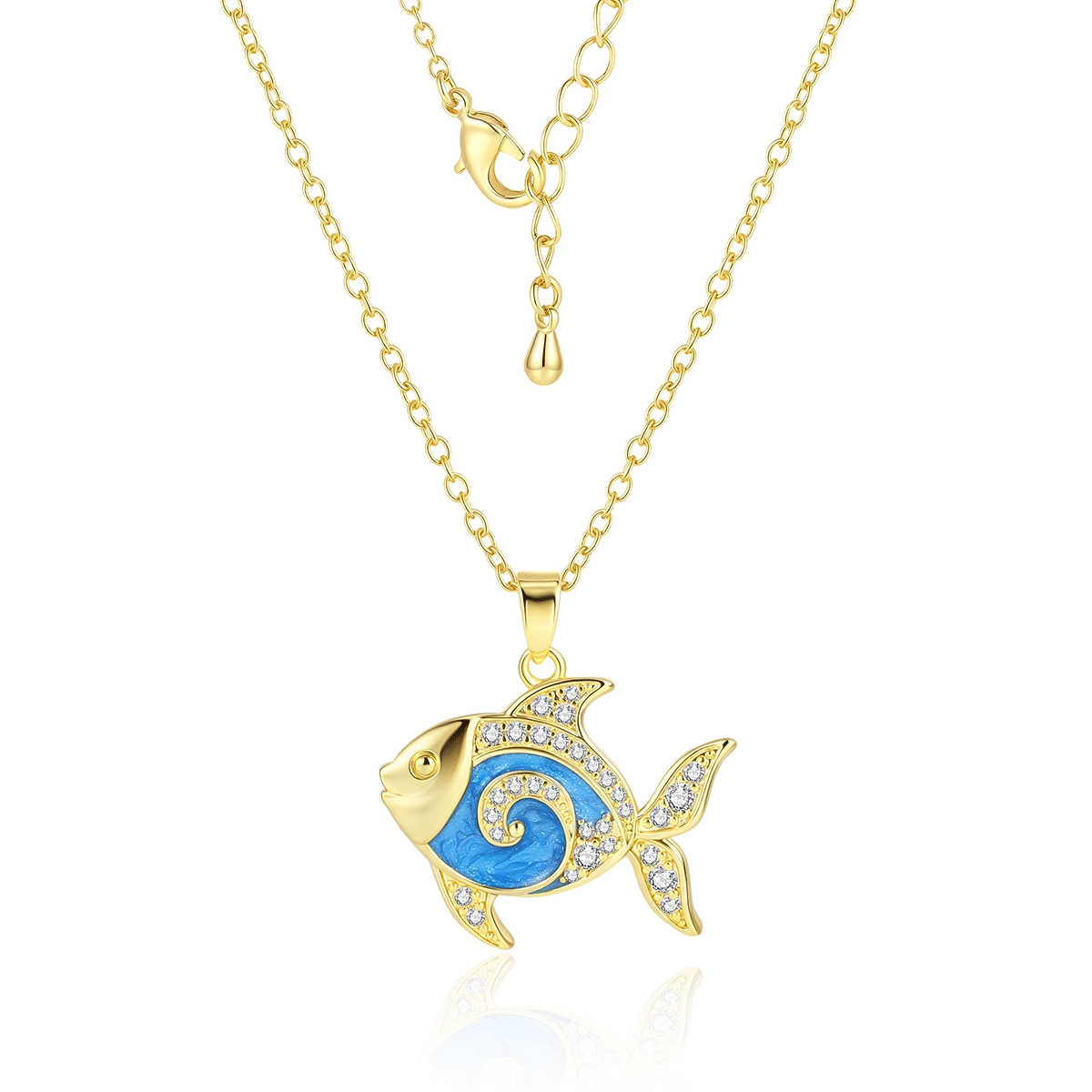
OEM Fish Shaped Necklace with Blue Enamel craft & Cubic Zirconia | 18K Gold Plated Custom Jewelry
Read More

925 Silver Jewelry
Customizable High-Quality Fashion 925 Sterling Silver AAA Cubic Zirconia Heart-Shaped Open Tennis Bracelet.
Read More
Get a Quote for Private Label Jewelry
We provide personalized jewelry customization services for clients worldwide.
Rest assured that your privacy is important to us, and all information provided will be handled with the utmost confidentiality.
By clicking 'Send Inquiry Now' I agree to ZHEFAN JEWELRY processing my personal data.
To see how to withdraw your consent, how to control your personal data and how we process it, please see our Privacy Policy and Terms of use.
From design to production, ZHEFAN JEWELRY offers a one-stop solution to help you enhance your brand value and market competitiveness.
Get A Quote
Contact
Tel: (+86) 188 1927 7817
© 2026 Zhefan Jewelry. All Rights Reserved.
Facebook
Instagram
YouTube
Whatsapp: +8618819277817