







Email: sales3@zhefanjewelry.com
Freshwater, Akoya, Tahitian, and South Sea Pearls: Which Type Should You Choose?
A practical buying guide to freshwater, Akoya, Tahitian, and South Sea pearls for jewelry brands, retailers, and product developers. Compare their origins, appearance, quality factors, sourcing considerations, and best-fit applications, then use a structured evaluation process to select pearls and jewelry settings that suit your market and budget.
- How the Four Major Pearl Types Compare for Jewelry Programs
- Freshwater pearls: flexibility in shape, color, and price point
- Akoya pearls: a refined look for classic and matched designs
- Tahitian and South Sea pearls: distinctive color or elevated scale
- A Practical Procurement Framework for Pearl Selection
- Translate the customer brief into measurable specifications
- Assess samples, grading language, and quality-control checkpoints
- Model total cost and supply risk, not just unit price
- Turning Pearl Selection into a Cohesive Jewelry Collection
- Match metal and construction to the pearl and use case
- Coordinate supplier capabilities with the product brief
- Frequently Asked Questions
Freshwater, Akoya, Tahitian, and South Sea pearls differ in mollusk origin, typical appearance, supply profile, and price positioning, so the right choice depends on a product’s target customer, design, and commercial requirements. Freshwater pearls offer broad shape and color options; Akoya pearls are valued for a classic round profile and bright luster; Tahitian pearls are known for naturally dark body colors and overtones; and South Sea pearls are associated with larger sizes and white, silver, or golden hues. For jewelry brands and retail buyers, a sound selection process compares nacre quality, surface condition, matching consistency, documentation, setting compatibility, and total landed cost—not just pearl type or size.
How the Four Major Pearl Types Compare for Jewelry Programs
Names such as “Akoya” and “Tahitian” identify cultured pearl categories associated with particular saltwater pearl oysters, while freshwater pearls are cultivated in freshwater mussels. South Sea pearls are also saltwater cultured pearls, generally associated with the silver-lipped or gold-lipped pearl oyster. These categories guide initial product planning, but they do not guarantee a particular grade, appearance, or price. Each lot must be assessed on its own characteristics and supported by accurate product descriptions.
Freshwater pearls: flexibility in shape, color, and price point
Freshwater pearls are cultivated in freshwater mussels, commonly in China, and are available in a wide range of shapes, sizes, and colors. Round and near-round examples can suit classic designs, while oval, button, baroque, and other irregular forms can support more expressive collections. Their broad range gives product developers room to build entry-level, fashion, and differentiated capsule lines, but visible variation between pearls makes sorting and matching important.
For a production order, buyers should specify acceptable shape, minimum luster, surface tolerance, color family, size range, and matching standard rather than relying on a generic description such as “white freshwater.” If a design uses matched pairs or graduated strands, request representative samples and confirm how the supplier will handle replacements for out-of-tolerance pieces. Freshwater pearls can be a practical choice when design flexibility and price accessibility matter, provided that grading and assortment expectations are documented before production.
Akoya pearls: a refined look for classic and matched designs
Akoya pearls are cultured in saltwater oysters and are commonly selected for their round shapes, white or cream body colors, and bright, sharp-looking luster. Pink, silver, or greenish overtones may also appear. Their familiar visual language suits stud earrings, necklaces, bridal jewelry, and coordinated sets, where symmetry and a polished appearance are central to the design brief.
Because buyers often expect a high degree of roundness and matching from Akoya jewelry, procurement should define tolerances for shape, blemishes, luster, color, and drill-hole placement. A small difference in overtone or surface appearance can be conspicuous in a pair of earrings or a close-matched strand. Confirm whether pricing refers to loose pearls, matched pairs, or a finished jewelry component, and assess samples under consistent lighting before approving a production lot.
Tahitian and South Sea pearls: distinctive color or elevated scale
Tahitian pearls are cultured in the black-lipped pearl oyster, Pinctada margaritifera, and are widely recognized for dark body colors. Their appearance can include gray, green, peacock, or other overtones; “black” does not describe every pearl in this category. They work well in statement jewelry and collections that need a strong color identity. Buyers should assess whether color descriptions refer to the body color, overtone, or an informal trade term, then approve a physical sample to reduce interpretation gaps.
South Sea pearls are cultured in the Pinctada maxima oyster and are commonly associated with white, silver, and golden colors. They are often selected for substantial, elegant designs and High Quality positioning. Larger size alone does not establish higher quality: luster, surface condition, shape, nacre, and overall harmony remain relevant. For both categories, limited availability of closely matched pearls can affect lead time, yield, and cost, so designs should account for realistic sorting requirements rather than assume every pearl can be replicated exactly.
The Gemological Institute of America explains pearl origins and characteristics in its pearl education resources and discusses assessment factors such as size, shape, color, luster, surface, and nacre in its pearl quality factor guide. The comparison below is a category-level guide, not a grade certificate or a promise that every pearl in a type shares the same traits.
| Pearl type | Origin | Common visual direction | Typical product fit | Key buying consideration |
|---|---|---|---|---|
| Freshwater | Freshwater mussels | Broad range of shapes and colors | Fashion, everyday, and design-led assortments | Define matching and variation tolerances for each lot |
| Akoya | Saltwater pearl oyster | Often round, with bright luster and light body colors | Classic studs, strands, bridal, and coordinated sets | Check pair or strand matching under consistent lighting |
| Tahitian | Pinctada margaritifera, a saltwater oyster | Dark body colors with varied overtones | Statement pieces and color-focused collections | Agree on color terminology and approve actual samples |
| South Sea | Pinctada maxima, a saltwater oyster | White, silver, and golden color families | High Quality and larger-scale designs | Plan for matching availability, yield, and lead time |
A Practical Procurement Framework for Pearl Selection
Choosing a category is only the first decision. A buyer also needs a clear product specification, a quality-control process, and a realistic plan for how natural variation will be presented to customers. The GIA pearl description resource provides useful terminology for describing pearl characteristics, while the U.S. Federal Trade Commission Jewelry Guides address truthful descriptions and representations in jewelry marketing. Requirements can vary by market, so businesses should review the rules applicable to their sales territories.
Translate the customer brief into measurable specifications
Start with the role of the piece in the assortment. A high-volume stud program may prioritize dependable matching and repeatable dimensions; a one-of-a-kind pendant may accept more variation in exchange for a distinctive baroque shape or unusual color. Record the target retail tier, intended wearer, design language, and expected reorder pattern, then translate those goals into measurable requirements for pearl type, size range, shape, color, luster, surface, drilling, and matching.
Specifications should distinguish mandatory criteria from preferences. For example, a minimum size and an agreed color family may be mandatory, while a particular overtone may be preferred. This distinction helps a supplier propose suitable alternatives if a requested combination is scarce. It also gives the buying team a consistent basis for reviewing quotations instead of comparing offers that use different assumptions about grade, matching, or included services.
Assess samples, grading language, and quality-control checkpoints
Terms such as “AAA,” “High Quality,” and “top grade” are not universally interchangeable across suppliers. Ask the vendor to define the grading system used and provide a representative sample or clearly documented reference images. Examine pearls under neutral, consistent lighting and consider how they will appear in the actual setting. For earrings and matched pairs, inspect both pieces together; for strands, assess the full sequence rather than an isolated pearl.
Agree on inspection timing and acceptance criteria before a purchase order is issued. Incoming checks can cover type disclosure, count, dimensions, surface condition, color consistency, drill quality, and workmanship at the setting. For repeat programs, retain an approved sample or specification record so future lots can be compared against the original standard. These controls reduce disputes and make it easier to distinguish a genuine quality issue from normal variation within a natural material.
Model total cost and supply risk, not just unit price
Quoted price is only one part of the commercial decision. Matching losses, sorting labor, rejected units, rework, packaging, duties, shipping, and replacement availability can change the landed cost of a collection. A category with a lower initial pearl cost may require more selection work for a tightly matched design, while a High Quality pearl may increase the selling price but also increase inventory exposure. Evaluate cost per saleable finished piece and the likely reorder yield where those figures are available.
Natural pearl supply and appearance can vary, so a supplier should be transparent about stock status, expected production timing, substitution policies, and the level of consistency that can be maintained across repeat orders. Buyers developing seasonal launches should build in sample approval and production buffers. If a particular size-color combination is central to a design, confirm its availability before finalizing marketing photography, launch quantities, and delivery commitments.
Turning Pearl Selection into a Cohesive Jewelry Collection
Once pearl type and specifications are set, the setting, metal, construction, and commercial presentation determine how successfully the material performs in a finished collection. This is where collaboration between the sourcing team, designer, and manufacturing partner matters. A reliable production plan aligns pearl selection with metal color, attachment method, wear expectations, packaging, and the brand’s intended price architecture.
Match metal and construction to the pearl and use case
Metal choice changes the overall appearance of a pearl and can help a collection serve different customer segments. Brass jewelry can support fashion-led designs and accessible price positioning, while 925 silver jewelry and sterling silver jewelry suit a range of classic and contemporary pieces. Gold vermeil jewelry can provide a gold-colored finish over a sterling silver base for designs seeking a more elevated presentation. The appropriate option depends on design, local labeling requirements, expected wear, and target retail price.
Construction details should be reviewed alongside appearance. Buyers can confirm post and clasp materials, attachment security, setting dimensions, finish consistency, and whether the pearl is drilled or attached with another method. For pieces intended for frequent wear, the design should account for the pearl’s exposed surfaces and the possibility of impact or abrasion. Care instructions should be accurate and understandable; for example, pearls should be protected from rough handling and unsuitable chemicals, with care recommendations tailored to the finished item.
Coordinate supplier capabilities with the product brief
When evaluating a pearl jewelry manufacturer, assess more than its ability to source a named pearl type. Buyers should ask how samples are approved, how pearl lots are sorted, how component specifications are recorded, and how production issues are communicated. A partner should be able to explain which requirements are controllable, which depend on available natural material, and what trade-offs affect cost or timing. Clear answers support more reliable forecasting and reduce the risk of a finished piece differing from the approved design.
Our product categories include pearl jewelry alongside brass jewelry, 925 silver jewelry, sterling silver jewelry, and gold vermeil jewelry. This range gives buyers a basis for discussing how pearl selection can work across different metal and price-positioning directions. Because project requirements differ, specifications, available options, and production details should be confirmed for each inquiry rather than assumed from a category name. Our approach is to align the requested design, material brief, sample approval, and quality expectations before production planning proceeds.
For a new launch, a practical sequence is to select the pearl category based on the customer and design, set written tolerances, review representative samples, confirm the setting and metal, then validate timing and costs against the final approved specification. This process supports clearer communication between product development, procurement, and manufacturing teams. It also helps preserve the visual intent of the collection while making quality and commercial decisions traceable.
For tailored pearl and metal options, contact our team to discuss your product brief or explore our jewelry collections.
Frequently Asked Questions
What is the main difference between freshwater and Akoya pearls?
Freshwater pearls are cultivated in freshwater mussels and come in a broad range of shapes and colors. Akoya pearls are saltwater cultured pearls commonly selected for round shapes, bright luster, and light body colors. The right option depends on design, matching requirements, and price positioning.
Are Tahitian pearls always black?
No. Tahitian pearls are associated with dark body colors, but they can show varied colors and overtones, including gray and green. Buyers should clarify whether a color description refers to body color, overtone, or an informal trade term and approve a physical sample.
Are South Sea pearls better than Akoya pearls?
Neither category is automatically better for every project. South Sea pearls are commonly associated with white, silver, and golden colors and larger-scale designs, while Akoya pearls are often chosen for classic round styles and matched jewelry. Quality depends on individual characteristics such as luster, surface, shape, and matching.
Which pearl type is best for a matched earring or necklace program?
Akoya pearls are often suited to classic matched earrings and strands, but the best choice depends on the design and budget. Freshwater pearls can also work when matching standards are clearly specified. Buyers should assess actual pairs or full strands under consistent lighting before approval.
What should buyers include in a pearl jewelry purchase specification?
Specify pearl type, size range, shape, color family, luster, surface tolerance, drilling, matching requirements, sample approval, and acceptance criteria. Also clarify the grading language, replacement policy, lead time, and whether the quotation covers loose pearls or finished jewelry.
How can buyers compare pearl suppliers fairly?
Compare suppliers using equivalent specifications and representative samples, not generic grade labels alone. Review how each supplier sorts pearls, documents approvals, controls production, communicates availability, and handles substitutions or quality issues. Consider landed cost, matching yield, and reorder consistency as well as unit price.
Tags
rose quartz stone earrings
rose quartz stone earrings
oem custom brass jewelry
oem custom brass jewelry
Mother of Pearl Stud Earrings
Mother of Pearl Stud Earrings
cubic zirconia brass jewelry manufacturer
cubic zirconia brass jewelry manufacturer
custom birthstone 925 silver earrings
custom birthstone 925 silver earrings
brass jewelry plating services
brass jewelry plating services
Recommended for you
Retailer Margins: Pricing Strategies for Nickel-Free Brass Jewelry
Scaling Orders: From Samples to Mass Tennis Production
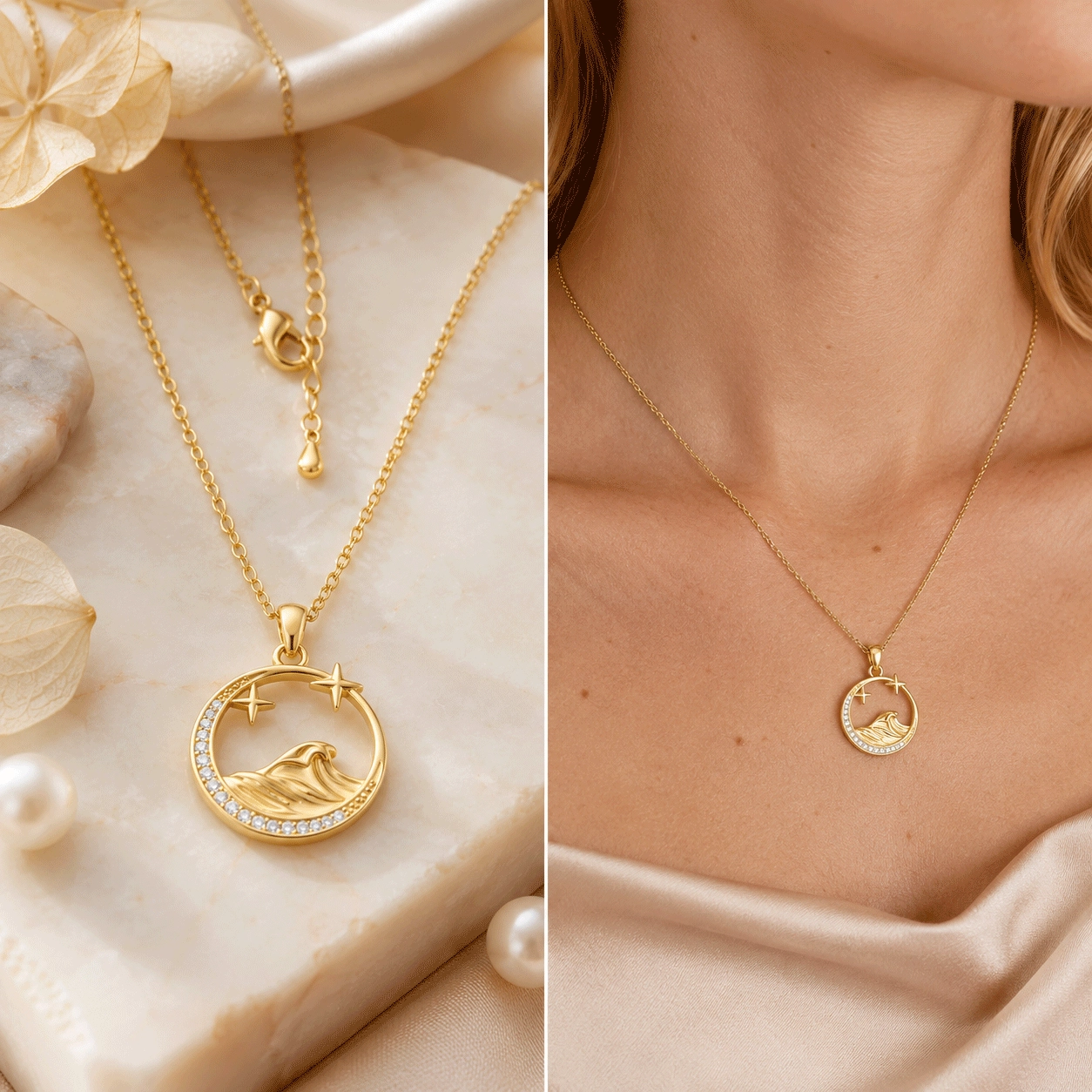
Geometric Wave Star Pendant Necklace — 18K Gold Plated Brass Fashion Jewelry by Zhefan
Shipping & Import Tips for custom brass jewelry Suppliers
Product Categories
You may also like

925 Silver Jewelry
Customizable High-Quality Fashion 925 Sterling Silver AAA Cubic Zirconia Heart-Shaped Open Tennis Bracelet.
Read More

Brass Jewelry
Customizable OEM ODM High-Quality Fashion Brass AAA Cubic Zirconia Classic Tennis Bracelet for Women Wholesale.
Read More
Get a Quote for Private Label Jewelry
We provide personalized jewelry customization services for clients worldwide.
Rest assured that your privacy is important to us, and all information provided will be handled with the utmost confidentiality.
By clicking 'Send Inquiry Now' I agree to ZHEFAN JEWELRY processing my personal data.
To see how to withdraw your consent, how to control your personal data and how we process it, please see our Privacy Policy and Terms of use.
From design to production, ZHEFAN JEWELRY offers a one-stop solution to help you enhance your brand value and market competitiveness.
Get A Quote
Contact
Tel: (+86) 188 1927 7817
© 2026 Zhefan Jewelry. All Rights Reserved.
Facebook
Instagram
YouTube
Whatsapp: +8618819277817