







Email: sales3@zhefanjewelry.com
Future-Proofing Your Jewelry Brand with a Forward-Thinking OEM Jewelry Manufacturer
Future-proofing a jewelry brand requires more than attractive designs or low unit costs. Brand owners need a manufacturing partner that combines trend-responsive product development, scalable production, traceable quality control, compliant materials, flexible customization, and dependable delivery. This guide explains how to evaluate a forward-thinking jewelry production partner, compare traditional and modern sourcing models, reduce operational risk, and build a resilient portfolio across brass jewelry, 925 silver jewelry, sterling silver jewelry, gold vermeil jewelry, and pearl jewelry.
- Building a Resilient Jewelry Supply Chain for Long-Term Growth
- Why supplier capability now affects brand value
- From low-price sourcing to total-cost management
- Technology, Design Intelligence, and Compliance in Modern Jewelry Production
- Using design systems to shorten the path from idea to collection
- Material compliance and documentation as market-entry tools
- How Buyers Should Qualify a Custom Jewelry Manufacturing Partner
- Audit the process, not only the showroom
- Define quality gates before the purchase order
- Why Zhefan Jewelry Supports Scalable, Future-Ready Brands
- Integrated capacity across materials and product categories
- Design velocity backed by disciplined finishing and inspection
- Frequently Asked Questions
Future-proofing a jewelry brand means building a supply chain that can respond to changing consumer preferences, tighter compliance expectations, fluctuating order volumes, and increasingly competitive retail channels. A capable oem jewelry manufacturer supports this objective through original design development, engineering-led sampling, consistent metallurgy, scalable production, documented inspections, and responsible material selection. For buyers, the right partner is not simply a factory that produces finished accessories; it is a strategic manufacturing resource that protects launch schedules, reinforces product quality, controls landed cost, and helps a brand expand across seasonal collections and international markets.
Building a Resilient Jewelry Supply Chain for Long-Term Growth
Why supplier capability now affects brand value
Jewelry customers increasingly judge a brand through the complete product experience: design originality, plating durability, comfort, packaging, delivery reliability, and the credibility of material claims. A supplier that cannot maintain consistent dimensions, color matching, stone placement, or surface finishing can create returns and negative reviews even when the original concept is commercially strong. Procurement teams should therefore evaluate manufacturing capability as a direct contributor to customer lifetime value rather than treating production as a purely transactional cost.
A resilient sourcing structure should include clear specifications for base metal, alloy composition, plating thickness, color standard, stone or pearl grade, clasp performance, allowable tolerance, packaging, and inspection requirements. These details create a common technical language between the brand, product developer, quality team, and production facility. They also reduce the risk of a sample being attractive while the bulk order fails to reproduce the same appearance.
From low-price sourcing to total-cost management
Unit price is only one element of jewelry procurement economics. Rework, defective plating, late delivery, emergency freight, excess inventory, and missed promotional windows can quickly outweigh a small quotation difference. Buyers should calculate total cost of ownership across sampling, tooling, production, inspection, freight, replacement rates, and after-sales handling. A manufacturing partner with stable processes may offer greater commercial value even when the initial quotation is not the lowest.
Cost control also improves when the supplier can consolidate materials, coordinate multiple product categories, optimize mold usage, and plan production around realistic monthly capacity. For a growing brand, this flexibility is particularly important: small initial runs can validate demand, while larger replenishment orders can be released without changing the approved product standard.
Technology, Design Intelligence, and Compliance in Modern Jewelry Production
Using design systems to shorten the path from idea to collection
Forward-looking manufacturers combine trend research, computer-aided design, digital mold development, rapid sampling, and structured revision control. This workflow allows a project owner to test proportions, stone settings, logo placement, and wearing comfort before committing to a large production run. It also makes it easier to create coordinated collections instead of isolated products, such as matching earrings, necklaces, bracelets, rings, and pendants.
Design speed should not be confused with careless novelty. A commercially useful design process connects trend direction with manufacturability. The product developer must consider wall thickness, weight, clasp strength, plating access, polishing areas, solder points, stone security, and packaging protection. Designs that look impressive in a digital rendering may become expensive or unstable if these engineering factors are ignored.
Material compliance and documentation as market-entry tools
Material selection has become a practical market-access issue. Brands selling internationally should request documentation relevant to their destination markets and product claims. The European Chemicals Agency explains the obligations and restrictions associated with REACH, while the European Commission provides information on restricted substances and consumer-product safety within the EU framework. These resources help buyers understand why supplier declarations, test reports, and material traceability matter.
RoHS requirements are primarily associated with electrical and electronic equipment, so jewelry companies should avoid using the term as a substitute for every form of product compliance. A responsible supplier should clarify which standards apply to the product, market, packaging, and components. For skin-contact accessories, buyers should also assess nickel release, lead and cadmium restrictions, coating performance, and the accuracy of any recycled or precious-metal claim. The ISO 9001 quality management standard offers a useful reference for evaluating whether a supplier operates documented, repeatable processes, although certification status must always be verified directly with the facility.
| Procurement area | Traditional sourcing approach | Forward-thinking sourcing approach | Business effect |
|---|---|---|---|
| Design development | Buyer sends a basic image and waits for a manual sample | CAD-supported development with documented revisions and manufacturability review | Fewer sample cycles and clearer ownership of specifications |
| Quality control | Final inspection is treated as the primary control | Inspection points are integrated into material receiving, production, finishing, and packing | Earlier defect detection and lower rework exposure |
| Capacity planning | Orders are accepted without transparent production planning | Capacity, lead time, minimum order quantity, and replenishment scenarios are reviewed before launch | More reliable promotions and inventory decisions |
| Compliance | Documents are requested after a problem appears | Material declarations, test requirements, and market restrictions are defined during development | Lower regulatory and reputation risk |
| Collection strategy | Products are sourced as disconnected items | Coordinated collections are developed across materials, categories, and price points | Stronger merchandising and repeat-purchase potential |
How Buyers Should Qualify a Custom Jewelry Manufacturing Partner
Audit the process, not only the showroom
Product photographs and polished samples are useful but insufficient for supplier qualification. Buyers should request a factory profile, production-flow explanation, quality-control plan, equipment overview, material specifications, sample approval process, and references appropriate to the product category. Questions should address who owns the mold, how revisions are recorded, how plating lots are controlled, how nonconforming goods are isolated, and how corrective actions are documented.
Capacity claims should also be tested against evidence. A supplier may state a high monthly output, but effective capacity depends on labor allocation, finishing equipment, mold availability, inspection staffing, and the mix of product complexity. Buyers should compare stated output with realistic lead times for sampling, tooling, bulk production, and replenishment. A transparent factory will distinguish theoretical capacity from available capacity during the requested selling season.
Define quality gates before the purchase order
Quality expectations should be converted into measurable acceptance criteria. These can include dimensional tolerances, plating color, surface smoothness, solder integrity, stone security, clasp cycles, pearl matching, logo legibility, and packaging condition. A pre-production sample should become the approved reference standard, supported by photographs and written notes. For higher-risk programs, buyers may use an independent inspection company or a statistically based acceptance plan.
Inspection frequency matters because final sorting cannot fully recover a poor process. A dependable supplier should control incoming materials, mold and casting quality, polishing, plating, assembly, and final packing. This layered approach aligns with the general quality-management principle that prevention and process control are more effective than relying exclusively on end-of-line detection. For consumer safety background, buyers can consult the U.S. Consumer Product Safety Commission business guidance and destination-market requirements before finalizing specifications.
Why Zhefan Jewelry Supports Scalable, Future-Ready Brands
Integrated capacity across materials and product categories
At Zhefan Jewelry, our manufacturing foundation combines long-term craftsmanship with an operating structure designed for contemporary brand requirements. Guangzhou Zhefan Jewelry was established in 2002, with a legacy dating back to 1997. Founded by a master mold craftsman, our organization has built its manufacturing culture around continuous refinement of form, surface treatment, assembly, and finishing.
Our two factories in Guangzhou and Meizhou cover 800 square meters and are supported by more than 80 skilled artisans and 20 sales professionals. This structure supports a reported monthly output of up to 600,000 pieces, giving project owners a practical path from initial sampling to larger replenishment programs. Our product capabilities include brass jewelry, 925 silver jewelry, sterling silver jewelry, gold vermeil jewelry, and pearl jewelry, allowing brands to build tiered assortments for different retail positions and customer segments.
Design velocity backed by disciplined finishing and inspection
Our professional design team launches more than 500 original styles monthly, helping global partners respond to seasonal trends without depending exclusively on copied market references. The design pipeline can support new concepts, coordinated collections, private-label development, and ODM selection, while our manufacturing team evaluates the technical requirements behind each style.
Quality consistency is central to our value proposition. Unlike a basic trading operation that may outsource each stage without unified control, our process includes six rounds of precision polishing and six strict quality inspections. These controls are intended to protect surface clarity, edge definition, plating appearance, assembly integrity, and the final presentation received by the consumer. We also use RoHS/REACH-compliant eco-friendly materials according to the applicable product and market requirements, with buyers encouraged to confirm documentation for their specific program.
Our experience serving Amazon’s top three sellers and global retailers such as Macy’s demonstrates the importance of coordinating production quality with commercial expectations. We provide OEM and ODM solutions that can cover design selection, customization, sampling, bulk manufacturing, quality coordination, and delivery support. For brand owners, this integrated model reduces communication gaps and creates a more accountable route from product concept to market launch.
Choosing a forward-thinking supplier is ultimately a risk-management decision. The strongest partner combines creative responsiveness with engineering discipline, transparent capacity, documented quality gates, compliant material practices, and service continuity. Zhefan Jewelry applies these principles to help brands strengthen their market influence, improve launch confidence, and scale assortments without sacrificing craftsmanship or operational control.
Contact Zhefan Jewelry at sales3@zhefanjewelry.com or explore our capabilities at Zhefan Jewelry to discuss a future-ready custom jewelry manufacturing program.
Frequently Asked Questions
What should a jewelry brand look for in a manufacturing partner?
Buyers should evaluate original design capability, engineering support, documented quality controls, material compliance, transparent capacity, realistic lead times, and the supplier’s ability to support both initial runs and replenishment orders.
How can brands reduce the total cost of jewelry procurement?
Brands should assess total cost of ownership, including sampling, tooling, production, inspection, freight, defect rates, rework, emergency shipping, and missed promotional opportunities rather than comparing unit price alone.
Why are material compliance documents important for jewelry products?
Compliance documents help brands verify material claims, manage restrictions in destination markets, assess skin-contact risks, and reduce regulatory and reputation exposure. Requirements should be confirmed for the specific product and market.
How can buyers verify a supplier’s production capacity?
Buyers should compare stated monthly output with facility information, staffing, equipment, product complexity, available capacity during the selling season, and realistic sampling, tooling, production, and replenishment lead times.
What quality controls should be defined before placing a purchase order?
Acceptance criteria should cover dimensions, plating color and durability, surface smoothness, solder integrity, stone or pearl security, clasp performance, logo details, packaging, and the approved pre-production sample.
What products can Zhefan Jewelry manufacture?
Zhefan Jewelry manufactures brass jewelry, 925 silver jewelry, sterling silver jewelry, gold vermeil jewelry, and pearl jewelry, with OEM and ODM support for private-label and collection-based programs.
Tags
private label 925 silver bracelets
private label 925 silver bracelets
brass chunky hoops for women
brass chunky hoops for women
Gold vermeil mother of pearl necklace
Gold vermeil mother of pearl necklace
cz brass jewelry sustainable manufacturer
cz brass jewelry sustainable manufacturer
personalized 925 silver earrings
personalized 925 silver earrings
silver charm bracelet manufacturer
silver charm bracelet manufacturer
Recommended for you
Shipping, Export & Incoterms for Bracelet Manufacturers
How to Evaluate the Product Quality of a Private Label Jewelry Manufacturer
MOQ Guide for Custom Jewelry: What Buyers Need to Know
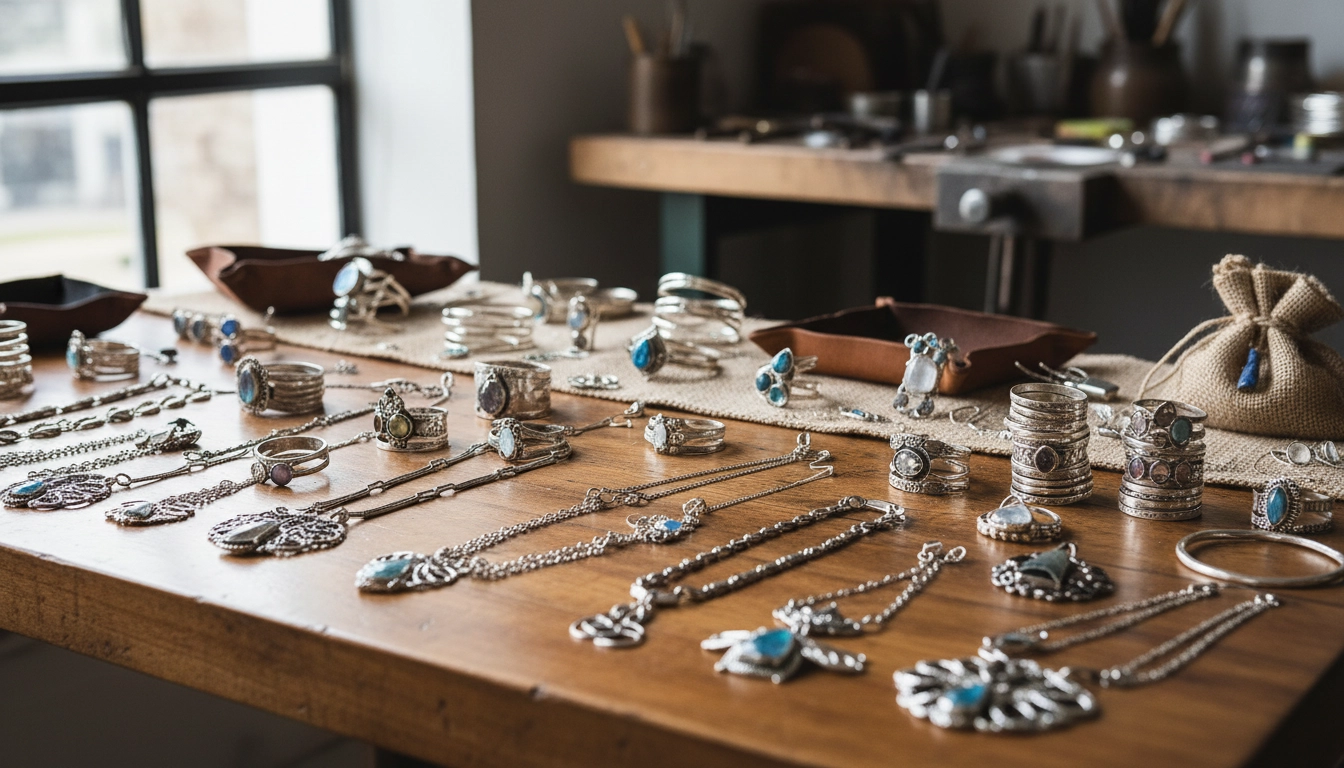
From Sourcing to Scaling: The Step-by-Step Blueprint for a Successful Handmade Silver Jewelry Business in 2026
Product Categories
You may also like
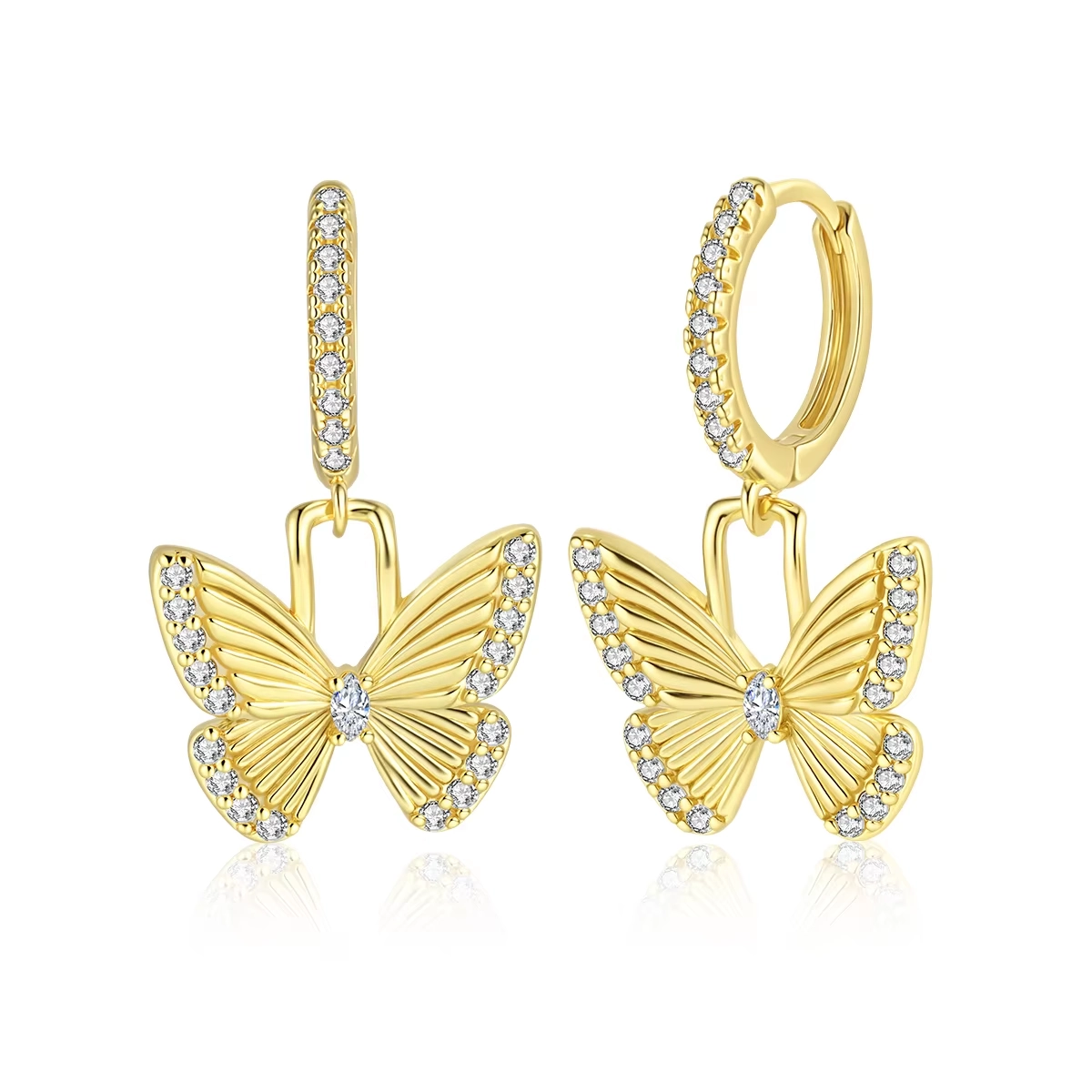
Brass Jewelry
Custom Butterfly Hoop Earrings with Cubic Zirconia | 18K Gold Plated Jewelry
Read More
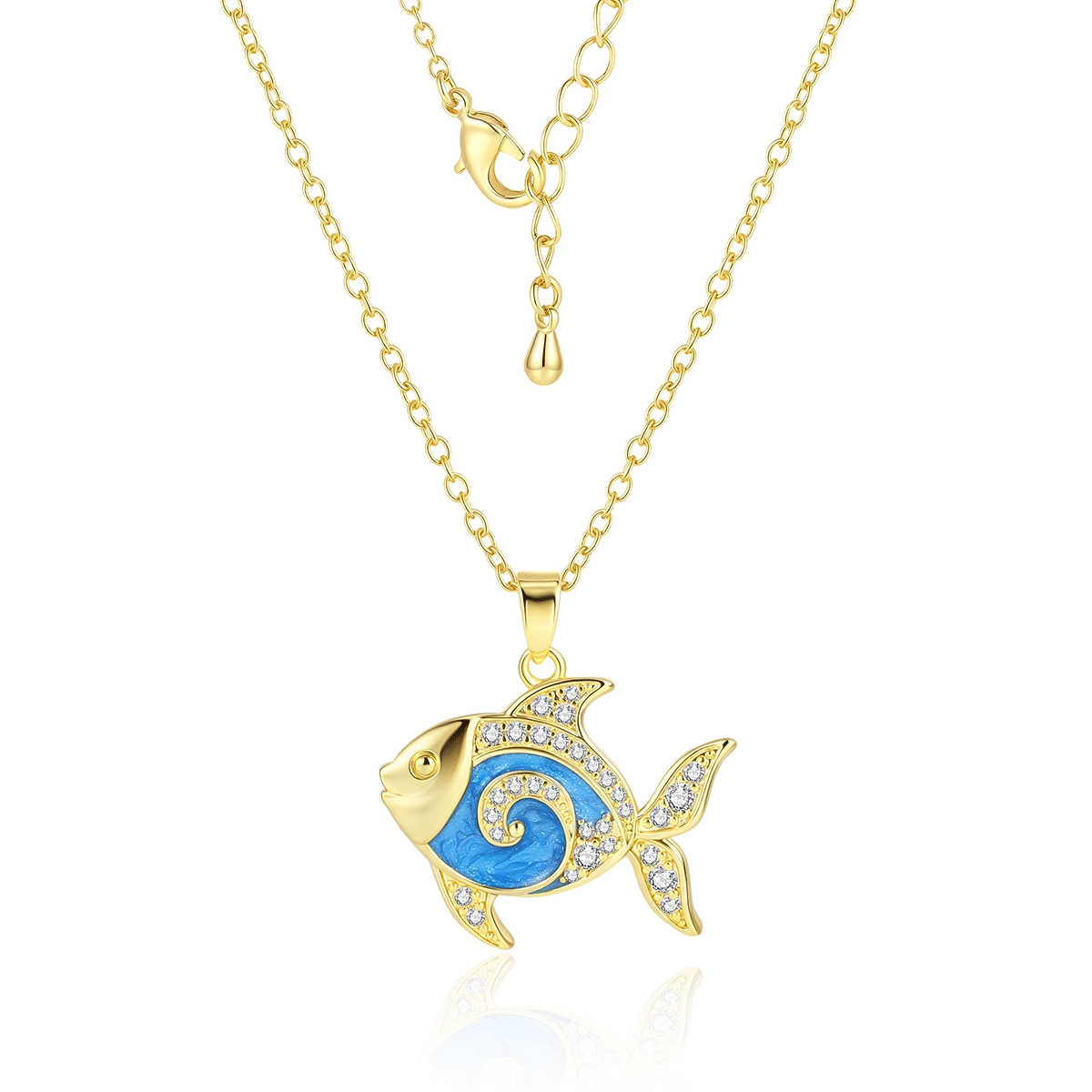
Brass Jewelry
OEM Fish Shaped Necklace with Blue Enamel craft & Cubic Zirconia | 18K Gold Plated Custom Jewelry
Read More

925 Silver Jewelry
Customizable High-Quality Fashion 925 Sterling Silver AAA Cubic Zirconia Heart-Shaped Open Tennis Bracelet.
Read More
Get a Quote for Private Label Jewelry
We provide personalized jewelry customization services for clients worldwide.
Rest assured that your privacy is important to us, and all information provided will be handled with the utmost confidentiality.
By clicking 'Send Inquiry Now' I agree to ZHEFAN JEWELRY processing my personal data.
To see how to withdraw your consent, how to control your personal data and how we process it, please see our Privacy Policy and Terms of use.
From design to production, ZHEFAN JEWELRY offers a one-stop solution to help you enhance your brand value and market competitiveness.
Get A Quote
Contact
Tel: (+86) 188 1927 7817
© 2026 Zhefan Jewelry. All Rights Reserved.
Facebook
Instagram
YouTube
Whatsapp: +8618819277817