







Email: sales3@zhefanjewelry.com
How Gold Vermeil Jewelry Manufacturers Create Custom Designs for Private Label Collections
Custom private label vermeil jewelry is developed through a controlled process that combines market research, concept development, CAD modeling, sterling silver engineering, surface preparation, gold plating, gemstone or pearl setting, quality inspection, and packaging coordination. Buyers should evaluate a supplier’s design capability, material traceability, plating specifications, prototype controls, production consistency, compliance documentation, and ability to scale related categories such as brass jewelry, 925 silver jewelry, sterling silver jewelry, gold vermeil jewelry, and pearl jewelry.
- How Private Label Vermeil Collections Move from Concept to Production
- Translating brand direction into a manufacturable design brief
- Design development, CAD modeling, and prototype control
- Material selection and the role of the sterling silver foundation
- Technical Processes That Determine Appearance and Durability
- Surface preparation before gold application
- Electroplating, thickness, and color management
- Setting pearls, stones, and decorative components
- Quality Assurance and Procurement Controls for Private Label Buyers
- What should be checked during sampling and bulk production
- Testing, documentation, and responsible claims
- Cost, minimum order quantity, and replenishment planning
- How a Manufacturing Partner Can Strengthen Collection Performance
- Integrated category development for a coherent assortment
- Engineering discipline from sample approval to repeat orders
- Commercial value beyond the finished product
- Frequently Asked Questions
Private label collections succeed when a jewelry production partner can convert a brand concept into commercially viable pieces with consistent dimensions, reliable materials, controlled gold coverage, and repeatable quality. A qualified gold vermeil jewelry manufacturer typically manages the process from trend interpretation and design engineering to sampling, surface preparation, electroplating, inspection, and bulk production. For buyers, the key procurement question is not simply whether a supplier can produce a gold-colored item; it is whether the supplier can create a differentiated collection that meets the intended price point, wear expectations, visual identity, regulatory requirements, and replenishment schedule. Gold vermeil generally refers to gold applied over sterling silver, but definitions and labeling requirements can vary by market. The U.S. Federal Trade Commission jewelry guidance provides an important reference for U.S. claims, while ISO 8654 addresses the designation of gold alloy colors and related terminology. A disciplined custom-development workflow therefore protects both product quality and brand credibility.
How Private Label Vermeil Collections Move from Concept to Production
Translating brand direction into a manufacturable design brief
The first stage is a structured design brief rather than an informal exchange of inspiration images. Brand owners should define the customer profile, target retail price, intended sales channel, seasonal launch date, preferred dimensions, color direction, acceptable weight, packaging requirements, and expected order volume. The brief should also state whether the collection is designed for occasional fashion wear, daily wear, gifting, bridal use, or High Quality direct-to-consumer positioning.
A capable custom jewelry supplier converts these commercial goals into technical parameters. Those parameters may include the sterling silver grade, base component thickness, chain gauge, clasp type, stone dimensions, post diameter, ring size range, plating color, surface finish, and tolerance limits. This translation is important because a visually attractive reference image may contain proportions that are too fragile, too expensive, or difficult to plate consistently. Early engineering decisions reduce later changes to tooling, molds, packaging, and product photography.
Design development, CAD modeling, and prototype control
Designers commonly begin with sketches, mood boards, hand samples, or digital references. The development team then creates CAD files that define wall thickness, prong geometry, hollow or solid construction, connector clearances, and component interfaces. CAD review should examine both appearance and production risk. For example, a narrow pendant bail may look elegant on screen but fail during assembly if the opening is too small for the selected chain. A sharp internal corner may also create polishing difficulty or concentrate stress during wear.
Prototype samples provide the first physical test of scale, balance, comfort, and visual proportion. Buyers should request a sample approval system that records the approved dimensions, plating tone, stone alignment, texture, logo placement, and packaging configuration. A signed or digitally confirmed golden sample becomes the reference for bulk production. This control is particularly important for private label programs, where the same item may be reordered months after the initial launch.
Material selection and the role of the sterling silver foundation
Vermeil construction depends on the quality and condition of the silver substrate. Sterling silver is commonly associated with a minimum fineness of 925 parts per thousand, although the legal definition and marking requirements should be verified for each destination market. The FTC Jewelry Guides explain U.S. expectations for jewelry descriptions and precious-metal claims. Suppliers should be able to identify the material used in the product, maintain consistent alloy sourcing, and explain how solder, findings, and non-silver components are handled.
Some private label programs combine vermeil with brass jewelry, stainless components, enamel, cubic zirconia, natural stones, or pearls. Those combinations require a clear bill of materials because different substrates may need different polishing, masking, activation, or plating steps. A buyer should not assume that every component in a vermeil-style product has identical precious-metal coverage. The product specification should identify which areas are sterling silver, which are plated, and which are made from alternative materials.
Technical Processes That Determine Appearance and Durability
Surface preparation before gold application
Gold plating quality is strongly influenced by preparation before the gold enters the plating bath. Manufacturing teams normally remove oils, polishing compounds, oxides, and other contaminants through cleaning and controlled surface treatment. The silver surface must be smooth enough to reflect light consistently, because plating does not hide deep scratches, pits, porosity, or uneven polishing. Instead, those defects may remain visible beneath the gold layer and become more apparent under bright retail lighting.
Critical areas include chain links, pendant edges, earring posts, prongs, textured recesses, and solder joints. Excessive polishing can soften engraving or reduce edge definition, while insufficient polishing can create a cloudy finish. Good process control uses defined preparation standards for high-polish, satin, hammered, brushed, oxidized, and antique effects. Masking may be required where a design combines exposed silver, selective gold, enamel, or contrasting finishes.
Electroplating, thickness, and color management
Electroplating applies gold ions to the prepared surface through an electrical process. The final result depends on bath chemistry, electrical parameters, immersion time, part orientation, rack design, agitation, and the condition of the substrate. Gold color can range from pale champagne to richer yellow tones depending on alloy composition and process settings. A brand should approve a physical color standard rather than rely only on a screen image, because photography, displays, and lighting can distort perceived color.
Thickness is a commercial and technical specification, not merely a marketing phrase. Buyers should require the supplier to state the intended gold thickness, the measurement method, the areas covered, and the acceptable tolerance. The FTC guidance is a useful U.S. reference for vermeil terminology, but international buyers should also review local labeling laws and customer disclosure requirements. The ISO 9202 standard provides an international framework related to fineness of precious-metal alloys, while plating thickness and product claims still require market-specific interpretation.
Uniform coverage can be difficult on complex forms. Corners, recessed areas, high points, and contact points may receive different current densities during electroplating. A competent production partner evaluates rack placement and part orientation during sampling, then monitors the process through documented work instructions. Where wear exposure is high, the design may need rounded edges, adequate structural thickness, or reinforced contact areas rather than relying on a thicker coating alone.
Setting pearls, stones, and decorative components
Pearl jewelry and stone-set vermeil pieces require an additional coordination layer. Pearl surfaces can be sensitive to chemicals, heat, abrasion, and ultrasonic cleaning, so assembly and finishing sequences must protect the material. Stones may require secure prongs, bezels, channels, or adhesive systems appropriate to their composition. A supplier should define when stones or pearls are installed, how they are protected during finishing, and which inspection points confirm security.
For private label collections, decorative consistency affects perceived value. Buyers should review matching standards for pearl size, luster, surface characteristics, color, and shape, as well as tolerances for stone color and dimension. Natural materials will show variation, so the specification should distinguish acceptable character from unacceptable damage. Clear acceptance criteria prevent disputes when the production batch contains normal natural variation.
Quality Assurance and Procurement Controls for Private Label Buyers
What should be checked during sampling and bulk production
Quality assurance should begin before the purchase order is released. A professional inspection plan may cover material identity, dimensions, weight, solder quality, clasp operation, logo accuracy, stone security, plating appearance, sharp edges, surface contamination, and packaging. Measurements should be taken against approved drawings or a golden sample rather than against memory or a general product photograph.
| Control area | What the buyer should define | Why it matters |
|---|---|---|
| Base material | Silver fineness, component materials, solder and findings | Supports accurate labeling, cost control, and consistent performance |
| Gold finish | Color reference, target thickness, coverage areas, surface finish | Reduces batch-to-batch variation and misleading appearance claims |
| Dimensions | Length, width, thickness, weight, size range, tolerances | Protects fit, comfort, packaging compatibility, and pricing assumptions |
| Assembly | Clasp function, solder joints, prong security, chain and connector strength | Reduces returns, repairs, and customer complaints |
| Natural materials | Pearl or stone size, color range, surface acceptance criteria | Creates a fair standard for normal variation and rejects |
| Compliance file | Material declarations, test reports where required, labeling review | Supports responsible market entry and retailer onboarding |
Independent inspections can be arranged at pre-production, during production, or before shipment. The appropriate timing depends on order value, supplier history, complexity, and launch risk. For a first order, an early production check can confirm that the factory is using the approved materials and construction method. A final inspection can then verify quantity, workmanship, labeling, and packaging before payment or shipment release.
Testing, documentation, and responsible claims
Buyers should distinguish between a supplier’s internal quality record and an independent laboratory report. The report should identify the tested item, test method, sample condition, and result. Depending on the destination market and product composition, testing may address precious-metal content, restricted substances, nickel release, lead, cadmium, or packaging requirements. The European Chemicals Agency REACH information is a relevant reference for companies selling into the European market, although the exact obligations depend on the product, role in the supply chain, and applicable restrictions.
Marketing language should remain aligned with verified specifications. Terms such as solid gold, gold plated, gold vermeil, hypoallergenic, tarnish-proof, waterproof, and nickel-free can have different legal and commercial implications. A responsible supplier provides the technical information needed for review, but the brand owner remains responsible for ensuring that consumer-facing claims are accurate in each sales territory.
Cost, minimum order quantity, and replenishment planning
Custom development cost includes more than the unit price. Buyers should model CAD fees, prototype charges, mold or tooling expenses, sample revisions, plating setup, stone or pearl sourcing, packaging, testing, freight, duties, and inventory carrying costs. A low quoted price may not represent the lowest total cost if it produces high defect rates, inconsistent replenishment, or expensive rework.
Minimum order quantity should be evaluated against demand confidence and cash-flow capacity. A supplier may offer lower quantities for stock components but require higher quantities for custom molds, special chains, branded packaging, or unusual plating colors. A staged launch can reduce risk: approve a focused capsule collection, measure sales and returns, then expand successful silhouettes into matching earrings, bracelets, rings, and necklaces.
How a Manufacturing Partner Can Strengthen Collection Performance
Integrated category development for a coherent assortment
Our manufacturing approach is designed to help brand owners build a complete jewelry assortment rather than isolated items. Alongside gold vermeil jewelry, our product scope can support brass jewelry, 925 silver jewelry, sterling silver jewelry, and pearl jewelry. This broader capability allows a collection to share design language across different price tiers while preserving clear material distinctions for merchandising and customer communication.
For example, a brand may launch a High Quality sterling silver vermeil centerpiece, a brass jewelry version for entry-level distribution, and a pearl jewelry style for gifting or occasion wear. Shared motifs, compatible packaging, and coordinated color references can increase cross-selling without forcing every product into the same cost structure. This approach gives distributors and private label operators more flexibility when adapting a collection for department stores, boutiques, online marketplaces, or branded retail.
Engineering discipline from sample approval to repeat orders
Our team emphasizes technical clarification before production begins. Product files can define dimensions, materials, plating requirements, stone or pearl details, logo placement, packaging specifications, and inspection points. This documentation creates a practical bridge between creative direction and factory execution. It also makes repeat orders more predictable because the production team is working from controlled references rather than informal messages.
Repeatability is especially important for fast-growing brands. A successful first batch can create demand for replenishment, new colorways, and adjacent products. Consistent component sourcing, documented finishing methods, and approval records help protect the original visual identity as order volumes increase. Where a design requires modification, changes should be version-controlled so the brand can distinguish the original item from a revised specification.
Commercial value beyond the finished product
A strong supplier relationship contributes to margin protection, launch reliability, and customer retention. Better design-for-manufacturing decisions can reduce unnecessary weight without weakening the item, simplify assembly, improve packaging fit, and reduce finishing defects. More reliable quality also lowers reverse logistics costs and protects retailer relationships.
Our product portfolio supports projects that require a combination of High Quality presentation and scalable sourcing. Buyers can coordinate gold vermeil jewelry with brass jewelry, 925 silver jewelry, sterling silver jewelry, and pearl jewelry through a single development framework. The commercial advantage is not simply supplier consolidation; it is the ability to maintain a coherent product story, align production calendars, and compare cost and performance across material options.
Before approving a private label program, buyers should request a written specification, a physical approval sample, a plating and material statement, a quality-control plan, a realistic production timeline, and a clear process for handling defects or revisions. These controls turn a creative concept into an executable supply agreement and provide a stronger basis for forecasting, merchandising, and long-term replenishment.
Contact our team to discuss custom designs and view coordinated options across brass jewelry, 925 silver jewelry, sterling silver jewelry, gold vermeil jewelry, and pearl jewelry for your private label collection.
Frequently Asked Questions
What is the first step in developing a private label vermeil collection?
The first step is a structured design brief defining the customer profile, target retail price, sales channel, launch date, dimensions, weight, packaging, and expected order volume.
What material is used as the foundation for gold vermeil jewelry?
Gold vermeil generally uses sterling silver as the foundation, although definitions and labeling requirements can vary by market and should be verified for the destination country.
How should buyers specify gold plating for a custom collection?
Buyers should specify the intended gold thickness, measurement method, covered areas, acceptable tolerance, and an approved physical color standard rather than relying only on screen images.
What quality checks are important before bulk production?
Important checks include material identity, dimensions, weight, solder quality, clasp operation, logo accuracy, stone or pearl security, plating appearance, sharp edges, surface contamination, and packaging.
Can a private label supplier produce both vermeil and brass jewelry?
Yes, a supplier with broader category capability can coordinate gold vermeil jewelry with brass jewelry, 925 silver jewelry, sterling silver jewelry, and pearl jewelry while maintaining a coherent design language.
Why is a golden sample important for repeat orders?
A golden sample records the approved dimensions, plating tone, surface finish, stone alignment, logo placement, and packaging configuration, giving future production a controlled reference.
Tags
wholesale stackable rings
wholesale stackable rings
nickel free brass jewelry wholesale
nickel free brass jewelry wholesale
custom antique brass jewelry
custom antique brass jewelry
mop heart necklace
mop heart necklace
silver bracelets 925
silver bracelets 925
gold plated brass tennis bracelet wholesale
gold plated brass tennis bracelet wholesale
Recommended for you
Why choose Zhefan Jewelry as your custom initial bracelets supplier
Packaging Bulk Orders: Protecting 925 Silver Bracelets in Transit
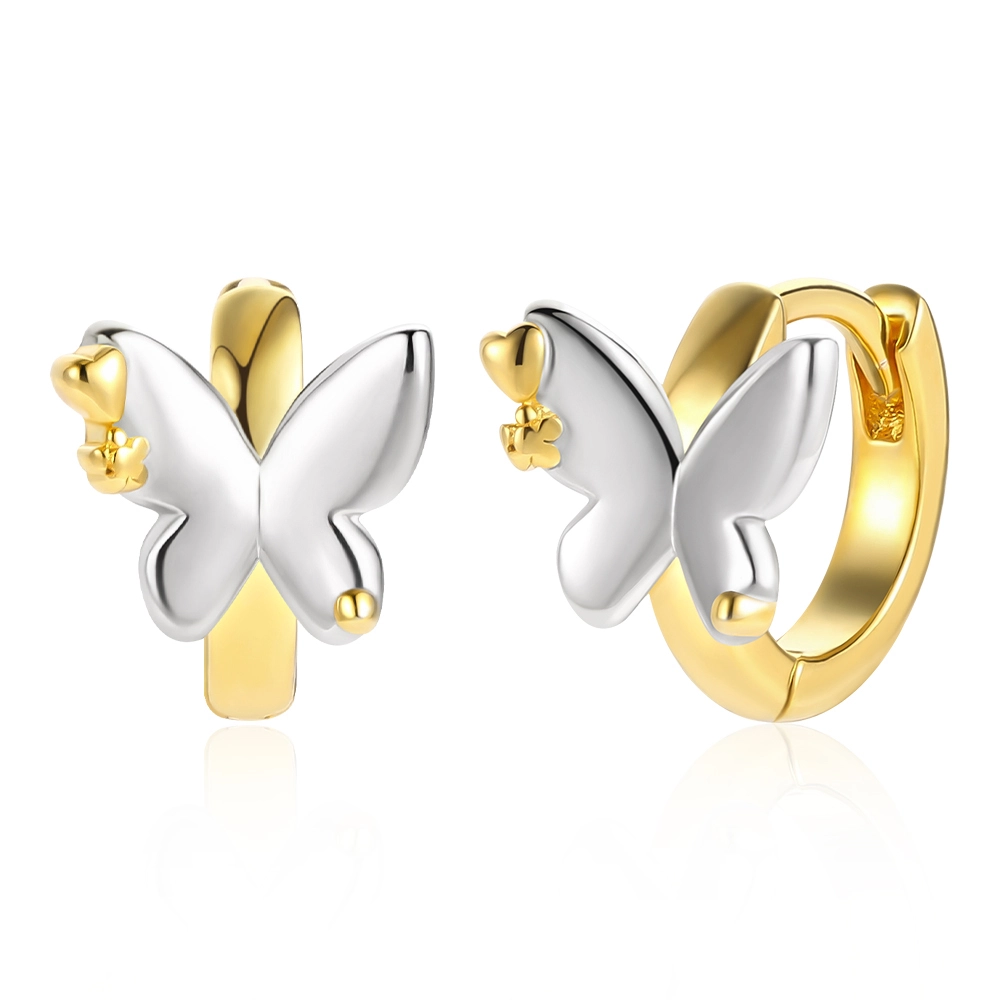
Customizable 925 Sterling Silver CZ Hoop Earrings Wholesale | Zhefan Jewelry Manufacturer
How to Verify 925 Hallmark and Silver Purity for Tennis Bracelets: Buyer’s Checklist
Product Categories
You may also like

925 Silver Jewelry
Customizable High-Quality Fashion 925 Sterling Silver AAA Cubic Zirconia Heart-Shaped Open Tennis Bracelet.
Read More

Brass Jewelry
Customizable OEM ODM High-Quality Fashion Brass AAA Cubic Zirconia Classic Tennis Bracelet for Women Wholesale.
Read More
Get a Quote for Private Label Jewelry
We provide personalized jewelry customization services for clients worldwide.
Rest assured that your privacy is important to us, and all information provided will be handled with the utmost confidentiality.
By clicking 'Send Inquiry Now' I agree to ZHEFAN JEWELRY processing my personal data.
To see how to withdraw your consent, how to control your personal data and how we process it, please see our Privacy Policy and Terms of use.
From design to production, ZHEFAN JEWELRY offers a one-stop solution to help you enhance your brand value and market competitiveness.
Get A Quote
Contact
Tel: (+86) 188 1927 7817
© 2026 Zhefan Jewelry. All Rights Reserved.
Facebook
Instagram
YouTube
Whatsapp: +8618819277817