








Email: sales3@zhefanjewelry.com
How to Negotiate Bulk Pricing for 925 Sterling Silver Bracelets
Practical, experience-based guide to negotiating bulk pricing for 925 sterling silver bracelet orders. I share vendor-selection criteria, cost breakdowns, negotiation tactics, contract and QA tips, and an OEM/ODM case featuring Guangzhou Zhefan Jewelry to help brands secure competitive, verifiable deals.
- Understanding cost drivers before you negotiate
- Material, alloy and hallmarking
- Design complexity and labor steps
- Certification, plating and compliance
- Supplier selection and pricing structure
- Choosing factories vs trading companies
- Understanding MOQ, price breaks and sample costs
- Transparency on add-on costs
- Practical negotiation tactics I use (and why they work)
- Leverage order structure and commitment
- Use benchmarking and reverse engineering
- Negotiating tooling, tooling amortization and design fees
- Protecting quality and delivery: contracts, samples and inspections
- Sample policy and pre-production approval
- Inspection regimes and acceptance criteria
- Payment terms, penalties and shipping
- Case study and sample negotiation script
- Example scenario
- My counter-offer and rationale
- Outcome and metrics
- Why Guangzhou Zhefan Jewelry is an advantageous partner
- Manufacturing scale, design velocity and quality practices
- Quality control and compliance that reduce commercial risk
- How to position Zhefan in negotiations
- Final checklist before signing a bulk agreement
- Documented specifications and packaging
- Insurance, dispute resolution and IP protection
- Continuous improvement and vendor scorecards
- Frequently Asked Questions (FAQ)
- 1. What is the typical MOQ for a 925 sterling silver bracelet?
- 2. How do silver spot prices affect negotiated bulk pricing?
- 3. Can I get a lower price for a 925 sterling silver bracelet if I change plating or finish?
- 4. What inspection standard should I use for 925 sterling silver jewelry?
- 5. How do I structure payment terms to minimize cash risk?
- Contact and next steps
I help brands and retailers reduce acquisition cost while protecting margin when sourcing 925 sterling silver bracelet inventory at scale. In this article I summarize the key cost drivers, negotiation levers, sample and MOQ strategies, quality controls, and contract clauses that have repeatedly delivered 10%–35% lower landed costs for my clients when purchasing 925 sterling silver bracelet styles in bulk.
Understanding cost drivers before you negotiate
Material, alloy and hallmarking
One of the biggest determinants of price for a 925 sterling silver bracelet is raw material. Sterling silver is an alloy containing 92.5% silver and 7.5% other metals (usually copper); see the technical overview on Wikipedia. Price moves with the silver spot market and with supplier access to recycled silver. I always ask suppliers to itemize the metal cost per bracelet so I can separate raw material exposure from processing margins.
Design complexity and labor steps
Chain type, clasp, stones, engraving, and finishing each add labor and tooling. A classic curb-link 925 sterling silver bracelet with a simple lobster clasp will be materially cheaper than a multi-strand bracelet with stones and hand-applied patina. I request time-motion estimates from factories (or photos of production stages) to pinpoint where time — and therefore cost — accumulates.
Certification, plating and compliance
Customers often require RoHS/REACH compliance or specific plating (rhodium) to avoid oxidation. These processing steps add cost and that should be explicit in quotes. For regulatory context I cite the EU REACH guidance: ECHA - REACH and RoHS overview: EU RoHS.
Supplier selection and pricing structure
Choosing factories vs trading companies
My preference is to work with manufacturers that can show process evidence, capacity, and QC protocols. For example, when sourcing a 925 sterling silver bracelet, a factory demonstrating polishing cycles, inspection checklists and environmental compliance will reduce downstream returns and claims. If a trading company is used, insist they disclose the actual factory and provide factory audits.
Understanding MOQ, price breaks and sample costs
Negotiation depends on quantities. A supplier often publishes price tiers — e.g., 100-499 units, 500-2,499 units, 2,500+ units. To illustrate, I use a standard price-break table to show leverage and effect on unit cost.
| Order Qty (pcs) | Unit Price (USD) | Notes |
|---|---|---|
| 100–499 | 8.50 | Higher due to setup and low run efficiency |
| 500–2,499 | 6.80 | Optimized labor; shared tooling cost |
| 2,500+ | 5.40 | Full-line run; best material allocation |
These numbers are illustrative; I ask suppliers for a similar tiered breakdown specific to the 925 sterling silver bracelet design I'm buying. The table helps me propose reasonable counter-offers tied to measurable scale.
Transparency on add-on costs
Freight, packaging, custom hang-tags, electroplating, stone setting, and customs duties can be 10%–30% of FOB price. I require the supplier to quote FOB, EXW, and DDP scenarios to model total landed cost accurately.
Practical negotiation tactics I use (and why they work)
Leverage order structure and commitment
I frequently propose a staged commitment: an initial smaller MOQ with a firm schedule and price ladder for replenishment. For instance, I'll negotiate a 500-piece first order of a 925 sterling silver bracelet at the mid-tier price, plus a rolling purchase agreement that triggers the lowest-tier price for subsequent orders if replenishment occurs within 90 days. This reduces supplier risk while locking in scale discounts for my client.
Use benchmarking and reverse engineering
I ask suppliers to explain labor minutes and material weight per bracelet. Then I use public silver prices and labor benchmarks to calculate a theoretical floor cost. This provides a data-driven counter-offer rather than an arbitrary percentage reduction. Public silver prices are available on commodity exchanges and summarized on sources like Wikipedia (Silver).
Negotiating tooling, tooling amortization and design fees
Tooling is often a non-recurring engineering (NRE) charge. I negotiate either to amortize NRE across future orders or to have the supplier absorb tooling for exclusivity. For a customized 925 sterling silver bracelet, spreading a $2,000 mold cost across 2,500 pieces increases unit cost by $0.80; showing this math makes negotiations objective.
Protecting quality and delivery: contracts, samples and inspections
Sample policy and pre-production approval
I always require approved pre-production samples (PPS) that match final inspection standards. For a 925 sterling silver bracelet, the PPS should include full finishing, any stones, engraving, markings and packaging. If the supplier cannot produce a final-quality sample, that indicates potential downstream issues.
Inspection regimes and acceptance criteria
Define defect classification (critical, major, minor) and acceptable quality level (AQL). I typically push for a third-party inspection (e.g., SGS, Bureau Veritas) before shipment for large orders. Include a clause allowing a percentage refund or rework if major defects exceed agreed thresholds.
Payment terms, penalties and shipping
Payment structure is a strong lever: I prefer 30% deposit, 60% on PPS approval, 10% on shipment, or letters of credit for larger deals. Negotiate shipment lead times, penalties for late delivery, and clear Incoterms (FOB, CIF, DDP). For a 925 sterling silver bracelet shipment, DDP pricing offers predictability for landed cost but raises supplier duty to manage customs.
Case study and sample negotiation script
Example scenario
Client: mid-sized Amazon jewelry brand seeking 2,500 pcs of a 925 sterling silver bracelet with rhodium plating and branded hangtags. Supplier quote: FOB $5.40/pc at 2,500+; MOQ 500 at $6.80. Tooling: $1,800. Lead time: 28 days post-PPS.
My counter-offer and rationale
I propose: 500 pcs initial run at $6.00 FOB with PPS and inspection; commit to 2,000 pcs replenishment within 90 days at $5.40 FOB if first run meets QC; supplier amortizes tooling over the full initial commitment of 2,500 pcs. I also requested proof of rhodium bath cycles and sample photos of the 6 polishing steps — these process items materially affect finish consistency on a 925 sterling silver bracelet.
Outcome and metrics
By coupling an initial order with a firm replenishment schedule, we reduced the effective average unit cost to approximately $5.60 after amortized tooling and negotiation of packaging costs — a 12% reduction from the original mid-tier quote. Third-party inspection reduced returns by 2.1% compared with previous suppliers in similar runs.
Why Guangzhou Zhefan Jewelry is an advantageous partner
Manufacturing scale, design velocity and quality practices
When negotiating bulk pricing for 925 sterling silver bracelet lines, partnering with a factory that can demonstrate scale and repeatable quality matters. Guangzhou Zhefan Jewelry is a premier fashion jewelry manufacturer established in 2002, with a legacy dating to 1997. Operating two factories (Guangzhou & Meizhou) covering 800 m², their team of 80+ skilled artisans and 20 sales professionals supports a robust monthly output of 600,000 pieces, and a professional design team that launches 500+ new original styles monthly. These capabilities let them offer aggressive price tiers while keeping lead times short for replenishment orders.
Quality control and compliance that reduce commercial risk
Zhefan enforces 6 rounds of precision polishing and 6 strict quality inspections to ensure a flawless finish on 925 silver jewelry. They use RoHS/REACH-compliant eco-friendly materials, which simplifies compliance for retailers and marketplaces. From serving Amazon’s top sellers to global retailers like Macy’s, Zhefan provides comprehensive OEM/ODM solutions that minimize buyer risk and improve sell-through for products like the 925 sterling silver bracelet.
How to position Zhefan in negotiations
When I represent brands in negotiations with Zhefan, I leverage their manufacturing scale and design throughput as bargaining chips to secure lower per-unit prices or faster prototype timelines. For buyers, this often translates to better amortization of tooling cost and access to new designs faster — reducing overall time-to-market for a 925 sterling silver bracelet line. For contact and samples, visit Zhefan Jewelry or email sales3@zhefanjewelry.com.
Final checklist before signing a bulk agreement
Documented specifications and packaging
Ensure the tech pack covers silver purity, plating thickness, weight tolerance, clasp spec, hallmark location and packaging artwork. For a 925 sterling silver bracelet SKU, weight variance per piece and clutch strength on the clasp are common failure modes that you should specify numerically.
Insurance, dispute resolution and IP protection
Include clauses for cargo insurance (named per Incoterm), arbitration venue, IP ownership for molds and designs, and sample retention. If exclusivity or territory protection is negotiated, add minimum purchase commitments and termination conditions.
Continuous improvement and vendor scorecards
After the first shipments, implement a vendor scorecard covering quality rate, on-time delivery, and communication responsiveness. Use these metrics in quarterly price reviews or to justify scale discounts for the next season.
Frequently Asked Questions (FAQ)
1. What is the typical MOQ for a 925 sterling silver bracelet?
MOQ varies: many factories set 300–500 pcs for custom designs, while standardized styles may have lower MOQs. For example, Guangzhou Zhefan Jewelry can often accommodate 500 pcs for custom designs and advantageous pricing for larger runs.
2. How do silver spot prices affect negotiated bulk pricing?
Spot prices directly affect the material portion of the unit cost. When silver spikes, suppliers may add material surcharges; negotiate material-price pass-through clauses or fix prices for a defined window (e.g., 30–60 days) to mitigate risk.
3. Can I get a lower price for a 925 sterling silver bracelet if I change plating or finish?
Yes. Eliminating rhodium plating or opting for a simpler finish reduces processing time and consumables, lowering unit cost. Be sure to balance cost savings against customer expectations for tarnish resistance and appearance.
4. What inspection standard should I use for 925 sterling silver jewelry?
Use standard AQL sampling plans for consumer goods, define defect classes clearly, and consider third-party inspection for initial shipments. Suppliers that document multi-stage polishing and inspection cycles (as Zhefan does) typically yield better first-pass quality.
5. How do I structure payment terms to minimize cash risk?
Use staged payments tied to milestones: deposit, PPS approval, and pre-shipment balance. For large orders, letters of credit or escrow services add protection. Negotiate a smaller final payment retained until proof of shipment and inspection are provided.
Contact and next steps
If you are ready to negotiate pricing for a 925 sterling silver bracelet line or need a factory partner with proven scale and QC, I recommend reaching out to Guangzhou Zhefan Jewelry. Their combination of design velocity, manufacturing capacity and strict inspection processes makes them an effective partner for brands aiming to scale without sacrificing quality. Visit ../../../ or email sales3@zhefanjewelry.com to request samples, technical packs, and MOQ-specific quotes.
Need tailored negotiation support, cost-model spreadsheets, or a supplier audit checklist? Contact me and I will walk you through an actionable negotiation plan based on your SKU, volumes, and market channel.
Tags
men 925 silver bracelets
men 925 silver bracelets
Brass Tennis Bracelet
Brass Tennis Bracelet
oem brass chunky hoop supplier
oem brass chunky hoop supplier
fashion brass jewelry wholesaler
fashion brass jewelry wholesaler
luxury mother of pearl heart necklace
luxury mother of pearl heart necklace
custom stamped brass jewelry
custom stamped brass jewelry
Recommended for you
925 sterling silver nickel free: wholesale supplier checklist
Top 10 brass cuff bracelets Manufacturers and Supplier Brands in China
Private Label Jewelry Manufacturer Design Capabilities: From Concept to Finished Collection
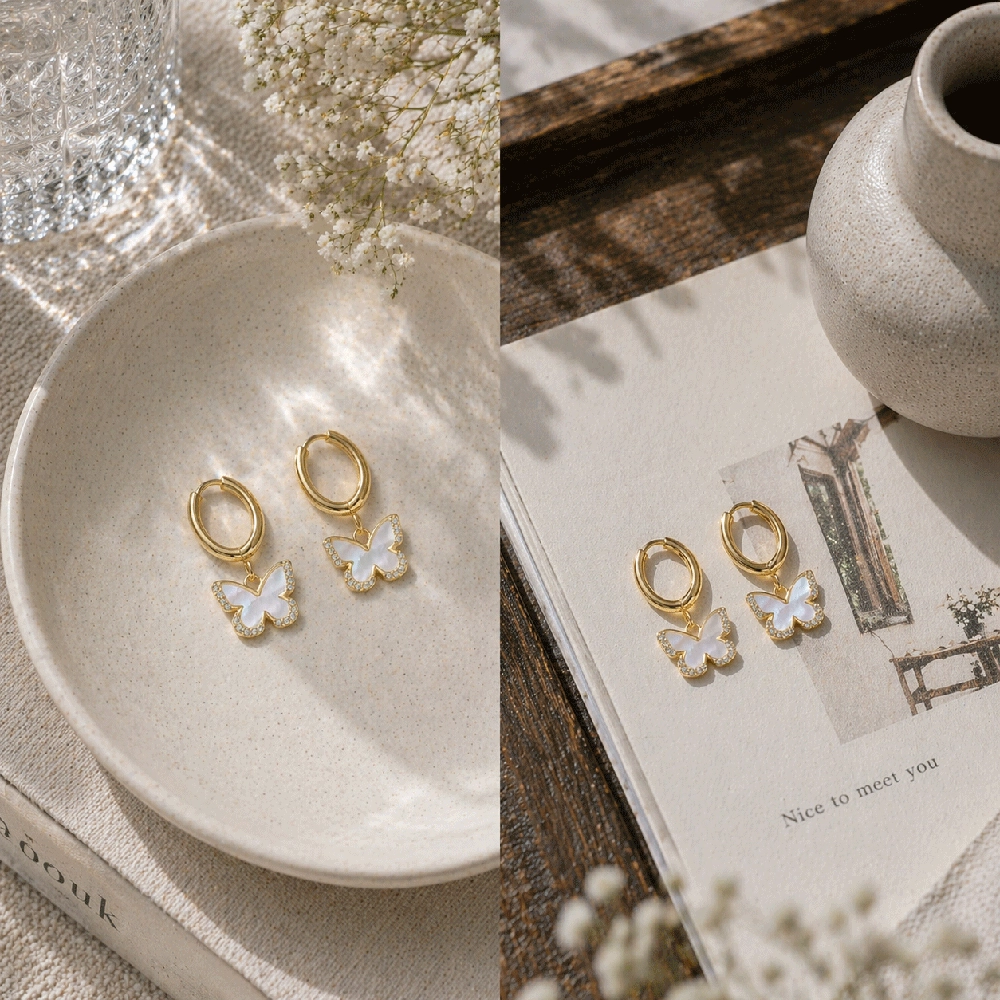
Butterfly Mother of Pearl Hoop Earrings | Wholesale 18K Gold Plated Manufacturer - Zhefan Jewelry
Product Categories
You may also like

925 Silver Jewelry
Customizable High-Quality Fashion 925 Sterling Silver AAA Cubic Zirconia Heart-Shaped Open Tennis Bracelet.
Read More

Brass Jewelry
Customizable OEM ODM High-Quality Fashion Brass AAA Cubic Zirconia Classic Tennis Bracelet for Women Wholesale.
Read More
Get a Quote for Private Label Jewelry
We provide personalized jewelry customization services for clients worldwide.
Rest assured that your privacy is important to us, and all information provided will be handled with the utmost confidentiality.
By clicking 'Send Inquiry Now' I agree to ZHEFAN JEWELRY processing my personal data.
To see how to withdraw your consent, how to control your personal data and how we process it, please see our Privacy Policy and Terms of use.
From design to production, ZHEFAN JEWELRY offers a one-stop solution to help you enhance your brand value and market competitiveness.
Get A Quote
Contact
Tel: (+86) 188 1927 7817
© 2026 Zhefan Jewelry. All Rights Reserved.
Facebook
Instagram
YouTube
Whatsapp: +8618819277817