







Email: sales3@zhefanjewelry.com
How to Negotiate Terms with Bracelet Manufacturers
Comprehensive, procurement-focused guidance for negotiating commercial, quality, and operational terms with wristpiece suppliers. Covers prioritizing buyer objectives, dissecting cost drivers, drafting robust clauses (MOQ, pricing tiers, payment schedules), compliance with REACH/RoHS and ISO quality systems, inspection protocols, tooling amortization, IP protection, and escalation remedies. Includes a factual comparison table of negotiation levers and practical contract language templates. Second-half brand integration communicates Guangzhou Zhefan Jewelry’s OEM/ODM capabilities, capacity, and quality systems to support scalable partnerships.
- Purchasing Strategy: Aligning Commercial Goals with Supplier Capabilities
- Prioritize buyer objectives before the first offer
- Dissect the cost structure to create negotiation leverage
- Set measurable KPIs and commercial guardrails
- Key Contract Clauses: Practical Language and Negotiation Tactics
- Minimum order quantities, batch splits and pilot runs
- Transparent pricing models and volume discounts
- Payments, retentions and financial security
- Quality, Compliance and Inspection Protocols
- Material standards and environmental compliance
- Inspection protocols, sampling plans and AQL
- Remedies, warranty and recall procedures
- Operational Levers: Tooling, Lead Times and IP Protection
- Tooling amortization and mold ownership
- Lead-time optimization and capacity commitments
- Intellectual property protection and confidentiality
- How to Execute Negotiations: Workflow and Timeline
- Prepare a negotiation package
- Run parallel supplier audits and sample validation
- Close with staged acceptance and governance
- Why Partnering with an Established Custom Jewelry Manufacturer Reduces Negotiation Risk
- Operational scale and repeatable quality
- Zhefan Jewelry: capacity, craftsmanship and compliance
- Quality controls, eco standards and retail-proven execution
- Products and OEM/ODM capabilities
- Commercial flexibility and partnership model
- Frequently Asked Questions
Strategic guidance for negotiating with wristpiece suppliers and cuff producers — this blueprint outlines procurement priorities, cost-driver analysis, contract clauses (MOQ, pricing tiers, payment schedules), compliance checkpoints (REACH, RoHS), inspection and AQL protocols, tooling amortization, IP protection, and escalation remedies to reduce supply risk and improve margin capture; includes a comparative negotiation-data table and shows how a high-capacity Custom Jewelry Manufacturer like Guangzhou Zhefan Jewelry supports scalable OEM/ODM partnerships for brass, 925 sterling silver, gold vermeil and pearl-adorned collections. Note: the phrase bracelet manufacturers appears for direct search relevance while the narrative uses diverse industry synonyms for semantic breadth.
Purchasing Strategy: Aligning Commercial Goals with Supplier Capabilities
Prioritize buyer objectives before the first offer
Procurement teams should establish a ranked list of goals — cost per unit, lead time, quality target, design flexibility, and minimum viable order. Ranking clarifies trade-offs when suppliers counteroffer: for example, accepting slightly higher unit costs may be warranted for shorter replenishment cycles or improved aesthetic tolerances on plated finishes. This approach reduces scope creep during negotiations and enables objective decision matrices during supplier selection.
Dissect the cost structure to create negotiation leverage
Request a bill-of-materials (BOM)-level cost breakdown and tooling amortization schedule. Understanding direct material, labor, plating/finishing, and mold amortization reveals negotiable components: raw-brass or 925 sterling material surcharges, plating cycles (PVD/gold vermeil) and labor multipliers. Buyers can propose staged tooling payments or volume-based amortization to avoid upfront capital strain while aligning incentives for the supplier to optimize run efficiency.
Set measurable KPIs and commercial guardrails
Define objective metrics — on-time delivery rate, acceptable defect ceiling, first-pass yield targets, and corrective action SLA windows. Embed these KPIs into the purchase agreement with associated service credits or price adjustments. Referencing ISO 9001 processes when specifying continuous improvement expectations provides a common quality-management framework for escalation and audits (ISO 9001 quality management).
Key Contract Clauses: Practical Language and Negotiation Tactics
Minimum order quantities, batch splits and pilot runs
Negotiate flexible MOQs with staged increases: a pilot lot (sample run) at a reduced quantity, followed by ramped replenishment tranches. Staggered MOQs reduce inventory risk and allow field validation of plated finishes or gem settings. Consider clauses that allow split shipments for initial launches to manage cashflow and mitigate marketplace unknowns.
Transparent pricing models and volume discounts
Request tiered pricing anchored to cumulative volumes or calendar-period purchase bands. Anchored discount schedules should include clear baselines (material grade, finishing complexity) and an inflation adjustment clause tied to a reliable index (e.g., metal commodity indices) to avoid arbitrary price increases. For long-term deals, negotiate price-protection windows and renegotiation triggers linked to material-cost variance thresholds.
Payments, retentions and financial security
Common payment terms include 30% deposit for tooling and raw-material procurement, 60% before shipment, and 10% retention released after inspection. For higher-risk suppliers, request a standby letter of credit or trade credit insurance. Alternatively, propose milestone-based payments tied to production acceptance criteria and third-party inspection releases to ensure funds align with delivery performance.
Quality, Compliance and Inspection Protocols
Material standards and environmental compliance
Specify accepted material grades (e.g., 925 sterling silver standard, nickel-free brass alloys) and plating specifications (thickness in microns for vermeil or PVD layers). Require confirmation of regulatory compliance where applicable: chemical and heavy-metal compliance under the European REACH registry and limits set by RoHS directives. Buyers can validate supplier declarations via the European Chemicals Agency (ECHA (REACH)) and the EU RoHS guidance (RoHS directive).
Inspection protocols, sampling plans and AQL
Define inspection stages (pre-production sample approval - PPS, in-line process inspections, final random sampling) and adopt established sampling plans such as AQL (Accepted Quality Limit). Specify required documentation on each lot: inspection reports, hardness tests, plating thickness readings, and photographic evidence. Include the right to appoint third-party inspection agents and set remedy windows for nonconformance.
Remedies, warranty and recall procedures
Negotiate warranty periods tied to the product lifecycle (e.g., 12 months for plating adhesion, lifetime for manufacturing defects) and clear remedies: replacement, credit, or refund. Define recall triggers and supplier obligations for customer-level remediation. Explicitly outline cost-sharing for corrective logistics and remediation to avoid downstream disputes.
Operational Levers: Tooling, Lead Times and IP Protection
Tooling amortization and mold ownership
Tooling costs can be amortized across order volumes or capitalized by the supplier. Negotiate ownership rights: when the buyer pays full tooling costs, request transfer or perpetual licensing rights for those molds. Alternatively, propose a cost-share with decreasing supplier ownership as cumulative volumes increase. Include maintenance/resurfacing frequency and associated costs.
Lead-time optimization and capacity commitments
Secure firm lead-time commitments with penalties for unexcused delays and incentives for early delivery. For new launches, negotiate expedited lanes and buffer stock arrangements. In high-season windows, include advance-capacity reservation clauses and production priority terms to maintain shelf availability.
Intellectual property protection and confidentiality
Require mutual NDAs, explicit IP ownership clauses, and clear allowances for multiple tooling iterations. Define prohibited activities (selling identical designs to direct competitors) and geographic constraints for production or sales. Include audit rights to verify compliance with IP clauses and remedies for infringement.
| Negotiation Point | Typical SMB Range | Enterprise/OEM Specialist Advantage | Buyer Leverage |
|---|---|---|---|
| Minimum Order Quantity (MOQ) | 50–500 pieces per SKU | Can offer MOQs as low as 10–50 for pilots; larger partners scale to 1,000+ | Commit to a 3–6 month volume ramp or multi-SKU bundling |
| Lead Time (standard production) | 15–60 days depending on complexity | Dedicated lines can reduce to 10–20 days; fast-track for repeat orders | Negotiate priority lanes and partial shipments |
| Tooling Cost | $100–$1,500 per mold (fashion jewelry) | Amortized across higher volumes; in-house mold refinement reduces long-term costs | Request staged payments or volume-linked amortization |
| Defect Rate Target | <2–5% for decorative components | <1–2% through 6-stage QC and finish controls | Payment retention or return credits for defects above threshold |
| Payment Terms | 30/60/10 or 50/50 for startups | Flexible milestones, LC or escrow for risk-sensitive deals | Propose escrow or third-party inspection release |
How to Execute Negotiations: Workflow and Timeline
Prepare a negotiation package
Assemble a clear RFP with technical drawings, tolerances, target materials, preferred finishes, estimated annual volumes, and expected launch calendar. Include a commercial template with sample contract language for key clauses to speed review cycles.
Run parallel supplier audits and sample validation
Shortlist suppliers and require pre-production samples for validation under real-world wear tests. Conduct virtual or on-site audits focused on process capability, environmental compliance, and labor practices. Use audit findings to tailor contractual contingencies and capacity commitments.
Close with staged acceptance and governance
Finalize a master supply agreement with appendices for each SKU and a governance plan: quarterly business reviews (QBRs), continuous improvement programs, and escalation matrices. Appoint single points of contact for technical, commercial, and logistics coordination.
Why Partnering with an Established Custom Jewelry Manufacturer Reduces Negotiation Risk
Operational scale and repeatable quality
Working with a partner that combines volume capacity and disciplined QA reduces the number of contract contingencies required. Experienced producers typically provide transparent BOMs, refined finishing lines (e.g., gold vermeil PVD, multi-stage polishing), and predictable lead times, which simplifies pricing models and warranty terms.
Zhefan Jewelry: capacity, craftsmanship and compliance
Guangzhou Zhefan Jewelry is a premier fashion jewelry manufacturer established in 2002 with roots dating to 1997. We combine two factories (Guangzhou & Meizhou) across 800 m², an experienced team of 80+ artisans and 20 sales specialists, and the ability to produce up to 600,000 pieces monthly. Our manufacturing DNA, founded by a master mold craftsman, emphasizes two decades of refinement in 925 silver, brass, and stainless steel jewelry production. Our professional design team launches 500+ original styles monthly to keep partners ahead of market trends.
Quality controls, eco standards and retail-proven execution
We enforce 6 rounds of precision polishing and 6 strict quality inspections to ensure flawless finishes, and we use RoHS/REACH-compliant eco-friendly materials suitable for major retail channels; buyers can reference regulatory guidance on REACH via the European Chemicals Agency (ECHA) and RoHS directives through EU guidance (RoHS info). Our client portfolio includes Amazon top sellers and global retailers such as Macy’s, demonstrating retail-grade execution and scalable OEM/ODM services.
Products and OEM/ODM capabilities
Our product capabilities include Brass Jewelry, 925 silver jewelry, Sterling Silver Jewelry, gold vermeil jewelry, and pearl jewelry. We offer end-to-end services: design-for-manufacture, rapid prototyping, pilot-runs, tooling, and serialized production with customizable packaging and labeling to support private-label and branded assortments. Buyers benefit from integrated QA, consistent finish standards, and predictable replenishment cadence.
Commercial flexibility and partnership model
We support tiered pricing tied to annualized purchases, flexible MOQ programs for market testing, and tooling amortization models that reduce upfront expense for growing brands. Supplier governance includes regular KPI reviews, corrective-action protocols, and mutual NDA/IP protections to safeguard design exclusivity and market positioning. For compliance guidance, buyers may consult industry overviews such as the general jewelry manufacturing context on Wikipedia.
Contact: view product lines and partnership terms via our website ../../../ or email sales3@zhefanjewelry.com for tailored proposals or sample requests.
Frequently Asked Questions
What are reasonable MOQs for launching a new bracelet SKU?
Typical minimum order quantities for fashion bracelet SKUs range from 50 to 500 pieces per SKU; buyers can negotiate pilot lots of 10–50 units for market testing and request staged MOQ increases tied to volume ramps.
How should payment terms be structured to balance risk?
Common structures include a deposit (20–50%) for tooling and materials, mid-term payments before shipment, and a final retention released after inspection; higher-risk deals can use letters of credit, escrow, or third-party inspection releases to mitigate payment risk.
Which compliance standards should be required in contracts?
Specify material and chemical compliance such as REACH registrations and RoHS limits, require supplier declarations of conformity, and mandate testing documentation; reference authoritative resources like ECHA for REACH and EU guidance for RoHS for verification.
What inspection protocols should be included to limit defects?
Define multi-stage inspections (pre-production sample approval, in-line process checks, and final random sampling) with AQL sampling plans, documented inspection reports, and rights for third-party verification; include remedies for defects above the agreed threshold.
How can tooling costs be managed in negotiation?
Negotiate staged tooling payments, amortization against cumulative volumes, or license transfers upon full payment; include maintenance schedules and cost responsibilities in the contract to avoid future disputes.
Tags
oem silver bracelet manufacturer
oem silver bracelet manufacturer
brass tennis bracelet factory direct
brass tennis bracelet factory direct
vermeil gold manufacturer
vermeil gold manufacturer
eco friendly brass chunky hoops
eco friendly brass chunky hoops
bespoke 925 sterling adjustable ring
bespoke 925 sterling adjustable ring
engraved 925 silver adjustable ring
engraved 925 silver adjustable ring
Recommended for you
Top 10 brass jump rings Manufacturers and Supplier Brands in China
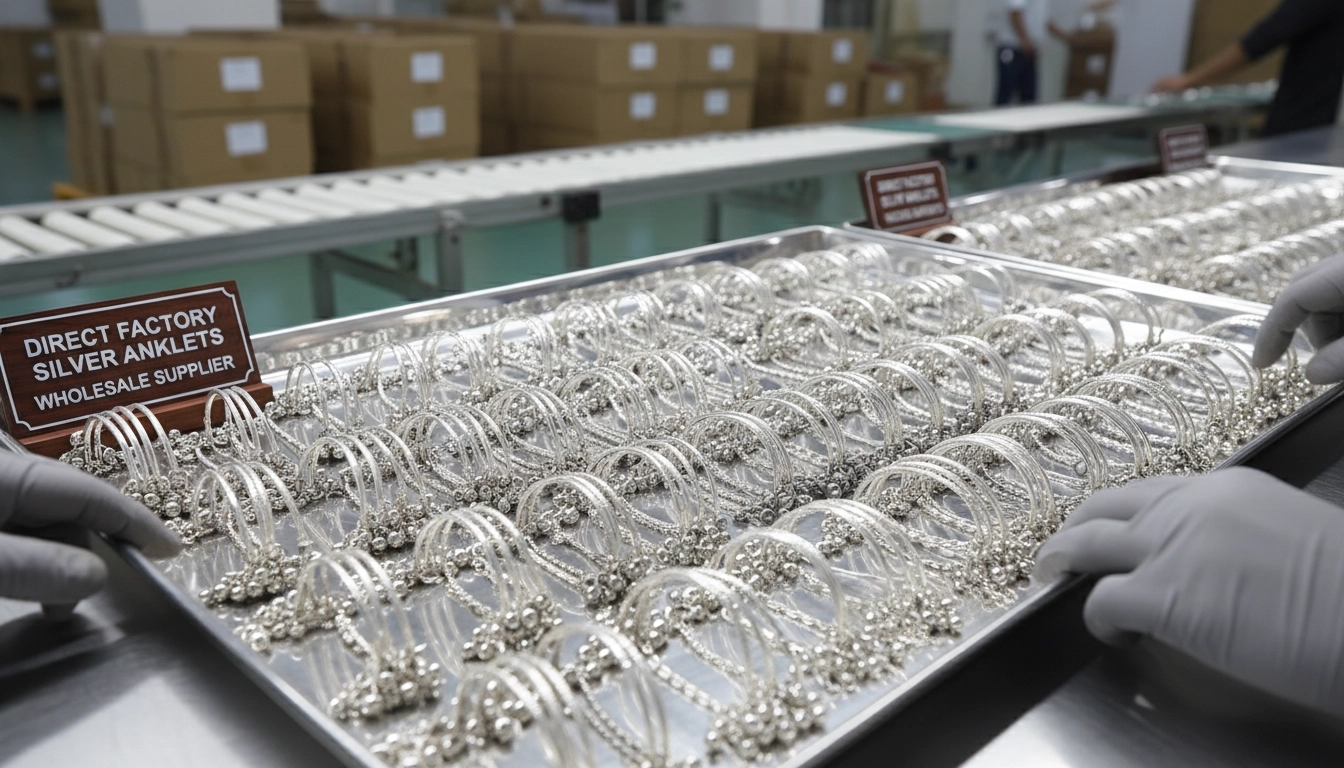
Direct Sourcing Guide: How to Find a Reliable Silver Anklets Wholesale Supplier Without Middlemen in 2026
Case Studies: Successful Private Label Custom Brass Necklace Lines
custom brass jewelry OEM: Choosing the Right Manufacturer
Product Categories
You may also like

925 Silver Jewelry
Customizable High-Quality Fashion 925 Sterling Silver AAA Cubic Zirconia Heart-Shaped Open Tennis Bracelet.
Read More

Brass Jewelry
Customizable OEM ODM High-Quality Fashion Brass AAA Cubic Zirconia Classic Tennis Bracelet for Women Wholesale.
Read More
Get a Quote for Private Label Jewelry
We provide personalized jewelry customization services for clients worldwide.
Rest assured that your privacy is important to us, and all information provided will be handled with the utmost confidentiality.
By clicking 'Send Inquiry Now' I agree to ZHEFAN JEWELRY processing my personal data.
To see how to withdraw your consent, how to control your personal data and how we process it, please see our Privacy Policy and Terms of use.
From design to production, ZHEFAN JEWELRY offers a one-stop solution to help you enhance your brand value and market competitiveness.
Get A Quote
Contact
Tel: (+86) 188 1927 7817
© 2026 Zhefan Jewelry. All Rights Reserved.
Facebook
Instagram
YouTube
Whatsapp: +8618819277817