







Email: sales3@zhefanjewelry.com
How to Identify a Reliable Pearl Jewelry Manufacturer for Your Brand
A practical guide for brand owners evaluating pearl jewelry production partners. Learn how to verify pearl sourcing and disclosure, assess sample and production quality, review compliance and quality systems, compare supplier evidence, and structure a lower-risk manufacturing relationship across pearl, sterling silver, brass, and gold vermeil collections.
- How to Evaluate a Pearl Jewelry Production Partner
- Check pearl identification and product descriptions
- Inspect setting construction and finishing
- Request documentation that supports claims
- Compare Supplier Evidence Before Placing an Order
- Use a consistent supplier scorecard
- Assess the quality system and inspection plan
- Review commercial terms and production capacity
- Build a Lower-Risk Sourcing Relationship
- Test communication with real production questions
- Start with a pilot and review actual outcomes
- Choose a partner suited to the broader collection
- Frequently Asked Questions
Choosing a reliable pearl jewelry manufacturer requires more than comparing unit prices or reviewing attractive product photographs. Brand owners should verify how pearls are identified and described, assess material and workmanship controls, test samples against a written specification, and confirm that production, inspection, packaging, and delivery processes can support the intended sales channel. A strong sourcing decision also considers communication, traceability, defect remedies, and the supplier’s ability to coordinate pearl designs with settings in sterling silver, brass, or gold vermeil. The following framework helps buyers evaluate evidence before committing to a purchase order.
How to Evaluate a Pearl Jewelry Production Partner
Check pearl identification and product descriptions
“Pearl” can describe products with different origins and characteristics, so product descriptions should be precise. Ask whether the proposed material is natural or cultured, and request the specific type and any relevant treatment information the supplier can substantiate. The Gemological Institute of America explains the distinction between natural and cultured pearls and provides educational resources on pearl characteristics at GIA’s pearl information hub. Buyers can use this terminology to make supplier questions more specific and reduce the risk of unclear product listings.
Request a written description for each style or SKU that records the pearl type, dimensions, shape, color range, surface expectations, and matching tolerance. If a collection uses freshwater or saltwater cultured pearls, the commercial documents and consumer-facing product copy should not blur those distinctions. Where treatments are relevant, ask what the supplier knows, what records are available, and how disclosures will be supported. Do not rely on a verbal assurance when the same claim will appear on packaging, a website, or a wholesale line sheet.
Inspect setting construction and finishing
Pearl quality is only one part of product performance. The setting must hold the pearl securely without creating avoidable stress, sharp edges, or visible adhesive residue. For earrings, inspect post alignment, back fit, and left-right matching. For pendants and rings, review the connection points, setting stability, and whether the pearl is protected from likely impact during ordinary wear. For necklaces and bracelets, evaluate knotting or other construction methods, clasp function, spacing, and the consistency of pearl matching across the strand.
Agree on measurable acceptance criteria before sampling. A specification can define allowable size variation, color range, surface blemishes, finish, dimensions, metal details, and packaging requirements. Photographs are useful for communicating design intent, but they cannot replace physical approval samples where color, luster, weight, or tactile finish matters. Retain an approved reference sample and document any authorized changes so later production lots can be compared against the same standard.
Request documentation that supports claims
Reliable sourcing depends on evidence that matches the claim being made. Ask for material declarations, invoices or sourcing records where available, quality-control records, and written product specifications. For precious-metal components, clarify the alloy, plating or vermeil construction, thickness where specified, and marking practices. Requirements vary by market and product claim, so buyers should review the rules applicable to their sales destinations rather than assuming one document covers every jurisdiction.
In the United States, the Federal Trade Commission’s Jewelry Guides in 16 CFR Part 23 address representations for jewelry products, including precious metals and pearls. These guides are a useful reference for aligning product descriptions with applicable U.S. advertising and labeling expectations; they are not a substitute for legal advice or review of other markets’ requirements. Ask a prospective supplier how product information is recorded and how updates are communicated when a material or component changes.
Compare Supplier Evidence Before Placing an Order
Use a consistent supplier scorecard
Comparisons become more useful when every candidate is asked for the same evidence. A supplier scorecard should cover sample fidelity, material transparency, inspection practices, communication speed, order flexibility, lead-time assumptions, packaging, and defect handling. Separate confirmed capabilities from unverified statements: a process document, production sample, or inspection record is stronger evidence than a broad claim of “High Quality quality.” Check that the person answering technical questions can coordinate with the people responsible for production and inspection.
| Evaluation area | Evidence to request | What it helps a buyer assess |
|---|---|---|
| Pearl description | Written type, dimensions, color range, and known treatment details | Whether product claims and purchasing specifications are clear |
| Sample consistency | Approved sample, specification sheet, and documented revisions | Whether production expectations can be repeated and checked |
| Workmanship | Inspection checklist and examples of defect classification | Whether visible and functional defects have defined criteria |
| Material claims | Component declarations, sourcing records where available, and applicable test documents | Whether material descriptions have supporting documentation |
| Order execution | Written lead-time stages, packing details, and defect-resolution terms | Whether operational responsibilities are understood before ordering |
The table is a practical procurement checklist, not a claim that every supplier or jurisdiction uses identical documents. Evidence should be proportionate to the product, claim, order value, and risk. If a supplier cannot provide a particular record, ask what alternative verification is possible and decide whether the remaining uncertainty is acceptable for the brand.
Assess the quality system and inspection plan
Ask how incoming materials, in-process work, and finished goods are checked. A useful plan identifies inspection stages, sampling approach, defect categories, responsible personnel, and the process for recording corrective actions. Buyers should agree whether inspection takes place before dispatch, what happens when a lot fails, and who bears the cost of rework, replacement, or return shipping under the purchase agreement.
Quality management credentials may help buyers understand a supplier’s documented system, but certification alone does not prove that a particular jewelry item meets its specification. The ISO overview of ISO 9001 describes the standard as a quality management system framework. Buyers should verify the scope and validity of any claimed certification and still inspect product-specific samples and records. A documented process is most valuable when it is connected to clear acceptance criteria and corrective-action follow-up.
Review commercial terms and production capacity
Request a quotation that separates product cost from tooling, sample fees, packaging, testing, freight, and other charges. Confirm minimum order quantities by style or material, payment milestones, sample and bulk lead times, order-change cutoffs, and procedures for handling delays. A low unit price can become costly if the quote excludes a required component, if a sample revision restarts the schedule, or if defect remedies are vague.
Capacity should be discussed in relation to the actual launch plan. Ask how the supplier schedules repeat orders, whether materials are reserved, and what advance notice is needed for seasonal peaks. For an initial collection, a staged order or pilot quantity may reduce exposure, provided the supplier’s minimums and the brand’s economics make it practical. Record decisions in the purchase order and approved specification rather than relying on informal chat messages.
Build a Lower-Risk Sourcing Relationship
Test communication with real production questions
Responsiveness is not just a matter of reply speed. A capable production contact should clarify ambiguities, flag feasibility issues, identify dependencies, and confirm decisions in writing. During quotation and sampling, ask realistic questions about pearl matching, setting tolerances, component substitutions, and inspection timing. Notice whether answers are specific and consistent or whether the supplier avoids committing to details that affect quality and schedule.
Communication also needs a controlled revision process. Use version numbers or dated specification sheets, identify the approved sample, and record who authorized changes. This is especially important when brand teams, designers, sourcing agents, and factories work across time zones. A shared record reduces the chance that an outdated drawing or an unapproved material substitution reaches production.
Start with a pilot and review actual outcomes
A pilot order can test more than product appearance. It can reveal packaging durability, labeling accuracy, production timing, documentation quality, and how the supplier handles issues. Before the order begins, define what constitutes a pass, what defects require correction, and how the review will be documented. After delivery, compare the received pieces with the approved sample and purchase specification, then record any corrective actions before placing a repeat order.
For pearl pieces, inspect a representative range rather than checking only the most photogenic item. Review consistency across the lot, fastening security, matching, finish, and packing protection. If the product is intended for retail or e-commerce, assess whether the final presentation supports the brand’s positioning and whether product information is complete for the sales channel. A repeatable review process helps procurement teams distinguish an isolated issue from a recurring process problem.
Choose a partner suited to the broader collection
Many brands develop pearl designs alongside complementary categories, including brass jewelry, 925 silver jewelry, sterling silver jewelry, and gold vermeil jewelry. A supplier or coordinated sourcing setup that can support multiple material families may simplify communication and collection planning, but category breadth should not replace item-level verification. Ask how specifications, component controls, and inspection criteria differ across materials, and confirm that each product’s claims are independently supported.
Our stated product range includes brass jewelry, 925 silver jewelry, sterling silver jewelry, gold vermeil jewelry, and pearl jewelry. For brand owners considering a multi-category assortment, our approach is to discuss the product brief, target market, material requirements, sampling expectations, and order plan before specifications are finalized. Buyers should request relevant samples and written details for the products under consideration, then assess those materials against the same quality and compliance criteria outlined above. No supplier should be selected on catalog breadth alone; fit is demonstrated through clear documentation, dependable execution, and product results that meet the approved brief.
To discuss pearl and complementary jewelry requirements or review available product options, contact our team with your target designs, market, materials, and order expectations.
Frequently Asked Questions
What should a brand verify before choosing a pearl jewelry supplier?
Verify how pearls are identified and described, request written specifications and supporting records, inspect physical samples, and review workmanship, inspection practices, lead times, defect remedies, and communication processes.
What information should a pearl jewelry specification include?
A useful specification records the pearl type, dimensions, shape, color range, surface expectations, matching tolerance, setting and metal details, finish, packaging requirements, and any relevant treatment information the supplier can substantiate.
How can buyers assess pearl jewelry quality before bulk production?
Approve and retain a physical reference sample, define measurable acceptance criteria, review a representative range of pieces, and compare the delivered goods with the sample and written specification. Check pearl matching, setting security, finishing, clasps, and packaging.
Does an ISO 9001 certificate guarantee jewelry quality?
No. ISO 9001 relates to a quality management system framework and does not by itself prove that a specific jewelry item meets its specification. Buyers should verify the certificate’s scope and validity and assess product samples, inspection records, and acceptance criteria.
What should a jewelry manufacturing quotation specify?
The quotation should clarify unit costs, tooling and sample fees, packaging, testing, freight, minimum quantities, payment milestones, sample and production lead times, change deadlines, and procedures for delays or defective goods.
Why should a brand place a pilot order before a larger production run?
A pilot can help assess product consistency, packaging, labeling, documentation, timing, and issue resolution before the brand increases its order commitment. Buyers should define pass criteria and corrective actions in advance.
Tags
bulk custom brass necklaces
bulk custom brass necklaces
925 sterling silver bracelets
925 sterling silver bracelets
wholesale pearl necklaces
wholesale pearl necklaces
rose gold brass tennis bracelet bulk
rose gold brass tennis bracelet bulk
men's brass tennis bracelet wholesale
men's brass tennis bracelet wholesale
custom brass earrings with stones
custom brass earrings with stones
Recommended for you
10 Best Custom Jewelry Manufacturers in 2026: The Ultimate Comparison Guide
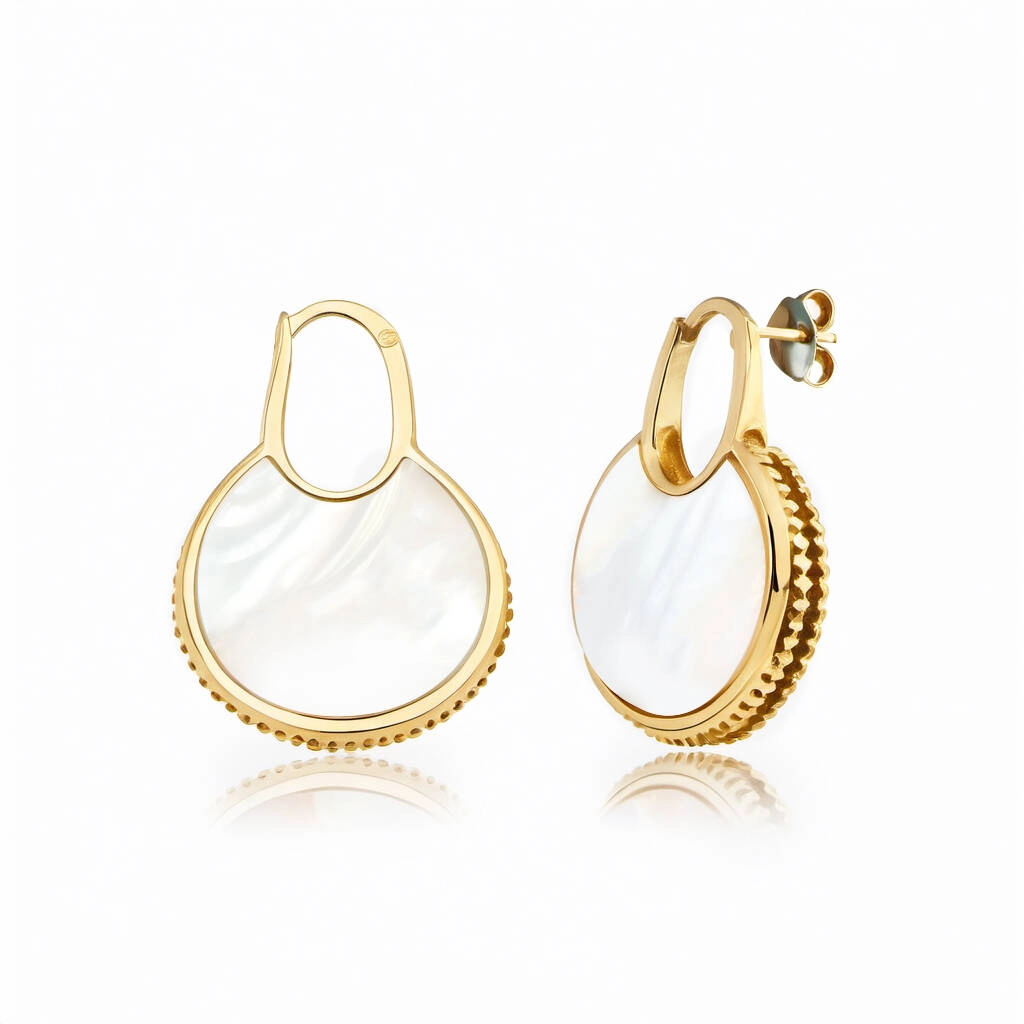
Customized Brass Mother of Pearl Huggie Earrings - Zhefan Jewelry
Turnkey Services: End-to-End Custom Brass Necklace Production
The Ultimate 2026 Guide to Sourcing Sterling Silver Cufflinks Wholesale: Maximizing Quality & Profit
Product Categories
You may also like

925 Silver Jewelry
Customizable High-Quality Fashion 925 Sterling Silver AAA Cubic Zirconia Heart-Shaped Open Tennis Bracelet.
Read More

Brass Jewelry
Customizable OEM ODM High-Quality Fashion Brass AAA Cubic Zirconia Classic Tennis Bracelet for Women Wholesale.
Read More
Get a Quote for Private Label Jewelry
We provide personalized jewelry customization services for clients worldwide.
Rest assured that your privacy is important to us, and all information provided will be handled with the utmost confidentiality.
By clicking 'Send Inquiry Now' I agree to ZHEFAN JEWELRY processing my personal data.
To see how to withdraw your consent, how to control your personal data and how we process it, please see our Privacy Policy and Terms of use.
From design to production, ZHEFAN JEWELRY offers a one-stop solution to help you enhance your brand value and market competitiveness.
Get A Quote
Contact
Tel: (+86) 188 1927 7817
© 2026 Zhefan Jewelry. All Rights Reserved.
Facebook
Instagram
YouTube
Whatsapp: +8618819277817