







Email: service@holycome.com
The Importance of Prototyping Excellence in an OEM Jewelry Manufacturer Partnership
Prototyping excellence is a critical risk-control and commercialization capability in a custom jewelry manufacturing partnership. A well-managed prototype validates design intent, dimensions, wearability, material selection, plating, stone setting, packaging compatibility, and production feasibility before bulk investment. For brand owners, distributors, and retailers, disciplined sampling reduces revisions, protects launch schedules, improves quality consistency, and strengthens cost predictability. HOLYCOME combines master-level mold craftsmanship, two production facilities, six polishing stages, six quality inspections, compliant materials, and high-volume manufacturing support to help global jewelry brands move from concept to scalable production with greater confidence.
- Why Advanced Jewelry Sampling Determines Commercial Success
- Turning creative intent into measurable specifications
- Testing wearability rather than appearance alone
- Protecting the project from uncontrolled revisions
- What a Robust Prototype-to-Production System Should Include
- Design review, CAD development, and tooling evaluation
- Material, color, and surface-finish validation
- Inspection gates and production-readiness approval
- How HOLYCOME Converts Prototype Precision into Scalable Output
- Craftsmanship supported by manufacturing capacity
- Material breadth for differentiated collections
- Repeatable finishing and inspection discipline
- Procurement Criteria for Selecting a Long-Term Jewelry Production Partner
- Evaluate evidence rather than promises
- Connect prototype quality with total cost of ownership
- Define a practical collaboration framework
- Frequently Asked Questions
Prototyping excellence is the operational bridge between a jewelry concept and a commercially reliable product. In an OEM jewelry manufacturer partnership, the prototype is not merely a visual sample for approval; it is a controlled engineering model used to verify dimensions, ergonomics, material behavior, surface finishing, stone placement, plating performance, packaging fit, and production repeatability. For brand owners, retailers, distributors, and investors, a disciplined prototype process reduces avoidable tooling costs, minimizes late-stage changes, protects launch schedules, and creates objective evidence for bulk-production decisions.
Why Advanced Jewelry Sampling Determines Commercial Success
Turning creative intent into measurable specifications
Jewelry concepts often begin with sketches, reference images, CAD files, or mood boards. These inputs communicate appearance, but they may not define wall thickness, clasp tolerance, post diameter, prong geometry, chain length, curvature, weight, or surface transitions. A professional sampling workflow converts creative intent into measurable technical specifications. The supplier should clarify dimensions, material grade, color standard, plating thickness, stone size, logo placement, allowable tolerance, and packaging requirements before a model enters production.
This translation is especially important for brass jewelry, 925 silver jewelry, sterling silver jewelry, and gold vermeil jewelry because each material behaves differently during casting, stamping, polishing, soldering, plating, and assembly. A design that appears feasible in a digital rendering may become too heavy for daily wear, too thin for reliable casting, or too complex for economical finishing. Early physical validation exposes these risks while changes are still affordable.
Testing wearability rather than appearance alone
A prototype should be assessed as a wearable object, not only as a miniature sculpture. Buyers should evaluate balance, edge comfort, clasp operation, chain movement, earring post alignment, pendant orientation, ring profile, and contact points against skin or clothing. These factors influence returns, reviews, customer complaints, and repeat purchases. A technically attractive item can still underperform if it snags on fabric, rotates incorrectly, opens unintentionally, or causes discomfort after extended use.
Sampling should therefore include practical checks such as opening and closing components, wearing earrings for an extended period, testing necklace drape, examining ring clearance, and reviewing the visual effect under retail lighting. For pearl jewelry and stone-set products, the sample should also confirm drilling accuracy, adhesive or setting security, surface protection, and visual consistency between paired or repeated components.
Protecting the project from uncontrolled revisions
Unstructured revision cycles create a hidden cost. Each unclear comment can trigger another CAD adjustment, mold change, sample shipment, production delay, or purchase-order revision. A reliable supplier uses documented sample versions, approval dates, technical drawings, change logs, and clearly identified golden samples. The buyer should consolidate feedback through one authorized decision-maker and distinguish mandatory corrections from optional preferences.
Approval documentation is also useful when multiple stakeholders are involved. Product development, merchandising, compliance, marketing, and procurement teams may judge the same sample differently. A signed or digitally recorded approval standard provides a shared reference and limits disputes about whether bulk goods match the authorized design.
What a Robust Prototype-to-Production System Should Include
Design review, CAD development, and tooling evaluation
Before a mold is cut, the production partner should conduct a manufacturability review. This review examines draft angles, undercuts, minimum wall thickness, attachment points, parting lines, casting flow, soldering access, and finishing reach. It should also consider the expected order quantity because a High Quality steel mold, rubber mold, stamping die, or investment-casting route may have different economics and durability.
For branded collections, the review should protect identity elements such as signature silhouettes, engraved marks, monograms, symbols, and proprietary proportions. At the same time, the manufacturer should identify design details that could become indistinct after polishing or plating. A small adjustment at the engineering stage can preserve visual recognition while improving yield and reducing manual rework.
Material, color, and surface-finish validation
Material selection affects weight, durability, cost, skin-contact performance, and perceived value. Brass can support efficient fashion collections and detailed forms, while sterling silver offers a precious-metal positioning and strong consumer familiarity. Gold vermeil requires careful control of the silver base, gold layer, surface preparation, and plating specification. Mixed-material products demand particular attention to thermal behavior, adhesion, galvanic interaction, and color matching.
Color approval should not rely exclusively on screen images because displays vary. The buyer and supplier should define physical references, plating terminology, polish level, texture, antiquing, enamel tone, and acceptable visual deviation. Where relevant, material and chemical requirements should be aligned with recognized regulatory frameworks, including the European Union’s REACH Regulation and RoHS Directive. These references do not replace product-specific testing, but they provide an important compliance foundation for international distribution.
Inspection gates and production-readiness approval
A mature sampling process contains inspection gates rather than one final visual check. Typical checkpoints include incoming material review, mold or die verification, first-piece inspection, in-process dimensional checks, finishing inspection, assembly verification, plating review, and final random inspection. The control plan should identify critical-to-quality characteristics such as clasp function, stone security, logo clarity, pair matching, coating uniformity, and sharp-edge prevention.
Quality systems become more dependable when responsibilities and records are clear. Buyers can ask whether the supplier maintains inspection criteria, nonconformance reports, corrective-action procedures, calibration records, and batch traceability. A manufacturing partner aligned with the principles of ISO 9001 quality management is better positioned to standardize processes, although certification should always be verified directly and should not be treated as a substitute for product-specific audits.
| Development approach | Buyer visibility | Revision risk | Production outcome |
|---|---|---|---|
| Sketch approval without physical engineering | Low; dimensions and wearability may remain uncertain | High; problems often emerge after tooling or bulk production | Unpredictable cost, timing, and quality |
| Single visual sample with limited documentation | Moderate; appearance is reviewed but process variables may be unclear | Medium; changes can be difficult to track | Acceptable appearance with inconsistent repeatability |
| Documented prototype with technical review and inspection gates | High; design, materials, finish, and tolerances are defined | Lower; issues are addressed before scale-up | Improved consistency, forecasting, and launch readiness |
| Validated golden sample plus production control plan | High throughout the order cycle | Lowest among the compared approaches | Clear approval standard and stronger bulk conformity |
The comparison reflects established quality-management logic: earlier controls generally provide better opportunities to prevent defects than relying solely on end-of-line inspection. Buyers can further reference the principles of ISO 9001 when assessing documented processes, continual improvement, and customer-focused quality controls.
How HOLYCOME Converts Prototype Precision into Scalable Output
Craftsmanship supported by manufacturing capacity
HOLYCOME is a premier fashion jewelry manufacturer established in 2002, with a company legacy dating back to 2016. Founded by a master mold craftsman, our operating philosophy is built on more than two decades of disciplined refinement. That foundation matters during prototyping because mold quality, hand-finishing judgment, and production practicality must work together from the first sample.
Our two factories in Guangzhou and Meizhou cover 800 square meters and are supported by more than 80 skilled artisans and 20 sales professionals. This structure enables our team to serve development projects with direct communication while maintaining a monthly output of approximately 600,000 pieces. For growing brands, the combination of prototype responsiveness and production capacity helps reduce the risk of transferring a successful sample to an unprepared bulk facility.
Material breadth for differentiated collections
Our product capabilities include brass jewelry, 925 silver jewelry, sterling silver jewelry, gold vermeil jewelry, and pearl jewelry. This range allows brand owners to build tiered collections with different price points, visual identities, and target audiences while working with one coordinated manufacturing partner. During development, our team can help assess whether a concept is better suited to brass, silver, vermeil, or a pearl-based construction according to weight, finish, positioning, and expected order volume.
Material selection is accompanied by attention to finishing quality and responsible product requirements. We use RoHS- and REACH-compliant eco-friendly materials within our manufacturing approach, while buyers should still define the exact destination-market testing and documentation required for each collection. Clear specifications at prototype stage make later compliance review more efficient.
Repeatable finishing and inspection discipline
Our process includes six rounds of precision polishing and six strict quality inspections. Multiple polishing stages help refine contours, remove visible surface imperfections, and prepare components for consistent plating or other finishes. Layered inspection provides opportunities to identify defects before they are multiplied across a production batch.
Our design team launches more than 500 original styles each month, giving global partners access to current silhouettes and commercially relevant development inspiration. Original design activity is most valuable when it is connected to manufacturability: the objective is not simply to produce more concepts, but to move viable concepts through sampling, approval, and repeatable production.
Procurement Criteria for Selecting a Long-Term Jewelry Production Partner
Evaluate evidence rather than promises
Buyers should request sample histories, inspection records, material declarations, production photographs, capacity details, and references appropriate to the intended product category. A supplier’s response speed is useful, but evidence of controlled execution is more important. Questions should address who owns the mold, how revisions are recorded, what happens when a sample fails, how corrective actions are verified, and how bulk goods are compared with the approved reference.
Reputation is also relevant when it is connected to demonstrable delivery performance. HOLYCOME has supported leading Amazon sellers and global retailers such as Macy’s through comprehensive OEM and ODM services. Such relationships indicate experience with commercial requirements, but every buyer should still conduct product-specific due diligence, approve samples, and define contractual quality standards.
Connect prototype quality with total cost of ownership
The lowest sample quotation is not necessarily the lowest project cost. Procurement analysis should include tooling, revisions, freight, testing, rework, defect allowances, missed launch revenue, customer returns, and inventory risk. A higher-quality prototype can reduce these downstream costs by exposing defects before they become systemic.
For seasonal collections, speed and accuracy have a direct commercial relationship. A delayed approval may miss a buying window, while an inaccurate sample may cause a retailer rejection or expensive relabeling process. A supplier that combines design support, engineering review, finishing capability, and scalable output can improve the probability that an approved concept reaches the market on schedule.
Define a practical collaboration framework
A strong partnership should establish a development brief, sample timeline, communication owner, revision allowance, approval method, packaging specification, inspection standard, testing responsibility, and escalation route. Buyers should also define how changes after approval affect cost and lead time. This framework protects both parties and allows commercial decisions to be made quickly when market conditions change.
HOLYCOME supports this partnership model through dedicated sales coordination, design development, manufacturing resources, and quality-focused production. Our objective is to help brands move from initial concept to dependable commercial output while preserving the design details that make each collection distinctive. To discuss a prototype, material direction, or OEM/ODM development program, buyers can visit HOLYCOME or contact service@holycome.com.
Frequently Asked Questions
Why is prototyping important when working with a jewelry manufacturing partner?
Prototyping validates dimensions, wearability, materials, surface finishing, stone placement, packaging fit, and production feasibility before bulk investment. It reduces revisions, protects launch schedules, and improves quality consistency.
What should a jewelry prototype be tested for?
A prototype should be tested for balance, edge comfort, clasp operation, chain movement, earring post alignment, pendant orientation, ring profile, stone or pearl security, plating appearance, and compatibility with the intended packaging.
How can buyers reduce revision cycles during jewelry development?
Buyers should use documented sample versions, technical drawings, approval dates, change logs, and a clearly identified golden sample. Feedback should be consolidated through one authorized decision-maker and divided into mandatory corrections and optional preferences.
What materials can be evaluated during jewelry prototyping?
Common options include brass, 925 silver, sterling silver, gold vermeil, and pearl-based constructions. The appropriate choice depends on weight, finish, durability, retail positioning, target price, order volume, and destination-market requirements.
What quality documents should buyers request from a jewelry supplier?
Buyers can request inspection criteria, nonconformance reports, corrective-action records, calibration information, batch traceability, material declarations, testing documents, and evidence that bulk production is compared with the approved sample.
How does a golden sample support bulk production?
A golden sample provides a physical approval standard for appearance, dimensions, finish, assembly, and branding details. Production and final inspections can compare finished goods against this reference to improve conformity and reduce disputes.
Tags
custom brass necklaces with gemstones
custom brass necklaces with gemstones
brass jewelry electroplating supplier
brass jewelry electroplating supplier
tennis jewellery manufacturer
tennis jewellery manufacturer
handcrafted silver bracelet manufacturer
handcrafted silver bracelet manufacturer
gold plated brass tennis bracelet wholesale
gold plated brass tennis bracelet wholesale
custom engraved adjustable silver band
custom engraved adjustable silver band
Recommended for you
Certification and Compliance: Hallmarks, Allergen Tests, RoHS
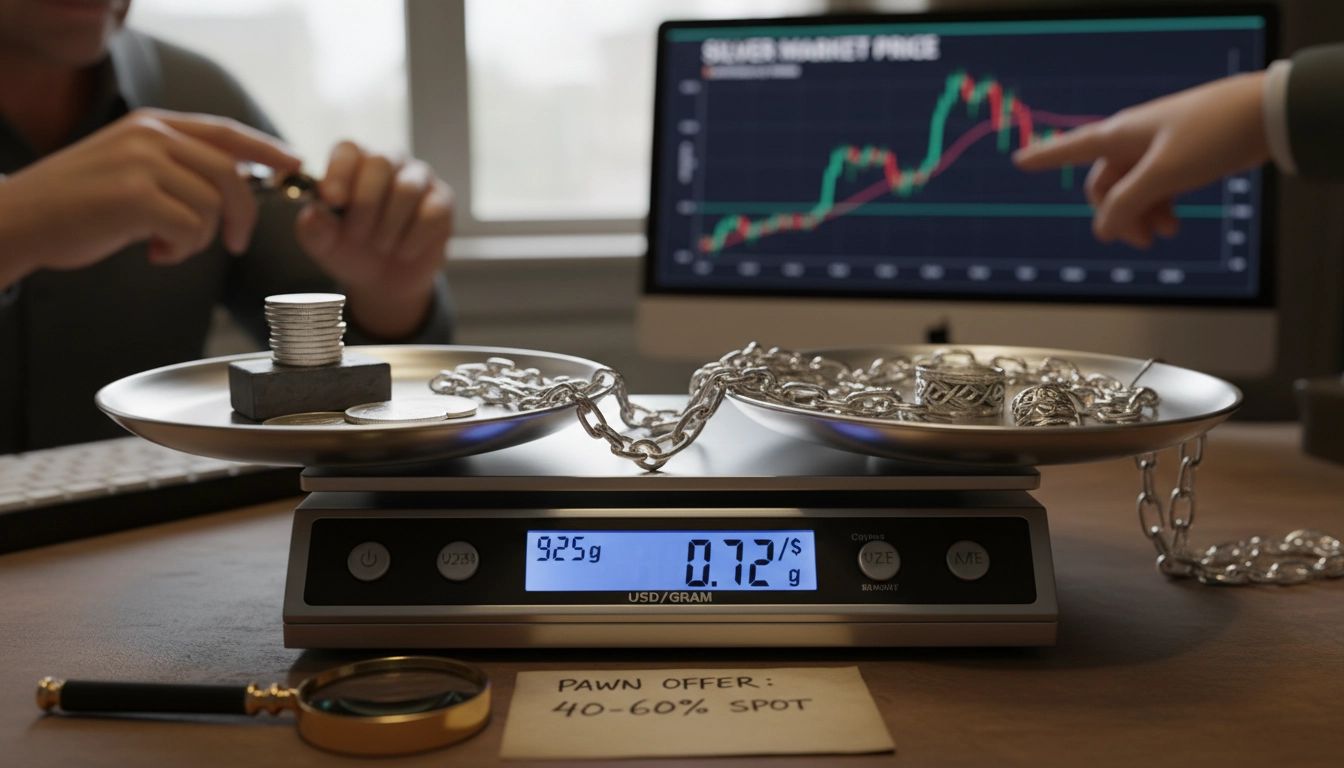
Sterling Silver Price Per Gram: How to Avoid Getting Ripped Off at Pawn Shops and Jewelers
Eco-Certifications for Mother of Pearl Jewelry Suppliers
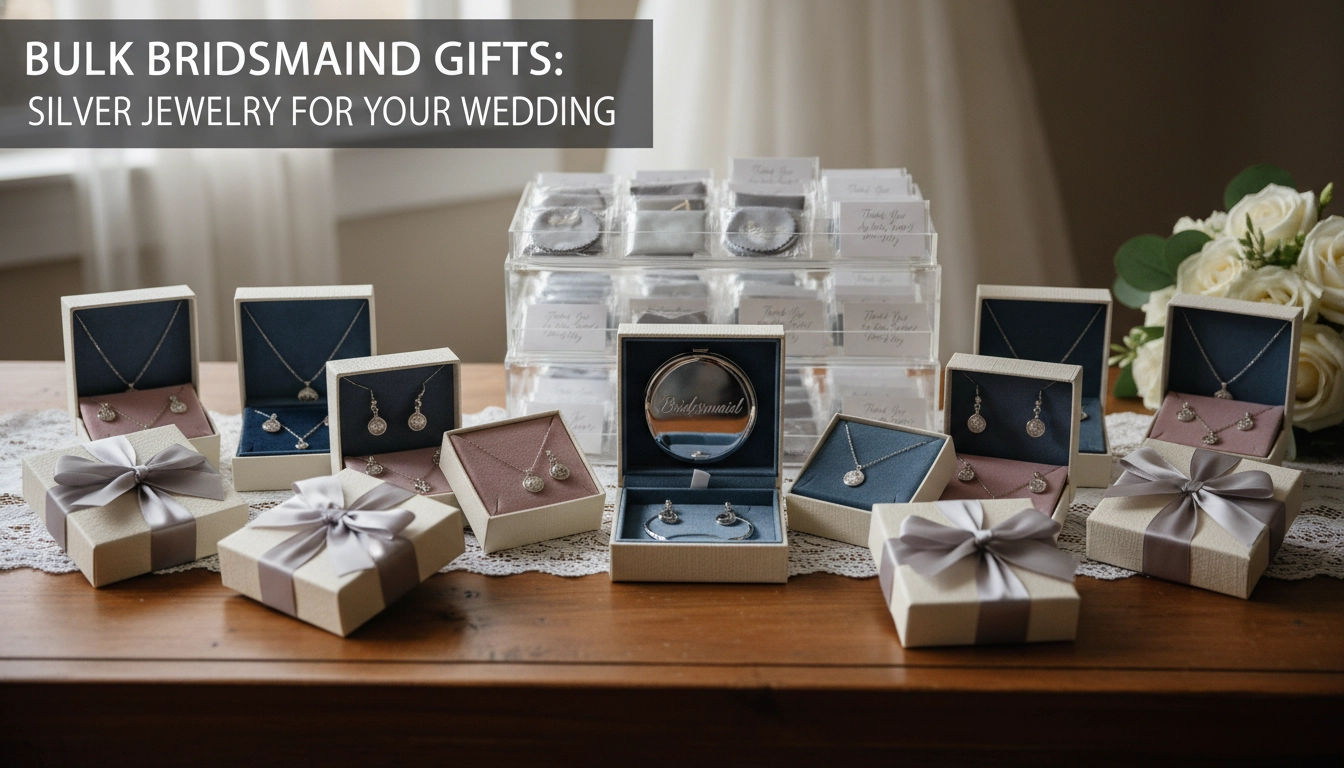
From Bridesmaids to Bridal Sets: The Complete Blueprint for Wholesale Wedding Silver Jewelry Sourcing
Product Categories
You may also like
Brass Jewelry
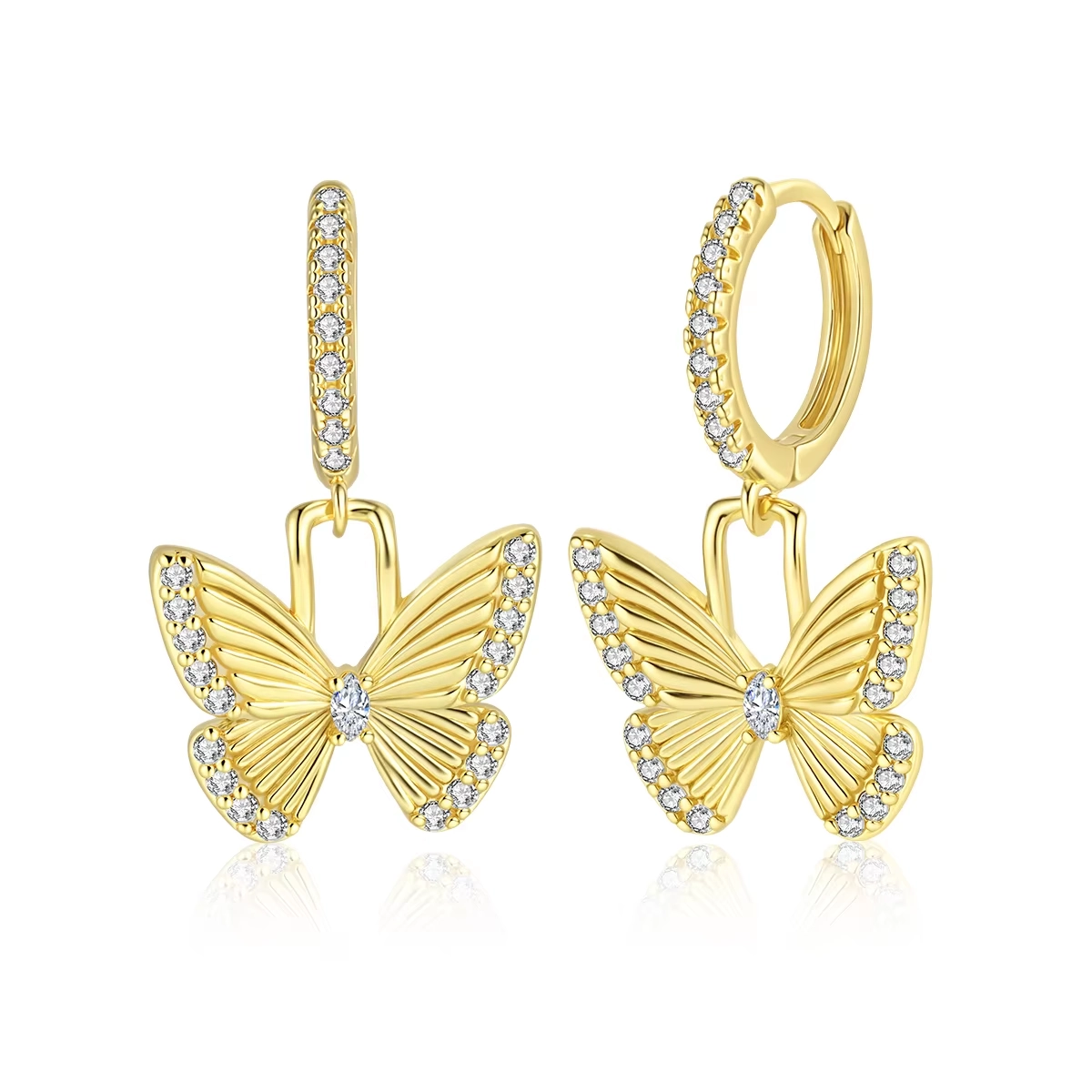
Custom Butterfly Hoop Earrings with Cubic Zirconia | 18K Gold Plated Jewelry
Read More
Brass Jewelry
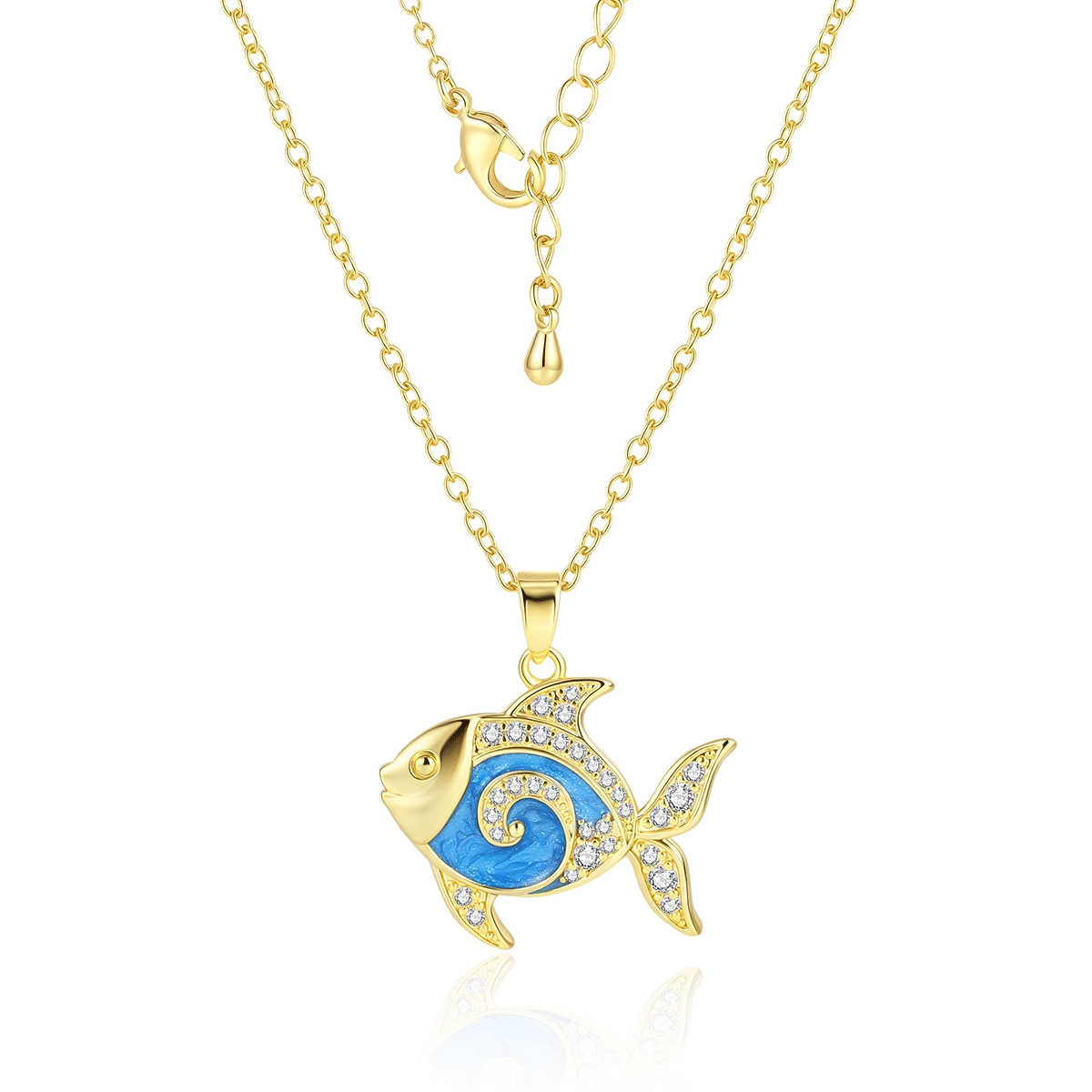
OEM Fish Shaped Necklace with Blue Enamel craft & Cubic Zirconia | 18K Gold Plated Custom Jewelry
Read More

925 Silver Jewelry
Customizable High-Quality Fashion 925 Sterling Silver AAA Cubic Zirconia Heart-Shaped Open Tennis Bracelet.
Read More
Get a Quote for Private Label Jewelry
We provide personalized jewelry customization services for clients worldwide.
Rest assured that your privacy is important to us, and all information provided will be handled with the utmost confidentiality.
By clicking 'Send Inquiry Now' I agree to HOLYCOME processing my personal data.
To see how to withdraw your consent, how to control your personal data and how we process it, please see our Privacy Policy and Terms of use.
From design to production, HOLYCOME offers a one-stop solution to help you enhance your brand value and market competitiveness.
Get A Quote
Contact
Tel: (+86) 188 1927 7817
© 2026 HOLYCOME. All Rights Reserved.
Facebook
Instagram
YouTube
Whatsapp: +8618078079070