







Email: sales3@zhefanjewelry.com
From Loose Pearl to Finished Jewelry: A Complete Pearl Jewelry Production Guide
A practical guide to transforming loose pearls into finished jewelry, covering pearl selection, design, drilling, setting, metal choices, quality control, packaging, and supplier evaluation. It also explains how coordinated sourcing across pearl, sterling silver, brass, and gold vermeil jewelry can support consistent product development.
- How Loose Pearls Become Production-Ready Jewelry
- Define the pearl brief before approving a sample
- Choose a design that respects pearl structure
- Plan drilling and attachment around the end use
- Production, Materials, and Quality Controls
- Match the metal and construction to the product position
- Build inspection into each production stage
- Control sampling, lead time, and repeat orders
- Supplier Selection and Collection Development
- Evaluate process transparency, not just sample appearance
- Use our product range to plan complementary styles
- Prepare a practical request for quotation
- Frequently Asked Questions
Turning a loose pearl into sellable jewelry requires more than selecting an attractive gem: buyers must align pearl identity and quality, design tolerances, metal compatibility, assembly methods, inspection criteria, and packaging. A pearl jewelry manufacturer or production partner should be able to explain how each decision affects appearance, durability, cost, lead time, and repeatability. This guide maps the process from sourcing and grading through setting and final quality control, with practical checkpoints for brands, distributors, and procurement teams.
How Loose Pearls Become Production-Ready Jewelry
Define the pearl brief before approving a sample
Start with a written specification rather than a broad request for “high-quality pearls.” Record the intended pearl type, shape, size range, color, surface expectations, luster, matching requirements, and acceptable variation. Pearl characteristics are assessed through multiple factors; GIA’s pearl quality factors include size, shape, color, luster, surface quality, and nacre. These factors help buyers describe what matters for a particular design, but they do not replace a project-specific acceptance standard.
Specify whether the design calls for natural or cultured pearls and identify the intended source category, such as freshwater or saltwater, when known and commercially relevant. A supplier should disclose material identity accurately and provide supporting documentation appropriate to the product and market. For matched earrings or multi-pearl strands, define how close the pearls must be in size, shape, color, and visual character. Without those tolerances, a sample may look acceptable while bulk production delivers visibly inconsistent pairs or strands.
Budgeting should account for selection yield as well as the unit cost of the pearl. A tightly matched design may require a larger pool of available pearls than a design that intentionally celebrates variation. Buyers can manage cost without compromising the brief by adjusting pearl size, shape, matching strictness, or setting style before the final sample is approved.
Choose a design that respects pearl structure
Pearls are organic gems, so their handling and mounting requirements differ from those of many faceted gemstones. Their surfaces can be damaged by impact, abrasion, harsh chemicals, and unsuitable cleaning practices. Designs should protect the pearl from repeated contact with hard surfaces and avoid settings that place unnecessary pressure on its body. For a pendant or ring, the setting geometry should secure the pearl without hiding the visual qualities that motivated its selection.
Design engineering begins with drawings or a detailed specification showing dimensions, attachment points, metal thickness, pearl orientation, and any required chain or clasp details. For a collection, confirm that the same pearl size and setting can be sourced consistently across related styles. A prototype can reveal issues that a rendering cannot, including awkward movement, sharp edges, an unbalanced pendant, or a setting that makes the pearl difficult to clean.
Plan drilling and attachment around the end use
Drilling is a high-consequence operation because the hole location and diameter affect both appearance and mechanical security. A through-drilled pearl may suit a strand or a component threaded onto a post, while a half-drilled pearl is commonly used with a post or peg-style fitting. The drawing should make the drilling direction, hole position, and connection method unambiguous. Buyers should also confirm how the workshop handles drilling chips, alignment, and inspection before assembly.
Adhesive can be used in some pearl settings, but the bond depends on suitable surfaces, controlled application, curing, and compatibility with the components. It should not be treated as a substitute for sound design. Sample testing should check alignment and retention under reasonable handling conditions, and the production specification should document the approved attachment method. For pieces intended for frequent wear, consider whether a mechanical feature can provide additional security without stressing the pearl.
Production, Materials, and Quality Controls
Match the metal and construction to the product position
The supporting metal affects price point, weight, appearance, care guidance, and the jewelry’s construction. Sterling silver is commonly identified as 925 silver, meaning 925 parts per thousand are silver; the remaining portion consists of other metals used in the alloy. Gold vermeil is a defined gold-over-silver category in the United States: the FTC Jewelry Guides describe requirements including a sterling silver base, a gold layer of at least 10-karat fineness, and minimum thickness of 2.5 microns. Requirements and labeling rules can differ across markets, so confirm the applicable regulations before making claims on product pages or packaging.
Brass can serve as a cost-conscious base material for fashion jewelry, but buyers should specify the alloy, surface finish, plating or coating, and any relevant restrictions for the destination market. For silver and gold vermeil designs, define the intended finish and color, component dimensions, and care information. Pearl and metal choices should be reviewed together: a delicate pearl can be visually overwhelmed by a heavy setting, while a lightweight fitting may not provide adequate support for a larger pearl.
| Material or category | Reference point | Production and procurement consideration |
|---|---|---|
| Sterling silver | 925 parts per thousand silver | Specify alloy, finish, component dimensions, and the required market labeling. |
| Gold vermeil in the United States | Sterling silver base; gold layer at least 10-karat fineness and 2.5 microns thick under FTC guidance | Request clear material and coating specifications; verify claims against destination-market rules. |
| Brass | Composition and finish depend on the specified alloy and process | Document the alloy, surface treatment, color target, and applicable compliance requirements. |
The table summarizes procurement reference points, not a substitute for testing or legal review. For international distribution, assess composition, labeling, chemical restrictions, and consumer-protection requirements in each destination market. A reliable production partner should be willing to clarify what a material description means and what documents can support it.
Build inspection into each production stage
Quality control is most effective when it happens at defined checkpoints rather than only after assembly. Incoming inspection can confirm pearl type and the agreed visual range. In-process checks can review drilling, component dimensions, surface finish, setting alignment, and attachment. Final inspection can assess appearance, clasp or closure operation, sharp edges, cleanliness, and packaging. The acceptance checklist should describe observable criteria, sampling expectations, and how nonconforming pieces will be handled.
For matched products, retain an approved reference sample or documented images under consistent lighting. This helps production teams distinguish acceptable natural variation from defects or a meaningful shift in color, shape, or luster. Buyers should agree whether inspection is conducted piece by piece or by sampling and should identify the party responsible for approval. Where a product is sold in pairs or sets, the inspection unit should be the complete pair or set, not each component considered in isolation.
Control sampling, lead time, and repeat orders
Product development typically moves through design confirmation, prototype review, sample revision, pre-production approval, manufacturing, final inspection, and packing. Timelines depend on material availability, pearl matching, tooling or setting complexity, order size, and the number of revisions. A realistic project schedule includes time for buyer feedback and approval; delaying decisions at the sample stage can affect launch dates more than the assembly work itself.
Before placing a repeat order, preserve the approved bill of materials, drawings, pearl tolerances, finish references, packaging instructions, and inspection checklist. Ask how substitutions are approved if the original pearl selection or metal component is unavailable. Change control matters because an unapproved substitution may alter color, fit, durability, or the product’s declared material composition. For seasonal collections, early confirmation of forecast volumes can help buyers and suppliers plan sourcing without treating estimates as guaranteed orders.
Supplier Selection and Collection Development
Evaluate process transparency, not just sample appearance
A polished sample demonstrates potential, but it does not prove that a supplier can reproduce the same result at scale. Procurement teams should assess how the supplier documents material identity, controls pearl matching, manages component sourcing, inspects production, and communicates deviations. Ask for a written quotation that separates product specifications, sampling costs, minimum order quantities, production lead time, packaging, and shipping assumptions. Clear commercial terms reduce the risk of comparing quotations that describe different products.
Buyers should also discuss ownership of drawings and molds, confidentiality for custom designs, sample retention, and approval authority. Clarify who pays for rework when a batch does not meet agreed criteria and how corrective action will be recorded. These conversations are particularly valuable for businesses building a private-label collection, where consistency across future orders can matter as much as the first delivery.
Use our product range to plan complementary styles
Our product offering spans pearl jewelry, 925 silver jewelry, sterling silver jewelry, gold vermeil jewelry, and brass jewelry. This mix gives buyers a basis for planning related styles across different material and price positions, such as a pearl pendant in silver alongside a brass fashion-jewelry interpretation. The appropriate construction still depends on the project brief, target market, design, and confirmed material specification; product categories alone do not determine quality or regulatory suitability.
We encourage project owners to share target retail positioning, reference images, preferred pearl characteristics, order quantities, and launch timing at the start of development. That information makes it easier to assess whether a proposed design is practical, identify details that require clarification, and align the sample with the intended customer. For pearl-led collections, this discussion should include matching tolerances and attachment requirements; for metal-led collections, it should include alloy, finish, and labeling expectations.
Our approach is to keep product requirements visible from concept through final inspection, so buyers can evaluate design, material, and production decisions against the same brief. Where a project combines pearls with sterling silver, gold vermeil, or brass components, the specification should clearly identify each material and finish rather than relying on a general style description. This supports more informed approvals, more consistent repeat orders, and product information that is easier for sales and operations teams to manage.
Prepare a practical request for quotation
A focused request for quotation helps suppliers return comparable proposals. Include a sketch or reference image, target dimensions, pearl type and quality range, metal specification, finish, quantity by style, packaging needs, destination market, and target delivery window. Identify which attributes are fixed and which may be proposed for cost or lead-time optimization. If a design allows alternative pearl shapes or metal finishes, list those alternatives explicitly rather than leaving them open to interpretation.
Request a sample plan that names the approval stages and explains whether the production sample will use the same materials as bulk goods. Ask how defects, natural pearl variation, and buyer-requested changes will be documented. A complete brief does not eliminate development questions, but it makes those questions easier to resolve before production commitments are made.
To discuss a pearl, silver, gold vermeil, or brass jewelry project, contact our team or explore our product range.
Frequently Asked Questions
What information should buyers include in a pearl jewelry production brief?
Include the intended pearl type, shape, size range, color, surface expectations, luster, matching requirements, design dimensions, metal specification, finish, quantity, packaging needs, destination market, and target delivery window. Identify which attributes are fixed and which may be adjusted.
How are pearls matched for earrings or multi-pearl designs?
Define acceptable tolerances for size, shape, color, and visual character before sampling. Buyers can use an approved reference sample or documented images under consistent lighting to help distinguish acceptable natural variation from a meaningful mismatch.
What is the difference between a through-drilled and a half-drilled pearl?
A through-drilled pearl has a hole passing through it and may suit a strand or a component threaded onto a post. A half-drilled pearl has a partial hole and is commonly used with a post or peg-style fitting. The design specification should state the intended drilling and attachment method.
What does 925 mean in sterling silver jewelry?
925 indicates 925 parts per thousand are silver, with the remaining portion consisting of other metals used in the alloy. Buyers should still specify the alloy, finish, dimensions, and applicable market labeling.
What qualifies as gold vermeil under U.S. FTC guidance?
The FTC Jewelry Guides describe gold vermeil as having a sterling silver base and a gold layer of at least 10-karat fineness and 2.5 microns in thickness. Buyers should confirm applicable rules in each market where the jewelry will be sold.
Which quality checks should be completed before pearl jewelry ships?
Final checks can assess pearl appearance against the agreed specification, setting alignment, attachment security, component finish, clasp or closure operation, sharp edges, cleanliness, and packaging. Inspection criteria and sampling expectations should be agreed before production.
Tags
bulk custom brass earrings
bulk custom brass earrings
mop heart necklace
mop heart necklace
silver bracelet contract manufacturer
silver bracelet contract manufacturer
wholesale cz brass jewelry price list
wholesale cz brass jewelry price list
brass dangle earrings
brass dangle earrings
men's 925 sterling silver bracelets
men's 925 sterling silver bracelets
Recommended for you
Photo and Packaging Specs for Selling Gold Plated Earrings
Comparing 925 sterling silver vs silver plated nickel free
Minimum viable order: sampling strategies for new buyers
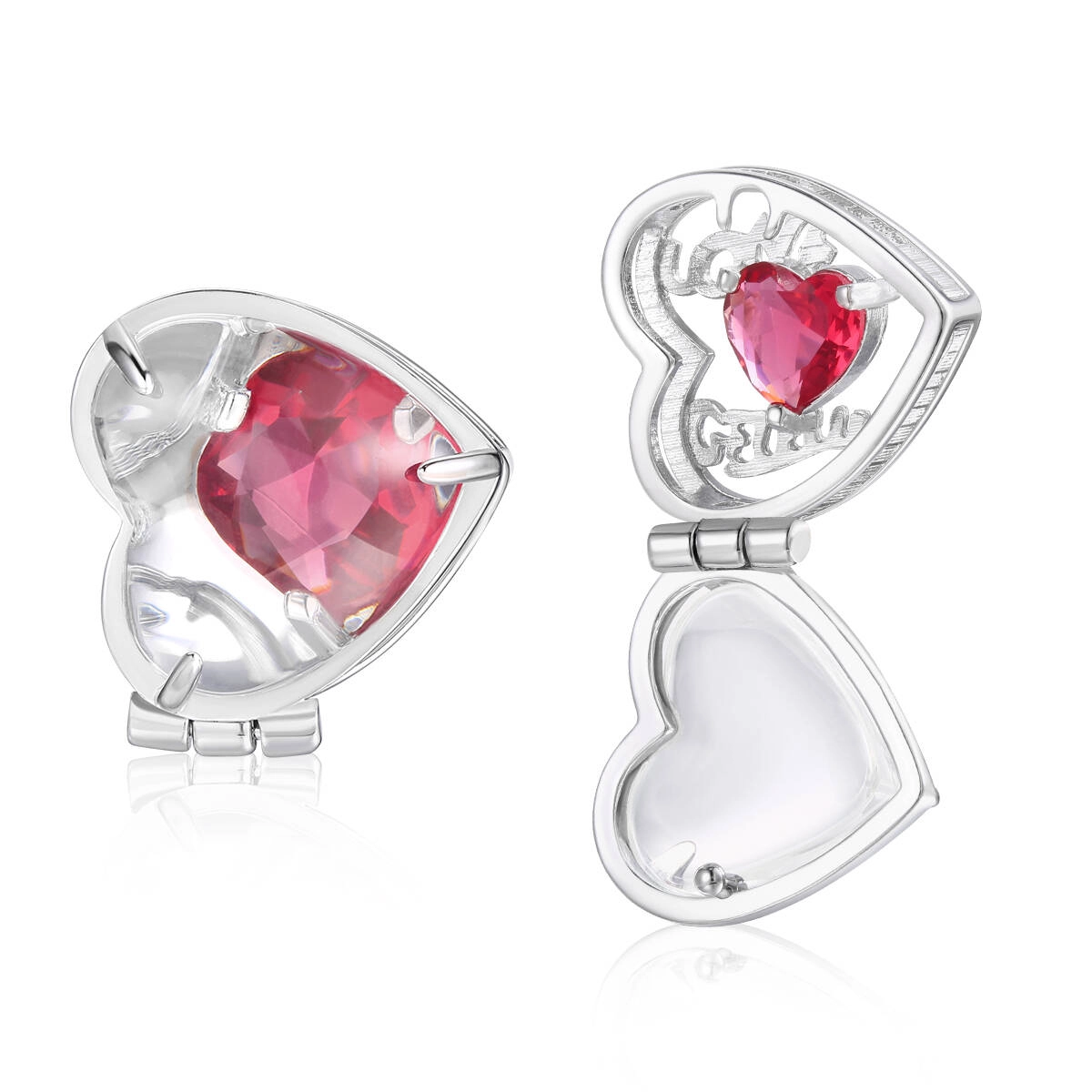
Vintage Heart Photo Earrings | Custom 925 Silver Photo Jewelry Manufacturer - Zhefan Jewelry
Product Categories
You may also like

925 Silver Jewelry
Customizable High-Quality Fashion 925 Sterling Silver AAA Cubic Zirconia Heart-Shaped Open Tennis Bracelet.
Read More

Brass Jewelry
Customizable OEM ODM High-Quality Fashion Brass AAA Cubic Zirconia Classic Tennis Bracelet for Women Wholesale.
Read More
Get a Quote for Private Label Jewelry
We provide personalized jewelry customization services for clients worldwide.
Rest assured that your privacy is important to us, and all information provided will be handled with the utmost confidentiality.
By clicking 'Send Inquiry Now' I agree to ZHEFAN JEWELRY processing my personal data.
To see how to withdraw your consent, how to control your personal data and how we process it, please see our Privacy Policy and Terms of use.
From design to production, ZHEFAN JEWELRY offers a one-stop solution to help you enhance your brand value and market competitiveness.
Get A Quote
Contact
Tel: (+86) 188 1927 7817
© 2026 Zhefan Jewelry. All Rights Reserved.
Facebook
Instagram
YouTube
Whatsapp: +8618819277817