







Email: sales3@zhefanjewelry.com
Mastering Material Selection: Insights from a Leading OEM Jewelry Manufacturer
Material selection determines jewelry durability, appearance, compliance, production cost, and resale performance. This guide explains how brand owners can compare brass, 925 sterling silver, gold vermeil, and pearl components by application, finish, wear conditions, target price, and regulatory requirements, while showing how Zhefan Jewelry supports scalable OEM and ODM production.
- How to Build a Commercially Sound Jewelry Material Strategy
- Start with the product brief, not the alloy catalog
- Balance performance, price, and perceived value
- Technical Criteria for Comparing Metals, Plating, and Pearls
- Evaluate the complete surface system
- Use objective tests for wear and compliance
- Procurement Controls That Protect Margin and Brand Reputation
- Convert the design into a production-ready specification
- Measure supplier capability through evidence
- Why Zhefan Jewelry Supports Scalable Material Execution
- Integrated capability for brass, silver, vermeil, and pearl programs
- Quality systems designed for repeatable commercial results
- A practical decision sequence for the next collection
- Frequently Asked Questions
Material selection is one of the most consequential decisions in a jewelry development program because it affects product positioning, comfort, durability, plating performance, regulatory compliance, landed cost, and customer satisfaction at the same time. A capable oem jewelry manufacturer should therefore evaluate more than the visual appeal of a sample; buyers need a documented framework covering alloy composition, base-metal behavior, surface treatment, stone or pearl security, production tolerances, testing, packaging, and expected use. Brass can support accessible fashion collections and complex silhouettes, while 925 sterling silver offers a precious-metal proposition and gold vermeil adds a High Quality plated finish when the required silver core and gold thickness are controlled. The best commercial outcome comes from matching each material to the product’s intended market, selling price, wear environment, and brand promise.
How to Build a Commercially Sound Jewelry Material Strategy
Start with the product brief, not the alloy catalog
Material decisions should begin with the customer and use case. A lightweight trend-led earring may prioritize shape retention, low unit cost, and rapid color development. A daily-wear ring requires greater attention to abrasion, skin contact, polishing quality, stone security, and finish maintenance. A High Quality necklace may justify sterling silver, gold vermeil, or carefully selected pearl components because the perceived value and storytelling potential are higher. Buyers should define the target retail price, expected order volume, sales channel, customer sensitivity to nickel or tarnishing, desired color, warranty position, and estimated product life before requesting quotations.
Material substitution should never be treated as a simple cost-cutting exercise. Changing a silver component to brass can alter weight, hardness, soldering behavior, color stability, plating adhesion, and consumer perception. Similarly, changing a gold-plated brass item to vermeil requires a silver base and a defined gold layer, which changes both material cost and the compliance documentation expected by the market. A detailed bill of materials should identify every visible and hidden component, including clasps, posts, jump rings, chains, backing plates, adhesives, stones, and protective coatings.
Balance performance, price, and perceived value
Brass jewelry is often effective for fashion collections, statement pieces, sculptural forms, and seasonal capsules because brass is workable, widely available, and compatible with many plating colors. Its limitations must also be managed: unprotected brass can oxidize, surface color can change, and prolonged skin exposure may create concerns for some consumers depending on alloy composition and coating integrity. A reliable supplier should recommend suitable plating systems, barrier layers, polishing standards, and wear-testing criteria rather than presenting brass as universally equivalent to precious metal.
925 sterling silver contains 92.5% silver by mass, with the balance typically consisting of other metals used to improve strength and workability. It offers strong consumer recognition, a High Quality material story, and good suitability for earrings, pendants, rings, bracelets, and chains. However, sterling silver can tarnish in response to environmental exposure and certain chemicals. Packaging, anti-tarnish protection, cleaning guidance, and surface finishing are therefore part of the material strategy. Gold vermeil generally combines a sterling silver core with a gold surface layer, so buyers should verify the gold purity, plating thickness, adhesion, and quality-control records instead of relying only on the term “vermeil.”
Technical Criteria for Comparing Metals, Plating, and Pearls
Evaluate the complete surface system
The visible finish is a system rather than a single process. It may include casting or stamping, deburring, filing, polishing, cleaning, base plating, barrier plating, color plating, protective coating, and final inspection. Each stage influences the next. Inadequate polishing can leave pits that become visible after plating; contamination can reduce adhesion; inconsistent plating thickness can create color variation between production lots. Buyers should request a process flow and define acceptance standards for color, gloss, texture, edge coverage, solder marks, pinholes, scratches, and exposed base metal.
Testing should reflect the intended market and use conditions. The European Union REACH Regulation establishes controls for chemicals and substances of concern, while the EU RoHS Directive restricts certain hazardous substances in electrical and electronic equipment; RoHS may not apply to ordinary jewelry, but buyers should avoid presenting it as a universal jewelry certification. For consumer marketing, the U.S. Federal Trade Commission Jewelry Guides provide guidance on how precious-metal, gemstone, and pearl claims should be represented. Documentation must match the destination market and the actual product construction.
Use objective tests for wear and compliance
A professional sourcing process can combine visual inspection with dimensional checks, plating-thickness measurement where appropriate, adhesion testing, color comparison, nickel-release assessment for relevant markets, tarnish or corrosion evaluation, clasp-cycle testing, and stone-security checks. ISO 9227 describes methods for salt-spray testing of metallic coatings, although the test method and duration should be selected according to the product and should not be treated as a guarantee of real-world wear. Test reports are most useful when the sample construction, laboratory method, acceptance limit, and production batch are clearly identified.
Pearl jewelry requires a different risk assessment from solid metal products. Buyers should specify natural, cultured, freshwater, shell, or imitation pearl construction, along with size tolerance, luster, surface grading, shape, drilling quality, color consistency, and matching requirements. Pearls are comparatively soft and can be damaged by abrasion, cosmetics, solvents, and heat. Product pages, care cards, and packaging should communicate appropriate handling. For higher-value collections, a documented grading approach and batch approval process can reduce disputes caused by subjective appearance differences.
| Material or construction | Commercial strengths | Primary risks | Best-fit applications | Buyer verification points |
|---|---|---|---|---|
| Brass with protective plating | Cost efficiency, design flexibility, suitable for trend collections | Oxidation, plating wear, possible skin sensitivity depending on composition | Fashion earrings, chains, pendants, statement forms | Alloy declaration, plating stack, adhesion, color consistency, wear test |
| 925 sterling silver | Recognized precious-metal value, High Quality positioning, broad product suitability | Tarnishing, higher material cost, deformation in thin sections | Rings, earrings, bracelets, pendants, fine everyday collections | Fineness marking, component composition, polishing, tarnish protection |
| Gold vermeil | High Quality gold appearance with a silver foundation and strong storytelling value | Higher cost, surface wear, inconsistent thickness if process control is weak | Elevated fashion, gifting, capsule and High Quality online collections | Silver core, gold purity, layer thickness, adhesion, batch inspection |
| Cultured or freshwater pearls | Organic visual appeal, giftability, differentiated texture | Surface damage, size and shape variation, care sensitivity | Necklaces, earrings, bridal, resort, occasion collections | Type disclosure, grading criteria, drilling, matching, protective packaging |
Procurement Controls That Protect Margin and Brand Reputation
Convert the design into a production-ready specification
A concept image is not sufficient for repeatable manufacturing. A production pack should include approved drawings, dimensions, tolerances, 3D files when needed, material declarations, plating color references, stone or pearl specifications, logo placement, clasp direction, packaging requirements, barcode details, and an approved golden sample. The specification should also define what constitutes a critical, major, or minor defect. This helps purchasing teams compare quotations on an equivalent basis and prevents a low initial quote from becoming an expensive change-order cycle.
Tooling and mold ownership should be clarified before production begins. Buyers should confirm whether mold fees are one-time charges, how revisions are priced, who owns the tooling, how long the mold is expected to last, and whether the supplier retains production files. For complex castings, early review of wall thickness, draft angles, undercuts, weight, and drainage points can reduce porosity and finishing problems. Design-for-manufacturing review is particularly valuable when a brand plans to scale a style across multiple sizes or plating colors.
Measure supplier capability through evidence
Supplier evaluation should cover more than factory photographs. Buyers can request recent inspection records, sample approval procedures, material declarations, corrective-action examples, production capacity by process, lead-time assumptions, and traceability from raw material to finished goods. Capacity claims should be tested against actual staffing, equipment, work-in-progress controls, and peak-season planning. A factory that can produce a large volume but cannot maintain color consistency or inspection discipline may create more commercial risk than a smaller but controlled partner.
A practical purchase agreement should define sample approval, pre-production confirmation, acceptable quality limits, inspection timing, rework responsibility, shipment release, replacement policy, confidentiality, intellectual-property protection, and change-control procedures. Buyers should also separate development lead time, tooling lead time, bulk production time, inspection time, and shipping time. This makes inventory planning more accurate and reduces the chance that a product launch depends on an unrealistic single lead-time number.
Why Zhefan Jewelry Supports Scalable Material Execution
Integrated capability for brass, silver, vermeil, and pearl programs
Zhefan Jewelry is a Guangzhou-based fashion jewelry manufacturer established in 2002, with a company legacy dating back to 1997. Founded by a master mold craftsman, our manufacturing culture is built around long-term refinement of tooling, finishing, quality control, and customer service. We specialize in brass jewelry, 925 silver jewelry, sterling silver jewelry, gold vermeil jewelry, and pearl jewelry, allowing brand owners to develop coordinated collections across accessible, High Quality, and trend-led price tiers.
Our two factories in Guangzhou and Meizhou cover 800 square meters and are supported by more than 80 skilled artisans and 20 sales professionals. Monthly output can reach 600,000 pieces, giving distributors, online retailers, and established brands a production platform suited to both repeat programs and larger launches. At the same time, our professional design team introduces more than 500 original styles each month, helping partners respond to seasonal demand and changing fashion signals without sacrificing manufacturing discipline.
Quality systems designed for repeatable commercial results
Our process includes six rounds of precision polishing and six strict quality inspections. This layered approach is designed to identify surface defects, dimensional inconsistencies, plating issues, assembly problems, and visual irregularities before shipment. We also use RoHS- and REACH-compliant eco-friendly materials where applicable to the product and destination-market requirements, with documentation and claims handled according to the actual specification. These controls help reduce returns, rework, customer complaints, and inconsistent replenishment lots.
For brand owners, the value of a manufacturing partner is measured by more than unit price. Consistent finishing protects product reviews, reliable sampling supports faster approvals, responsive engineering reduces development friction, and stable output improves inventory availability. Zhefan Jewelry provides OEM and ODM support for clients ranging from leading Amazon sellers to international retailers such as Macy’s. Our role is to connect material selection, product engineering, production scale, inspection, delivery, and dedicated communication into one accountable workflow.
Material selection can be developed with our team according to target price, intended wear, design complexity, plating color, market requirements, and launch volume. A buyer evaluating brass jewelry may need a different polishing and protective strategy from a buyer developing a sterling silver or gold vermeil collection. Likewise, a pearl program requires its own grading, matching, drilling, packaging, and care process. Aligning these requirements at the quotation and sample stage gives project owners clearer cost control and fewer downstream surprises.
A practical decision sequence for the next collection
Begin by documenting the customer promise and retail architecture. Next, shortlist the material family and define the visible finish, component structure, and compliance needs. Then request samples made to the intended construction rather than generic showroom samples. Compare weight, comfort, color, edge quality, clasp function, pearl matching, packaging compatibility, and test evidence. After approval, lock the golden sample and production specification, conduct pre-shipment inspection, and review post-launch returns by defect type. This closed-loop process turns material selection into a measurable operating advantage.
For procurement teams, the strongest supplier relationship is one in which commercial objectives and technical controls are discussed together. A partner that understands alloy behavior, mold design, polishing, plating, inspection, and market presentation can help a brand protect both gross margin and reputation. Zhefan Jewelry combines manufacturing heritage, scalable capacity, rapid style development, and detailed quality controls to support that objective across global fashion jewelry programs.
Frequently Asked Questions
How should buyers choose between brass and 925 sterling silver jewelry?
Brass is often effective for accessible fashion collections, statement pieces, and complex silhouettes because it supports design flexibility and cost efficiency. 925 sterling silver offers a recognized precious-metal proposition and is suited to premium everyday collections, but it requires attention to tarnish protection, packaging, and material documentation.
What should buyers verify when sourcing gold vermeil jewelry?
Buyers should verify that the core is sterling silver, confirm the gold purity and surface-layer thickness, and review adhesion, color consistency, polishing, and batch-inspection records. The term should be supported by the actual product construction and the requirements of the destination market.
What tests are useful for plated jewelry?
Useful controls may include visual inspection, dimensional checks, plating-thickness measurement where appropriate, adhesion testing, color comparison, nickel-release assessment for relevant markets, tarnish or corrosion evaluation, clasp-cycle testing, and stone-security checks. ISO 9227 can provide a salt-spray testing method for metallic coatings, but the method and duration should match the product and intended use.
What information should be included in a jewelry production specification?
A production pack should include approved drawings, dimensions, tolerances, 3D files when needed, material declarations, plating color references, stone or pearl specifications, logo placement, clasp direction, packaging requirements, barcode details, and an approved golden sample. It should also define critical, major, and minor defects.
How should pearl jewelry be specified for bulk production?
Buyers should specify whether the pearls are natural, cultured, freshwater, shell, or imitation, along with size tolerance, luster, surface grading, shape, drilling quality, color consistency, and matching requirements. Packaging and care instructions are important because pearls can be damaged by abrasion, cosmetics, solvents, and heat.
What supplier capabilities should a B2B jewelry buyer evaluate?
Evaluation should include inspection records, sample-approval procedures, material declarations, corrective-action examples, production capacity, lead-time assumptions, traceability, tooling ownership, change-control procedures, and peak-season planning. Capacity should be supported by evidence of staffing, equipment, workflow, and quality discipline.
Tags
u shaped earrings
u shaped earrings
mens brass rings
mens brass rings
brass earring manufacturer china
brass earring manufacturer china
925 sterling bracelet export factory
925 sterling bracelet export factory
holiday charm jewelry wholesale
holiday charm jewelry wholesale
925 silver bracelets
925 silver bracelets
Recommended for you
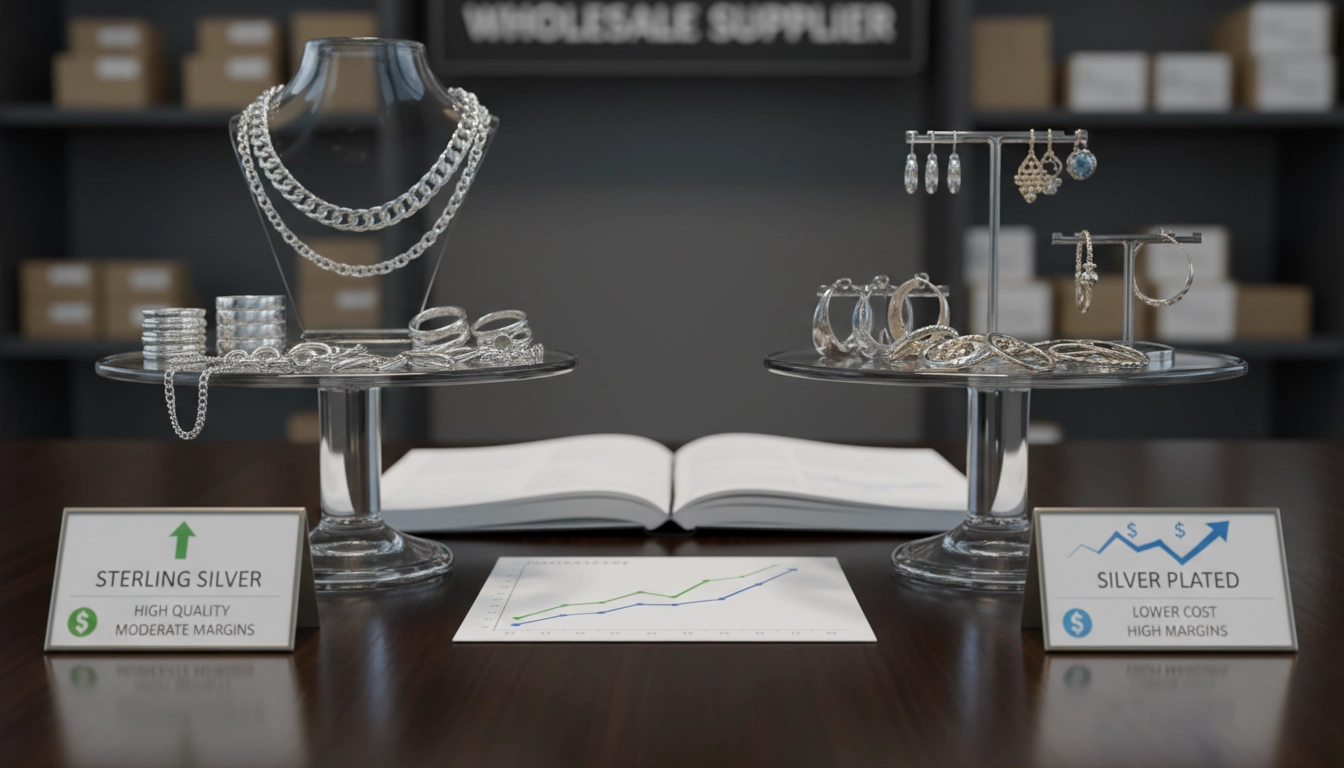
Silver Plated vs. Sterling Silver: Which Sourcing Strategy Will Double Your Profit Margins in 2026?
Scaling Orders: From Samples to Mass Tennis Production
10 Best Men's Silver Jewelry Wholesale Suppliers in 2026 [Ranked & Reviewed]
Cost Breakdown of Mother of Pearl Stud Earrings
Product Categories
You may also like
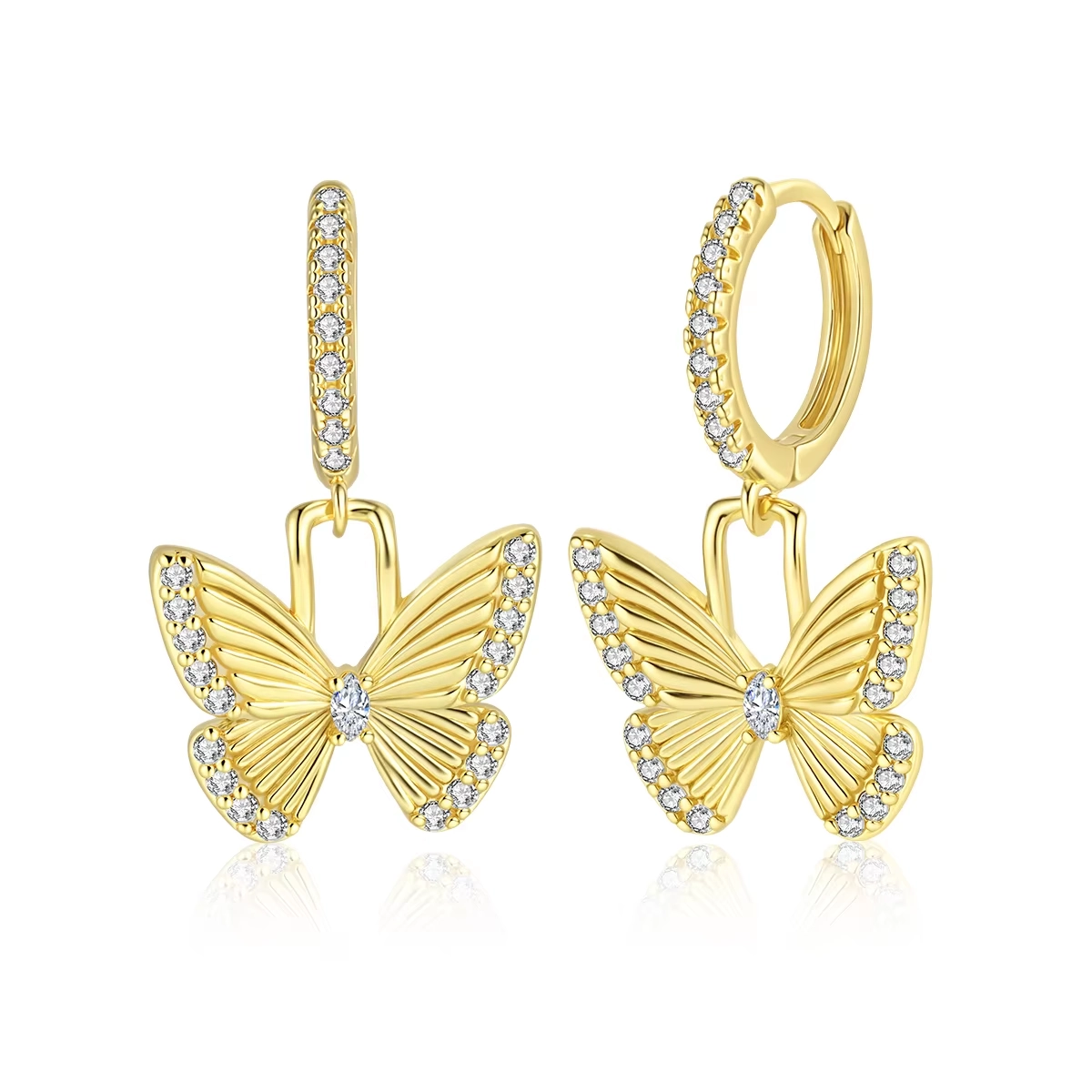
Brass Jewelry
Custom Butterfly Hoop Earrings with Cubic Zirconia | 18K Gold Plated Jewelry
Read More
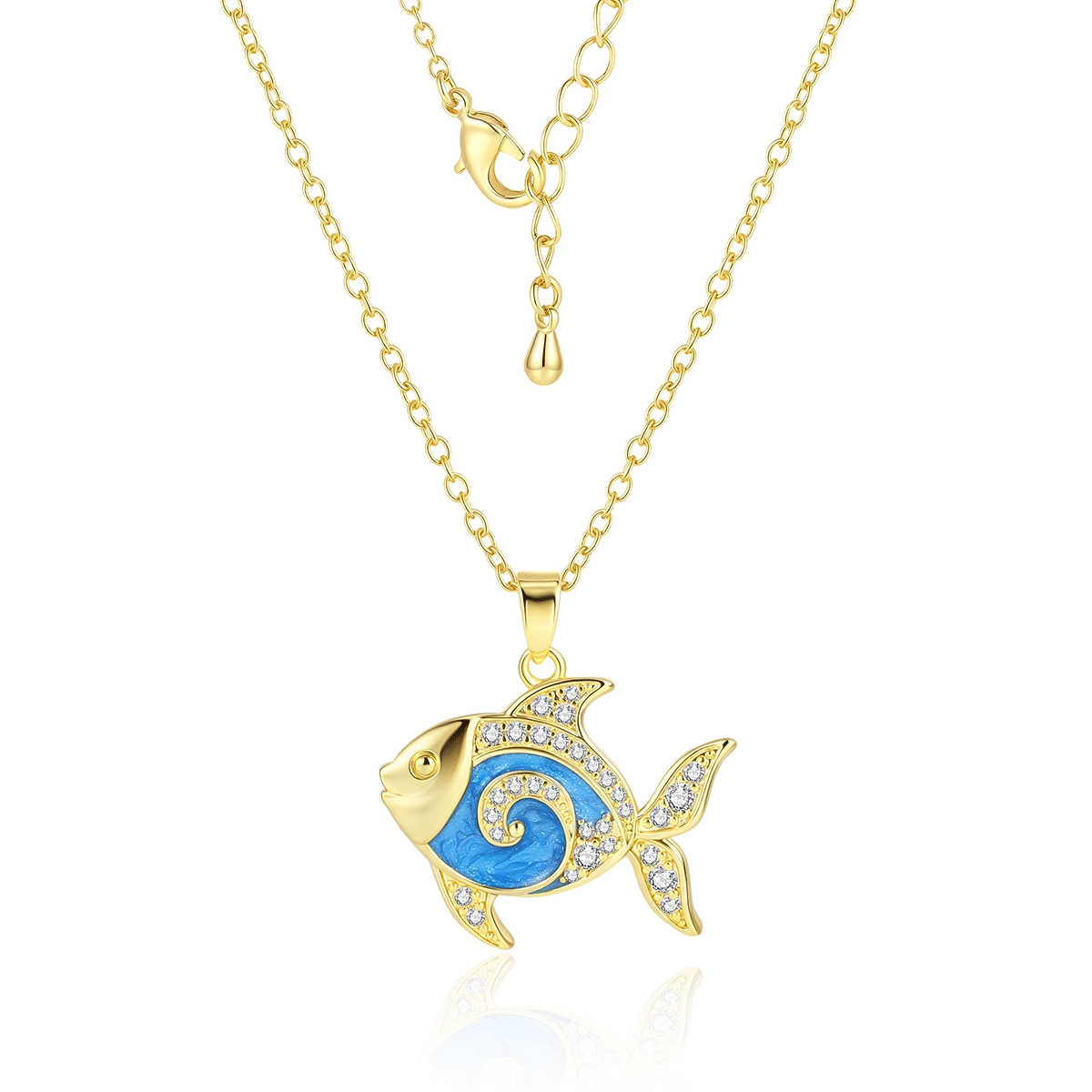
Brass Jewelry
OEM Fish Shaped Necklace with Blue Enamel craft & Cubic Zirconia | 18K Gold Plated Custom Jewelry
Read More

925 Silver Jewelry
Customizable High-Quality Fashion 925 Sterling Silver AAA Cubic Zirconia Heart-Shaped Open Tennis Bracelet.
Read More
Get a Quote for Private Label Jewelry
We provide personalized jewelry customization services for clients worldwide.
Rest assured that your privacy is important to us, and all information provided will be handled with the utmost confidentiality.
By clicking 'Send Inquiry Now' I agree to ZHEFAN JEWELRY processing my personal data.
To see how to withdraw your consent, how to control your personal data and how we process it, please see our Privacy Policy and Terms of use.
From design to production, ZHEFAN JEWELRY offers a one-stop solution to help you enhance your brand value and market competitiveness.
Get A Quote
Contact
Tel: (+86) 188 1927 7817
© 2026 Zhefan Jewelry. All Rights Reserved.
Facebook
Instagram
YouTube
Whatsapp: +8618819277817