







Email: sales3@zhefanjewelry.com
Navigating the Design-to-Production Workflow with Your OEM Jewelry Manufacturer
A successful jewelry collection depends on a controlled path from concept development and technical design to prototyping, material approval, production, inspection, packaging, and replenishment. Buyers should evaluate a manufacturing partner’s engineering capability, sample accuracy, plating controls, compliance documentation, capacity, communication, and quality systems before placing a bulk order. This guide explains each production stage, identifies common commercial risks, compares reactive and structured workflows, and shows how Zhefan Jewelry supports scalable brass, 925 silver, gold vermeil, sterling silver, and pearl jewelry programs.
- Building a Controlled Jewelry Development Pipeline
- Start with a commercially complete product brief
- Validate feasibility before investing in tooling
- Control intellectual property and revision status
- Moving from Prototype Approval to Production Readiness
- Use samples as technical evidence, not only visual references
- Confirm material, plating, and regulatory requirements
- Set objective quality gates before mass production
- Managing Bulk Manufacturing, Inspection, and Delivery
- Plan capacity and component availability together
- Evaluate finishing consistency at scale
- Connect logistics decisions to total landed cost
- Why Zhefan Jewelry Supports Scalable Brand Programs
- Combine craftsmanship with industrial capacity
- Support trend-driven product development
- Make quality and compliance visible
- Frequently Asked Questions
Taking a jewelry concept from a sketch to a commercially ready collection requires more than attractive design work. The project must connect creative direction with manufacturability, material science, tooling, finishing, compliance, packaging, and delivery planning. A capable oem jewelry manufacturer functions as an engineering and production partner, translating brand requirements into repeatable specifications while protecting the intended appearance, target cost, launch date, and customer experience. For buyers, the most reliable workflow is a gated process in which every important decision is documented and approved before the next stage begins.
Building a Controlled Jewelry Development Pipeline
Start with a commercially complete product brief
The first stage should convert a design idea into a measurable product brief. Instead of sending only reference images, project owners should define dimensions, weight targets, stone or pearl preferences, metal base, plating color, surface texture, logo placement, closure type, packaging requirements, estimated order quantity, destination markets, and target landed cost. A useful brief also identifies the intended customer, expected retail price, collection launch date, and acceptable alternatives if a particular component becomes unavailable.
Technical details reduce ambiguity during sampling. For example, a pendant brief should specify chain length, bail opening, pendant thickness, edge treatment, clasp style, and tolerance for dimensional variation. For earrings, the post gauge, backing type, balance, wear comfort, and nickel-related requirements should be recorded. This information gives the product development team a basis for engineering review rather than leaving commercial decisions to interpretation.
Validate feasibility before investing in tooling
Design approval should follow a manufacturability assessment. Engineers examine whether a shape can be cast, stamped, forged, or assembled efficiently; whether thin sections may deform; whether recessed areas can be polished; and whether plating will cover complex geometry consistently. Stone settings require particular attention because insufficient seat depth, weak prongs, or sharp edges can create both quality and returns risk.
The supplier should identify design-for-manufacturing changes before a mold or master model is created. A small adjustment to wall thickness, connector size, or clasp geometry can improve durability and reduce scrap. Buyers should request a written feasibility review covering tooling cost, expected sample timing, minimum order quantity, estimated unit price, finishing options, and any technical assumptions. This document becomes an early control against margin erosion.
Control intellectual property and revision status
Custom designs should be managed through clear file naming, revision codes, and approval records. Buyers should establish who owns the artwork, CAD files, molds, masters, and approved samples, especially when a design is exclusive or developed through a paid tooling program. A supplier agreement should address confidentiality, permitted use of designs, production authorization, defect remedies, and conditions for reordering.
Every change should be traceable. A revised stone color, plating thickness, chain length, or logo position can affect price and production performance. A simple approval matrix showing pending, approved, rejected, and superseded versions helps prevent an outdated drawing from reaching the factory floor.
Moving from Prototype Approval to Production Readiness
Use samples as technical evidence, not only visual references
A prototype must be evaluated for appearance, function, comfort, durability, and production repeatability. Buyers should inspect symmetry, solder or weld joints, surface transitions, clasp operation, stone security, plating uniformity, sharp edges, and the relationship between components. A sample that looks attractive in a photograph may still be too heavy, uncomfortable, fragile, or expensive for its intended market.
Approval should be based on a signed or digitally documented golden sample, supported by a specification sheet. The record should include approved material, dimensions, weight range, color reference, surface finish, logo treatment, packaging format, and acceptable defect limits. If the bulk order differs from the approved sample, the supplier should obtain written authorization before proceeding.
Confirm material, plating, and regulatory requirements
Material selection affects perceived value, durability, cost, and compliance. Brass jewelry can support broad design variety and accessible price points, while 925 silver jewelry and sterling silver jewelry are often selected for High Quality positioning and precious-metal appeal. Gold vermeil jewelry requires careful control of the silver base, gold layer, color, and wear expectations. Pearl jewelry adds natural variation, so grading criteria for luster, shape, surface marks, size, and matching should be defined in advance.
Buyers should request material declarations, test reports where relevant, and plating or coating specifications suitable for the destination market. RoHS addresses restrictions on certain hazardous substances in electrical and electronic products, so its applicability should be assessed rather than assumed for every jewelry item. REACH obligations may apply to substances and articles placed on the European market. The European Chemicals Agency’s REACH guidance provides the relevant regulatory context. Product claims should be supported by current documentation, and buyers should distinguish between supplier declarations and independent laboratory results.
Set objective quality gates before mass production
A production-ready quality plan should specify inspection points, sampling levels, defect classifications, measurement methods, and corrective-action procedures. Buyers can reference the ISO 2859-1 sampling standard when developing an acceptance sampling approach, although the final inspection plan should reflect product risk, order value, and customer requirements.
Typical checkpoints include incoming material inspection, first-article approval, in-process assembly checks, polishing review, plating verification, final visual inspection, functional testing, count reconciliation, and packaging inspection. Critical defects may include unsafe sharp edges, detached stones, broken clasps, wrong materials, or incorrect branding. Major defects can include visible scratches, poor soldering, severe discoloration, or incorrect dimensions. Minor defects should be defined carefully so that cosmetic expectations remain commercially realistic.
| Workflow approach | Decision timing | Buyer visibility | Typical production risk | Best use |
|---|---|---|---|---|
| Informal sample-to-order process | Key decisions made during production | Low | High risk of rework, cost changes, and inconsistent output | Very small, low-complexity test orders |
| Stage-gated development | Brief, feasibility, sample, pre-production, and final inspection approvals | High | Lower risk through documented controls | Branded collections and repeat programs |
| Digitally documented workflow | Approvals linked to drawings, images, reports, and revision records | High and auditable | Lower communication and version-control risk | Multi-style, multi-market production |
The table illustrates an important procurement principle: faster communication is not the same as faster production. A structured approval process may add a short review period at the beginning, but it often reduces expensive corrections after materials, labor, and packaging have already been committed.
Managing Bulk Manufacturing, Inspection, and Delivery
Plan capacity and component availability together
Bulk production planning should cover more than the finished jewelry quantity. Chains, clasps, posts, backs, stones, pearls, branded cards, boxes, pouches, and labels can each become a schedule constraint. The supplier should provide a realistic production calendar showing material procurement, tooling completion, component readiness, assembly, finishing, inspection, packing, and dispatch.
Forecast sharing helps a brand reserve capacity without overcommitting inventory. Buyers should distinguish between a confirmed purchase order, a production forecast, and a replenishment signal. For recurring styles, a rolling forecast can help the factory prepare common components while keeping final quantities flexible. This approach is particularly valuable for seasonal launches, influencer campaigns, marketplace promotions, and retail resets.
Evaluate finishing consistency at scale
Jewelry quality is often determined in the finishing department. Polishing must remove tool marks without rounding important details or weakening edges. Plating requires controlled preparation, cleanliness, bath management, thickness targets, and careful handling after coating. Assembly quality depends on correct tension, secure joints, aligned components, and appropriate tools.
Buyers should ask how the facility separates approved references from work-in-progress, how rejected pieces are contained, and how rework is recorded. Inspection photographs, batch records, and corrective-action reports create useful evidence when a collection is produced across multiple styles or facilities. A professional manufacturing partner should be able to explain how quality findings are converted into preventive action rather than merely sorting defective units at the end.
Connect logistics decisions to total landed cost
Unit price alone does not determine procurement value. The total landed cost may include tooling, sampling, materials, plating, packaging, inspection, freight, duties, insurance, payment fees, and potential rework. Buyers should compare quotations using the same specifications and Incoterms, then model the effect of minimum order quantities and defect allowances on gross margin.
Export documentation should match the actual goods, quantities, materials, and country requirements. The World Trade Organization’s customs valuation guidance explains why transaction value and related customs considerations matter in international trade. For consumer safety expectations, the U.S. Consumer Product Safety Commission business guidance is a useful reference point, although buyers should also obtain market-specific legal advice for their product category.
Why Zhefan Jewelry Supports Scalable Brand Programs
Combine craftsmanship with industrial capacity
Our manufacturing foundation is built on a long-term focus on mold making and finishing. Guangzhou Zhefan Jewelry was established in 2002, with company heritage dating back to 1997, and was founded by a master mold craftsman. That background supports a practical understanding of how small dimensional decisions influence casting, polishing, assembly, plating, and final presentation.
We operate two factories in Guangzhou and Meizhou across 800 square meters. Our team includes more than 80 skilled artisans and 20 sales professionals, with monthly output reaching approximately 600,000 pieces. This combination gives brand owners access to meaningful production capacity while preserving the communication needed for custom development, replenishment, and product changes.
Support trend-driven product development
Our professional design team launches more than 500 original styles each month. This design activity helps global partners review current silhouettes, motifs, proportions, and finishing directions while still developing collections around their own positioning. The design pipeline can support OEM and ODM programs, from a buyer’s original concept to a customized variation of an existing direction.
Our product capabilities include Brass Jewelry, 925 silver jewelry, Sterling Silver Jewelry, gold vermeil jewelry, and pearl jewelry. These categories allow brands to build accessible fashion lines, elevated capsule collections, gifting assortments, and layered product architectures without changing manufacturing partners for every material strategy.
Make quality and compliance visible
Our process includes six rounds of precision polishing and six strict quality inspections. These controls are designed to protect surface clarity, edge refinement, component integrity, plating appearance, and overall consistency before shipment. We also use RoHS- and REACH-compliant eco-friendly materials where applicable to the product and destination requirements, with documentation evaluated according to the relevant market and specification.
Our commercial experience includes supporting leading Amazon sellers and global retailers such as Macy’s. That background informs a service model focused on repeatability, delivery performance, and customer success rather than one-time production alone. For buyers, the value is not limited to factory capacity; it also includes reduced coordination burden, clearer development milestones, and a stronger foundation for scaling successful styles.
Supplier selection should ultimately be based on evidence: approved samples, transparent specifications, realistic lead times, quality records, material documentation, responsive engineering, and a credible escalation process. Zhefan Jewelry brings these requirements together through OEM and ODM support, skilled production teams, high-volume capability, and dedicated account service. Buyers evaluating a custom jewelry manufacturing partner can review our capabilities at Zhefan Jewelry or request a project discussion through sales3@zhefanjewelry.com.
Contact Zhefan Jewelry at sales3@zhefanjewelry.com to discuss your design brief, material requirements, sampling plan, and production targets.
Frequently Asked Questions
What information should buyers provide before requesting a custom jewelry quotation?
Buyers should provide dimensions, weight targets, metal base, plating color, stone or pearl preferences, logo placement, packaging requirements, estimated order quantity, destination markets, target landed cost, and launch timing.
How can a buyer confirm that a jewelry design is suitable for mass production?
The buyer should request a manufacturability assessment covering casting or stamping feasibility, wall thickness, polishing access, stone-setting security, tooling requirements, sample timing, minimum order quantity, and expected unit price.
What should be included in a golden sample approval?
A golden sample approval should document the approved material, dimensions, weight range, color reference, surface finish, logo treatment, packaging format, and acceptable defect limits, with the sample and specification sheet linked to a revision-controlled record.
How should quality requirements be defined for a jewelry production order?
Quality requirements should identify inspection points, sampling levels, measurement methods, defect classifications, functional checks, visual standards, packaging checks, and corrective-action procedures. Buyers may reference ISO 2859-1 when developing an acceptance sampling approach.
What materials and jewelry categories can Zhefan Jewelry produce?
Zhefan Jewelry produces Brass Jewelry, 925 silver jewelry, Sterling Silver Jewelry, gold vermeil jewelry, and pearl jewelry, supporting both OEM and ODM development programs.
What production capacity does Zhefan Jewelry offer?
Zhefan Jewelry operates two factories in Guangzhou and Meizhou across 800 square meters, with more than 80 skilled artisans, 20 sales professionals, and monthly output of approximately 600,000 pieces.
Tags
925 silver plating bracelet supplier
925 silver plating bracelet supplier
necklaces supplier
necklaces supplier
mens bracelets silver 925
mens bracelets silver 925
custom brass choker necklace
custom brass choker necklace
custom engraved silver bracelet oem
custom engraved silver bracelet oem
contract brass jewelry production
contract brass jewelry production
Recommended for you
Private Label Jewelry: Steps to Launch Your Own Line
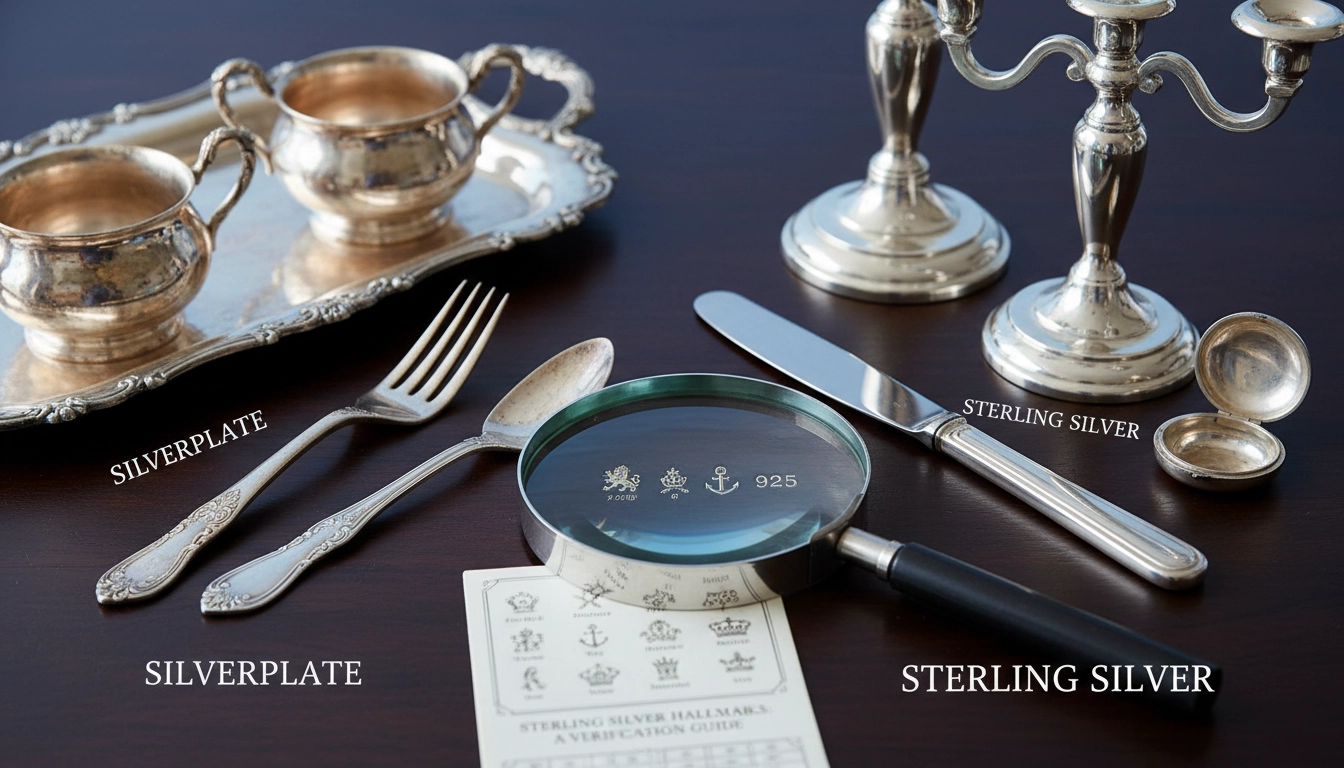
Beyond the Stamp: How to Verify Rare and Antique Sterling Silver Hallmarks Without an Expert
Custom 925 Silver Ring Trend Forecasts for Retail Buyers
Custom 925 Silver Ring Case Studies: Successful Buyer Stories
Product Categories
You may also like
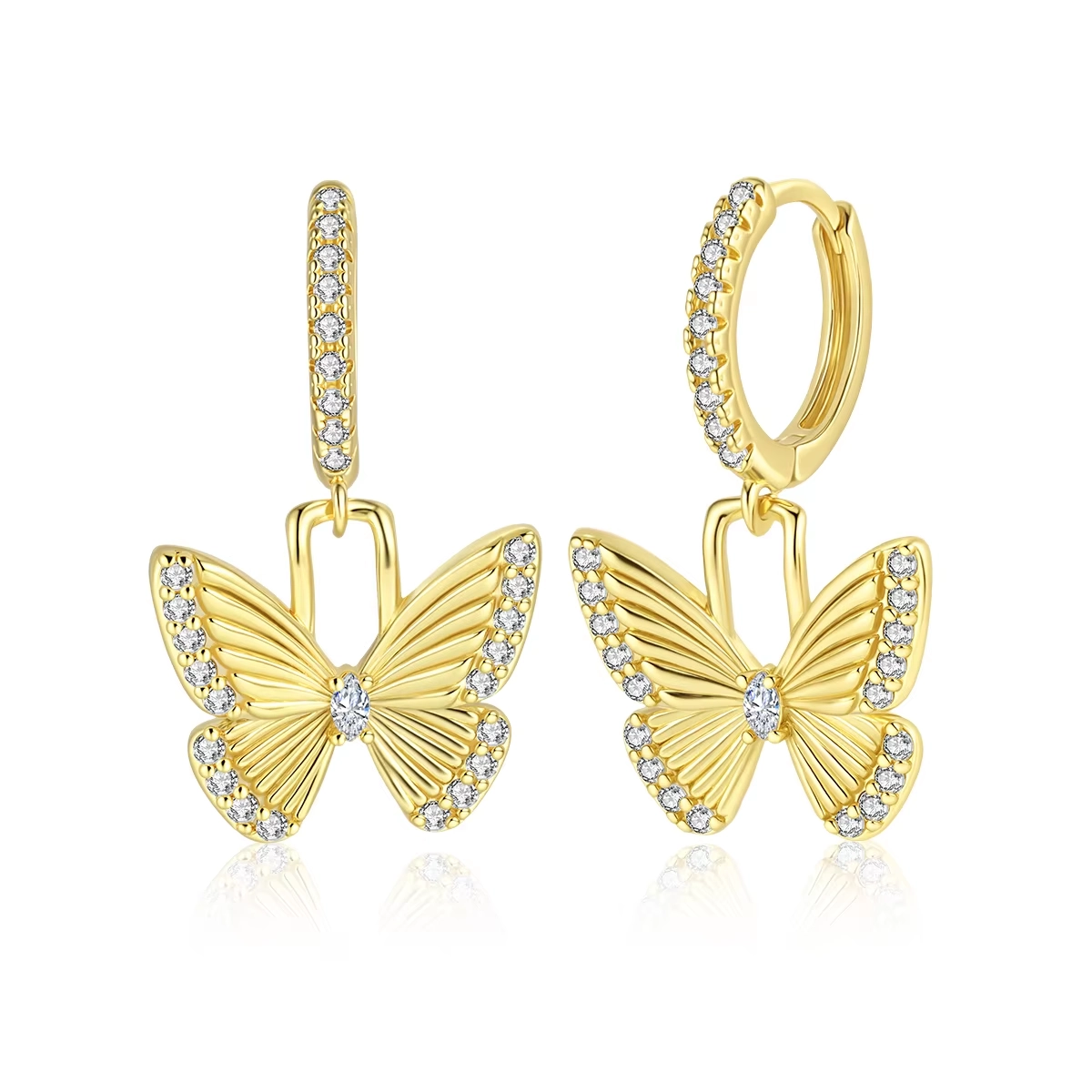
Brass Jewelry
Custom Butterfly Hoop Earrings with Cubic Zirconia | 18K Gold Plated Jewelry
Read More
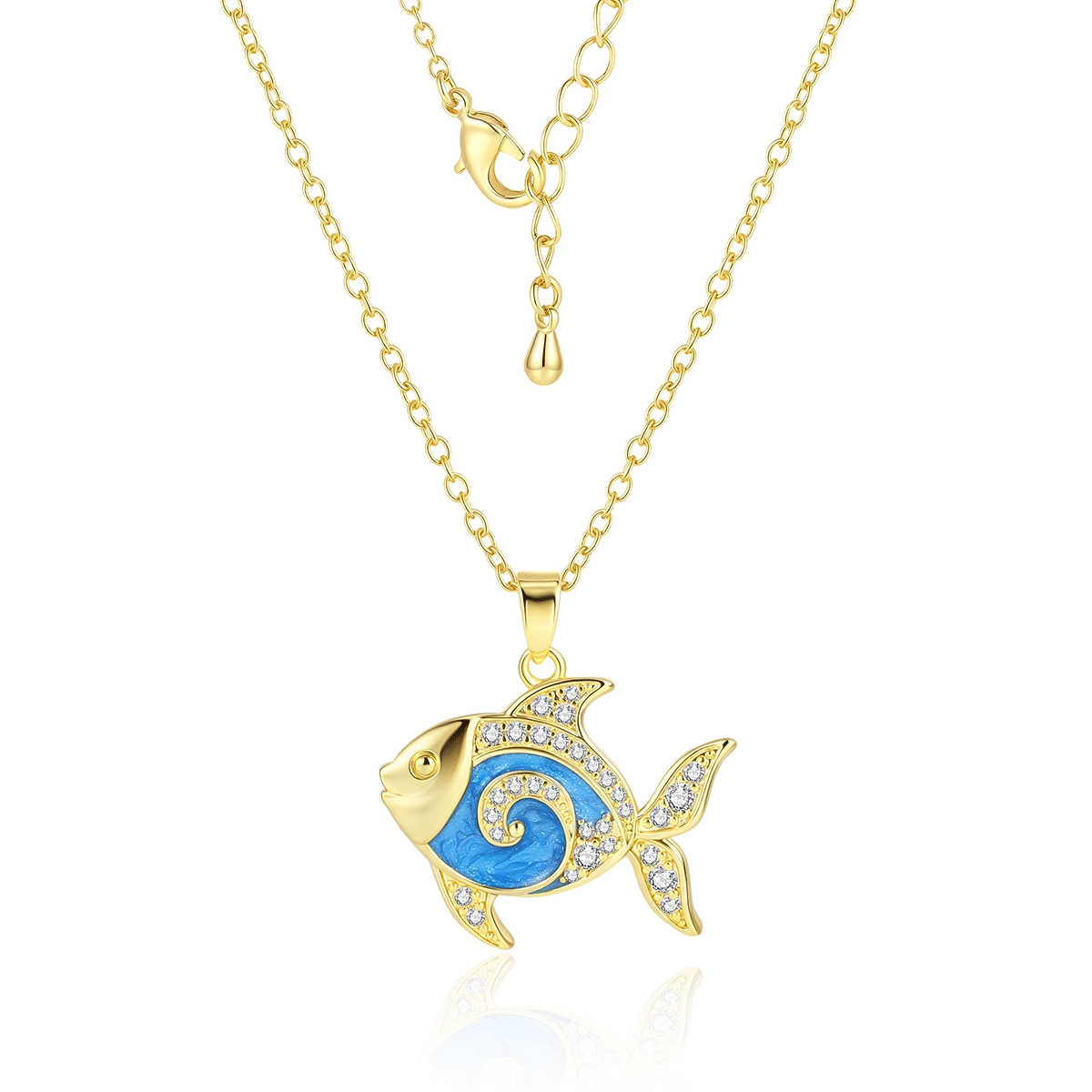
Brass Jewelry
OEM Fish Shaped Necklace with Blue Enamel craft & Cubic Zirconia | 18K Gold Plated Custom Jewelry
Read More

925 Silver Jewelry
Customizable High-Quality Fashion 925 Sterling Silver AAA Cubic Zirconia Heart-Shaped Open Tennis Bracelet.
Read More
Get a Quote for Private Label Jewelry
We provide personalized jewelry customization services for clients worldwide.
Rest assured that your privacy is important to us, and all information provided will be handled with the utmost confidentiality.
By clicking 'Send Inquiry Now' I agree to ZHEFAN JEWELRY processing my personal data.
To see how to withdraw your consent, how to control your personal data and how we process it, please see our Privacy Policy and Terms of use.
From design to production, ZHEFAN JEWELRY offers a one-stop solution to help you enhance your brand value and market competitiveness.
Get A Quote
Contact
Tel: (+86) 188 1927 7817
© 2026 Zhefan Jewelry. All Rights Reserved.
Facebook
Instagram
YouTube
Whatsapp: +8618819277817