







Email: sales3@zhefanjewelry.com
The Role of an OEM Jewelry Manufacturer in Maintaining Brand Consistency
An OEM jewelry manufacturer helps fashion and jewelry brands preserve consistency across design, materials, dimensions, finishes, packaging, compliance, and repeat production. A reliable partner converts brand guidelines into technical specifications, approved samples, inspection standards, and controlled manufacturing processes. This article explains how supplier qualification, digital documentation, mold engineering, surface finishing, quality assurance, traceability, and production capacity protect a brand’s visual identity and customer experience while supporting scalable collections in brass, 925 silver, gold vermeil, and pearl jewelry.
- How Jewelry Production Partners Translate Brand Identity into Repeatable Products
- From creative direction to technical specifications
- Mold engineering and dimensional control
- Material and finish standardization
- Operational Controls That Protect Brand Consistency at Scale
- Sampling, approval, and change management
- In-process inspection and final release
- Comparing informal production with controlled production
- Capacity planning and multi-channel consistency
- Why Zhefan Jewelry Supports Consistent Custom Collections
- Established craftsmanship with scalable infrastructure
- Material range and product development
- Documented attention to finishing and inspection
- Service designed around brand growth
- How Buyers Should Evaluate a Manufacturing Partner
- Request evidence, not only claims
- Use a pilot order to test consistency
- Build a shared scorecard
- Frequently Asked Questions
An oem jewelry manufacturer plays a strategic role in protecting brand consistency across every stage of product development, from the first sketch to repeat orders delivered across multiple markets. Brand consistency is not limited to using the same logo or packaging color. In jewelry, it also includes silhouette, proportion, weight, stone placement, plating tone, polish level, clasp function, tactile quality, labeling, packaging, and the reliability of future replenishment. When a manufacturing partner translates these requirements into documented specifications and repeatable production controls, brand owners can build collections that look and perform consistently at scale.
How Jewelry Production Partners Translate Brand Identity into Repeatable Products
From creative direction to technical specifications
A brand concept usually begins with visual language: minimalist geometry, vintage detailing, organic forms, high-shine surfaces, or a specific balance between metal and gemstones. Production teams must convert that language into measurable information. A robust technical pack should define dimensions, tolerances, metal composition, wire or sheet thickness, stone size, setting method, surface treatment, plating system, logo location, clasp type, target weight, and approved color references.
This conversion matters because creative descriptions such as “delicate,” “warm gold,” or “substantial” can be interpreted differently by designers, engineers, and factory operators. A technical drawing, 3D file, approved color standard, and signed golden sample provide objective references. The result is a controlled product definition that reduces ambiguity between sampling, purchasing, production, and quality inspection.
Mold engineering and dimensional control
In custom jewelry, the mold or tooling stage establishes the foundation of consistency. Small deviations in a master model can change the visual balance of a pendant, the comfort of a ring, or the alignment of a multi-part earring. Skilled mold engineers evaluate draft angles, wall thickness, sharp edges, undercuts, stone seats, solder joints, and areas that may trap polishing compounds or plating residue.
For repeat programs, the approved master sample should be protected as a reference standard rather than treated as an informal prototype. Tool identification, revision records, maintenance schedules, and controlled change approvals help prevent unrecorded modifications. This is especially important when a collection is produced in different batches, at different facilities, or over an extended selling season.
Material and finish standardization
Metal selection influences appearance, durability, cost, regulatory obligations, and customer perception. Brass jewelry may support accessible fashion collections, while 925 silver jewelry and sterling silver jewelry can communicate a more High Quality positioning. Gold vermeil requires control over the silver base, gold layer, surface preparation, and thickness specification. Pearl jewelry adds further variables, including pearl size, shape, luster, color, drilling, and matching criteria.
A qualified supplier should maintain approved material sources and define the acceptance criteria for each component. These criteria can include alloy documentation, plating chemistry, color tolerance, adhesion, abrasion resistance, solder quality, stone security, and freedom from visible defects. Where products are sold internationally, buyers should also evaluate chemical and product-safety requirements. The European Chemicals Agency explains the scope and obligations associated with REACH, while the International Organization for Standardization describes quality-management principles through ISO 9001.
Operational Controls That Protect Brand Consistency at Scale
Sampling, approval, and change management
Sampling is more effective when it is treated as a formal approval gate rather than a simple visual check. Buyers should review the first sample under consistent lighting, compare it with the design brief, test wearing comfort, inspect closures, and verify dimensions and weight. Any corrections should be recorded in a sample approval sheet with photographs, measurements, and revision status.
Change management is equally important. A lower-cost plating supplier, a substitute clasp, a revised polishing wheel, or a new packaging insert may appear operationally minor but can alter the customer experience. A disciplined manufacturing partner requests written approval before changing materials, tooling, construction, finish, or packaging. This protects the brand owner from unplanned variation and makes future troubleshooting more efficient.
In-process inspection and final release
Final inspection alone cannot guarantee consistency. Effective jewelry quality assurance uses multiple checkpoints: incoming material verification, mold and casting review, assembly inspection, polishing evaluation, plating inspection, stone and pearl security checks, dimensional measurement, and final appearance assessment. Defect categories should be defined in advance so that inspectors, suppliers, and buyers share the same interpretation of scratches, pits, porosity, color shift, loose components, and asymmetry.
Inspection records should connect the finished goods to a production date, order number, material batch, operator or line, and corrective-action record where applicable. This traceability supports faster containment if a problem is identified after shipment. It also gives procurement teams evidence for supplier reviews and continuous-improvement discussions.
Comparing informal production with controlled production
| Brand consistency requirement | Informal production approach | Controlled manufacturing approach | Buyer benefit |
|---|---|---|---|
| Design interpretation | Verbal instructions and untracked revisions | Technical pack, approved sample, and revision history | Fewer misunderstandings and more predictable samples |
| Material control | Substitutions may occur without documented approval | Approved specifications, supplier records, and verification checks | Stable appearance and clearer compliance evidence |
| Surface finish | Visual judgment varies between operators | Defined polishing, plating, color, and defect criteria | More uniform collection presentation |
| Production quality | Defects discovered mainly at shipment | Incoming, in-process, and final inspections | Earlier correction and lower rework risk |
| Repeat orders | Previous production details may be difficult to reproduce | Tooling records, golden samples, and batch documentation | Greater replenishment consistency |
The table reflects commonly used quality-control practices rather than a guarantee of performance by every supplier. Buyers should request evidence of how each control is implemented. Environmental management can also affect brand reputation; the principles and framework described by ISO 14001 provide a useful reference when evaluating a facility’s environmental systems. For U.S. marketing and labeling claims, the Federal Trade Commission Jewelry Guides are another relevant source for reviewing product descriptions and precious-metal claims.
Capacity planning and multi-channel consistency
Brand consistency becomes more difficult when demand rises quickly. A supplier must preserve the same specifications while managing larger purchase orders, seasonal peaks, multiple SKUs, and replenishment deadlines. Buyers should assess monthly capacity, critical equipment, skilled labor availability, backup processes, lead-time assumptions, and the supplier’s ability to reserve or reproduce tooling.
Capacity is not simply a high piece count. A factory producing large volumes without stable inspection may create more returns, inconsistent reviews, and costly rework. The stronger procurement question is whether the manufacturing system can maintain the approved standard at the required volume. Production planning should connect sales forecasts with material purchasing, sampling windows, inspection time, packaging readiness, and shipping schedules.
Why Zhefan Jewelry Supports Consistent Custom Collections
Established craftsmanship with scalable infrastructure
Zhefan Jewelry is a premier fashion jewelry manufacturer established in 2002, with a company legacy dating back to 1997. Founded by a master mold craftsman, our manufacturing DNA is built on more than two decades of continual refinement. This foundation is valuable to brand owners because mold quality, dimensional accuracy, and finishing discipline influence every later stage of production.
Our operations include two factories in Guangzhou and Meizhou, covering 800 square meters, with more than 80 skilled artisans and 20 sales professionals. A monthly output of up to 600,000 pieces gives global partners a production platform for both developing collections and scaling proven products. Capacity is supported by coordination between sampling, engineering, production, quality control, and customer service rather than by volume alone.
Material range and product development
Our core capabilities cover high-quality brass jewelry, 925 silver jewelry, sterling silver jewelry, and gold vermeil jewelry, together with pearl jewelry and related fashion-jewelry programs. This range allows brand owners to build tiered collections while maintaining a coordinated design language across different price points and material categories.
Our professional design team launches more than 500 new original styles monthly. This supports buyers seeking trend-responsive assortments without abandoning technical discipline. New concepts can be assessed for manufacturability, finish, wearability, and target cost before they enter a larger production program. For OEM and ODM buyers, the combination of original development and customization helps shorten the path from market insight to sellable product.
Documented attention to finishing and inspection
Our process includes six rounds of precision polishing and six strict quality inspections. These controls are designed to support a clean surface, consistent reflective quality, reliable assembly, and a more uniform final appearance. Inspection standards remain important for every material, whether the product is a polished brass pendant, a silver ring, a vermeil chain, or a pearl-accented earring.
We use RoHS- and REACH-compliant eco-friendly materials to help international partners address responsible sourcing and market-entry requirements. Compliance documentation should always be reviewed against the specific product, destination market, and current regulatory obligations, but a documented material-control approach gives procurement teams a stronger foundation for due diligence.
Service designed around brand growth
Our team provides comprehensive OEM and ODM solutions for brand owners, distributors, retailers, and e-commerce operators. Experience serving Amazon’s top three sellers and global retailers such as Macy’s demonstrates the type of commercial coordination required by demanding accounts, including sampling responsiveness, repeat-order management, quality expectations, and delivery communication.
For a buyer, the value of a long-term manufacturing relationship is measured through more than unit price. Consistent products can reduce returns, protect product reviews, simplify merchandising, support repeat purchases, and lower the hidden cost of corrective work. A capable custom jewelry manufacturer therefore contributes to brand equity as well as production output. Zhefan Jewelry combines craftsmanship, rapid delivery, design agility, inspection discipline, and dedicated service to help partners strengthen market influence.
How Buyers Should Evaluate a Manufacturing Partner
Request evidence, not only claims
Before placing a significant order, buyers should request a factory profile, product specifications, sample records, material information, inspection process, capacity details, lead-time assumptions, and relevant compliance documentation. A virtual or on-site audit can review production flow, storage conditions, tooling control, worker capabilities, inspection equipment, and the separation of approved and nonconforming goods.
Use a pilot order to test consistency
A pilot order is a practical way to evaluate whether the approved sample can be reproduced under normal production conditions. The evaluation should compare several units from the same batch and, where possible, compare the pilot batch with a later replenishment. Buyers should monitor finish uniformity, dimensions, weight, clasp operation, stone or pearl security, packaging accuracy, carton labeling, defect rates, and delivery performance.
Build a shared scorecard
A supplier scorecard should balance quality, on-time delivery, responsiveness, compliance, engineering support, development speed, minimum order quantity, payment terms, and total landed cost. Brand consistency should be a measurable category, not an informal expectation. When the buyer and factory agree on acceptance criteria at the beginning, commercial decisions become faster and disputes become easier to resolve.
Frequently Asked Questions
How does an OEM jewelry manufacturer maintain brand consistency?
A reliable production partner maintains consistency through technical specifications, approved samples, controlled tooling, material standards, documented finish requirements, in-process inspections, final quality checks, and change-management procedures.
What should a buyer include in a jewelry technical pack?
A technical pack should define dimensions, tolerances, metal composition, component thickness, stone or pearl details, construction method, surface treatment, plating requirements, logo placement, clasp type, target weight, packaging requirements, and approved visual references.
Why is mold engineering important for custom jewelry?
Mold engineering establishes the product’s dimensions, proportions, wall thickness, component alignment, stone seats, and surface geometry. Errors at this stage can affect comfort, appearance, durability, and the ability to reproduce later orders accurately.
How can buyers verify a supplier’s quality-control process?
Buyers can request inspection standards, sample approval records, material documentation, defect classifications, batch traceability, corrective-action records, and evidence of incoming, in-process, and final inspections. A pilot order or factory audit can further test actual performance.
What is the difference between brass jewelry, 925 silver jewelry, and gold vermeil jewelry?
Brass jewelry generally uses a copper-zinc alloy and supports accessible fashion positioning. 925 silver jewelry and sterling silver jewelry contain 92.5% silver by standard definition, while gold vermeil typically uses a sterling silver base with a gold layer; exact specifications should be confirmed with the supplier and applicable market requirements.
Can Zhefan Jewelry support both OEM and ODM jewelry projects?
Yes. Zhefan Jewelry provides OEM and ODM solutions, including customized development and original design support, across brass, 925 silver, sterling silver, gold vermeil, and pearl jewelry programs. Its operations include two factories, more than 80 skilled artisans, a professional design team, and stated monthly capacity of up to 600,000 pieces.
Tags
branded 925 sterling silver jewelry wholesaler
branded 925 sterling silver jewelry wholesaler
brass CZ tennis bracelet wholesale
brass CZ tennis bracelet wholesale
brass disc earrings
brass disc earrings
custom jewelry design brass earrings
custom jewelry design brass earrings
freshwater pearl shell necklace
freshwater pearl shell necklace
mens bracelets silver 925
mens bracelets silver 925
Recommended for you
How to Evaluate the Product Quality of a Private Label Jewelry Manufacturer
The Complete Guide to Choosing a Private Label Jewelry Manufacturer
Wholesale brass bracelets manufacturer and supplier
Wholesale Catalogues: What brass jewelry wholesalers Offer
Product Categories
You may also like
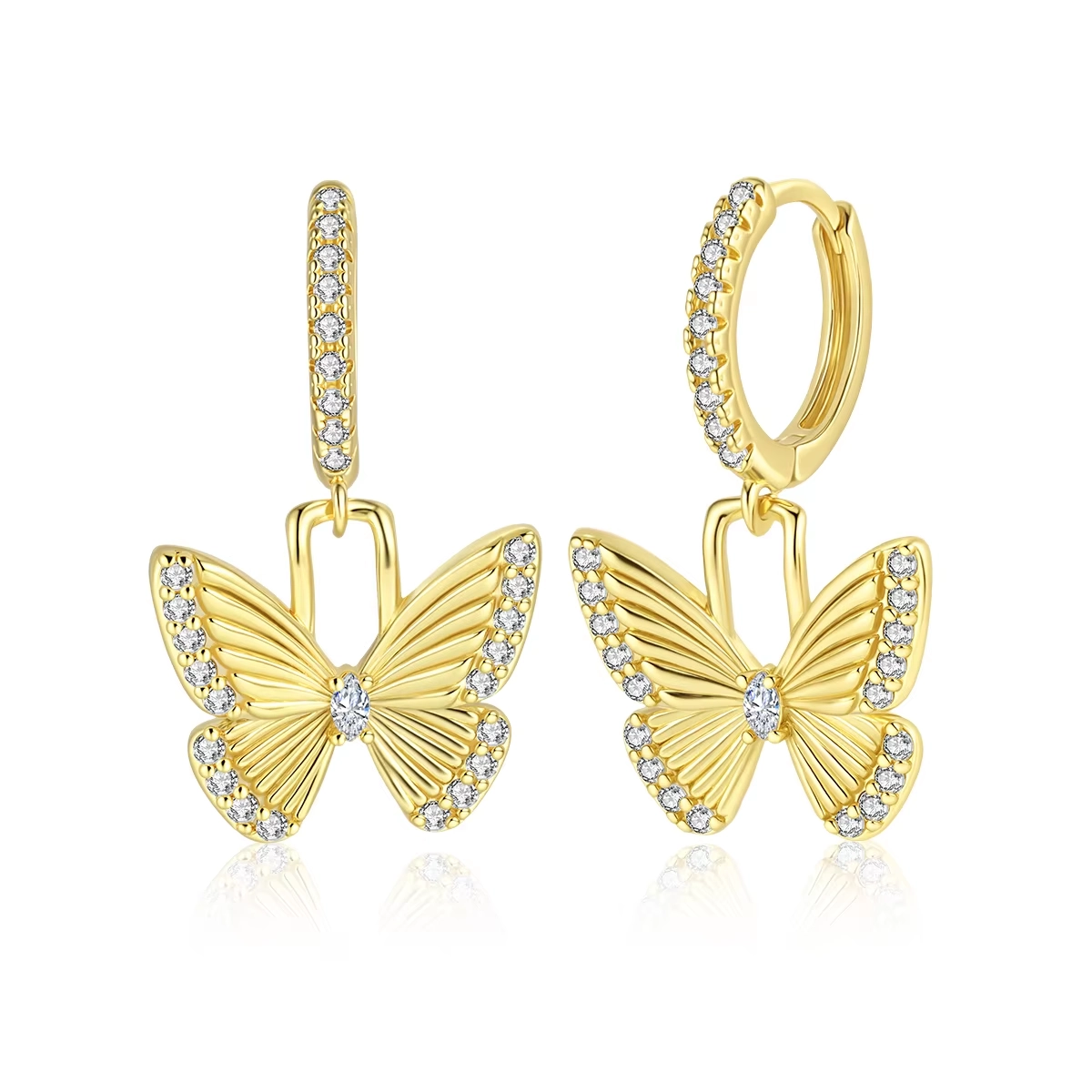
Brass Jewelry
Custom Butterfly Hoop Earrings with Cubic Zirconia | 18K Gold Plated Jewelry
Read More
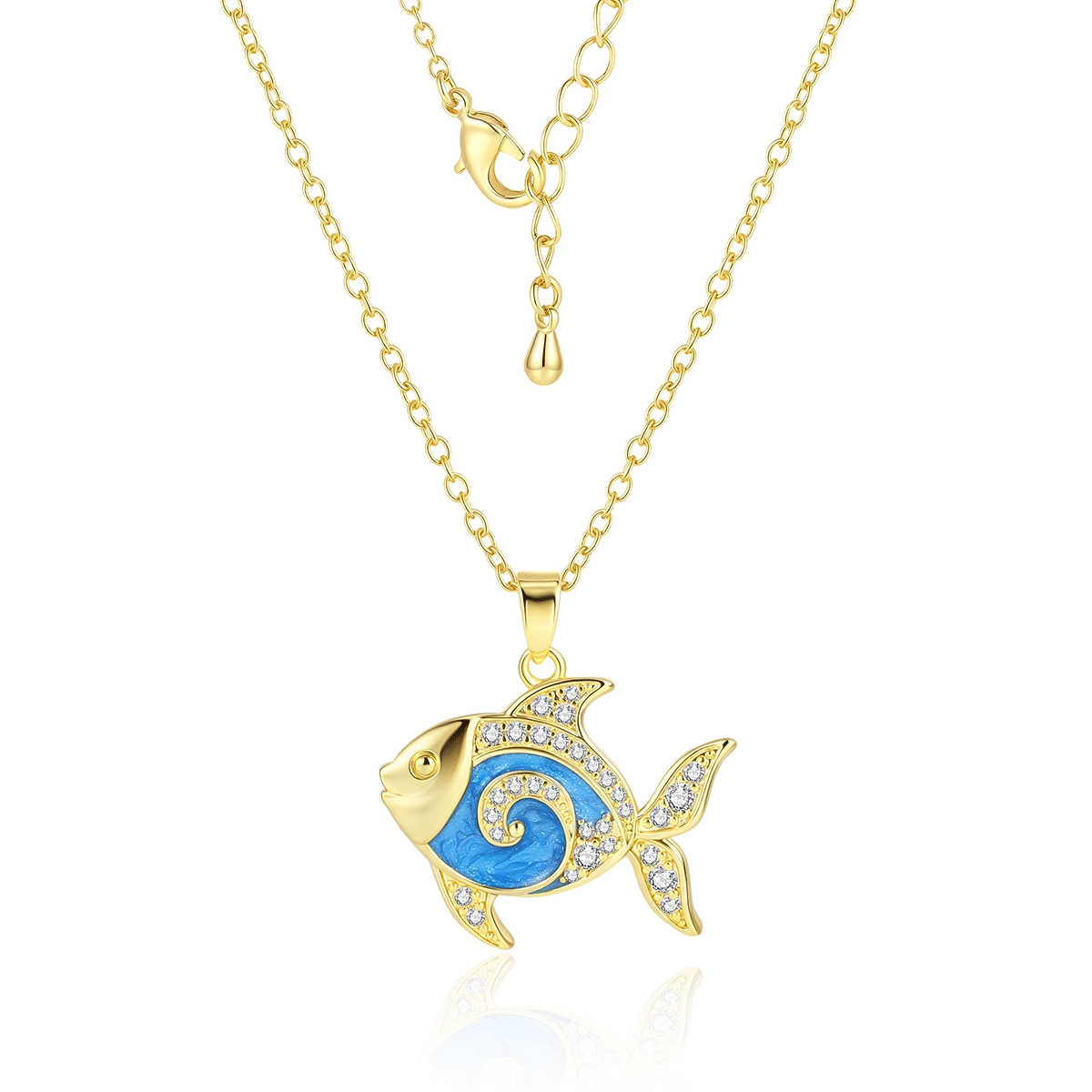
Brass Jewelry
OEM Fish Shaped Necklace with Blue Enamel craft & Cubic Zirconia | 18K Gold Plated Custom Jewelry
Read More

925 Silver Jewelry
Customizable High-Quality Fashion 925 Sterling Silver AAA Cubic Zirconia Heart-Shaped Open Tennis Bracelet.
Read More
Get a Quote for Private Label Jewelry
We provide personalized jewelry customization services for clients worldwide.
Rest assured that your privacy is important to us, and all information provided will be handled with the utmost confidentiality.
By clicking 'Send Inquiry Now' I agree to ZHEFAN JEWELRY processing my personal data.
To see how to withdraw your consent, how to control your personal data and how we process it, please see our Privacy Policy and Terms of use.
From design to production, ZHEFAN JEWELRY offers a one-stop solution to help you enhance your brand value and market competitiveness.
Get A Quote
Contact
Tel: (+86) 188 1927 7817
© 2026 Zhefan Jewelry. All Rights Reserved.
Facebook
Instagram
YouTube
Whatsapp: +8618819277817