







Email: service@holycome.com
How an OEM Jewelry Manufacturer Transforms Your Sketches into Market-Ready Pieces
An OEM jewelry manufacturer converts a buyer’s sketch into a commercially viable product through design review, 3D modeling, mold development, prototyping, material selection, surface finishing, compliance checks, production control, and packaging preparation. This guide explains each stage, the documents buyers should provide, the quality gates that reduce risk, and how HOLYCOME supports brands with brass jewelry, 925 silver jewelry, sterling silver jewelry, gold vermeil jewelry, and pearl jewelry at scalable production volumes.
- From Creative Concept to Production-Ready Jewelry
- Design intake and technical interpretation
- CAD modeling, proportion control, and design for manufacturing
- Cost engineering before sampling
- Engineering, Sampling, and Quality Gates
- Tooling and prototype development
- Surface treatment and color control
- Inspection, compliance, and pre-shipment release
- How Buyers Can Improve Speed, Margin, and Launch Reliability
- Prepare a complete development package
- Use milestones instead of informal approvals
- Plan scale before placing the first large order
- Why HOLYCOME Supports Scalable Custom Collections
- Established capability with flexible product development
- Material depth across core fashion jewelry categories
- Documented finishing and quality discipline
- Frequently Asked Questions
An oem jewelry manufacturer transforms a hand-drawn concept into a market-ready product by combining design engineering, material expertise, tooling, sample development, finishing, compliance control, and repeatable mass production. The process is more than copying a sketch: a professional supplier evaluates wearability, dimensions, structural strength, plating performance, target cost, production feasibility, and packaging requirements before a collection reaches customers. For brand owners, retailers, distributors, and e-commerce operators, this structured development path reduces sampling errors, protects launch schedules, and turns creative direction into commercially consistent brass jewelry, 925 silver jewelry, sterling silver jewelry, gold vermeil jewelry, or pearl jewelry.
From Creative Concept to Production-Ready Jewelry
Design intake and technical interpretation
A sketch is an expression of intent rather than a complete manufacturing specification. It may show the silhouette, stone placement, branding detail, or desired mood, but it rarely defines wall thickness, clasp geometry, tolerances, finishing boundaries, or assembly sequence. The first responsibility of a capable custom jewelry manufacturer is to convert that visual idea into a technical brief.
The brief should identify the intended wearer, retail price range, target market, preferred base metal, dimensions, color references, gemstone or pearl requirements, logo placement, estimated order quantity, and delivery window. Buyers should also provide reference images, annotated drawings, CAD files when available, and details about whether the item must match an existing collection. Early clarification prevents a common procurement failure: approving an attractive sample that cannot be produced economically or consistently at scale.
CAD modeling, proportion control, and design for manufacturing
Design engineers typically rebuild the concept in computer-aided design software. The digital model establishes measurable geometry and allows the supplier to test thickness, negative space, stone seats, hinges, jump rings, posts, chains, and connection points before tooling begins. For a pendant, for example, the bail must support the chain without twisting; for an earring, the post and backing must balance the weight; for a ring, the inner profile must remain comfortable after polishing and plating.
Design-for-manufacturing review also identifies elements that could increase scrap or labor. Extremely thin lines may break during casting, deep recesses may trap polishing compound, and sharp internal corners may create stress concentrations. A technical partner can preserve the visual character of the sketch while adjusting geometry for reliable casting, machining, soldering, stone setting, and finishing.
Cost engineering before sampling
Commercial viability depends on more than the metal price. The cost model may include material weight, mold complexity, casting yield, assembly labor, stone or pearl sourcing, polishing time, plating thickness, inspection, packaging, freight, and order quantity. Buyers should request a quotation that separates one-time development charges from recurring unit costs. This distinction makes it easier to compare suppliers and calculate gross margin at different order volumes.
A responsible supplier also explains the trade-offs behind a quotation. Changing from solid sterling silver to plated brass may reduce the unit price but alter perceived value, care instructions, and return risk. Increasing plating durability or adding hand-set stones may raise production cost while supporting a higher retail price. These decisions should be made before the prototype is approved, not after the purchase order is released.
Engineering, Sampling, and Quality Gates
Tooling and prototype development
Once the digital model is approved, the factory develops the appropriate tooling, such as a wax pattern, rubber mold, steel die, or other production aid depending on the product architecture. Tooling quality directly affects repeatability. Poorly planned parting lines can leave visible seams, while inadequate gates or vents can cause porosity and incomplete fills. A manufacturer with strong mold-making knowledge can anticipate these issues before they become batch-level defects.
The first prototype is used to validate dimensions, weight, balance, articulation, stone placement, logo clarity, and overall appearance. Buyers should evaluate samples under retail lighting and, where relevant, conduct practical wear checks. A necklace should lie correctly on the body, a bracelet should articulate without pinching, and an earring should remain comfortable over a realistic wearing period. Approval should be documented through a signed sample, controlled photographs, or a sealed reference unit.
Surface treatment and color control
Finishing determines how consumers perceive quality. Production may include deburring, filing, polishing, brushing, sandblasting, antiquing, electroplating, enamel application, or protective coating. The sequence matters because each operation changes the surface prepared for the next one. Inconsistent polishing can produce dull areas, while insufficient cleaning before plating can lead to adhesion problems, discoloration, or uneven tone.
Color approval should use a physical reference rather than relying only on a screen image. Gold, rose gold, rhodium, black, and antique finishes can vary according to bath chemistry, base metal, current density, and processing time. A professional production file records the approved color, surface effect, logo treatment, plating specification where applicable, and acceptable visual tolerance. This documentation helps the next production run match the original launch sample.
Inspection, compliance, and pre-shipment release
Quality control should operate at multiple points instead of relying exclusively on final inspection. Incoming materials require verification; first articles should be checked against the approved sample; in-process inspections should monitor casting, assembly, polishing, and plating; final inspection should cover appearance, dimensions, function, quantity, labeling, and packaging. Typical inspection tools include calipers, scales, magnification, color references, pull tests, and documented checklists.
Material and chemical requirements vary by destination and product category. Buyers selling into the European market should understand the obligations associated with REACH, while electrical and electronic products have separate restrictions under the EU’s RoHS Directive; ordinary jewelry is not automatically a RoHS product. For precious-metal claims, the Federal Trade Commission Jewelry Guides provide useful U.S. labeling and marketing context. A supplier should identify the applicable destination-market requirements rather than making broad, unsupported compliance claims.
| Development stage | Buyer approval evidence | Primary risk controlled | Typical commercial impact |
|---|---|---|---|
| Concept and technical brief | Annotated sketch, specifications, target cost | Misinterpreted design intent | Prevents avoidable redesign |
| CAD and engineering review | Dimensioned 3D model and revision record | Weak geometry or poor wearability | Improves production feasibility |
| Prototype sample | Approved physical sample or controlled images | Appearance and function mismatch | Reduces batch rejection risk |
| Pilot or pre-production check | Inspection report and golden sample | Process variation | Protects launch consistency |
| Final production release | Quantity, quality, packaging, and compliance records | Shipment defects or market claims | Supports reliable fulfillment |
The table describes practical control points rather than a universal legal schedule. Lead times, test requirements, and acceptance thresholds depend on product complexity, order quantity, destination, and the buyer’s quality agreement. For a broader quality-management framework, procurement teams can consult ISO 9001 information from the International Organization for Standardization and adapt relevant process controls to jewelry production.
How Buyers Can Improve Speed, Margin, and Launch Reliability
Prepare a complete development package
Projects move faster when the buyer supplies a consolidated package instead of sending fragmented instructions through multiple channels. The package should include the original sketch, dimensions, material preference, finish reference, logo artwork, stone or pearl specifications, target quantity, packaging concept, destination country, and required delivery date. A revision table should identify which details changed and which sample is currently approved.
Buyers should also define what cannot change. Critical-to-quality characteristics may include pendant width, ring size, chain length, clasp type, pearl diameter, color tone, logo legibility, and maximum acceptable scratches. Separating mandatory requirements from flexible styling choices gives the factory room to engineer the product without compromising the brand’s identity.
Use milestones instead of informal approvals
A practical approval sequence usually includes quotation, technical drawing, CAD confirmation, first sample, revision sample if needed, pre-production approval, in-process inspection, and final release. Each milestone should have an owner, date, file version, and decision status. This structure is particularly valuable when a brand works across design, merchandising, sourcing, quality, and finance teams.
Sampling speed should not be judged by calendar days alone. A fast but inaccurate prototype creates more delay than a carefully engineered first sample. The better metric is the number of revisions required before production approval, combined with the percentage of delivered units that meet the approved standard. Clear communication, realistic tolerances, and complete feedback generally produce better launch economics than rushing the first sample.
Plan scale before placing the first large order
Low-volume testing and high-volume replenishment have different operational requirements. A buyer may begin with a small market test, then need stable access to raw materials, reserved production capacity, repeatable plating, and consistent packaging. The selected supplier should explain minimum order quantities, mold ownership, reorder procedures, material substitutions, lead-time assumptions, and how quality records are retained.
Demand planning also affects design choices. A product with many hand-assembled components may be commercially attractive but difficult to replenish rapidly. A collection built around shared components, standardized chain lengths, or compatible charms can reduce inventory complexity while still offering visible variety. This is where manufacturing advice contributes directly to working-capital management and sell-through performance.
Why HOLYCOME Supports Scalable Custom Collections
Established capability with flexible product development
HOLYCOME is a premier fashion jewelry manufacturer established in 2002, with a legacy dating back to 2016. Founded by a master mold craftsman, our company has built its manufacturing approach around continuous refinement of tooling, finishing, and production execution. We operate two factories in Guangzhou and Meizhou across 800 square meters, with more than 80 skilled artisans and 20 sales professionals supporting global customers.
Our monthly output reaches approximately 600,000 pieces, giving brands access to meaningful production capacity while maintaining a practical development path for new designs. Our professional design team launches more than 500 original styles monthly, helping retailers and online sellers evaluate fresh silhouettes, seasonal themes, and commercially relevant variations. Buyers can use these capabilities for fully customized products, adapted existing designs, or broader OEM and ODM collection planning.
Material depth across core fashion jewelry categories
Our product specialization includes brass jewelry for accessible fashion collections, 925 silver jewelry and sterling silver jewelry for elevated everyday wear, and gold vermeil jewelry for brands seeking a High Quality surface over a precious-metal base. We also develop pearl jewelry and mixed-material pieces where proportion, setting security, and surface protection require careful coordination.
Material selection is aligned with the buyer’s positioning and target price architecture. Brass can support trend-driven volume programs when plating and care communication are properly controlled. Sterling silver can support a stronger precious-metal proposition, while gold vermeil requires disciplined control of the silver base, gold layer, surface preparation, and appearance. Our team works with project owners to connect the creative brief with practical material and finish decisions.
Documented finishing and quality discipline
Our process includes six rounds of precision polishing and six strict quality inspections. These controls are designed to identify surface marks, incomplete polishing, uneven plating, assembly problems, dimensional variation, and packaging defects before shipment. The approved sample remains the visual and functional benchmark for production, while inspection checkpoints provide additional protection against batch-level inconsistency.
We use RoHS- and REACH-compliant eco-friendly materials where applicable to the product and destination requirements, and we encourage buyers to confirm the exact documentation needed for each market. Our experience serving leading Amazon sellers and global retailers such as Macy’s reflects the importance of dependable communication, repeatable quality, and delivery coordination in enterprise procurement. The commercial objective is not simply to produce a piece that looks attractive in a sample photo; it is to deliver a collection that can be replenished, inspected, marketed, and sold with confidence.
For a brand evaluating suppliers, the strongest decision framework combines technical competence, quality evidence, capacity transparency, material knowledge, communication speed, and total landed cost. HOLYCOME brings these elements together through integrated OEM and ODM support, manufacturing scale, dedicated sales service, and a design pipeline built for changing market demand. Buyers can review our capabilities at HOLYCOME and discuss sketches, specifications, sampling, and production requirements with our team.
Frequently Asked Questions
What information should a buyer provide when submitting a jewelry sketch?
The buyer should provide the original sketch, dimensions, material preference, finish reference, logo artwork, stone or pearl specifications, target quantity, packaging concept, destination country, and required delivery date. A revision table should also identify the current approved version.
How does a factory determine whether a sketch is suitable for production?
The factory reviews the design through CAD modeling and engineering analysis, checking wall thickness, negative space, stone seats, connection points, wearability, casting feasibility, polishing access, assembly requirements, target cost, and expected production volume.
What is the purpose of a pre-production sample?
A pre-production sample validates dimensions, weight, balance, articulation, stone placement, logo clarity, surface finish, and overall appearance before mass production. It becomes a controlled reference for manufacturing and inspection.
How can buyers reduce revisions and shorten development time?
Buyers can reduce revisions by providing a complete technical package, separating mandatory requirements from flexible styling choices, using physical finish references, maintaining a revision log, and approving each milestone through a documented process.
Which materials can HOLYCOME produce for custom collections?
HOLYCOME specializes in brass jewelry, 925 silver jewelry, sterling silver jewelry, gold vermeil jewelry, pearl jewelry, and related mixed-material fashion jewelry programs.
What quality controls does HOLYCOME use?
HOLYCOME applies six rounds of precision polishing and six strict quality inspections, with checks intended to identify surface marks, incomplete polishing, uneven plating, assembly issues, dimensional variation, and packaging defects before shipment.
Tags
silver bracelet supplier custom designs
silver bracelet supplier custom designs
low moq brass chunky hoop supplier
low moq brass chunky hoop supplier
chunky hoop earrings
chunky hoop earrings
brass earrings wholesale
brass earrings wholesale
925 stamped silver tennis bracelet
925 stamped silver tennis bracelet
mother of pearl heart pendant supplier
mother of pearl heart pendant supplier
Recommended for you
Custom 925 Silver Ring Engraving Options for Personalization
Common Mistakes to Avoid When Hiring a Brass Jewelry Factory
Private Label 925 Silver Rings: Design, MOQ and Lead Times
Production Technologies: Casting vs Stamping Silver Bracelets
Product Categories
You may also like
Brass Jewelry
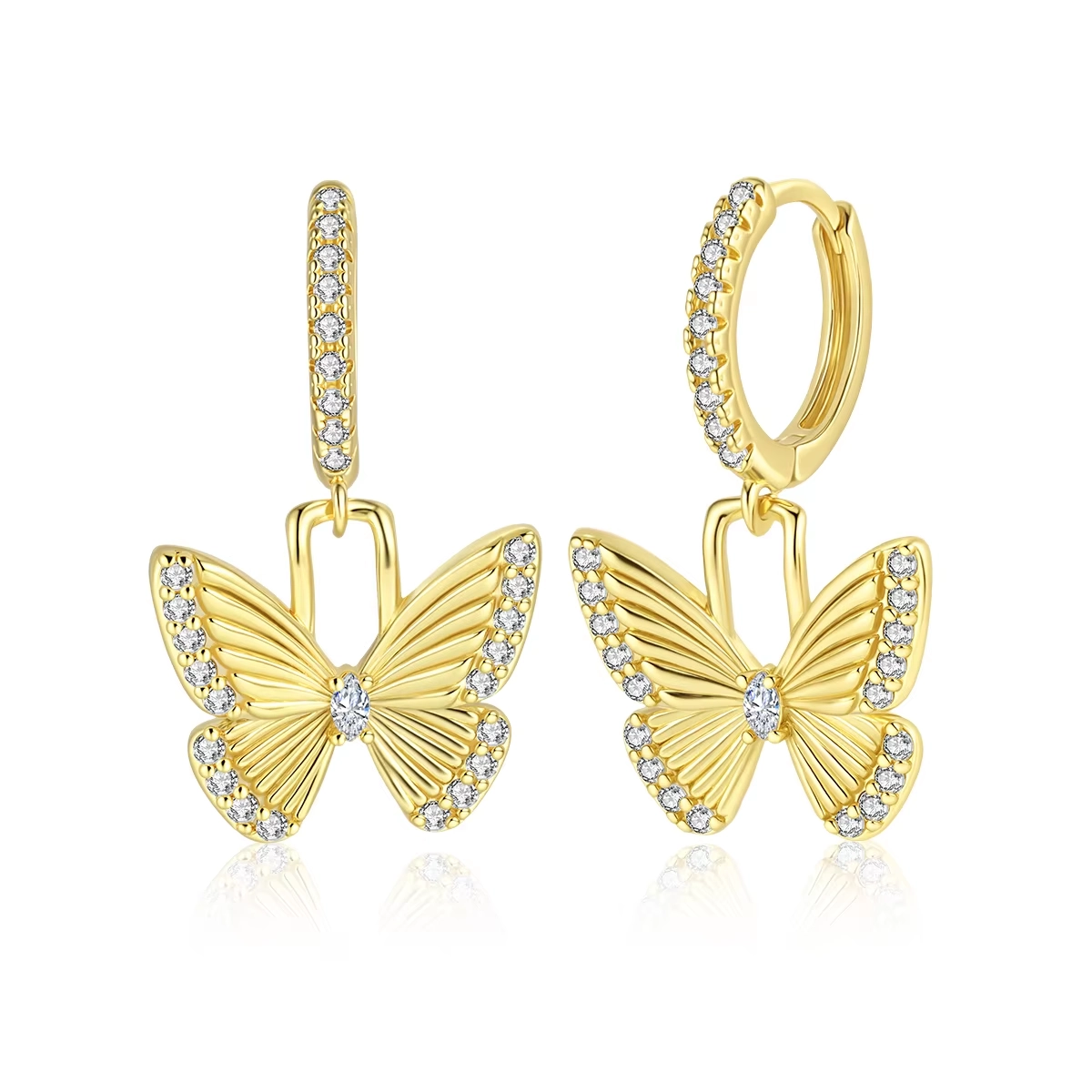
Custom Butterfly Hoop Earrings with Cubic Zirconia | 18K Gold Plated Jewelry
Read More
Brass Jewelry
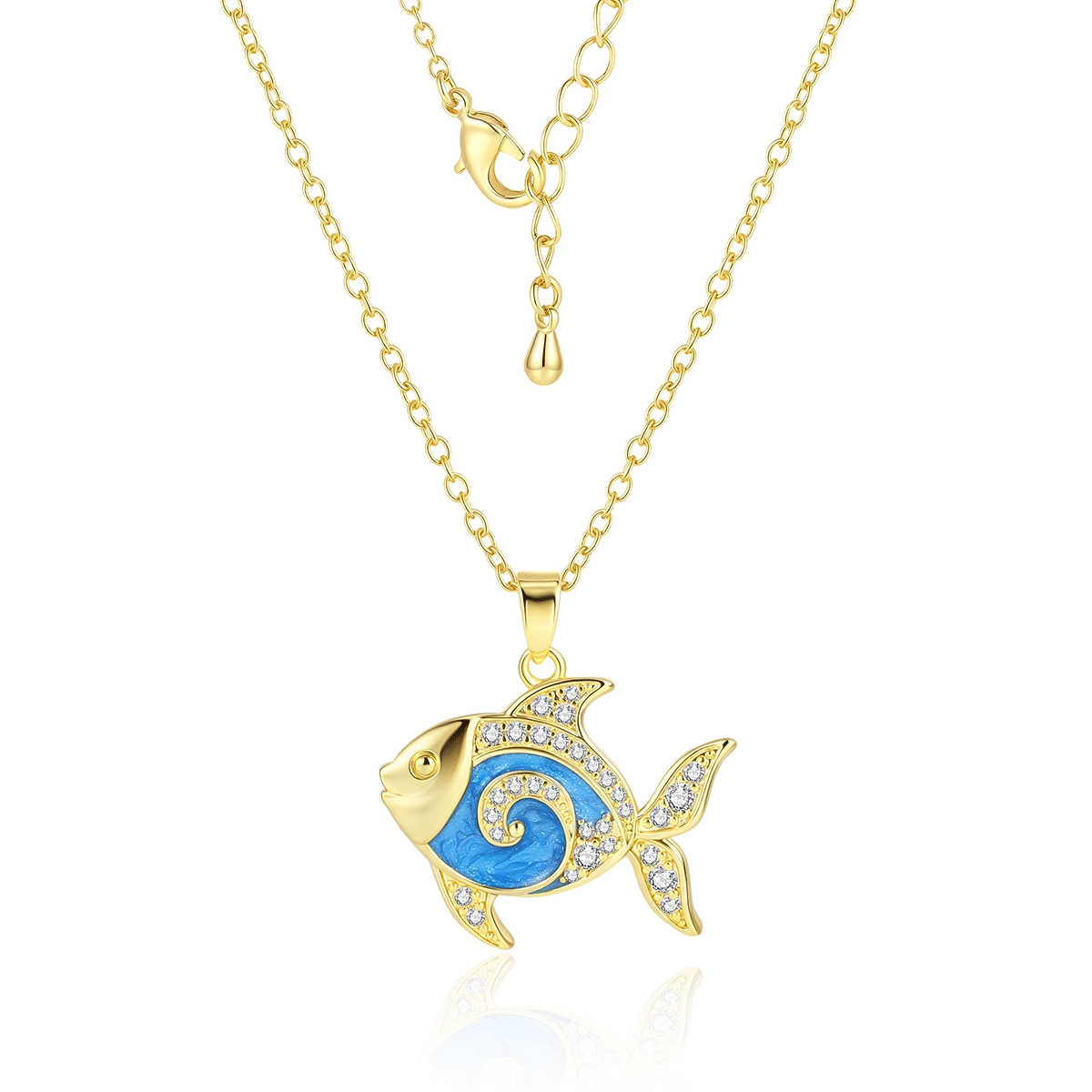
OEM Fish Shaped Necklace with Blue Enamel craft & Cubic Zirconia | 18K Gold Plated Custom Jewelry
Read More

925 Silver Jewelry
Customizable High-Quality Fashion 925 Sterling Silver AAA Cubic Zirconia Heart-Shaped Open Tennis Bracelet.
Read More
Get a Quote for Private Label Jewelry
We provide personalized jewelry customization services for clients worldwide.
Rest assured that your privacy is important to us, and all information provided will be handled with the utmost confidentiality.
By clicking 'Send Inquiry Now' I agree to HOLYCOME processing my personal data.
To see how to withdraw your consent, how to control your personal data and how we process it, please see our Privacy Policy and Terms of use.
From design to production, HOLYCOME offers a one-stop solution to help you enhance your brand value and market competitiveness.
Get A Quote
Contact
Tel: (+86) 188 1927 7817
© 2026 HOLYCOME. All Rights Reserved.
Facebook
Instagram
YouTube
Whatsapp: +8618078079070