







Email: sales3@zhefanjewelry.com
Pricing Breakdown: Cost Components of 925 Silver Earrings
I explain, from 15+ years in jewelry manufacturing, how each cost component — silver metal, labor, tooling, finishing, compliance and logistics — shapes the final price of 925 sterling silver earrings, and how buyers can optimize design and sourcing to control margins while preserving quality.
- What Goes into the Cost of 925 Sterling Silver Earrings?
- Material: Silver content, weight and alloy choice
- Labor: Technique, finish level and artisan time
- Tooling and mold amortization
- Finishing, Treatments and Findings: Hidden but decisive costs
- Plating, rhodium and anti-tarnish processes
- Ear wires, posts, backs and mixed materials
- Stones, CZs and setting complexity
- Overhead, Compliance, Logistics and Margins
- Quality control, certifications and regulatory compliance
- Packaging, branding and retail-ready costs
- Shipping, duties and inventory holding
- How I Model a Practical Cost Estimate (and Ways to Lower Price Without Sacrificing Quality)
- Step-by-step cost model I use in production quotes
- Design choices that reduce cost
- Economies of scale and supplier relationships
- Why Choosing the Right Manufacturer Changes the Equation
- Consistency, process control and finish standards
- Compliance and documentation
- Long-term partnership benefits
- How Zhefan Jewelry Helps Brands Price Competitively (My Experience Working with the Team)
- Manufacturing scale and design velocity
- Quality-first processes that reduce hidden costs
- OEM/ODM expertise and fast style turnover
- Real-world testimonials and retail readiness
- Practical Checklist Before You Price Your Next 925 Sterling Silver Earrings Line
- Calculate weight and metal cost per pair
- Factor in labor complexity
- Include compliance, packaging and logistics
- Frequently Asked Questions
- Are 925 sterling silver earrings hypoallergenic?
- How does silver weight affect price?
- What are typical MOQs for custom 925 sterling silver earrings?
- Do plated silver earrings count as 925 sterling silver earrings?
- What certifications should I request from suppliers?
As a manufacturer with deep jewelry experience, I summarize the practical cost drivers that determine the retail and wholesale price of 925 sterling silver earrings: raw 92.5% silver content and weight, labor (casting, stamping, hand-finishing), tooling and mold amortization, plating and anti-tarnish finishes, stones and findings, quality control and compliance (REACH/RoHS), packaging, logistics and margin. I use real industry norms and compliance references to help brands, buyers, and designers make cost-accurate decisions quickly.
What Goes into the Cost of 925 Sterling Silver Earrings?
Material: Silver content, weight and alloy choice
In my workshops I always start with the metal. Sterling silver is 92.5% pure silver alloyed with copper or other metals to improve strength — this is why the hallmark reads 925 and why the phrase 925 sterling silver earrings matters when estimating material cost. The cost of metal is a function of weight (grams per pair) and the spot price of silver. Instead of guessing a market price that fluctuates, I direct buyers to authoritative references like Sterling silver - Wikipedia and the general silver commodity overview at Silver - Wikipedia to fetch current spot prices for accurate per-piece calculations.
Labor: Technique, finish level and artisan time
Labor covers processes such as design adjustments, mold setup, casting or stamping, soldering posts, stone setting and, crucially, polishing. My experience shows that designs requiring hand-finishing or delicate pavé work inflate labor hours quickly — and thus the cost of 925 sterling silver earrings. I measure labor in time-per-piece and group labor into setup, unit production and final finishing.
Tooling and mold amortization
I always amortize tooling costs across expected volume. A custom mold or CNC tool may be a few hundred dollars but, spread across a minimum order quantity, the per-pair tooling cost can be negligible. For startups ordering small runs, tooling represents a larger share of the per-unit cost and directly increases the landed price of 925 sterling silver earrings.
Finishing, Treatments and Findings: Hidden but decisive costs
Plating, rhodium and anti-tarnish processes
Most customers want a bright, tarnish-resistant finish. Rhodium plating, silver polishing cycles, or anti-tarnish lacquer add steps and materials. At Zhefan I enforce multiple polishing rounds — six in fact — and additional plating when required. These finishes raise both material and labor costs but substantially improve perceived value for 925 sterling silver earrings.
Ear wires, posts, backs and mixed materials
Findings can be sterling silver, sterling-silver plated, or stainless steel depending on allergy requirements and cost targets. Choosing stainless-steel posts for backings can reduce price but may affect marketing claims; conversely, full 925 posts maintain hypoallergenic messaging for 925 sterling silver earrings but cost more.
Stones, CZs and setting complexity
Gemstones and CZs change cost in two ways: the cost of the components themselves and the increased labor for secure settings. Micro-pavé or channel settings require more time and inspection, raising the unit cost for 925 sterling silver earrings with stones.
Overhead, Compliance, Logistics and Margins
Quality control, certifications and regulatory compliance
Quality control is non-negotiable: I run multiple inspection stages to avoid costly returns. Compliance to chemical limits like REACH or RoHS is increasingly required by retailers; check ECHA REACH and EU RoHS guidance at EU RoHS when estimating testing and documentation expenses for 925 sterling silver earrings destined for the EU market.
Packaging, branding and retail-ready costs
Presentation affects perceived price. Expect packaging (boxes, cards, tags) and inserts to add cost, particularly for small-batch bespoke packaging. If you want High Quality retail hangtags or printed boxes, include that as a line item when pricing 925 sterling silver earrings.
Shipping, duties and inventory holding
Logistics — air vs sea, tariffs, and warehousing — all add to landed cost. I advise clients to model landed cost per pair including duties and fulfillment fees to avoid margin surprises when selling 925 sterling silver earrings internationally.
How I Model a Practical Cost Estimate (and Ways to Lower Price Without Sacrificing Quality)
Step-by-step cost model I use in production quotes
My usual approach: list material (metal + stones), labor (unit and setup), finishing (plating/polishing), tooling amortization, packaging, QC/compliance, logistics, and target gross margin. For a consistent quote I always ask designers: what’s the expected retail price, target MOQ, and primary market? From there I reverse-engineer the allowable cost of goods sold (COGS) per pair for 925 sterling silver earrings.
Design choices that reduce cost
Some practical levers I use: reduce weight via hollow structures or cutwork (keeps appearance but lowers silver weight), simplify settings, use standard findings, and bundle orders to dilute tooling expenses. These tactics lower the per-pair cost without harming perceived quality of 925 sterling silver earrings.
Economies of scale and supplier relationships
Ordering higher volumes has the biggest impact on per-unit cost: tooling amortizes, material buying becomes more favorable, and production runs become more efficient. With long-term suppliers we often lock better metal pricing, which helps keep the price competitive for 925 sterling silver earrings.
| Cost Component | Typical Range (% of retail) | Why it matters |
|---|---|---|
| Material (silver, alloy, stones) | 25% - 45% | Directly tied to weight and stone choice; largest variable for 925 sterling silver earrings |
| Labor & finishing | 15% - 30% | Depends on hand-finishing, plating and setting complexity |
| Tooling & design amortization | 2% - 12% | High for low MOQs, low when scaled |
| Packaging & branding | 3% - 10% | Impacts shelf appeal and perceived value |
| QC, compliance & testing | 1% - 5% | Required for reputation and market entry (REACH/RoHS) |
| Logistics & duties | 2% - 8% | Varies by destination and shipping method |
| Gross margin (wholesale/retail markup) | 15% - 40%+ | Target margin for business sustainability |
Why Choosing the Right Manufacturer Changes the Equation
Consistency, process control and finish standards
I’ve observed that factories with strict finishing and inspection standards reduce return rates and protect brand equity. For 925 sterling silver earrings, consistent polish, correct rhodium plating thickness (if used), and secure settings determine whether a product reaches customers without complaints.
Compliance and documentation
Retailers increasingly demand compliance paperwork. I always recommend working with suppliers who can provide test reports and material certificates to expedite listings and prevent customs delays — and I reference ISO 9001 standards when advising clients on quality systems.
Long-term partnership benefits
Manufacturers that invest in R&D and product development save you money over time: fewer samples, faster time-to-market, and shared optimization knowledge lower the lifecycle cost of 925 sterling silver earrings.
How Zhefan Jewelry Helps Brands Price Competitively (My Experience Working with the Team)
Manufacturing scale and design velocity
At Guangzhou Zhefan Jewelry I’ve worked alongside a team that operates two factories (Guangzhou & Meizhou) across 800 m² with 80+ artisans and 20 sales professionals. That scale supports a monthly output of 600,000 pieces and allows us to amortize tooling costs and negotiate material prices — directly reducing the unit cost for 925 sterling silver earrings while improving delivery speed.
Quality-first processes that reduce hidden costs
What sets us apart is rigorous process control: six rounds of precision polishing and six strict quality inspections before shipment. These steps reduce returns, protect retailer margins and preserve brand reputation — key for buyers who want consistent, high-quality 925 sterling silver earrings that meet RoHS/REACH and other market requirements (ECHA REACH).
OEM/ODM expertise and fast style turnover
Our professional design team launches 500+ original styles monthly, giving partners an edge in trend-driven channels like Amazon and fast-fashion retail. Whether you need Stainless Steel Jewelry, Brass Jewelry, or 925 silver jewelry, our OEM/ODM workflows help optimize designs for production efficiency and cost control.
Real-world testimonials and retail readiness
I’ve watched Zhefan serve Amazon top sellers and global retailers such as Macy’s by delivering compliant, retail-ready product assortments. We don’t just make jewelry; we provide end-to-end support that transforms design choices into predictable COGS for 925 sterling silver earrings.
Practical Checklist Before You Price Your Next 925 Sterling Silver Earrings Line
Calculate weight and metal cost per pair
Know the grams per pair and fetch the current silver spot price. Multiply and add alloy High Quality for a baseline material cost for 925 sterling silver earrings.
Factor in labor complexity
Estimate hours for handwork vs machine work and price accordingly. Complex finishes and stone settings cost more per unit.
Include compliance, packaging and logistics
Always add a compliance buffer and real packaging quotes. Last-mile shipping and customs can surprise producers who omit them when calculating the price for 925 sterling silver earrings.
Frequently Asked Questions
Are 925 sterling silver earrings hypoallergenic?
925 sterling silver is generally considered hypoallergenic for many people because it is mostly pure silver; however, the copper or other metals in the alloy can trigger sensitivities in a minority. If allergies are a concern, opt for higher-purity silver treatments, rhodium-plated finishes, or use stainless-steel posts.
How does silver weight affect price?
Silver weight is a primary driver of material cost: more grams per pair equals higher material cost. Designers can reduce weight with hollow constructions or cutwork to lower the price of 925 sterling silver earrings while keeping an attractive volume-to-weight ratio.
What are typical MOQs for custom 925 sterling silver earrings?
MOQs vary by factory and tooling needs; small runs increase per-unit tooling costs, while higher volumes lower per-unit cost. At scale, manufacturers like ours can offer better per-unit pricing due to volume and amortized tooling.
Do plated silver earrings count as 925 sterling silver earrings?
Plated items have a base metal with a thin silver coating and cannot be marketed as solid 925 sterling silver earrings. If the post or core is not sterling, transparency in product description is essential to avoid legal and reputational issues.
What certifications should I request from suppliers?
Request material certificates, RoHS/REACH test reports where required, and process or quality system evidence (e.g., ISO-related practices). These reduce compliance risk when selling 925 sterling silver earrings internationally.
Contact Zhefan Jewelry to request quotes, samples or a tailored cost model for your next collection of 925 sterling silver earrings — visit ../../../ or email sales3@zhefanjewelry.com.
Tags
cz micro pavé brass tennis bracelet bulk
cz micro pavé brass tennis bracelet bulk
made to order brass earrings
made to order brass earrings
wholesale necklace
wholesale necklace
brass jump rings
brass jump rings
OEM 925 silver jewelry
OEM 925 silver jewelry
silver cuff bracelet manufacturer
silver cuff bracelet manufacturer
Recommended for you
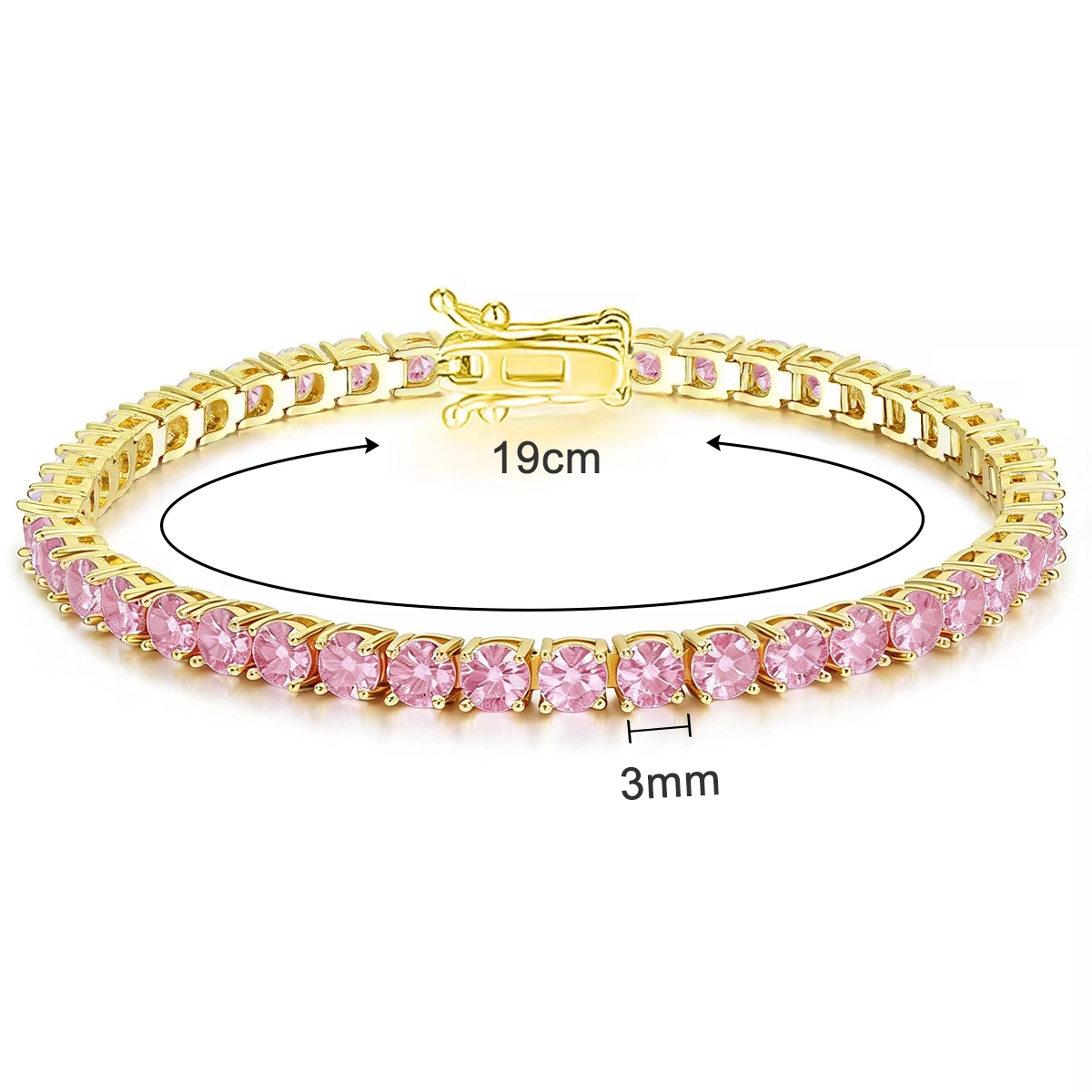
Custom CZ Tennis Bracelet Manufacturer | 925 Sterling Silver & Brass Jewelry OEM
How Manufacturers Ensure Tarnish-Resistant Silver Bracelets
Wholesale 925 silver necklace manufacturer and supplier
Wholesale Payment Terms and Risk Management for Jewelry Buyers
Product Categories
You may also like

925 Silver Jewelry
Customizable High-Quality Fashion 925 Sterling Silver AAA Cubic Zirconia Heart-Shaped Open Tennis Bracelet.
Read More

Brass Jewelry
Customizable OEM ODM High-Quality Fashion Brass AAA Cubic Zirconia Classic Tennis Bracelet for Women Wholesale.
Read More
Get a Quote for Private Label Jewelry
We provide personalized jewelry customization services for clients worldwide.
Rest assured that your privacy is important to us, and all information provided will be handled with the utmost confidentiality.
By clicking 'Send Inquiry Now' I agree to ZHEFAN JEWELRY processing my personal data.
To see how to withdraw your consent, how to control your personal data and how we process it, please see our Privacy Policy and Terms of use.
From design to production, ZHEFAN JEWELRY offers a one-stop solution to help you enhance your brand value and market competitiveness.
Get A Quote
Contact
Tel: (+86) 188 1927 7817
© 2026 Zhefan Jewelry. All Rights Reserved.
Facebook
Instagram
YouTube
Whatsapp: +8618819277817