







Email: sales3@zhefanjewelry.com
Private Label Jewelry Manufacturer Pricing Factors That Influence Jewelry Costs
Jewelry pricing is shaped by more than the base metal. Material selection, product weight, design complexity, tooling, surface finishing, gemstone or pearl specifications, order volume, packaging, compliance testing, labor, quality control, logistics, and payment terms all influence the final cost quoted by a manufacturing partner. Buyers can reduce unexpected expenses by separating one-time development charges from recurring unit costs, requesting a complete bill of materials, defining quality standards before sampling, and comparing suppliers on total landed cost rather than unit price alone. Zhefan Jewelry supports OEM and ODM programs for brass jewelry, 925 silver jewelry, sterling silver jewelry, gold vermeil jewelry, and pearl jewelry, with scalable production, structured inspections, and material compliance support.
- How Jewelry Manufacturing Quotes Are Built
- Metal type, purity, and product weight
- Design complexity and engineering risk
- Tooling, sampling, and development charges
- Production Specifications That Change the Unit Price
- Plating, polishing, and surface treatment
- Gemstones, pearls, enamel, and component selection
- Order quantity, minimums, and capacity planning
- Commercial and Compliance Variables in Total Cost
- Labor, quality assurance, and rejection risk
- Regulatory materials and market access
- Packaging, freight, duties, and payment terms
- How Zhefan Jewelry Supports Cost-Controlled Scaling
- Integrated capabilities for multiple jewelry materials
- Design speed balanced with production discipline
- Compliance, OEM/ODM support, and commercial reliability
- Frequently Asked Questions
Jewelry costing is a commercial engineering exercise rather than a simple material-price calculation. For brands, retailers, distributors, and investors, the quoted price from a manufacturing partner reflects the interaction of metal value, product architecture, tooling, labor, finishing, order economics, compliance, packaging, and delivery requirements. A low unit quotation can become expensive if it excludes mold charges, plating upgrades, inspection, rework, freight, or minimum-order commitments. A reliable sourcing decision therefore compares the full landed cost and the expected commercial return of each program.
This guide explains the main variables behind custom jewelry pricing, how buyers can evaluate quotations, and which questions should be answered before approving samples or a production order. It also distinguishes recurring production costs from one-time development expenses, helping project owners build a more accurate budget for brass jewelry, sterling silver jewelry, gold vermeil jewelry, 925 silver jewelry, and pearl jewelry collections.
How Jewelry Manufacturing Quotes Are Built
Metal type, purity, and product weight
The first major cost driver is the material specification. Brass generally has a lower raw-material cost than sterling silver, while 925 silver jewelry carries a price linked to the weight and market value of silver. Gold vermeil adds another layer because the product normally combines a sterling silver base with a defined gold coating. The quotation should state the substrate, alloy or purity, approximate finished weight, plating thickness, and any allowable tolerance.
Weight is especially important for chains, cuffs, signet rings, solid pendants, and substantial earrings. Two items with the same external dimensions may have different costs if one is hollow, lightweight, or engineered with a thinner wall. Buyers should request the estimated net metal weight and clarify whether the quoted weight includes solder, posts, clasps, stones, and plating. This prevents a seemingly attractive unit price from changing after the final mold or sample is completed.
Design complexity and engineering risk
A simple polished disc requires less machining, assembly, and quality control than a multi-component charm with moving parts, hidden joints, fine lettering, or a three-dimensional relief. Cost increases when a design contains narrow channels, deep undercuts, fragile prongs, uneven thickness, sharp transitions, or miniature mechanisms. These features can require additional mold development, more casting controls, slower polishing, and a higher rejection allowance.
Digital artwork alone does not guarantee manufacturability. A production-ready design review should assess wall thickness, clasp strength, stone retention, post alignment, surface accessibility, and the ability to reproduce details consistently. Early engineering feedback can reduce tooling revisions and avoid a situation in which a low-cost concept becomes expensive during sampling.
Tooling, sampling, and development charges
Custom molds, dies, fixtures, and master models are usually one-time or project-specific expenses. Their cost depends on the size of the piece, the number of components, the required tolerances, the mold material, and whether the design needs multiple cavities. A collection with ten unique pendants may require ten separate development paths even if the final order is placed with one supplier.
Sampling charges can include 3D modeling, wax or resin prototypes, casting, polishing, plating, stone setting, revisions, and courier delivery. Buyers should ask whether tooling is included, refundable, amortized into the unit price, or retained by the factory. Ownership and future-use rights for custom molds should also be recorded in the purchase agreement.
Production Specifications That Change the Unit Price
Plating, polishing, and surface treatment
Surface finishing often creates a larger cost difference than buyers expect. High-polish, brushed, hammered, antique, satin, enamel, oxidized, and two-tone finishes require different preparation and process controls. Gold, rhodium, or other decorative coatings also vary according to color, thickness, base metal, pretreatment, and durability requirements.
Plating should be specified with practical acceptance criteria. These may include color reference, coating thickness where applicable, coverage on edges and recessed areas, adhesion, tarnish expectations, and permitted visual variation between batches. A decorative finish that is acceptable for a low-price seasonal item may be unsuitable for a High Quality collection exposed to frequent wear. The quotation should identify whether additional testing or extra finishing stages are included.
Gemstones, pearls, enamel, and component selection
Natural pearls, freshwater pearls, cubic zirconia, synthetic stones, glass, enamel, and laboratory-created gemstones each create different cost structures. Important variables include size, shape, color consistency, surface quality, matching requirements, setting method, breakage risk, and the number of components per item. Pearl jewelry can require sorting and pairing, while pavé or micro-setting designs increase labor and inspection time.
Component quality also affects the commercial result. Clasps, jump rings, ear posts, backs, chains, hinges, and logos should be specified by material, dimensions, finish, and functional tolerance. A low-cost component may reduce the initial quotation but increase returns if it bends, loosens, tarnishes, or fails during normal use.
Order quantity, minimums, and capacity planning
Manufacturers spread setup, purchasing, programming, inspection, and production preparation across the order quantity. Larger runs generally lower the average unit cost, but the relationship is not unlimited. A collection with many stock-keeping units can still carry high setup costs because each style requires separate preparation. Buyers should compare price breaks by style, color, plating, and total program volume rather than relying only on the combined order quantity.
Minimum order quantities may apply to a design, finish, color, component, or packaging configuration. If demand is uncertain, a staged launch with an approved reorder plan can be more financially responsible than committing to an excessive first batch. The supplier should disclose lead times for raw materials and identify which items are made to order versus held in inventory.
Commercial and Compliance Variables in Total Cost
Labor, quality assurance, and rejection risk
Labor cost reflects casting, cutting, filing, soldering, stone setting, assembly, polishing, plating preparation, inspection, packing, and rework. Complex pieces may require more manual handling than their size suggests. A robust quality system can raise the quoted factory price while lowering the buyer’s total cost through fewer defects, fewer returns, and more consistent customer reviews.
Quality requirements should be converted into measurable criteria. Examples include dimensional tolerance, clasp pull strength, plating appearance, stone security, solder visibility, logo placement, sharp-edge control, and acceptable surface marks. Buyers should agree on an approved reference sample, inspection level, defect classification, and corrective-action process. General quality-management principles can be aligned with ISO 9001 quality management guidance, although certification status must be verified directly with the supplier.
Regulatory materials and market access
Compliance requirements vary by destination market and product category. Restrictions on lead, cadmium, nickel release, and other substances can influence alloy selection, plating chemistry, testing, documentation, and supplier qualification. The European Union’s REACH regulation and the RoHS directive are examples of regulatory frameworks that may affect material and chemical controls, depending on the product and intended market.
Compliance is not a decorative add-on. Testing can require laboratory fees, sample preparation, documentation management, and batch traceability. Buyers should define the destination countries before production and confirm who pays for testing, what happens if a result fails, and whether supplier declarations are supported by current laboratory reports. Documentation from a previous product should not automatically be treated as proof for a new alloy, finish, or component.
Packaging, freight, duties, and payment terms
Retail boxes, pouches, cards, barcodes, inserts, anti-tarnish materials, and master cartons can materially change the landed cost. Custom packaging also introduces artwork approval, printing plates, color matching, inventory commitments, and storage considerations. Buyers should request separate pricing for standard and customized packaging so the product cost remains transparent.
Freight terms should identify the applicable Incoterm, export documentation, insurance responsibility, destination charges, and any duties or taxes. Air freight may protect a launch date but reduce margin, whereas sea freight can lower transportation cost while extending inventory lead time. Payment terms affect working capital as well: deposits, balance timing, currency, bank charges, and credit arrangements should be modeled alongside the unit quotation.
| Cost category | Usually one-time or recurring | Buyer verification point | Typical pricing impact |
|---|---|---|---|
| Tooling and master model | Usually one-time | Ownership, revision policy, and amortization | High for complex custom designs |
| Metal and product weight | Recurring and market-sensitive | Purity, alloy, net weight, and tolerance | High for silver and heavier pieces |
| Plating and finishing | Recurring | Color, thickness, coverage, and durability criteria | Moderate to high |
| Stones, pearls, and components | Recurring | Grade, matching, setting, and replacement policy | Low to high depending on specification |
| Quality control and testing | Recurring or batch-based | Inspection standard, test scope, and failure responsibility | Moderate but valuable for risk reduction |
| Packaging and logistics | Recurring | Packaging bill, Incoterm, freight, duties, and insurance | Moderate to high on small orders |
This framework helps procurement teams compare quotations on an equivalent basis. The lowest factory price is not necessarily the lowest total cost when defect rates, expedited freight, packaging variance, or compliance delays are included.
How Zhefan Jewelry Supports Cost-Controlled Scaling
Integrated capabilities for multiple jewelry materials
Zhefan Jewelry is a fashion jewelry manufacturing company established in 2002, with a legacy dating back to 1997. Founded by a master mold craftsman, our production culture is built around long-term refinement of molding, finishing, and product execution. We specialize in brass jewelry, 925 silver jewelry, sterling silver jewelry, gold vermeil jewelry, and pearl jewelry for brands requiring coordinated collections across different price tiers.
Our two factories in Guangzhou and Meizhou cover 800 square meters and are supported by more than 80 skilled artisans and 20 sales professionals. Monthly capacity reaches approximately 600,000 pieces, allowing our team to support both emerging labels and established retail programs. Scale can help buyers consolidate styles, coordinate production windows, and reduce the operational friction associated with managing multiple suppliers.
Design speed balanced with production discipline
Our professional design team launches more than 500 original styles monthly, giving global partners a broad source of trend-responsive concepts. For private-label collections, design speed only creates value when concepts can be translated into stable production. Our engineering and manufacturing process focuses on practical mold construction, surface access, finishing consistency, and clear sample approval before bulk production.
We apply six rounds of precision polishing and six strict quality inspections to support a consistent appearance across production batches. These controls are particularly relevant to polished brass jewelry, detailed 925 silver jewelry, gold vermeil surfaces, stone accents, and pearl jewelry, where small surface or assembly defects can affect customer perception and return rates.
Compliance, OEM/ODM support, and commercial reliability
Our materials are selected with RoHS and REACH compliance requirements in mind, and buyers can discuss destination-market documentation and testing needs with our sales team before order confirmation. Compliance planning at the quotation stage helps prevent late specification changes that could affect cost or delivery.
Zhefan Jewelry provides OEM and ODM solutions for global partners, including work connected with Amazon’s top three sellers and retailers such as Macy’s. Our value proposition combines manufacturing capacity, original design development, structured quality control, rapid delivery coordination, and dedicated service. Buyers can evaluate each project through a transparent cost model covering material, weight, tooling, finishing, packaging, inspection, logistics, and reorder potential.
For an accurate quotation, a project brief should include drawings or reference images, target material, dimensions, estimated weight, finish, stone or pearl requirements, logo details, packaging, destination market, testing expectations, order quantity, and target delivery date. The more complete the brief, the less likely the quotation will change during sampling or production.
Contact Zhefan Jewelry at sales3@zhefanjewelry.com to review your product specifications, compare total landed costs, and develop a scalable OEM or ODM jewelry program.
Frequently Asked Questions
What is the biggest factor influencing jewelry manufacturing cost?
The biggest factors are usually material type and product weight, followed by design complexity, finishing requirements, order quantity, and components such as stones, pearls, clasps, and chains.
Are custom jewelry molds a recurring cost?
Custom molds, dies, fixtures, and master models are usually one-time or project-specific expenses, but buyers should confirm ownership, revision charges, storage, and whether tooling is amortized into the unit price.
Why can two jewelry items with similar dimensions have different prices?
They may use different alloys, weights, wall thicknesses, construction methods, finishes, components, or quality-control requirements. Hollow or lightweight construction can cost less than a solid design with the same external dimensions.
How can buyers compare jewelry supplier quotations accurately?
Buyers should compare equivalent specifications for material purity, net weight, plating, stones, packaging, inspection, testing, Incoterms, freight, duties, payment terms, tooling, and minimum order quantities instead of comparing unit price alone.
Does a higher quality-control cost improve the total business result?
It can. Defined inspections and testing may increase the factory quotation but reduce defects, rework, returns, expedited freight, and customer dissatisfaction, lowering total cost over the product lifecycle.
What information is needed to receive an accurate jewelry quotation?
A useful brief includes drawings or reference images, material, dimensions, estimated weight, finish, stone or pearl details, logo requirements, packaging, destination market, testing needs, order quantity, and target delivery date.
Tags
custom brass initial necklace
custom brass initial necklace
engraved urn pendant necklace OEM
engraved urn pendant necklace OEM
wholesale mother of pearl earrings
wholesale mother of pearl earrings
unplated brass tennis bracelet for plating
unplated brass tennis bracelet for plating
custom silver bracelet manufacturer
custom silver bracelet manufacturer
925 silver bracelet exporter
925 silver bracelet exporter
Recommended for you
Shipping, Insurance, and Import Rules for Silver Jewelry
Photo and Packaging Specs for Selling Gold Plated Earrings
Understanding Gold Vermeil Jewelry Pricing: What Factors Affect Wholesale Costs?
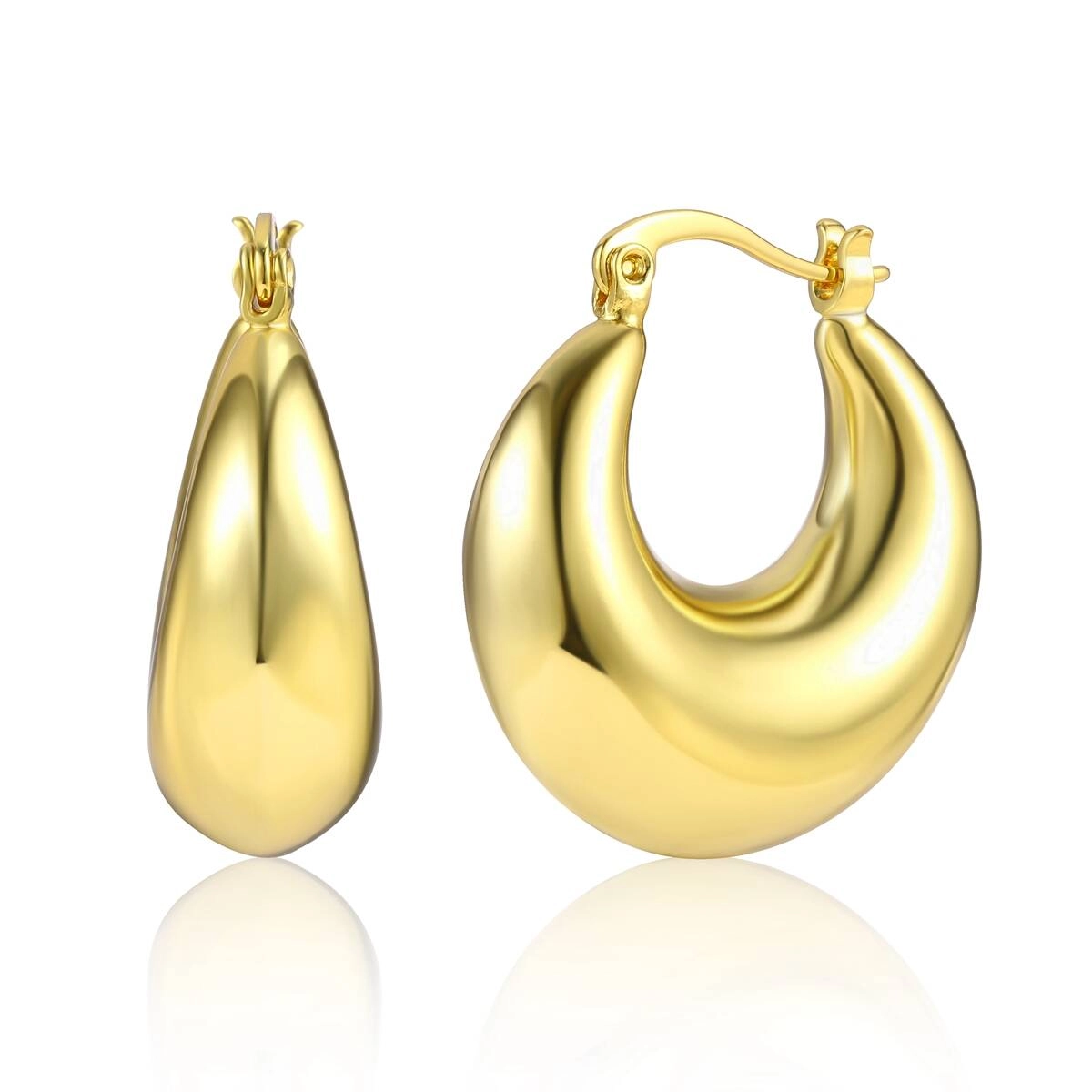
Gold-Plated Chunky Hoop Earrings — Wholesale Fashion Jewelry Manufacturer
Product Categories
You may also like

925 Silver Jewelry
Customizable High-Quality Fashion 925 Sterling Silver AAA Cubic Zirconia Heart-Shaped Open Tennis Bracelet.
Read More

Brass Jewelry
Customizable OEM ODM High-Quality Fashion Brass AAA Cubic Zirconia Classic Tennis Bracelet for Women Wholesale.
Read More
Get a Quote for Private Label Jewelry
We provide personalized jewelry customization services for clients worldwide.
Rest assured that your privacy is important to us, and all information provided will be handled with the utmost confidentiality.
By clicking 'Send Inquiry Now' I agree to ZHEFAN JEWELRY processing my personal data.
To see how to withdraw your consent, how to control your personal data and how we process it, please see our Privacy Policy and Terms of use.
From design to production, ZHEFAN JEWELRY offers a one-stop solution to help you enhance your brand value and market competitiveness.
Get A Quote
Contact
Tel: (+86) 188 1927 7817
© 2026 Zhefan Jewelry. All Rights Reserved.
Facebook
Instagram
YouTube
Whatsapp: +8618819277817