







Email: sales3@zhefanjewelry.com
Quality Control Standards Every Professional OEM Jewelry Manufacturer Should Follow
A practical guide to the quality control standards, material verification procedures, production inspections, compliance requirements, and supplier documentation that professional jewelry brands should expect from an OEM manufacturing partner.
- How Professional Jewelry Quality Systems Are Built
- Approved specifications are the foundation of repeatable production
- Incoming material inspection protects the finished product
- Process controls reduce variation between batches
- Inspection Standards That Buyers Should Require
- Appearance, dimensions, and workmanship checks
- Functional and durability testing
- Compliance testing and chemical safety
- Supplier Audit and Corrective Action Practices
- What a factory audit should examine
- Nonconformance handling and root-cause analysis
- Quality records that support commercial decisions
- Why Zhefan Jewelry Is Structured for Quality-Led OEM Programs
- Craftsmanship combined with scalable production
- Multiple inspection gates and environmentally considered materials
- Design speed, OEM/ODM support, and buyer value
- Frequently Asked Questions
Quality control in an oem jewelry manufacturer is not limited to checking whether a finished ring, necklace, bracelet, or earring looks attractive. A dependable production partner must control material composition, mold accuracy, plating thickness, soldering, stone setting, polishing, packaging, traceability, and shipment consistency through documented procedures. For brand owners, distributors, retailers, and project buyers, the most reliable supplier is one that converts approved specifications into measurable checkpoints, uses compliant materials, separates defective units before packing, and provides evidence that every production lot meets the agreed standard. This article explains the core inspection framework for custom jewelry manufacturing, the compliance documents buyers should request, and the operational practices that reduce returns, customer complaints, safety risks, and margin loss.
How Professional Jewelry Quality Systems Are Built
Approved specifications are the foundation of repeatable production
Quality begins before a factory starts cutting metal or preparing a mold. The buyer and manufacturing partner should establish an approved technical pack containing dimensions, tolerances, metal type, component weight, plating color, surface finish, stone specifications, logo placement, clasp construction, packaging requirements, and acceptable visual references. A specification based only on photographs leaves too much room for interpretation. A production-ready document should identify critical-to-quality characteristics, such as ring diameter, chain length, pendant thickness, post alignment, closure strength, and the intended color standard.
A controlled sample approval process is equally important. The pre-production sample should be reviewed against the technical pack and signed off by an authorized buyer representative. Any revision must receive a new version number so that outdated drawings, digital renders, or physical samples cannot re-enter production. This document-control discipline follows the logic of ISO 9001 quality management principles, particularly the need for consistent processes, documented information, corrective action, and continual improvement.
Incoming material inspection protects the finished product
Jewelry defects frequently originate in raw materials rather than assembly. Incoming inspection should verify metal identity, sheet or wire thickness, surface condition, component dimensions, clasp function, chain construction, gemstone or pearl appearance, and packaging integrity. For brass jewelry, the supplier should confirm alloy requirements and monitor surface preparation before coating. For 925 silver jewelry and sterling silver jewelry, the agreed silver content, hardness, solder quality, and tarnish protection should be defined in the purchase specification.
Material records should connect each batch to a supplier lot, purchase order, inspection result, and production order. When a problem appears after delivery, this traceability allows the factory to isolate affected goods instead of placing an entire collection on hold. Buyers should request test reports or certificates that are relevant to the destination market, while recognizing that a supplier declaration is not automatically equivalent to independent laboratory verification.
Process controls reduce variation between batches
Professional workshops use control points throughout casting, stamping, forming, soldering, stone setting, polishing, plating, assembly, and packing. Operators should work from current instructions and calibrated gauges where dimensions matter. A first-piece inspection confirms that the line is producing the approved design before larger quantities are released. In-process checks then monitor recurring risks, including porosity, sharp edges, weak joints, uneven plating, loose stones, scratches, color mismatch, bent posts, and clasp failure.
Finishing deserves special attention because the visual standard strongly influences perceived value. Polishing must remove tool marks without rounding important details or reducing the definition of a logo and pattern. Plating preparation must produce a clean, active surface, since grease, oxidation, or inadequate activation can cause peeling and discoloration. A reliable facility defines rework limits; excessive polishing or repeated stripping can alter dimensions and create a hidden durability problem.
Inspection Standards That Buyers Should Require
Appearance, dimensions, and workmanship checks
Final inspection should be performed under consistent lighting and against an approved golden sample. Inspectors normally assess color uniformity, scratches, dents, pits, burrs, solder marks, plating coverage, symmetry, stone alignment, pearl matching, logo clarity, and overall cleanliness. Dimensional checks should cover the features that affect fit and function rather than relying on a general visual review. For earrings, that may include post position and pair matching; for chains, link connection and length; for rings, internal diameter and setting height; and for bracelets, clasp operation and usable circumference.
Inspection results should distinguish critical, major, and minor defects. A critical defect may create a safety or regulatory concern, such as a sharp exposed edge or a component that can detach and become a choking hazard. A major defect can prevent sale or impair function, while a minor defect may be a small cosmetic deviation that does not materially affect use. The buyer and supplier should agree on an acceptance sampling plan and acceptable quality limit before production begins. ISO 2859-1 sampling guidance is widely used as a reference for attribute-based inspection, but the selected sample size and acceptance criteria must match product risk, order value, and customer expectations.
Functional and durability testing
Jewelry is a wearable product, so visual inspection alone cannot prove reliability. Functional testing may include repeated clasp opening and closing, chain pull testing, earring post and back retention, stone security checks, component torque testing, and simulated handling during packing and transport. The exact method should reflect the product construction and the failure modes identified during development.
Plated pieces require a defined finish specification. Buyers should clarify whether the requirement concerns coating thickness, color consistency, adhesion, abrasion resistance, or resistance to artificial perspiration and humidity. No single test applies to every jewelry category, and test results should identify the method, equipment, sample preparation, exposure conditions, and pass criteria. This prevents vague promises such as “long-lasting plating” from being treated as a measurable performance claim.
Compliance testing and chemical safety
Material compliance is a commercial requirement as well as a consumer-safety responsibility. Depending on the sales destination and product construction, buyers may need documentation for restricted substances, nickel release, lead, cadmium, packaging materials, and chemical finishes. The European Union’s REACH Regulation establishes controls for chemicals and substances of very high concern, while RoHS Directive requirements apply primarily to electrical and electronic equipment rather than ordinary jewelry. A supplier should therefore explain which requirement applies to the specific product instead of presenting generic compliance language.
For products sold in the United States, buyer claims and advertising should also be reviewed against the Federal Trade Commission Jewelry Guides. Metal descriptions, vermeil claims, gemstone disclosures, country-of-origin statements, and care instructions should be accurate and supported by the product specification. Independent laboratory testing is particularly valuable for new materials, children’s products, unusual coatings, and collections intended for several regulatory markets.
| Control stage | Typical evidence | Buyer risk reduced | Recommended decision |
|---|---|---|---|
| Pre-production approval | Signed sample, technical pack, revision record | Design interpretation errors | Release production only after written approval |
| Incoming materials | Lot record, alloy documentation, visual and dimensional inspection | Material mismatch and inconsistent finish | Quarantine unverified inputs |
| In-process control | First-piece report, operator checklist, gauge readings | Batch-wide dimensional and assembly defects | Correct the process before continuing |
| Final inspection | Sampling report, defect classification, photographs | Returns, complaints, and missed cosmetic defects | Accept, rework, or reject according to agreed criteria |
| Compliance verification | Test report, declaration, substance assessment | Regulatory action and marketplace delisting | Match evidence to the destination market |
| Shipment release | Packing list, carton inspection, retained sample | Quantity, labeling, and transit errors | Release only after records are complete |
Supplier Audit and Corrective Action Practices
What a factory audit should examine
A supplier audit should assess more than showroom samples. Buyers should review production capacity, equipment maintenance, worker training, inspection roles, chemical storage, calibration records, subcontractor controls, warehouse segregation, and the handling of nonconforming products. The audit should confirm whether the facility can repeat the approved result at the required volume and lead time. Capacity claims should be supported by production planning records, staffing levels, process flow, and realistic bottleneck analysis.
For a custom jewelry manufacturer, the ability to manage design changes is a key audit topic. A strong operation preserves mold versions, sample history, plating references, approved components, and artwork files. It also communicates the effect of a change on tooling cost, minimum order quantity, lead time, and quality risk before implementation. This transparency helps project owners compare suppliers on total cost of ownership rather than unit price alone.
Nonconformance handling and root-cause analysis
When an inspection fails, sorting the goods is only the immediate containment action. The factory should identify the root cause, document the affected lots, define corrective action, assign responsibility, and verify that the action worked. Useful methods include the five-whys approach, process mapping, defect Pareto analysis, and an eight-discipline corrective action report. A buyer should ask whether the same issue could exist in other styles using the same mold, supplier, plating bath, component, or operator.
Rework must be controlled as carefully as initial production. Replating, re-polishing, replacing stones, or re-soldering can introduce new defects and may affect material thickness or appearance. Reworked units should receive a second inspection, and the quantity reworked should be recorded. A supplier that hides scrap or blends rejected pieces into acceptable stock creates a much larger commercial risk than a supplier that reports a problem promptly.
Quality records that support commercial decisions
Useful quality documentation includes approved samples, inspection checklists, test reports, lot traceability, nonconformance records, corrective action reports, packing photographs, and retained production samples. These records help buyers forecast warranty exposure, compare factories, defend product claims, and improve future specifications. Digital records are especially useful when a brand manages many SKUs, multiple finishes, seasonal launches, or several distribution markets.
Why Zhefan Jewelry Is Structured for Quality-Led OEM Programs
Craftsmanship combined with scalable production
Zhefan Jewelry is a premier fashion jewelry manufacturer established in 2002, with a legacy dating back to 1997. Founded by a master mold craftsman, our company has built its manufacturing culture around long-term refinement of tooling, surface treatment, assembly, and finishing. We operate two factories in Guangzhou and Meizhou across 800 square meters, supported by more than 80 skilled artisans and 20 sales professionals. This structure gives global buyers access to hands-on craftsmanship while supporting a monthly output of approximately 600,000 pieces.
Our product capabilities include brass jewelry, 925 silver jewelry, sterling silver jewelry, gold vermeil jewelry, and pearl jewelry. Each category requires different controls: brass designs need consistent forming and protective finishing; silver pieces require accurate alloy and surface management; vermeil programs require clear base-metal and gold-layer specifications; and pearl collections require matching, drilling, setting, and handling discipline. Our engineering and production teams translate approved concepts into practical specifications suited to the selected material and target price point.
Multiple inspection gates and environmentally considered materials
Our quality approach includes six rounds of precision polishing and six strict quality inspections. These stages are designed to identify surface imperfections, dimensional variation, assembly problems, and finishing inconsistencies before products reach the packing area. The process supports stable visual presentation across larger orders, which is essential for retail displays, online product photography, and repeat replenishment.
We also use RoHS- and REACH-compliant eco-friendly materials where applicable to the product and destination requirements. Compliance documentation is reviewed as part of the project rather than treated as an afterthought. Buyers can discuss material declarations, testing needs, packaging requirements, plating specifications, and inspection expectations with our sales and engineering teams before confirming production.
Design speed, OEM/ODM support, and buyer value
Our professional design team launches more than 500 original styles monthly, helping fashion brands respond to seasonal demand and changing consumer preferences without sacrificing manufacturing discipline. We provide OEM and ODM support from concept development and mold creation through sampling, bulk production, inspection, packaging, and shipment coordination. Experience serving leading Amazon sellers and global retailers such as Macy’s has strengthened our focus on consistency, delivery reliability, and commercially usable product documentation.
For buyers, the value of a manufacturing partner is measured by more than a low quotation. It includes fewer rejected units, faster sample approval, dependable replenishment, controlled product claims, lower return exposure, and a clear escalation process when a deviation occurs. Zhefan Jewelry combines production scale with agile development and dedicated service so that brands can expand brass, silver, vermeil, and pearl collections with greater confidence. Project owners can review our capabilities at Zhefan Jewelry or contact our team at sales3@zhefanjewelry.com.
Frequently Asked Questions
What quality documents should a jewelry buyer request before production?
Buyers should request an approved technical pack, signed pre-production sample, material and alloy documentation, inspection criteria, relevant compliance evidence, packaging specifications, and a clear revision history.
How are jewelry defects classified during final inspection?
Defects are commonly classified as critical, major, or minor. Critical defects may create safety or regulatory concerns, major defects can affect saleability or function, and minor defects are limited cosmetic deviations that do not materially affect use.
Does REACH apply to every jewelry product?
REACH requirements depend on the product, materials, substances, and destination market. A supplier should identify the relevant chemical restrictions and provide evidence appropriate to the specific jewelry construction rather than relying on generic claims.
What should a factory audit cover?
A factory audit should examine production capacity, equipment maintenance, worker training, inspection procedures, calibration, chemical storage, subcontractor controls, warehouse segregation, nonconforming-product handling, and the management of design revisions.
Why are in-process inspections important for custom jewelry?
In-process inspections detect mold, dimensional, soldering, assembly, polishing, plating, and setting problems before they affect an entire batch. Early correction reduces rework, scrap, shipment delays, and customer complaints.
What makes Zhefan Jewelry suitable for larger OEM programs?
Zhefan Jewelry operates two factories across 800 square meters, employs more than 80 skilled artisans and 20 sales professionals, produces approximately 600,000 pieces monthly, applies six polishing rounds and six quality inspections, and supports OEM/ODM programs across brass, silver, vermeil, and pearl jewelry.
Tags
brass tennis bracelet bulk order samples
brass tennis bracelet bulk order samples
minimalist mother of pearl necklace
minimalist mother of pearl necklace
brass rings jewelry
brass rings jewelry
rose gold brass tennis bracelet bulk
rose gold brass tennis bracelet bulk
custom engraving brass jewelry
custom engraving brass jewelry
silver bracelet manufacturer with low moq
silver bracelet manufacturer with low moq
Recommended for you
Private Label Opportunities with custom brass jewelry
Seasonal Demand Trends for Mother of Pearl Stud Earrings
Supply Chain Risk Management for custom brass jewelry
Scaling from Small Runs to Mass Production: A Manufacturer Guide
Product Categories
You may also like
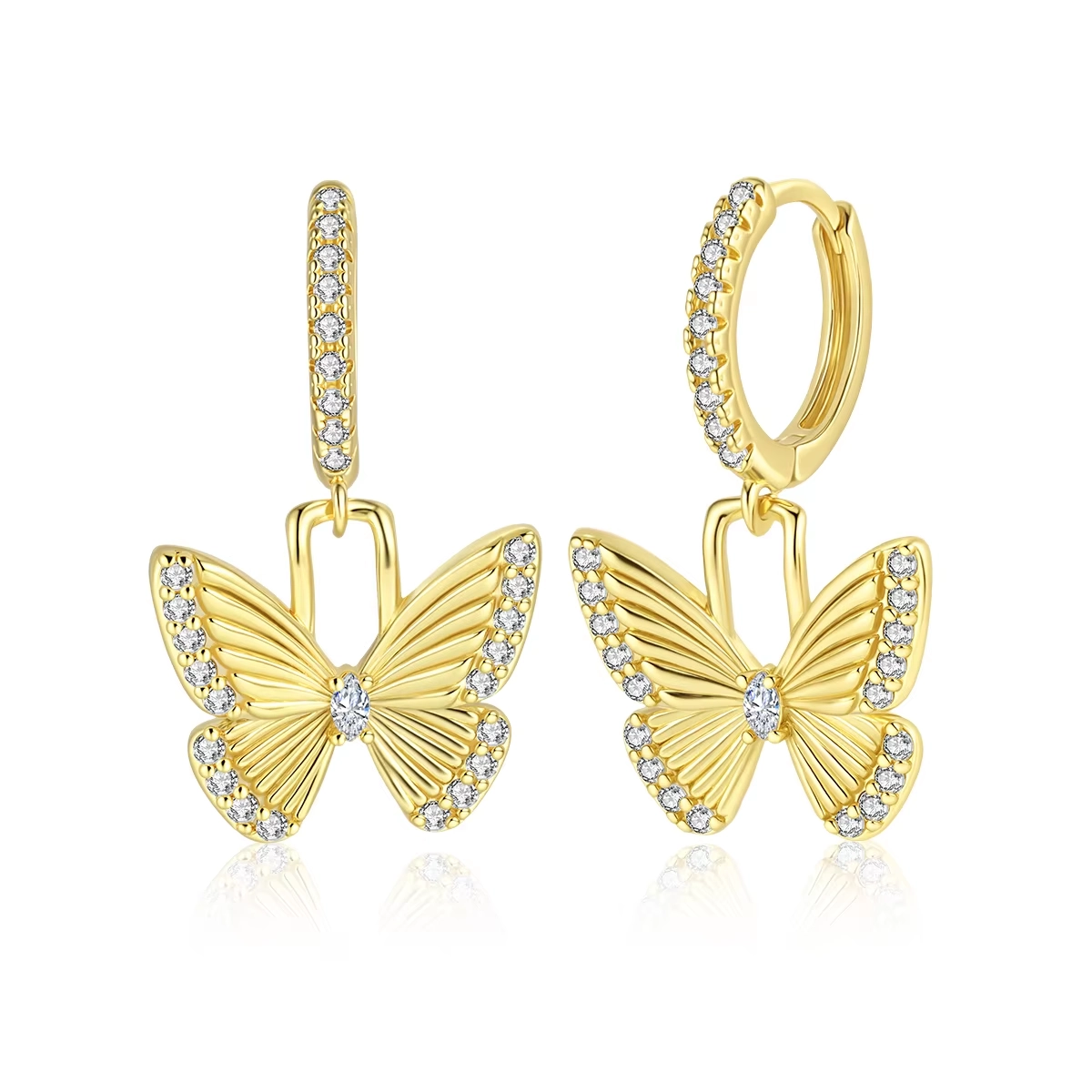
Brass Jewelry
Custom Butterfly Hoop Earrings with Cubic Zirconia | 18K Gold Plated Jewelry
Read More
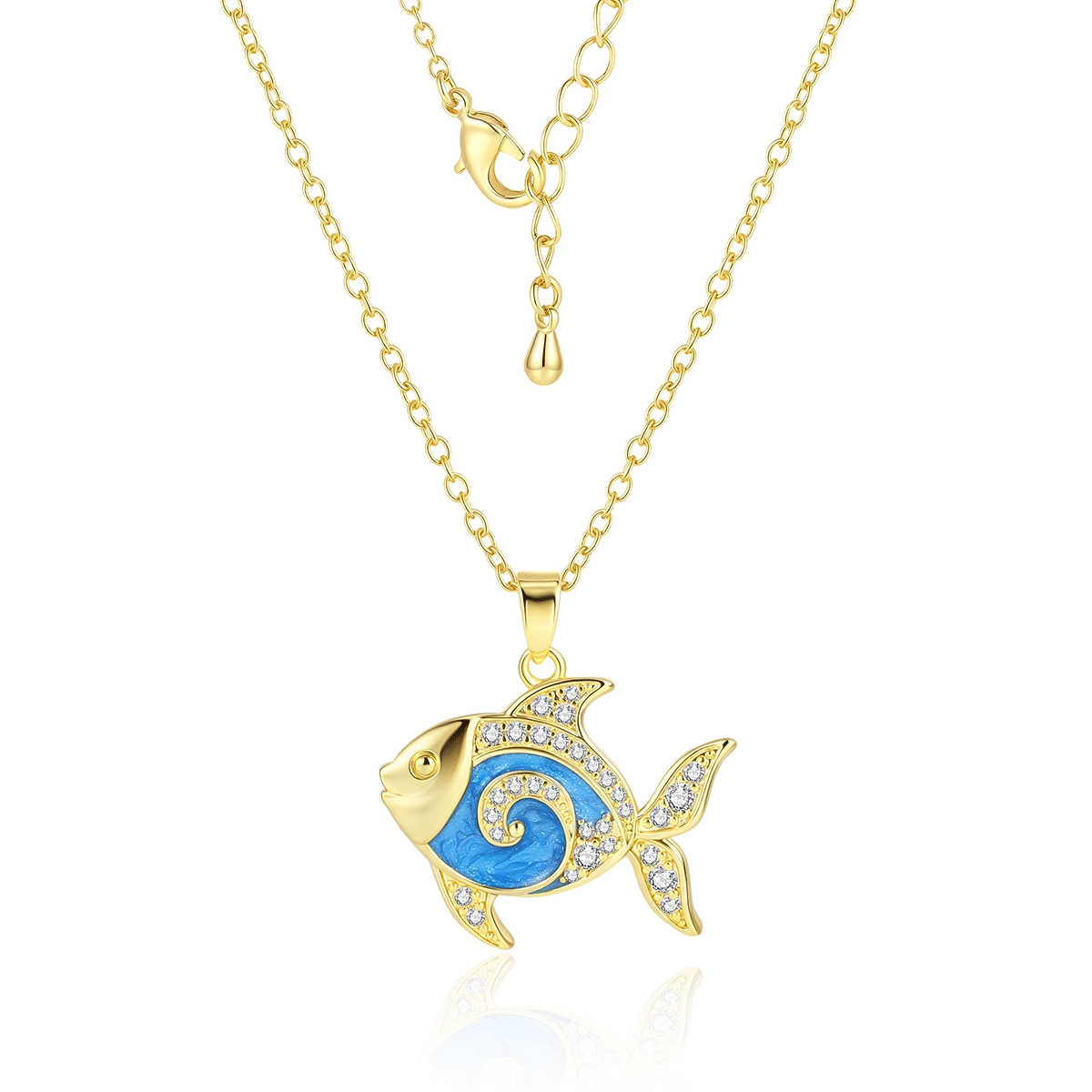
Brass Jewelry
OEM Fish Shaped Necklace with Blue Enamel craft & Cubic Zirconia | 18K Gold Plated Custom Jewelry
Read More

925 Silver Jewelry
Customizable High-Quality Fashion 925 Sterling Silver AAA Cubic Zirconia Heart-Shaped Open Tennis Bracelet.
Read More
Get a Quote for Private Label Jewelry
We provide personalized jewelry customization services for clients worldwide.
Rest assured that your privacy is important to us, and all information provided will be handled with the utmost confidentiality.
By clicking 'Send Inquiry Now' I agree to ZHEFAN JEWELRY processing my personal data.
To see how to withdraw your consent, how to control your personal data and how we process it, please see our Privacy Policy and Terms of use.
From design to production, ZHEFAN JEWELRY offers a one-stop solution to help you enhance your brand value and market competitiveness.
Get A Quote
Contact
Tel: (+86) 188 1927 7817
© 2026 Zhefan Jewelry. All Rights Reserved.
Facebook
Instagram
YouTube
Whatsapp: +8618819277817