







Email: sales3@zhefanjewelry.com
Risk Management for Importing Nickel-Free Brass Jewelry
Importing nickel-free brass jewelry requires more than a supplier declaration: buyers must control material composition, nickel release, plating durability, documentation, packaging, customs classification, and post-arrival quality. A reliable risk-management program combines approved specifications, independent laboratory testing, ISO-based sampling, REACH compliance review, production inspections, traceability, and corrective-action procedures. This guide explains how brand owners, distributors, and retailers can reduce regulatory, quality, supply-chain, and commercial risks when sourcing custom brass accessories from overseas manufacturers.
- Building a Compliance Framework for Skin-Contact Brass Accessories
- Define what “nickel-free” means for the destination market
- Separate material composition from surface performance
- Use recognized testing and sampling practices
- Controlling Supplier, Logistics, and Commercial Exposure
- Qualify the factory beyond price and product photos
- Protect the purchase order and technical file
- Plan for customs and delivery risks
- Operationalizing Quality Assurance with Zhefan Jewelry
- Manufacturing scale supported by documented controls
- Finishing discipline and material responsibility
- Product breadth and commercial responsiveness
- Creating a Repeatable Import-Risk Dashboard
- Track leading indicators before a shipment fails
- Manage changes through formal approval
- Frequently Asked Questions
Importing nickel-free brass jewelry requires a documented control system covering alloy composition, nickel release, surface plating, supplier capability, laboratory evidence, customs paperwork, packaging, and post-arrival inspection. “Nickel-free” should not be treated as a marketing phrase alone: buyers need a written material specification, a defined regulatory threshold for the destination market, representative test reports, production traceability, and a corrective-action process. For European sales, nickel release requirements under REACH Annex XVII are particularly important because jewelry that contacts the skin may be subject to release limits rather than a simple declaration that nickel is absent. The safest procurement model combines supplier qualification, pre-production approval, in-process inspections, independent testing, and a controlled shipping-release decision.
Building a Compliance Framework for Skin-Contact Brass Accessories
Define what “nickel-free” means for the destination market
Brass is primarily a copper-zinc alloy, but the precise formulation can vary by supplier, product category, machining method, and plating system. Some manufacturers may use small quantities of additional elements to improve casting, hardness, color, or workability. Consequently, a buyer should not approve a product based only on the base-metal name. The technical specification should identify the permitted alloy family, restricted substances, plating stack, coating thickness target, color standard, and intended skin-contact areas.
Regulatory language also differs across markets. In the European Economic Area, nickel compliance is commonly evaluated through nickel release from articles intended for direct and prolonged skin contact, as described in REACH Annex XVII. The relevant question is therefore whether the finished article releases nickel above the applicable limit during use, not merely whether a supplier claims that the raw brass contains no nickel. Buyers selling in the United States, United Kingdom, Canada, Australia, or other markets should obtain destination-specific advice because product safety obligations, labeling expectations, and enforcement practices may differ.
Separate material composition from surface performance
A compliant base alloy can still create commercial risk if the plating wears rapidly and exposes an uncontrolled substrate. Sweat, friction, perfume, salt water, acidic skin chemistry, and repeated contact with clothing can accelerate surface deterioration. The purchase specification should therefore distinguish between bulk composition, nickel migration or release, coating adhesion, abrasion resistance, tarnish behavior, and color stability.
For plated brass items, buyers should request the complete finishing sequence, such as cleaning, polishing, electroplating, protective coating, and curing. The exact layer structure may vary by design, but the supplier should be able to explain which layer provides the visual finish, which layer acts as a barrier, and how the process is monitored. A risk-based sample plan should include pendants, earrings, rings, clasps, chains, and any component that touches skin directly, because different geometries and wear points can produce different outcomes.
Use recognized testing and sampling practices
Supplier documents are useful for screening, but independent verification provides stronger protection for a private-label program. A buyer should confirm the laboratory identity, report date, sample description, test method, detection or reporting limits, and whether the tested sample matches the commercial item. A report for an unplated brass component does not automatically validate a finished plated necklace or earring.
Inspection sampling should be defined before production begins. ISO 2859-1 provides an established framework for attribute sampling using acceptance quality limits, although the selected inspection level and acceptance criteria must reflect the product’s risk. For skin-contact accessories, a buyer may reasonably apply tighter controls to chemical compliance and critical defects than to minor cosmetic variations. The sampling plan should also state what happens when a sample fails: quarantine, expanded testing, rework, replacement, or order cancellation.
| Control point | Typical evidence | Risk reduced | Buyer decision |
|---|---|---|---|
| Material approval | Alloy specification, supplier declaration, batch traceability | Uncontrolled composition or substitution | Approve the material before tooling or mass production |
| Pre-production validation | Reference sample, plating specification, laboratory test plan | Design and finish deviation | Sign a golden sample and written tolerance sheet |
| In-process inspection | Production records, coating checks, visual inspection | Process drift and inconsistent finishing | Hold or release production by documented criteria |
| Pre-shipment testing | Finished-product chemical and performance report | Noncompliant goods reaching the market | Release only after reviewing representative evidence |
| Arrival inspection | Carton count, AQL inspection, photos, defect report | Transit damage, shortages, mixed lots | Accept, claim, rework, or negotiate corrective action |
Controlling Supplier, Logistics, and Commercial Exposure
Qualify the factory beyond price and product photos
The lowest unit price may conceal higher total cost through failed tests, rework, late delivery, inconsistent plating, or customer returns. Supplier qualification should examine legal identity, factory location, production ownership, subcontracting practices, quality personnel, equipment, laboratory access, environmental controls, and experience with export documentation. Buyers should also determine whether the quoted price covers testing, packaging, tooling, plating, inspection, and corrective work.
A custom jewelry manufacturer should provide a clear approval workflow. That workflow normally includes design confirmation, 3D or wax approval where relevant, mold approval, prototype review, plating approval, pre-production inspection, final inspection, and shipping authorization. Each stage should have an owner and a written sign-off. Without stage gates, a defect discovered after mass production can become a dispute over whether the buyer approved the design, the supplier changed the process, or the testing covered the wrong sample.
Protect the purchase order and technical file
The purchase order should incorporate the approved drawings, dimensions, weight range, material requirements, plating color, coating expectations, packaging specification, labeling, test obligations, inspection rights, and remedies for nonconformity. Terms such as “high quality” or “hypoallergenic” are too vague to manage risk. Measurable language is stronger, including defined chemical limits, acceptable defect classifications, sample quantities, test timing, and document-delivery deadlines.
Maintain a technical file for each collection or product family. It should contain the final artwork, bill of materials, component sources, approved samples, laboratory reports, inspection records, packaging artwork, country-of-origin information, and change history. This record supports retailer onboarding, marketplace compliance inquiries, insurance discussions, and future repeat orders. It also helps identify whether a failed item resulted from a new supplier batch, a plating change, a packaging substitution, or a design modification.
Plan for customs and delivery risks
Brass accessories may require accurate tariff classification, commercial invoices, packing lists, origin data, and product descriptions. Classification can depend on the item’s construction and intended use, so importers should obtain advice from a customs broker or relevant authority rather than relying on an informal product description. The World Customs Organization Harmonized System explains the international structure used for classifying traded goods, but local tariff schedules and rulings still govern the final import treatment.
Logistics planning should include production lead time, testing lead time, port congestion, documentation review, inspection scheduling, and buffer stock. For launches tied to retail calendars, a split-shipment strategy may reduce exposure: release approved quantities first while retaining goods from a disputed batch. Packaging should protect polished surfaces from abrasion and moisture, while carton markings should support lot identification and receiving accuracy.
Operationalizing Quality Assurance with Zhefan Jewelry
Manufacturing scale supported by documented controls
Zhefan Jewelry is a Guangzhou-based fashion jewelry manufacturer established in 2002, with a manufacturing legacy dating back to 1997. Founded by a master mold craftsman, our production culture is built around long-term refinement of molds, finishing, assembly, and quality control. We operate two factories in Guangzhou and Meizhou across 800 square meters, with more than 80 skilled artisans and 20 sales professionals supporting monthly output of approximately 600,000 pieces.
For buyers sourcing brass accessories, scale is valuable only when it is paired with repeatable processes. Our team supports OEM and ODM development for brand owners, distributors, retailers, and e-commerce operators that require consistent specifications across multiple purchase orders. The production workflow can be aligned with approved samples, inspection checkpoints, packaging instructions, and compliance documentation so that product growth does not depend on informal communication.
Finishing discipline and material responsibility
Our quality approach includes six rounds of precision polishing and six strict quality inspections. These controls are designed to reduce visible surface defects, uneven edges, polishing marks, assembly problems, and inconsistencies that can undermine a retail product’s perceived value. The process is especially relevant to plated brass designs, where surface preparation influences adhesion, brilliance, color uniformity, and wear performance.
We use RoHS- and REACH-compliant eco-friendly materials within the applicable product and market requirements. Buyers should still define the exact destination-market test plan for every collection, because compliance is product-specific and can depend on construction, finish, packaging, and intended use. Zhefan Jewelry can support the documentation and sample coordination needed for a controlled approval process rather than treating a single generic certificate as universal proof.
Product breadth and commercial responsiveness
Our professional design team launches more than 500 original styles each month, helping global partners respond to seasonal demand and changing fashion preferences. In addition to brass collections, our capabilities include 925 silver jewelry, sterling silver jewelry, gold vermeil jewelry, and pearl jewelry. This broader product platform allows a brand to develop coordinated collections across different price tiers while maintaining a single manufacturing relationship and common communication process.
Our customer portfolio includes Amazon top-three sellers and global retailers such as Macy’s, reflecting experience with structured product requirements and volume-oriented delivery expectations. For project owners, the commercial benefit is not simply access to more designs. It is the ability to combine trend development, prototype iteration, production capacity, finishing control, inspection, and export coordination in one OEM/ODM program. That integration can reduce handoffs, shorten decision cycles, and improve the likelihood that a collection reaches the market in saleable condition.
Creating a Repeatable Import-Risk Dashboard
Track leading indicators before a shipment fails
A practical dashboard should monitor more than the final defect rate. Leading indicators include first-sample approval time, percentage of reports matching the production lot, plating rework rate, mold modification count, inspection escape rate, on-time document completion, carton discrepancy rate, and corrective-action closure time. These measures show whether risk is increasing while there is still time to intervene.
Each product family should have a risk rating based on skin-contact exposure, design complexity, coating dependence, sales volume, regulatory sensitivity, and launch importance. High-risk products may require independent testing for every production lot or major process change. Lower-risk repeat orders may use periodic verification, provided the supplier, materials, finish, and process remain unchanged and the buyer maintains evidence supporting that decision.
Manage changes through formal approval
Material substitutions, plating-vendor changes, revised polishing compounds, new molds, altered adhesives, packaging changes, and subcontracted operations can affect compliance or customer experience. A supplier change-control procedure should require advance notice, an impact assessment, updated samples where necessary, and renewed testing when the change could influence chemical or physical performance.
When a failure occurs, the objective should be containment before blame. Quarantine the affected lot, identify all shipments using the same batch or process, determine the failure mechanism, and document corrective and preventive actions. A robust supplier relationship includes transparent escalation, realistic replacement timelines, and evidence that the correction has been verified. These practices protect consumer safety, reduce chargebacks, and preserve retailer confidence.
Brand owners seeking a reliable partner for custom brass accessories and related precious-metal collections can contact Zhefan Jewelry at sales3@zhefanjewelry.com or visit our official website to review OEM and ODM capabilities.
Frequently Asked Questions
What documents should buyers request when importing skin-contact brass jewelry?
Buyers should request an alloy specification, supplier declaration, representative finished-product laboratory reports, plating details, approved product drawings, inspection records, batch traceability, commercial invoices, packing lists, and origin information. The report should identify the tested sample, test method, date, and laboratory rather than relying on a generic certificate.
Does a nickel-free claim automatically prove REACH compliance?
No. For many European skin-contact articles, REACH focuses on nickel release from the finished product. A claim about the base alloy does not automatically validate a plated necklace, ring, earring, or clasp after production and wear-related exposure. Buyers should define the destination-market requirements and test representative finished items.
How can buyers verify that laboratory reports match the goods being imported?
The report should describe the product, finish, sample quantity, production or batch information, test method, laboratory, and reporting date. Buyers should compare those details with the approved sample and commercial production, and use independent pre-shipment testing when the product, supplier, plating process, or market risk justifies it.
What should be included in a purchase order for custom brass accessories?
The purchase order should include approved drawings, dimensions, weight tolerance, alloy and restricted-substance requirements, plating color and finish, coating expectations, packaging, labeling, testing obligations, inspection rights, acceptance criteria, delivery milestones, and remedies for nonconforming goods. Measurable specifications are more effective than general terms such as high quality or hypoallergenic.
How often should imported jewelry be tested?
Testing frequency should be risk-based. A new supplier, new material, new plating system, new mold, or major process change generally warrants renewed verification. High-risk skin-contact products may require lot-based testing, while stable repeat orders may use periodic testing supported by unchanged materials, processes, and traceability records.
Why is plating durability important for brass jewelry compliance management?
A compliant base alloy may still create risk if plating wears away and exposes an uncontrolled substrate. Sweat, friction, perfume, salt water, and acidic skin chemistry can accelerate wear. Buyers should therefore evaluate coating adhesion, abrasion resistance, tarnish behavior, color stability, and the complete finishing sequence in addition to base-metal composition.
Tags
wholesale 925 sterling silver earrings
wholesale 925 sterling silver earrings
Custom brass mother of pearl earrings
Custom brass mother of pearl earrings
brass jewellery manufacturer
brass jewellery manufacturer
brass earring manufacturer china
brass earring manufacturer china
mixed metal brass chunky hoops
mixed metal brass chunky hoops
mother of pearl heart necklace for women
mother of pearl heart necklace for women
Recommended for you
Custom OEM Bracelet Manufacturers: From Design to Delivery
Safety Standards and Nickel-Free Options for Custom Brass Necklaces
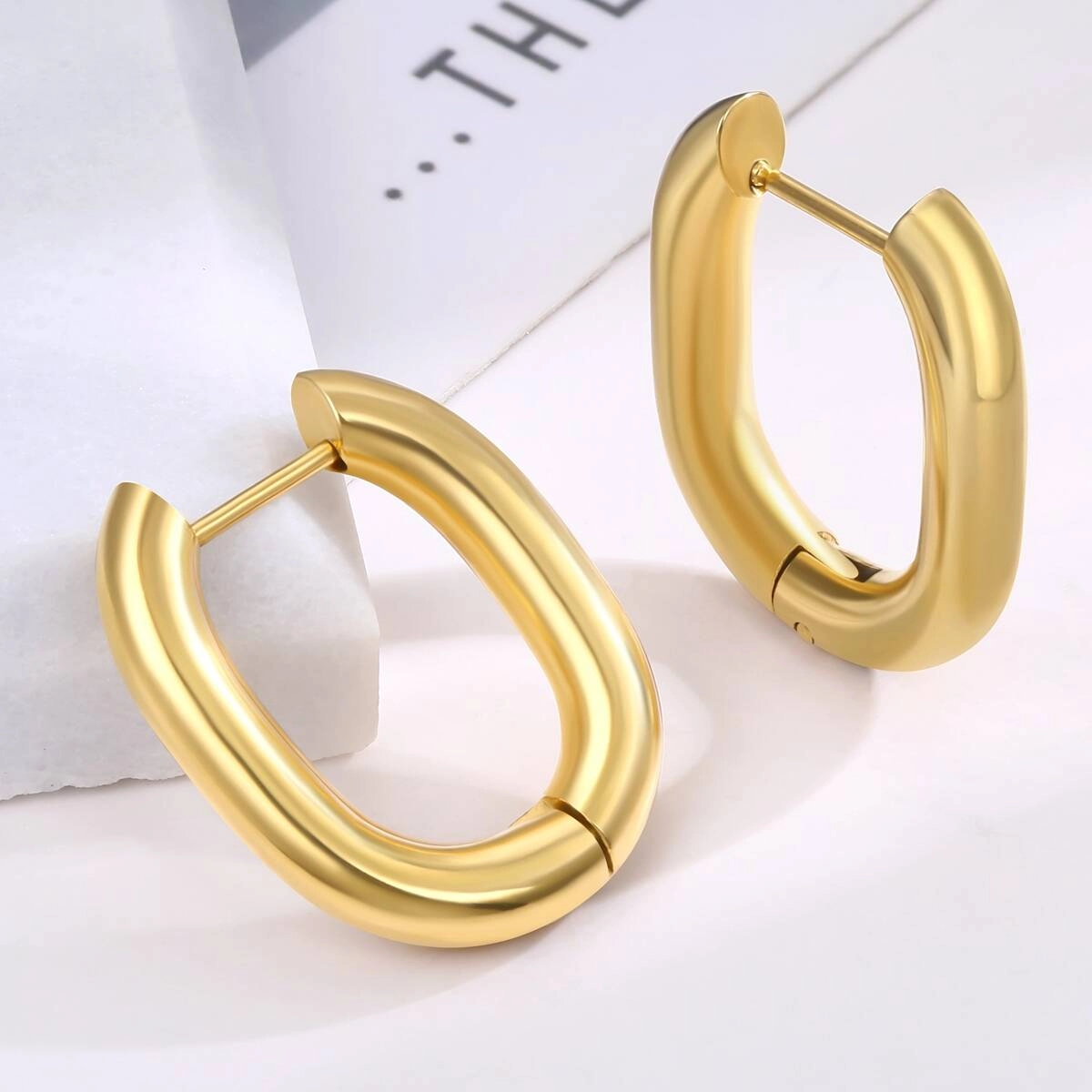
U-Shape Huggie Earrings 18K Gold — Wholesale Fashion Jewelry by Zhefan
14K and 18K Gold Pearl Jewelry Manufacturing: Cost and Quality Differences
Product Categories
You may also like

925 Silver Jewelry
Customizable High-Quality Fashion 925 Sterling Silver AAA Cubic Zirconia Heart-Shaped Open Tennis Bracelet.
Read More

Brass Jewelry
Customizable OEM ODM High-Quality Fashion Brass AAA Cubic Zirconia Classic Tennis Bracelet for Women Wholesale.
Read More
Get a Quote for Private Label Jewelry
We provide personalized jewelry customization services for clients worldwide.
Rest assured that your privacy is important to us, and all information provided will be handled with the utmost confidentiality.
By clicking 'Send Inquiry Now' I agree to ZHEFAN JEWELRY processing my personal data.
To see how to withdraw your consent, how to control your personal data and how we process it, please see our Privacy Policy and Terms of use.
From design to production, ZHEFAN JEWELRY offers a one-stop solution to help you enhance your brand value and market competitiveness.
Get A Quote
Contact
Tel: (+86) 188 1927 7817
© 2026 Zhefan Jewelry. All Rights Reserved.
Facebook
Instagram
YouTube
Whatsapp: +8618819277817