







Email: sales3@zhefanjewelry.com
A Comprehensive Guide to Scaling Your Collection with an OEM Jewelry Manufacturer
Scaling a jewelry collection requires more than selecting attractive designs. Brand owners must align product development, material specifications, tooling, sampling, quality assurance, compliance, production capacity, packaging, logistics, and intellectual property controls with commercial targets. This guide explains how to evaluate a custom jewelry manufacturing partner, compare brass, sterling silver, gold vermeil, and pearl jewelry programs, reduce production risk, and build a repeatable system for expanding collections without sacrificing finish quality or delivery reliability. It also outlines how Zhefan Jewelry supports global brands through multi-material manufacturing, high-volume output, original design development, documented inspections, and OEM/ODM execution.
- Building a Repeatable Framework for Collection Expansion
- Convert brand strategy into manufacturing specifications
- Separate creative development from production approval
- Plan volume in stages rather than guessing demand
- Choosing Materials, Finishes, and Quality Controls
- Match the metal platform to price and positioning
- Design an inspection plan around failure points
- Verify regulatory and market-entry requirements
- Managing Commercial Risk from Sampling to Delivery
- Use a stage-gate approval process
- Control total landed cost, not only unit price
- Evaluate the supplier relationship as an operating system
- Why Zhefan Jewelry Supports Scalable Brand Programs
- Combine manufacturing capacity with design agility
- Support multiple product architectures
- Make finish quality and responsible materials measurable
- Build a partnership around measurable outcomes
- Frequently Asked Questions
Scaling a jewelry collection with a qualified manufacturing partner requires coordinated control of design, materials, sampling, production, compliance, and delivery. The strongest sourcing programs translate brand positioning into measurable specifications, validate prototypes before mass production, use risk-based quality inspections, and select a factory with sufficient capacity for repeat orders. Buyers should assess casting and mold capability, plating consistency, stone or pearl setting, packaging, regulatory documentation, minimum order quantities, lead times, and intellectual property protection before approving a supplier. A structured OEM or private-label model enables brands, retailers, distributors, and e-commerce operators to expand collections across brass jewelry, 925 silver jewelry, gold vermeil jewelry, and pearl jewelry while maintaining consistent quality and commercial margins.
Building a Repeatable Framework for Collection Expansion
Convert brand strategy into manufacturing specifications
A scalable collection begins with a product brief that converts creative direction into technical requirements. The brief should define target customer, retail price, visual references, dimensions, weight range, base metal, plating color, stone or pearl grade, clasp construction, packaging, target order quantity, and required delivery date. Vague instructions such as “High Quality finish” or “high-quality gold color” create avoidable disputes because different factories interpret them differently.
Project owners should create a specification pack for every style. Useful documents include dimensioned drawings, 3D files, reference samples, plating instructions, logo artwork, acceptable color references, tolerance ranges, and packaging diagrams. The pack should also identify which details are commercially critical. For example, a visible logo, earring post alignment, clasp strength, surface texture, or pendant orientation may require tighter control than a hidden component.
Separate creative development from production approval
Sampling is not simply a visual preview; it is a technical validation stage. A reliable custom jewelry manufacturing program normally moves through concept review, prototype or 3D rendering, mold approval, first sample, fit and wear review, pre-production sample, and final production authorization. Each stage should have a written approval record so that later changes do not become untracked production assumptions.
Tooling decisions also influence profitability. A dedicated mold can improve repeatability and protect a distinctive design, but it adds an upfront cost and may require revision time. Buyers should confirm who owns the mold, whether the tool can be transferred, how revisions are charged, and whether the supplier will manufacture the same design for other customers. These contractual details matter particularly when a collection includes signature symbols, proprietary geometry, or branded components.
Plan volume in stages rather than guessing demand
Collection scaling is safer when initial orders, replenishment orders, and seasonal launches are planned as separate scenarios. A small pilot validates conversion, return rates, customer feedback, and production consistency. A replenishment forecast then helps the factory reserve materials and capacity without forcing the brand to overstock slow-moving styles.
Buyers should request capacity information in practical terms: monthly output by product category, active production lines, mold availability, peak-season constraints, component sourcing lead time, and the percentage of work performed in-house. Capacity should not be judged by a single maximum number. A factory producing hundreds of thousands of pieces may still struggle with a complex capsule collection if finishing, stone setting, or inspection resources are limited.
Choosing Materials, Finishes, and Quality Controls
Match the metal platform to price and positioning
Brass is a flexible base for fashion collections because it supports intricate forms, color plating, and accessible price points. It is well suited to statement earrings, layered necklaces, charms, cuffs, and trend-led pieces where design variety and retail affordability are priorities. The supplier should specify alloy composition, surface preparation, plating system, coating, and skin-contact requirements rather than treating “brass” as a complete technical description.
Sterling silver generally refers to silver with a minimum fineness of 925 parts per thousand, making it appropriate for elevated collections and long-term wear positioning. Gold vermeil typically combines a sterling silver base with a gold surface layer, allowing a High Quality appearance while retaining a silver foundation. Buyers should confirm gold purity, plating thickness, color standard, adhesion testing, and care instructions. Pearl jewelry adds another layer of complexity because pearl type, size, luster, shape, drilling, matching, and attachment method affect both appearance and cost.
| Material platform | Common collection role | Key specification to confirm | Commercial consideration |
|---|---|---|---|
| Brass | Trend-led and volume fashion jewelry | Alloy, plating, coating, and surface preparation | Supports broad design variety and accessible price architecture |
| Sterling silver | High Quality everyday and giftable jewelry | 925 fineness, dimensions, tarnish protection, and finish | Higher material value supports elevated positioning |
| Gold vermeil | Luxury-accessible gold-look collections | Silver base, gold purity, plating thickness, and adhesion | Requires disciplined plating control and clear care guidance |
| Pearl jewelry | Classic, bridal, resort, and occasion ranges | Pearl type, matching, drilling, setting, and attachment security | Natural variation must be defined in the acceptance standard |
The material distinctions above should be supported by written test and compliance documentation. The ISO 9001 quality management standard provides a framework for consistent processes, although certification alone does not guarantee that every finished item meets a buyer’s specification. For chemical compliance, purchasers selling into Europe should review applicable obligations under EU REACH and confirm restricted-substance controls for metals, coatings, adhesives, and packaging.
Design an inspection plan around failure points
Quality control should begin before production rather than at the shipping stage. Incoming checks can cover metal components, chains, clasps, stones, pearls, packaging, and plating chemicals. During production, inspectors should review casting porosity, incomplete filling, sharp edges, solder marks, polishing quality, stone security, symmetry, clasp operation, and color consistency. Final inspection should use an agreed sampling plan, visual standards, measurement tolerances, and defect classifications.
Buyers should distinguish critical, major, and minor defects. A detached earring post or sharp edge may be a critical safety concern; incorrect plating color or a visibly misaligned logo may be a major commercial defect; a small hidden polishing mark may be minor depending on the approved standard. The ISO 2859-1 sampling standard can help procurement teams structure acceptance sampling, but the applicable inspection level and acceptance quality limit should be agreed with the supplier before production.
Verify regulatory and market-entry requirements
Compliance requirements vary by destination, product type, and sales channel. European operators should evaluate REACH restrictions and chemical communication duties. Products containing electrical or electronic functions may fall under separate requirements, while ordinary fashion jewelry generally requires a different compliance assessment. In the United States, the Federal Trade Commission Jewelry Guides provide guidance on jewelry claims, including representations concerning precious metals, gemstones, treatments, and quality.
A responsible sourcing file should contain material declarations, test reports where required, plating or coating specifications, product drawings, batch records, inspection reports, and packaging claims. Buyers should avoid unsupported statements such as “hypoallergenic,” “pure gold,” or “eco-friendly” unless the relevant definition, evidence, and market requirements have been verified. Documentation protects both the customer and the brand when marketplaces or customs authorities request evidence.
Managing Commercial Risk from Sampling to Delivery
Use a stage-gate approval process
A stage-gate workflow prevents production from advancing on incomplete information. Gate one can approve the concept and target cost. Gate two can approve the engineering drawing and mold. Gate three can approve the first sample and wear test. Gate four can approve the pre-production sample, packaging, barcode, and inspection plan. Gate five can release the production order after all commercial and technical conditions are signed off.
This structure reduces expensive rework because changes are captured at the point where they are cheapest to implement. It also clarifies responsibility between the brand, designer, sourcing manager, and factory. Every approved sample should be labeled with a version number and retained as the visual reference for bulk production.
Control total landed cost, not only unit price
A low quoted price can conceal costs associated with tooling revisions, sample freight, plating failures, rework, packaging changes, inspection, customs delays, and excess defect rates. A better purchasing model calculates total landed cost, including unit price, development charges, packaging, testing, freight, duties, payment fees, and expected quality loss.
Payment terms should be tied to clear milestones where commercially practical. The purchase agreement should state product specifications, quantity tolerance, lead time, defect remedy, confidentiality, mold ownership, approved materials, packaging requirements, and procedures for handling rejected goods. Forecast sharing is valuable, but forecasts should not automatically become binding purchase commitments unless the parties expressly agree.
Evaluate the supplier relationship as an operating system
Communication quality is an operational capability. Buyers should examine response time, engineering feedback, escalation procedures, sample tracking, production updates, and after-sales handling. A supplier that identifies a design risk before tooling demonstrates greater value than one that simply accepts every instruction and reports a problem after mass production.
Digital product records can improve repeatability. A centralized file should contain the latest drawing, approved sample photographs, material details, plating references, inspection results, packaging artwork, and revision history. This prevents outdated files from being reused when a collection returns for a second season or expands into matching items.
Why Zhefan Jewelry Supports Scalable Brand Programs
Combine manufacturing capacity with design agility
Zhefan Jewelry is a premier fashion jewelry manufacturer established in 2002, with a legacy dating back to 1997. Founded by a master mold craftsman, our company has built its manufacturing approach around more than two decades of continuous refinement. We operate two factories in Guangzhou and Meizhou across 800 square meters, supported by more than 80 skilled artisans and 20 sales professionals.
Our monthly output reaches approximately 600,000 pieces, giving brand owners a practical platform for pilot launches, replenishment programs, and larger seasonal orders. Capacity is paired with product development speed: our professional design team launches more than 500 original styles monthly. This combination helps retailers and distributors respond to trend changes without depending exclusively on one-off custom development.
Support multiple product architectures
Our manufacturing portfolio includes brass jewelry, 925 silver jewelry, sterling silver jewelry, gold vermeil jewelry, and pearl jewelry. This multi-material capability allows a brand to build a collection ladder with accessible fashion pieces, elevated silver designs, gold-look High Quality products, and pearl-led occasion ranges. Product owners can therefore coordinate a broader assortment through one accountable manufacturing relationship while keeping specifications distinct by material and price tier.
Our OEM and ODM services cover design development, mold creation, sampling, material coordination, production, finishing, quality inspection, and shipment preparation. Project discussions can be organized around target price, target volume, launch calendar, and performance requirements rather than a generic catalog selection. This approach is useful for brands that need original forms as well as operators that need adapted versions of proven silhouettes.
Make finish quality and responsible materials measurable
Our process includes six rounds of precision polishing and six strict quality inspections. These controls are designed to identify surface defects, inconsistent finishing, structural problems, and presentation issues before goods reach the customer. We also use RoHS- and REACH-compliant eco-friendly materials, helping buyers build a stronger documentation package for responsible sourcing and market-entry review.
Our customer history includes work serving top-three Amazon sellers and global retailers such as Macy’s. That industry exposure supports the practical requirements of marketplace operators and established retail programs, including repeatability, packaging coordination, delivery discipline, and product presentation. The objective is not simply to produce a large order; it is to help each collection maintain commercial consistency as volume increases.
For brands assessing a new manufacturing relationship, the most useful next step is a structured inquiry containing reference images, product category, material preference, estimated quantities, target market, packaging needs, and launch timing. Our team can then evaluate manufacturability, recommend suitable materials, clarify sampling stages, and outline an appropriate OEM or ODM path. Additional company information and product capabilities are available through Zhefan Jewelry.
Build a partnership around measurable outcomes
A successful supplier relationship should be measured through more than unit cost. Relevant indicators include first-sample approval rate, on-time delivery, defect percentage, replenishment lead time, response speed, documentation completeness, and the percentage of new styles that reach commercial launch. These metrics make supplier performance visible and create a basis for continuous improvement.
Zhefan Jewelry combines skilled craftsmanship, scalable output, original design development, documented inspection controls, and dedicated service to help global partners strengthen market influence. For project owners seeking a dependable manufacturing base, the right evaluation should consider whether the supplier can protect design intent, maintain quality across volume, and support the full lifecycle from concept to repeat order.
Frequently Asked Questions
What should buyers provide when requesting an OEM jewelry quotation?
Buyers should provide reference images or drawings, target material, dimensions, estimated order quantity, packaging requirements, target market, quality expectations, and required delivery date. These details help the supplier evaluate manufacturability and prepare a more accurate quotation.
How can a brand verify the quality of a jewelry manufacturing partner?
A brand should review the supplier’s quality management processes, material documentation, inspection plan, sample approval workflow, production capacity, defect classifications, and relevant customer or project history. A pre-production sample and written acceptance standard should be approved before bulk manufacturing.
What is the difference between brass jewelry, sterling silver, and gold vermeil?
Brass is a copper-based alloy commonly used for accessible, fashion-led designs. Sterling silver generally contains at least 925 parts per thousand silver. Gold vermeil typically uses a sterling silver base with a gold surface layer, so buyers should confirm gold purity, plating thickness, color, and adhesion requirements.
How can buyers reduce risk when launching a new jewelry collection?
Risk can be reduced through pilot orders, staged approvals, documented specifications, pre-production samples, defined inspection standards, compliance reviews, realistic capacity planning, and total-landed-cost analysis. Forecasts and replenishment plans should also be shared early with the manufacturing partner.
Does a high production capacity guarantee consistent jewelry quality?
No. Production capacity does not by itself guarantee quality. Buyers should also evaluate engineering resources, finishing controls, inspection frequency, material traceability, staff capability, sampling procedures, and the supplier’s ability to repeat approved specifications across multiple production batches.
What compliance documentation should jewelry buyers request?
Depending on the destination market and product claims, buyers may request material declarations, restricted-substance documentation, test reports, plating specifications, product drawings, batch records, inspection reports, and packaging claims. European sales may require review of applicable REACH obligations, while U.S. marketing claims should be checked against the FTC Jewelry Guides.
Tags
brass tennis bracelet wholesale price list
brass tennis bracelet wholesale price list
925 silver butterfly bracelet bangle
925 silver butterfly bracelet bangle
custom 925 silver butterfly bracelet
custom 925 silver butterfly bracelet
bulk cz brass pendants
bulk cz brass pendants
Elegant Women’s Pearl Ring
Elegant Women’s Pearl Ring
thick brass hoop earrings
thick brass hoop earrings
Recommended for you
Sourcing Ethical custom brass jewelry: Certifications to Demand
Materials: Comparing Sterling Silver Alloys and Alternatives
Lab Diamond vs Natural Stone in Custom Adjustable Tennis Bracelets
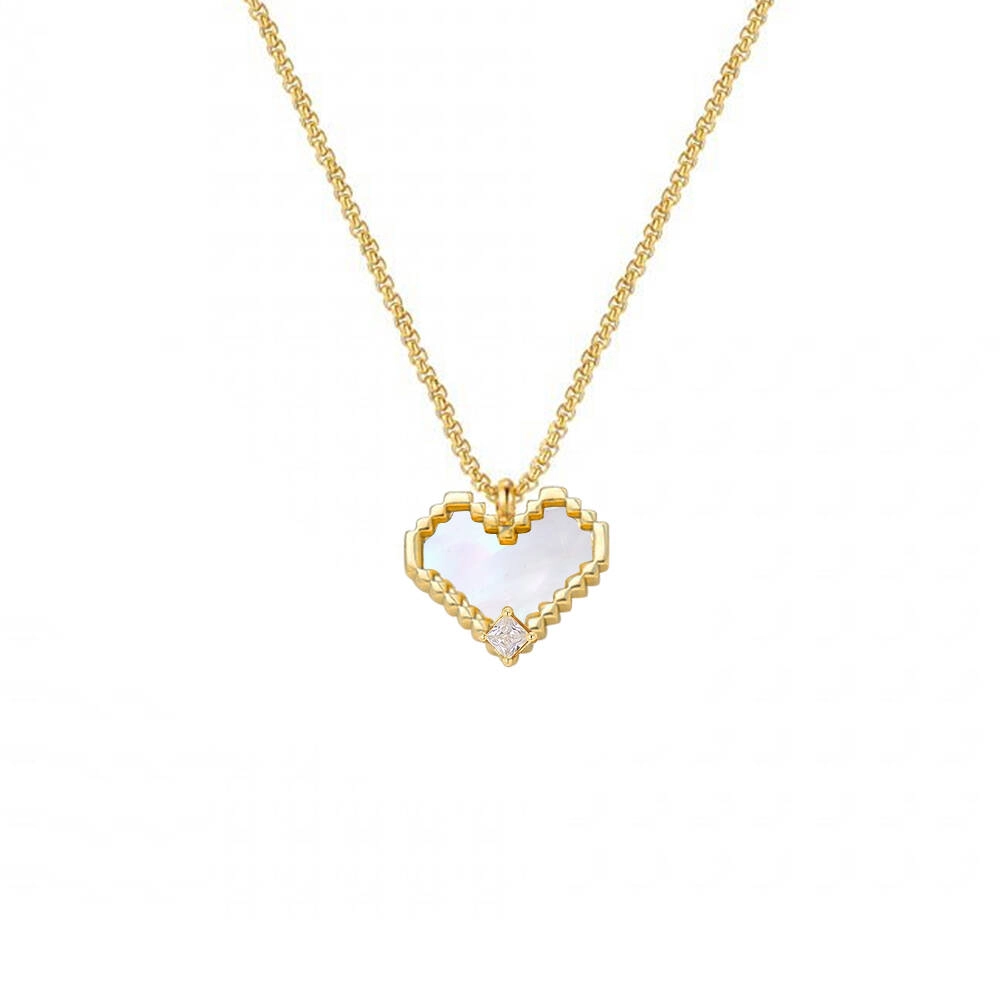
Mother of Pearl Heart Necklace with Zircon — Wholesale Jewelry OEM/ODM by Guangzhou Zhefan Jewelry
Product Categories
You may also like
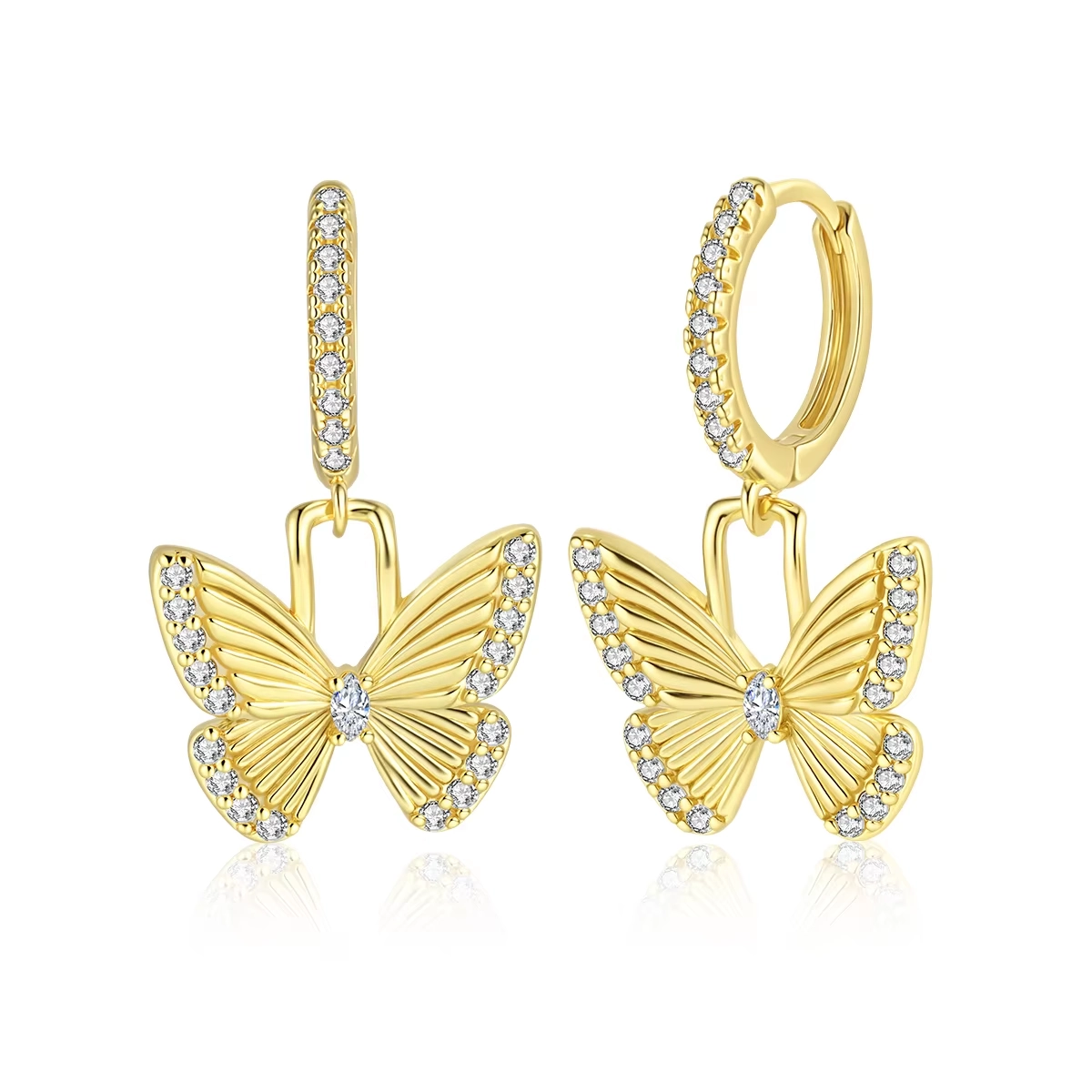
Brass Jewelry
Custom Butterfly Hoop Earrings with Cubic Zirconia | 18K Gold Plated Jewelry
Read More
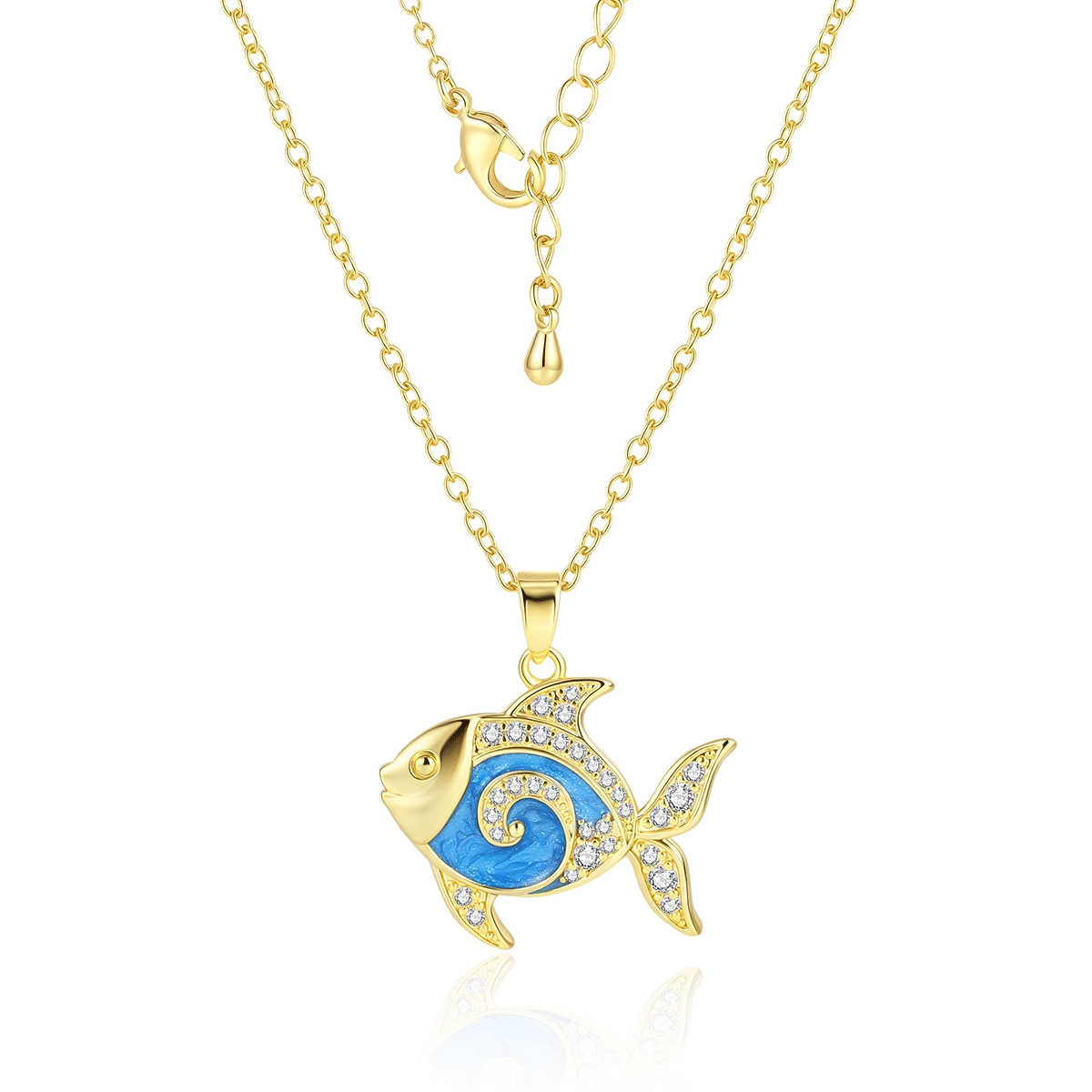
Brass Jewelry
OEM Fish Shaped Necklace with Blue Enamel craft & Cubic Zirconia | 18K Gold Plated Custom Jewelry
Read More

925 Silver Jewelry
Customizable High-Quality Fashion 925 Sterling Silver AAA Cubic Zirconia Heart-Shaped Open Tennis Bracelet.
Read More
Get a Quote for Private Label Jewelry
We provide personalized jewelry customization services for clients worldwide.
Rest assured that your privacy is important to us, and all information provided will be handled with the utmost confidentiality.
By clicking 'Send Inquiry Now' I agree to ZHEFAN JEWELRY processing my personal data.
To see how to withdraw your consent, how to control your personal data and how we process it, please see our Privacy Policy and Terms of use.
From design to production, ZHEFAN JEWELRY offers a one-stop solution to help you enhance your brand value and market competitiveness.
Get A Quote
Contact
Tel: (+86) 188 1927 7817
© 2026 Zhefan Jewelry. All Rights Reserved.
Facebook
Instagram
YouTube
Whatsapp: +8618819277817