







Email: sales3@zhefanjewelry.com
Seasonal Demand Trends for Nickel-Free Brass Jewelry Buyers
A practical procurement guide for buyers sourcing nickel-free brass jewelry, covering seasonal demand patterns, inventory planning, compliance, quality control, and supplier selection. The article explains how Valentine’s Day, spring promotions, summer travel, back-to-school campaigns, and the year-end gifting season influence product mix, order timing, replenishment, and working capital. It also outlines how Zhefan Jewelry supports custom jewelry programs with compliant materials, scalable production, rapid design development, and rigorous inspection processes.
- How Seasonal Buying Cycles Affect Brass Fashion Accessories
- Valentine’s Day and early-year demand
- Spring refresh and graduation-related assortments
- Summer travel, festivals, and impulse purchase demand
- Demand Forecasting and Purchase Timing by Selling Season
- Use a backward-planning calendar
- Compare the commercial role of each season
- Build inventory rules around risk, not guesswork
- Compliance and Quality Controls for Skin-Contact Metal Products
- Verify restricted-substance requirements
- Set an inspection plan before mass production
- Match claims to evidence
- Why Zhefan Jewelry Supports Seasonal Custom Programs
- Scalable production with design responsiveness
- Material range and finishing discipline
- OEM and ODM execution for international buyers
- Procurement checklist for supplier comparison
- Frequently Asked Questions
- When should buyers place orders for peak holiday demand?
- Does a brass base automatically make a product suitable for sensitive skin?
- What documents should a wholesale buyer request from a supplier?
- How can brands reduce leftover seasonal inventory?
- What quality checks matter most for plated brass accessories?
- Can one supplier support both fashion brass and High Quality silver collections?
Seasonal demand for nickel-free brass jewelry is shaped by gifting occasions, fashion-cycle changes, travel retail, promotional calendars, and consumer sensitivity to skin-contact materials. For B2B buyers, the strongest results come from aligning product development, compliant material selection, production reservations, and replenishment rules with each selling season rather than treating every month as commercially identical. A reliable procurement plan should connect historical sell-through, regional retail calendars, lead times, minimum order quantities, packaging requirements, and quality documentation. This approach helps brands reduce stockouts during peak periods while limiting excess inventory after promotional demand declines.
How Seasonal Buying Cycles Affect Brass Fashion Accessories
Valentine’s Day and early-year demand
January and early February typically create a concentrated opportunity for romantic and giftable accessories. Retailers often prioritize heart motifs, initials, symbolic charms, coordinated earrings and necklaces, and compact gift packaging. The commercial window is short, so buyers should finalize artwork, plating specifications, packaging copy, and purchase orders well before the selling period. A program that depends on late approvals may miss photography, marketplace listing, influencer seeding, and store allocation deadlines.
Nickel-free brass components are particularly useful in this period because they can support accessible price points while allowing brands to offer polished gold-tone, silver-tone, or colored finishes. The material choice alone does not guarantee suitability for sensitive skin. Buyers should request a clear material declaration, plating description, restricted-substance documentation, and production samples representing the final specification. Those records help marketing teams make responsible claims and help compliance teams assess market-entry requirements.
Spring refresh and graduation-related assortments
From March through May, demand often shifts toward lighter silhouettes, botanical forms, pastel colors, pearl accents, and versatile pieces suitable for weddings, graduations, and seasonal wardrobe updates. The key procurement issue is assortment breadth. Buyers may need several low-to-medium volume styles rather than one large replenishment order. A custom jewelry manufacturer should therefore support efficient sampling, shared molds where appropriate, coordinated colorways, and consistent dimensions across a collection.
Spring launches also expose weaknesses in surface preparation. Delicate chains, thin bezels, textured faces, and small pavé-style details require controlled polishing and careful plating preparation. Uneven finishing can become visible under bright retail lighting or close-up marketplace photography. Buyers should evaluate edge smoothness, clasp function, solder joints, stone security, color consistency, and logo placement before approving a bulk run.
Summer travel, festivals, and impulse purchase demand
Summer demand is often connected to vacation retail, resort fashion, festivals, outdoor events, and spontaneous purchases. The product mix tends to favor lightweight hoops, layered necklaces, charm bracelets, colorful enamel effects, shell or pearl-inspired details, and water-themed motifs. Wholesale customers may need fast replenishment because tourist locations and festival channels can experience sharp local demand spikes that are difficult to forecast using annual averages.
Summer programs require especially clear care guidance. Brass substrates, plating layers, perspiration, cosmetics, chlorine, salt water, and humidity can affect appearance over time. A responsible supplier should explain the expected finish performance, recommend appropriate storage and care instructions, and avoid unsupported claims such as permanent tarnish resistance. Packaging should protect individual pieces from abrasion and moisture during transport, especially when products move through multiple distribution points.
Demand Forecasting and Purchase Timing by Selling Season
Use a backward-planning calendar
Buyers should calculate production timing backward from the in-market date. The calendar should include concept approval, technical drawing, prototype development, sample revisions, testing, packaging approval, bulk production, inspection, freight, customs clearance, warehouse receiving, photography, and marketplace or retail launch. A simple seasonal plan often fails because it counts factory production days but excludes approval delays and international logistics.
For a new collection, a practical process is to reserve capacity before final quantities are known, approve a representative sample early, and establish a last acceptable ship date. Repeat programs can use previous sales data to set a core-stock quantity, while trend-led styles should be ordered more cautiously. Buyers should separate evergreen products from event-specific items so that leftover inventory can be carried into later seasons without excessive discounting.
Compare the commercial role of each season
| Seasonal window | Common demand driver | Useful product direction | Primary procurement risk | Planning response |
|---|---|---|---|---|
| January to February | Valentine’s gifting and new-year promotions | Romantic motifs, initials, gift sets, polished finishes | Short selling window and late approvals | Approve samples and packaging several months ahead |
| March to May | Spring refresh, weddings, graduations | Botanical forms, pearls, lightweight layering pieces | Too many variants with insufficient depth | Use a coordinated capsule collection and test smaller quantities |
| June to August | Travel, festivals, resort retail, impulse purchases | Color, charms, hoops, beach and holiday themes | Regional demand spikes and finish-care issues | Hold replenishment stock and provide care guidance |
| September to October | Back-to-school, autumn fashion, early gifting | Layered chains, darker tones, personalized accessories | Demand uncertainty before holiday acceleration | Review sell-through and confirm holiday capacity |
| November to December | Holiday gifting and promotional events | Gift-ready sets, classic styles, High Quality-looking finishes | Factory congestion, freight delays, stockouts | Place core orders early and establish a replenishment threshold |
The table is a planning framework rather than a universal sales forecast. Regional calendars differ, and the same style can perform differently across department stores, online marketplaces, boutiques, subscription boxes, and tourist channels. The National Retail Federation provides widely used U.S. retail calendar analysis, while the U.S. Census Bureau retail trade data can help buyers compare broader retail movement with internal sales results. The most reliable forecast combines external indicators with SKU-level sell-through, return rates, average order value, and channel-specific conversion data.
Build inventory rules around risk, not guesswork
Seasonal inventory should be divided into three groups: dependable core styles, moderate-risk trend styles, and event-specific products. Core pieces can justify earlier and deeper commitments. Trend styles benefit from controlled initial quantities and flexible replenishment. Event-specific items need strict exit plans, such as bundle offers, alternate packaging, or cross-season merchandising.
Buyers should also define measurable reorder triggers. Examples include a minimum weeks-of-cover target, a sell-through percentage by a specific date, and a maximum acceptable lead time for repeat production. These rules improve communication between merchandising, finance, marketing, and manufacturing. They also prevent sales teams from promising quantities that the production schedule cannot support.
Compliance and Quality Controls for Skin-Contact Metal Products
Verify restricted-substance requirements
Nickel release is a regulatory and product-safety consideration in many markets, especially for items intended for prolonged skin contact. European buyers should review the applicable requirements under EU REACH Regulation, including restrictions relevant to articles that contact the skin. Requirements vary by jurisdiction and product use, so a supplier’s general statement should not replace buyer-side legal review or appropriate laboratory testing.
Material terminology must also be precise. “Nickel-free” may be used commercially in different ways, whereas a test report typically states a measured release or concentration result under a defined method. Procurement documents should identify the base metal, plating system, solder or weld materials, colorants, stones, adhesives, and any coatings. For environmentally responsible sourcing, buyers can also request documentation aligned with restricted-substance expectations such as RoHS where relevant to the product and destination market.
Set an inspection plan before mass production
A quality agreement should define acceptable limits for scratches, pits, discoloration, plating variation, sharp edges, loose stones, incomplete soldering, clasp failure, missing components, incorrect dimensions, and packaging defects. The ISO 2859-1 sampling standard is commonly used as a reference for attribute-based inspection plans, but the applicable sampling level and acceptance criteria should be agreed by the buyer and supplier before production.
Inspection should not be limited to final counting. In-process checks can identify mold defects, incomplete polishing, dimensional drift, or color mismatch before thousands of pieces are completed. A strong quality file may include approved golden samples, inspection photographs, batch records, material declarations, test reports, carton details, and corrective-action records. This evidence supports retailer onboarding, marketplace documentation, customer service, and post-delivery investigation.
Match claims to evidence
Product pages should distinguish between material facts, finish descriptions, care guidance, and consumer comfort language. Claims about hypoallergenic performance, safety, durability, sustainability, or compliance need evidence appropriate to the market and wording used. The U.S. Food and Drug Administration labeling resources illustrate why commercial claims should be reviewed in context rather than copied from generic supplier templates.
For B2B buyers, disciplined claims management reduces marketplace takedowns, retailer disputes, product returns, and reputational damage. It also gives sales teams a clear explanation of what has been tested and what care practices are recommended. A supplier that provides traceable documentation is more valuable than a supplier offering attractive wording without substantiation.
Why Zhefan Jewelry Supports Seasonal Custom Programs
Scalable production with design responsiveness
Our team at Zhefan Jewelry supports brands that need both seasonal speed and manufacturing consistency. Guangzhou Zhefan Jewelry was established in 2002, building on a legacy dating back to 1997. Founded by a master mold craftsman, our company has developed a manufacturing culture centered on precise tooling, repeatable finishing, and continuous refinement.
We operate two factories in Guangzhou and Meizhou across 800 square meters, with more than 80 skilled artisans and 20 sales professionals. Our monthly output reaches approximately 600,000 pieces, giving project owners the capacity needed for core replenishment, promotional campaigns, and multi-channel launches. At the same time, our professional design team develops more than 500 original styles monthly, helping brand owners respond to spring, summer, gifting, and trend-led opportunities without relying on outdated assortments.
Material range and finishing discipline
Our product capabilities include Brass Jewelry, 925 silver jewelry, Sterling Silver Jewelry, gold vermeil jewelry, and pearl jewelry. This range allows buyers to create tiered collections with accessible entry products, elevated gift items, and High Quality-looking coordinated sets. Brass provides flexibility for fashion-led designs, while sterling silver and vermeil can support higher perceived value and different price architecture.
For programs requiring skin-contact material controls, our manufacturing process uses RoHS- and REACH-compliant eco-friendly materials where applicable to the project specification. Buyers still receive the responsibility to define destination-market requirements and approve suitable testing, but our documentation-oriented approach helps create a stronger compliance trail. We also apply six rounds of precision polishing and six strict quality inspections. These checkpoints are designed to improve surface smoothness, finishing consistency, component function, and final presentation.
OEM and ODM execution for international buyers
Seasonal purchasing is rarely limited to making a product. It includes CAD or mold development, sampling, plating or color matching, logo application, packaging, carton planning, inspection, shipping coordination, and after-sales communication. Our OEM and ODM solutions are structured to connect these activities through one manufacturing partner. This reduces handoff risk and gives project owners a clearer route from concept to commercial delivery.
Zhefan Jewelry has served top-three Amazon sellers and global retailers such as Macy’s, experience that reflects the documentation, consistency, and communication standards expected by established channels. Our scale is paired with dedicated sales support so buyers can discuss target costs, order quantities, launch dates, finish requirements, and quality expectations before confirming a program. The objective is not simply to produce units; it is to help brands protect margin, improve launch reliability, and build repeatable seasonal collections.
Procurement checklist for supplier comparison
Before selecting a manufacturing partner, buyers should request a completed technical specification, material declaration, sample approval process, plating and finish details, quality inspection plan, production capacity statement, lead-time assumptions, packaging options, and testing pathway. It is also useful to ask how the supplier handles nonconforming goods, corrective actions, urgent replenishment, mold ownership, artwork changes, and repeat orders.
A supplier comparison should evaluate total commercial value rather than unit price alone. Relevant factors include defect rate, rework exposure, delivery reliability, documentation quality, sampling speed, design support, communication responsiveness, and the ability to scale an order when a seasonal style performs above forecast. This broader view helps buyers select a partner capable of supporting long-term revenue rather than only the first purchase order.
Frequently Asked Questions
When should buyers place orders for peak holiday demand?
Buyers should work backward from the required in-market date and allow time for design approval, sampling, packaging, production, inspection, freight, customs, and warehouse receiving. Core holiday styles should generally be approved and capacity-reserved well before the fourth quarter, while trend styles can be introduced through smaller initial orders and planned replenishment.
Does a brass base automatically make a product suitable for sensitive skin?
No. Suitability depends on the complete product construction, including the base alloy, plating, solder, coatings, and measured nickel release. Buyers should request material documentation and testing appropriate to the destination market instead of relying only on a marketing label.
What documents should a wholesale buyer request from a supplier?
A buyer should request a technical specification, material declaration, relevant REACH or RoHS documentation, laboratory reports where required, approved samples, inspection criteria, packaging details, and batch or production records. The exact document set depends on the destination country, sales channel, and product design.
How can brands reduce leftover seasonal inventory?
Brands can separate evergreen products from event-specific designs, order trend-led styles conservatively, use coordinated capsule collections, set reorder triggers, and prepare cross-season merchandising or bundle plans. Sales data should be reviewed by SKU and channel rather than relying only on total seasonal revenue.
What quality checks matter most for plated brass accessories?
Important checks include surface smoothness, plating consistency, color matching, sharp edges, clasp and hinge function, solder integrity, stone security, dimensions, logo accuracy, and packaging protection. In-process inspections are valuable because they identify defects before a complete batch is finished.
Can one supplier support both fashion brass and High Quality silver collections?
Yes, a capable manufacturer may support brass, sterling silver, gold vermeil, and pearl-based collections under one coordinated development program. Buyers should confirm the supplier’s experience with each material, separate technical requirements clearly, and approve samples for every base metal and finish.
Tags
brass bracelets
brass bracelets
cubic zirconia brass wedding jewelry wholesale
cubic zirconia brass wedding jewelry wholesale
engraved 925 silver bracelet supplier
engraved 925 silver bracelet supplier
rings brass knuckles
rings brass knuckles
plated brass tennis bracelet bulk importer
plated brass tennis bracelet bulk importer
bespoke brass jewelry
bespoke brass jewelry
Recommended for you
Wholesale Nickel-Free Brass Jewelry Suppliers: Buyer Checklist
Wholesale 925 Silver Rings: MOQ, Pricing & Supplier Checklist
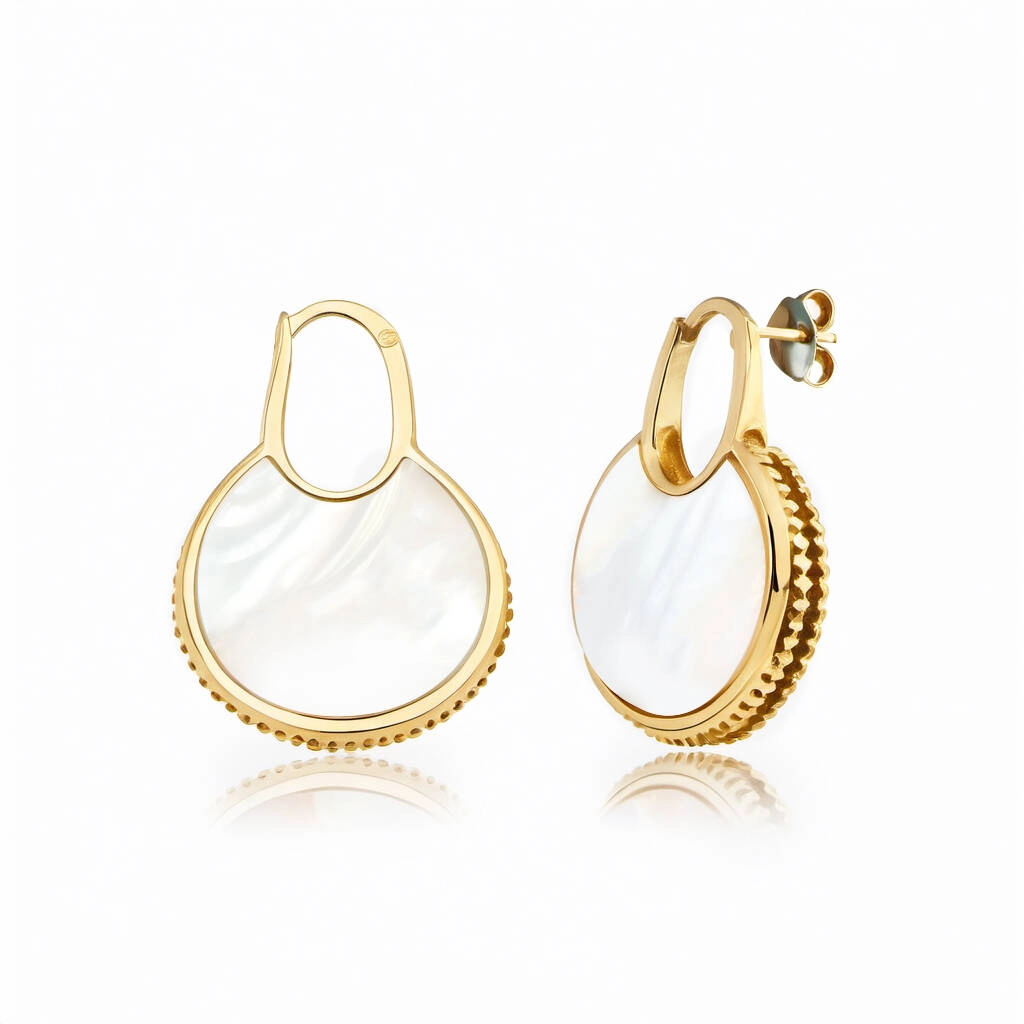
Customized Brass Mother of Pearl Huggie Earrings - Zhefan Jewelry
Seasonal Buying Guide for 925 Sterling Silver Bracelets
Product Categories
You may also like

925 Silver Jewelry
Customizable High-Quality Fashion 925 Sterling Silver AAA Cubic Zirconia Heart-Shaped Open Tennis Bracelet.
Read More

Brass Jewelry
Customizable OEM ODM High-Quality Fashion Brass AAA Cubic Zirconia Classic Tennis Bracelet for Women Wholesale.
Read More
Get a Quote for Private Label Jewelry
We provide personalized jewelry customization services for clients worldwide.
Rest assured that your privacy is important to us, and all information provided will be handled with the utmost confidentiality.
By clicking 'Send Inquiry Now' I agree to ZHEFAN JEWELRY processing my personal data.
To see how to withdraw your consent, how to control your personal data and how we process it, please see our Privacy Policy and Terms of use.
From design to production, ZHEFAN JEWELRY offers a one-stop solution to help you enhance your brand value and market competitiveness.
Get A Quote
Contact
Tel: (+86) 188 1927 7817
© 2026 Zhefan Jewelry. All Rights Reserved.
Facebook
Instagram
YouTube
Whatsapp: +8618819277817