







Email: sales3@zhefanjewelry.com
Stone Setting & Gem Options for Silver Bracelets
Selecting the right stone setting and gemstone is a commercial, technical, and quality-control decision for silver bracelet programs. Buyers must evaluate durability, stone security, metal compatibility, visual positioning, production complexity, inspection requirements, and target retail price. Prong, bezel, channel, pavé, and flush settings each serve different design and wear conditions, while cubic zirconia, lab-created stones, natural gemstones, pearls, and colored glass offer different combinations of cost, consistency, hardness, and storytelling value. This guide explains how project owners can specify stone-set sterling silver bracelets, reduce production risk, and choose a capable OEM/ODM partner.
- How Gemstones and Settings Shape Bracelet Performance
- Match stone hardness to expected wear
- Choose a setting according to protection and visual effect
- Consider sterling silver behavior during production
- Commercial Gem Options for Private-Label Bracelet Collections
- Cubic zirconia and lab-created stones
- Natural colored gemstones
- Pearls, cabochons, and alternative decorative materials
- Supplier Qualification and Quality Control for Custom Orders
- Define the technical brief before requesting quotations
- Inspect the setting, finish, and functional components
- Use compliance and traceability to protect the brand
- Why Zhefan Jewelry Supports Scalable Bracelet Programs
- Integrated design and manufacturing capacity
- Product breadth for coordinated collections
- Controlled finishing and responsible material practices
- Evaluate the partnership through total commercial value
- Frequently Asked Questions
- Which setting is best for an everyday silver bracelet?
- Are cubic zirconia stones suitable for wholesale bracelet collections?
- How should buyers specify natural gemstones?
- What quality checks should be requested for stone-set bracelets?
- What information should a custom jewelry supplier provide about materials?
Stone selection and setting design determine far more than the appearance of a bracelet. For jewelry buyers, these decisions influence breakage rates, wear resistance, production yield, compliance documentation, packaging requirements, retail positioning, and the long-term reputation of a collection. A successful sterling silver bracelet specification therefore connects gemstone characteristics with setting geometry, customer use, target price, and manufacturing controls. The most reliable sourcing process begins by defining the intended market and wear environment, then matching the stone and setting method to measurable performance requirements.
How Gemstones and Settings Shape Bracelet Performance
Match stone hardness to expected wear
Bracelets experience repeated contact with desks, clothing, handbags, watches, other jewelry, and hard surfaces. Mohs hardness is a useful screening tool because it indicates a mineral’s resistance to scratching, although it does not measure toughness or resistance to impact. According to the Gemological Institute of America’s Mohs scale guidance, diamond ranks at 10, corundum varieties such as ruby and sapphire rank at 9, quartz ranks at 7, and softer organic materials such as pearl are substantially more vulnerable to abrasion.
For everyday bracelet collections, cubic zirconia, lab-created sapphire, natural sapphire, spinel, and quartz-based stones can offer practical durability when properly cut and supported. Pearls, opals, turquoise, moonstone, and other softer or more porous materials can still be commercially attractive, but they require protective designs, careful finishing, customer-care instructions, and realistic expectations about surface wear. A buyer should not approve a stone solely because its color matches a trend board; the setting and use case must also be compatible with its physical properties.
Choose a setting according to protection and visual effect
Prong settings expose more of the gemstone and create a light, elevated appearance. They are suitable for faceted stones and High Quality visual positioning, but exposed claws need consistent dimensions, smooth finishing, and pull testing. Bezel settings surround the stone with metal and provide stronger edge protection, making them valuable for daily-wear styles, cabochons, and softer gems. The trade-off is higher metal coverage and a slightly more enclosed appearance.
Channel settings place stones between parallel metal walls and can create a continuous line of sparkle across a bangle or chain bracelet. They require accurate stone calibration and consistent channel width; even small variations may cause loose stones or visible spacing. Pavé settings deliver dense brilliance through multiple small stones, but they demand excellent seat preparation, uniform bead formation, and close inspection for missing or lifted stones. Flush or gypsy settings position stones nearly level with the surface, reducing snagging and supporting minimalist designs, although they offer less flexibility for larger stones.
Consider sterling silver behavior during production
925 silver contains 92.5% pure silver, with the remainder typically composed of alloying metals that improve strength and workability. Buyers should confirm the declared composition and testing method with the supplier. The U.S. Federal Trade Commission Jewelry Guides provide important guidance on jewelry quality representations, including the use of terms such as silver, sterling silver, and gold plated.
Silver is comparatively workable, which supports detailed mold development and setting operations, but excessive pressure can deform thin walls, distort stone seats, or weaken prongs. Design teams should control minimum metal thickness, avoid sharp transitions around setting areas, and allow sufficient material for polishing without reducing structural integrity. Rhodium plating may improve brightness and tarnish resistance, while gold vermeil adds a thicker precious-metal surface over sterling silver; both finishes require clear thickness, adhesion, color, and wear specifications.
| Stone or material | Typical Mohs hardness | Commercial suitability | Recommended setting considerations |
|---|---|---|---|
| Diamond | 10 | Excellent wear resistance; high cost | Prong, bezel, pavé, or channel settings with precise seats |
| Ruby or sapphire | 9 | Strong High Quality option with stable color choices | Prongs or bezel; inspect girdles and calibration |
| Topaz | 8 | Good scratch resistance but can be vulnerable to cleavage | Protect corners and avoid excessive impact exposure |
| Quartz and amethyst | 7 | Accessible colored-stone option | Bezel or protected prongs for daily-wear designs |
| Opal | Approximately 5–6.5 | Distinctive visual effect; more care required | Use protective bezels and communicate care requirements |
| Pearl | Approximately 2.5–4.5 | Strong fashion appeal but susceptible to scratches | Use protected mounts and separate from abrasive components |
Hardness ranges and gemstone characteristics should be verified against specialist references such as the GIA Gem Encyclopedia. A supplier quotation should identify whether stones are natural, laboratory-grown, simulated, or synthetic, because these categories affect disclosure, pricing, and consumer communication.
Commercial Gem Options for Private-Label Bracelet Collections
Cubic zirconia and lab-created stones
Cubic zirconia remains popular for fashion jewelry because it offers high optical brightness, consistent sizing, and efficient cost control. It is particularly useful in pavé, halo, tennis, and graduated designs where dozens of calibrated stones are required. Lab-created sapphire, ruby, and other gemstones can provide more consistent color and availability than many natural alternatives. They are suitable when a brand wants a gemstone narrative while maintaining repeatable purchasing and production planning.
Procurement documents should distinguish simulated stones from laboratory-created stones. A simulated stone resembles another gem visually but has different chemical or physical properties, while a laboratory-created stone is produced with essentially the same composition and structure as its natural counterpart. Product pages, invoices, packaging, and certificates should use consistent terminology to prevent regulatory and customer-service problems.
Natural colored gemstones
Natural amethyst, garnet, citrine, peridot, topaz, turquoise, moonstone, and quartz can differentiate a bracelet collection through color variation and perceived authenticity. However, natural stones may vary in hue, inclusions, transparency, dimensions, and treatment status. Buyers should establish acceptable tolerance ranges before sampling rather than rejecting commercially normal variation after production begins.
For collections requiring strict color matching across thousands of units, calibrated laboratory-created stones or high-grade simulants may deliver better consistency. For collections positioned around natural character, the product brief should define the acceptable visual range and explain that each piece may differ. This approach reduces disputes between brand owners and factories while preserving the intended design story.
Pearls, cabochons, and alternative decorative materials
Pearl bracelets and pearl-accented silver designs appeal to bridal, resort, heritage, and feminine fashion segments. Because pearl nacre is softer than most mineral gemstones, the mounting should minimize abrasion and avoid exposed contact with rough metal edges. Smooth bezels, drilled-and-set construction, and protected connector elements are generally safer than aggressive pavé arrangements.
Cabochons such as turquoise, agate, jade, moonstone, and opal create a broader surface effect than faceted stones. They often require custom seats because their base profiles vary. Buyers should approve a physical sample, not only a digital rendering, to confirm stone height, edge clearance, bracelet flexibility, and the relationship between the cabochon and surrounding metal. Materials should also be reviewed for dyeing, stabilization, coating, or other treatments that may affect disclosure and durability.
Supplier Qualification and Quality Control for Custom Orders
Define the technical brief before requesting quotations
A professional sourcing brief should state the silver standard, plating or vermeil requirements, bracelet dimensions, stone type, stone size tolerance, setting method, clasp construction, target order quantity, packaging, compliance requirements, and acceptable defect limits. CAD files and 3D renderings are useful, but they do not replace a production sample. The sample must demonstrate fit, articulation, polish access, stone security, and visual consistency under normal handling.
Buyers should request a documented approval process covering master sample sign-off, pre-production sample review, in-line inspection, final inspection, and corrective-action procedures. The ISO 9001 quality management standard explains the value of controlled processes, documented information, risk-based thinking, and continual improvement. A supplier does not need to claim certification to use these principles, but procurement teams should look for evidence that quality is managed systematically rather than inspected only at the end.
Inspect the setting, finish, and functional components
Inspection should include stone presence, alignment, color consistency, surface scratches, porosity, plating coverage, clasp operation, chain articulation, solder joints, and dimensional conformity. For prong-set pieces, inspectors should check claw height, symmetry, contact with the stone, and snagging risk. For bezel-set pieces, the metal lip should be continuous and secure without obscuring the intended face of the gem. For pavé and channel work, sampling should focus on edge stones and transition zones, where setting errors are more likely.
Functional testing is equally important. Bracelets should undergo repeated clasp opening and closing, articulation checks, pull testing of connected elements, and handling simulations appropriate to the design. Buyers should also verify whether stones are glued, mechanically secured, or supported by both methods. Adhesive-only construction may be unsuitable for high-contact products unless the supplier can demonstrate validated bonding performance and appropriate environmental resistance.
Use compliance and traceability to protect the brand
Material declarations should cover base metal, plating chemistry, solder, stones, coatings, and packaging where required by the destination market. For European sales, buyers commonly request evidence related to REACH restrictions and nickel release; the European Chemicals Agency REACH resources provide the regulatory context. RoHS may be relevant to certain product and market applications, but it should not be presented as a universal jewelry certification without confirming scope.
Lot identification, stone purchasing records, plating records, inspection reports, and approved reference samples create traceability across repeat orders. This information helps brands investigate a customer complaint, compare production lots, and maintain consistent quality when a design is reordered months later. A capable custom jewelry manufacturer should be able to explain how these records are created and retained.
Why Zhefan Jewelry Supports Scalable Bracelet Programs
Integrated design and manufacturing capacity
Zhefan Jewelry is a fashion jewelry manufacturer established in 2002, with a company legacy dating back to 1997. Founded by a master mold craftsman, our production culture is built around long-term refinement in mold development, finishing, stone setting, and assembly. We operate two factories in Guangzhou and Meizhou across 800 square meters, with more than 80 skilled artisans and 20 sales professionals. Our monthly output reaches approximately 600,000 pieces, giving brand owners a practical combination of production scale and project communication.
Our professional design team launches more than 500 original styles monthly. This supports buyers that need trend-responsive assortments, seasonal refreshes, private-label adaptations, and rapid concept validation. The design workflow can accommodate stone substitutions, setting revisions, finish changes, logo details, and packaging requirements before a program moves into bulk production. This reduces the risk of selecting a visually attractive concept that cannot be manufactured efficiently.
Product breadth for coordinated collections
Our portfolio includes 925 silver jewelry, sterling silver jewelry, brass jewelry, gold vermeil jewelry, and pearl jewelry, enabling buyers to build coordinated collections across multiple price tiers. A silver bracelet line can be paired with matching rings, earrings, pendants, charms, and mixed-metal styles. Brass jewelry can support accessible fashion ranges, while gold vermeil jewelry provides a High Quality surface treatment over sterling silver. Pearl jewelry and colored-stone accents add differentiated visual stories for bridal, gifting, resort, and lifestyle channels.
For a project owner evaluating a silver bracelet manufacturer, this broader material capability can simplify vendor management. One engineering and merchandising relationship may support several collection architectures while preserving consistent design language, packaging standards, and inspection expectations.
Controlled finishing and responsible material practices
Our manufacturing process includes six rounds of precision polishing and six strict quality inspections. These controls are designed to improve surface smoothness, setting presentation, plating readiness, and final appearance. Quality teams review workmanship across multiple stages instead of relying only on a final visual check. We also use RoHS- and REACH-compliant eco-friendly materials according to project requirements and provide OEM/ODM support for brands that need controlled customization.
Zhefan Jewelry has supported Amazon’s top three sellers and global retailers such as Macy’s. This industry exposure informs our approach to delivery planning, repeat-order consistency, packaging coordination, and commercial communication. Buyers can contact our team for design review, gemstone and setting recommendations, sampling, bulk production, and collection development.
Evaluate the partnership through total commercial value
The lowest unit price is not always the lowest landed cost. Rework, loose stones, inconsistent plating, missed delivery windows, and unclear material declarations can consume margin and delay a product launch. Zhefan Jewelry combines production capacity, original design development, multi-stage polishing, quality inspection, and dedicated service to help brands reduce these operational risks. Project owners can request a quotation based on stone type, setting method, metal specification, order volume, packaging, and delivery requirements rather than relying on a generic product price.
Frequently Asked Questions
Which setting is best for an everyday silver bracelet?
Bezel, flush, and well-executed channel settings generally provide stronger protection against snagging and edge impact. The correct choice still depends on stone hardness, bracelet flexibility, metal thickness, and the intended customer use.
Are cubic zirconia stones suitable for wholesale bracelet collections?
Yes. Cubic zirconia offers consistent sizing, strong visual brightness, and cost efficiency, making it suitable for pavé, halo, tennis, and other designs requiring many calibrated stones.
How should buyers specify natural gemstones?
Buyers should define acceptable ranges for color, transparency, inclusions, dimensions, treatment status, and matching tolerance before sampling. Natural stones can vary from piece to piece, so a clear visual standard helps prevent production disputes.
What quality checks should be requested for stone-set bracelets?
Buyers should request checks for stone presence, alignment, setting security, prong or bezel condition, surface defects, plating coverage, clasp function, solder joints, dimensions, and articulation. Pull testing and repeated clasp testing are also useful for relevant designs.
What information should a custom jewelry supplier provide about materials?
A supplier should identify the silver standard, plating or vermeil specification, stone category, treatments where applicable, solder and coating information, compliance documentation, and traceability records for production lots.
Contact Zhefan Jewelry at sales3@zhefanjewelry.com or visit ../../../ to develop a stone-set bracelet collection with professional OEM/ODM support.
Tags
cz brass jewelry supplier
cz brass jewelry supplier
silver charm bracelet manufacturer
silver charm bracelet manufacturer
brass ring manufacturer
brass ring manufacturer
wholesale brass tennis bracelet sample policy
wholesale brass tennis bracelet sample policy
925 sterling silver gemstone jewelry sets wholesale
925 sterling silver gemstone jewelry sets wholesale
OEM freshwater pearl necklace
OEM freshwater pearl necklace
Recommended for you
Care and Maintenance for Gold Plated Earrings Buyers
Sustainable Practices in Tennis Jewellery Manufacturing
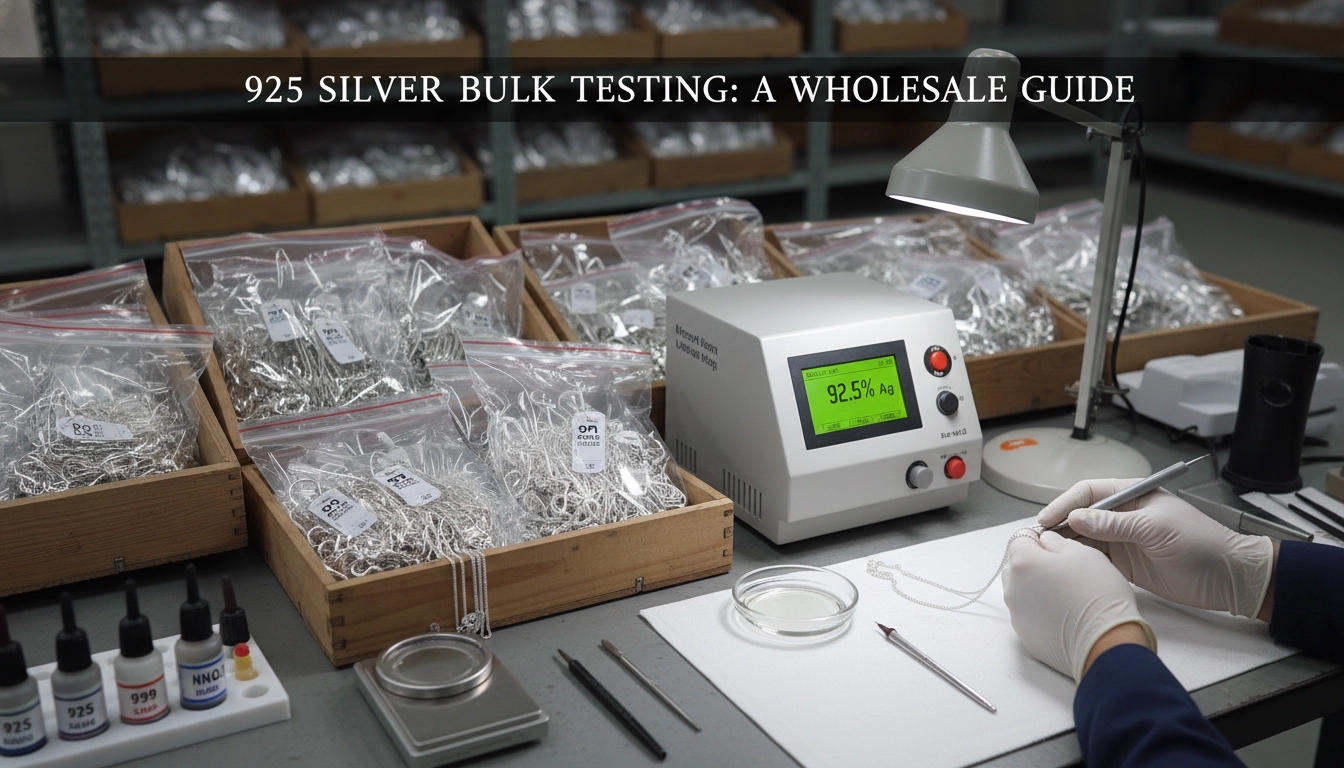
Avoiding Scams: 7 Mandatory Quality Tests for 925 Silver Necklace Bulk Orders in 2026
Best Payment Terms When Sourcing 925 Silver Bracelets
Product Categories
You may also like

925 Silver Jewelry
Customizable High-Quality Fashion 925 Sterling Silver AAA Cubic Zirconia Heart-Shaped Open Tennis Bracelet.
Read More

Brass Jewelry
Customizable OEM ODM High-Quality Fashion Brass AAA Cubic Zirconia Classic Tennis Bracelet for Women Wholesale.
Read More
Get a Quote for Private Label Jewelry
We provide personalized jewelry customization services for clients worldwide.
Rest assured that your privacy is important to us, and all information provided will be handled with the utmost confidentiality.
By clicking 'Send Inquiry Now' I agree to ZHEFAN JEWELRY processing my personal data.
To see how to withdraw your consent, how to control your personal data and how we process it, please see our Privacy Policy and Terms of use.
From design to production, ZHEFAN JEWELRY offers a one-stop solution to help you enhance your brand value and market competitiveness.
Get A Quote
Contact
Tel: (+86) 188 1927 7817
© 2026 Zhefan Jewelry. All Rights Reserved.
Facebook
Instagram
YouTube
Whatsapp: +8618819277817