







Email: service@holycome.com
The Strategic Benefits of Partnering with a Professional OEM Jewelry Manufacturer
Partnering with a professional OEM jewelry manufacturer gives fashion brands, retailers, distributors, and private-label operators access to specialized product development, controlled production, scalable capacity, documented quality systems, compliant materials, and faster commercialization. The right manufacturing partner can reduce sourcing risk, improve design consistency, support brass jewelry, 925 silver jewelry, gold vermeil jewelry, and pearl jewelry programs, and convert production capability into stronger margins and brand loyalty.
- Why Specialized Jewelry Production Creates Strategic Advantage
- Lower development risk from concept to production
- More predictable unit economics
- Faster response to seasonal demand
- Operational Capabilities Buyers Should Evaluate
- Quality systems and measurable inspection controls
- Material compliance and responsible sourcing
- Capacity, continuity, and communication
- How a Strategic Manufacturing Partnership Improves Brand Performance
- Greater design differentiation
- Improved retail readiness and customer confidence
- Better scalability without losing control
- Why HOLYCOME Is Built for Scalable OEM and ODM Programs
- Established expertise with modern production capacity
- Material range and finishing discipline
- OEM and ODM support focused on client outcomes
- Frequently Asked Questions
- What is the difference between OEM and ODM jewelry production?
- How should buyers evaluate a jewelry manufacturing supplier?
- What quality checks are important for fashion jewelry?
- Can a manufacturer support small brands and large retail programs?
- Why are material compliance documents important?
- What should be included in a jewelry manufacturing agreement?
Partnering with a professional OEM jewelry manufacturer gives fashion brands, retailers, distributors, and private-label operators a practical route to better product consistency, faster launches, controlled costs, and scalable growth. A capable production partner contributes more than factory capacity: it supports concept development, mold engineering, material selection, surface finishing, quality assurance, regulatory documentation, packaging coordination, and repeat-order stability. For buyers sourcing brass jewelry, 925 silver jewelry, sterling silver jewelry, gold vermeil jewelry, or pearl jewelry, the strategic value lies in connecting creative direction with disciplined execution. The strongest supplier relationships reduce operational uncertainty while helping a brand deliver commercially relevant collections with dependable quality.
Why Specialized Jewelry Production Creates Strategic Advantage
Lower development risk from concept to production
Jewelry development involves more technical variables than a sketch may suggest. Stone dimensions, wall thickness, clasp geometry, plating layers, solder points, polishing access, mold shrinkage, and wear exposure can all affect the finished product. A specialized custom jewelry manufacturer evaluates these factors before mass production begins. Design-for-manufacturing feedback can identify weak prongs, overly thin components, sharp edges, unstable earrings, or decorative details that cannot be reproduced consistently.
This early engineering input protects the buyer from a common procurement failure: approving an attractive sample that cannot be manufactured at the expected cost or quality level. A supplier with experienced model makers and mold specialists can recommend adjustments that preserve the visual intent while improving durability, yield, and production repeatability. The result is a shorter path from prototype approval to saleable inventory.
More predictable unit economics
Price comparisons based only on the quoted unit cost can mislead buyers. Total landed cost also includes sampling, tooling, revisions, packaging, inspection, freight, rework, defective units, delayed launch costs, and inventory tied up by inconsistent production. A technically mature supplier helps control these variables through clear specifications, approved samples, production checkpoints, and documented change management.
For growing brands, production scale can also improve purchasing leverage. Consolidating compatible product categories with one manufacturing partner may reduce duplicated tooling, simplify communication, and create more efficient material planning. The commercial benefit is not automatically the lowest price; it is a more reliable relationship between product quality, delivery performance, and gross margin.
Faster response to seasonal demand
Jewelry collections are influenced by gifting periods, fashion cycles, social media trends, retail calendars, and promotional events. A supplier with an organized development team and sufficient production capacity can help buyers move from trend identification to sample review and production more efficiently. This agility matters when a retailer needs replenishment after a product performs well or when a distributor must prepare a collection for a fixed selling season.
Speed should not be confused with uncontrolled acceleration. A responsible production schedule still requires material confirmation, sample approval, inspection planning, and packaging validation. The strategic advantage comes from a coordinated workflow in which each stage is prepared before the previous stage creates avoidable delays.
Operational Capabilities Buyers Should Evaluate
Quality systems and measurable inspection controls
Quality assurance should be visible in the manufacturing process rather than treated as a final visual check. Buyers should ask how incoming materials are verified, how dimensions are measured, how plating and polishing are controlled, how stone settings are tested, and how nonconforming units are isolated. A documented quality system aligned with recognized principles such as ISO 9001 quality management guidance can indicate that procedures, responsibilities, records, and corrective actions are managed systematically.
Jewelry inspection may include checks for scratches, porosity, uneven plating, loose stones, sharp edges, clasp operation, solder marks, color variation, logo accuracy, and packaging damage. Buyers should also establish acceptance criteria before production begins. Clear reference samples, tolerance requirements, defect classifications, and inspection sampling plans reduce disagreements between a brand and its supplier.
Material compliance and responsible sourcing
Material selection affects safety, durability, customer trust, and market access. Buyers should request material specifications and relevant test documentation for the destination market. In Europe, chemical restrictions under the European Chemicals Agency’s REACH framework are particularly relevant to substances used in articles and surface treatments. RoHS requirements may also matter for products containing electrical or electronic components, although ordinary fashion jewelry is generally assessed according to the rules applicable to its materials and intended use.
For silver and vermeil programs, buyers should define alloy standards, plating thickness expectations, base-metal requirements, tarnish considerations, and care instructions. For brass collections, corrosion resistance, color consistency, protective coatings, and skin-contact considerations should be discussed in advance. Documentation does not replace testing, but it gives procurement teams a stronger basis for supplier comparison and market-risk management.
Capacity, continuity, and communication
Production capacity should be assessed against the buyer’s actual program, not only a headline monthly number. Important questions include whether capacity is shared across customers, how peak-season orders are prioritized, whether critical processes are performed in-house, and what contingency plans exist for labor, material, tooling, or logistics disruptions.
Communication quality is equally important. A reliable supplier provides clear sampling timelines, production updates, approval records, packing details, and escalation procedures. Technical drawings, color references, bill-of-material documents, inspection reports, and revision histories help prevent information loss when a project passes between designers, merchandisers, quality teams, and logistics providers.
| Buyer evaluation area | Weak supplier model | Professional manufacturing model | Business impact |
|---|---|---|---|
| Product development | Sample made without technical review | Design-for-manufacturing assessment and controlled revisions | Fewer failed samples and lower tooling waste |
| Quality assurance | Final visual inspection only | Incoming, in-process, and pre-shipment checks with records | Lower defect and return exposure |
| Compliance | Generic declarations without product-specific evidence | Material specifications and market-relevant documentation | Better regulatory and retailer readiness |
| Capacity planning | Unverified production promises | Capacity reviewed against forecast, lead time, and peak demand | More dependable launch and replenishment schedules |
| Communication | Informal updates and unclear approvals | Defined milestones, records, and escalation contacts | Faster decisions and fewer specification errors |
How a Strategic Manufacturing Partnership Improves Brand Performance
Greater design differentiation
A production partner with internal design and engineering resources can help a brand translate market insights into distinctive, manufacturable products. Differentiation may come from a recognizable silhouette, a proprietary charm system, a signature surface treatment, an unusual stone arrangement, or a coordinated collection architecture. The goal is not simply to produce more styles; it is to create products that are identifiable, repeatable, and commercially appropriate for the target customer.
Design ownership and confidentiality should be addressed contractually. Buyers should clarify who owns custom molds, CAD files, artwork, tooling, packaging designs, and approved specifications. A professional supplier should also explain how customer concepts are protected and how similar designs are managed across different accounts.
Improved retail readiness and customer confidence
Retail buyers increasingly expect consistent product information, dependable replenishment, responsible material statements, and packaging that supports the selling environment. A capable supplier can coordinate branded boxes, cards, pouches, barcodes, labels, care instructions, and export cartons alongside the jewelry itself. This reduces the risk that finished pieces arrive without the operational details required for e-commerce, department-store, or wholesale distribution.
Customer confidence is influenced by practical product performance. Secure clasps, smooth edges, stable plating, accurate sizing, and consistent color can reduce complaints and returns. The manufacturing decision therefore affects not only procurement efficiency but also reviews, repeat purchases, retailer relationships, and long-term brand equity.
Better scalability without losing control
Scaling a jewelry business requires more than ordering larger quantities. It requires maintaining the approved appearance across batches, preserving material specifications, and keeping delivery schedules aligned with sales forecasts. A structured supplier relationship supports this through retained samples, repeatable process parameters, quality records, and regular performance reviews.
Buyers should monitor practical supplier metrics such as on-time delivery, first-pass approval rate, defect rate, corrective-action closure time, response speed, and forecast adherence. These indicators turn a subjective sourcing relationship into a manageable operating partnership. The principles of risk-based process thinking described in ISO 31000 risk management guidance can also help companies identify and prioritize supply-chain vulnerabilities.
Why HOLYCOME Is Built for Scalable OEM and ODM Programs
Established expertise with modern production capacity
HOLYCOME is a premier fashion jewelry manufacturer established in 2002, with a business legacy dating back to 2016. Founded by a master mold craftsman, our company has built its manufacturing DNA around long-term technical refinement, dependable execution, and attention to product detail. We operate two factories in Guangzhou and Meizhou across 800 square meters, supported by more than 80 skilled artisans and 20 sales professionals.
Our monthly output reaches approximately 600,000 pieces, giving brand owners and distributors a practical foundation for larger programs and repeat orders. Capacity is paired with an agile development function: our professional design team launches more than 500 new original styles each month. This combination helps global partners respond to changing fashion demand without sacrificing the engineering discipline required for stable production.
Material range and finishing discipline
Our product capabilities cover 925 silver jewelry, sterling silver jewelry, brass jewelry, gold vermeil jewelry, and pearl jewelry. This range allows buyers to develop accessible fashion lines, elevated everyday collections, giftable products, and tiered assortments through one coordinated manufacturing relationship. Material and finish requirements are reviewed according to the product brief, target market, design complexity, and expected customer use.
Unlike a basic production model that relies on a single end-stage check, our process includes six rounds of precision polishing and six strict quality inspections. These controls are designed to support clean contours, smoother surfaces, consistent presentation, and dependable finishing across production batches. We also use RoHS- and REACH-compliant eco-friendly materials where applicable to the product specification and market requirement. Buyers should still confirm the documentation needed for their individual destination markets and retail channels.
OEM and ODM support focused on client outcomes
Our OEM and ODM services are structured for brands that need both customization and commercial speed. The team can support product development, sample coordination, material selection, mold refinement, finishing, inspection, packaging cooperation, and order execution. Experience serving leading Amazon sellers and global retailers such as Macy’s reflects the importance of consistent quality, communication, and delivery performance in demanding sales environments.
The strategic value of working with HOLYCOME is the connection between craftsmanship and business scalability. Our goal is to help partners build recognizable collections, reduce avoidable production risk, and bring products to market with greater confidence. For project owners evaluating a long-term manufacturing relationship, the appropriate next step is to compare technical capability, quality evidence, material compliance, capacity, communication standards, and total commercial value rather than focusing on price alone.
Frequently Asked Questions
What is the difference between OEM and ODM jewelry production?
OEM production usually follows a buyer’s designs, specifications, branding, and packaging requirements. ODM production typically begins with a manufacturer’s existing designs or development capabilities, which can then be adapted for the buyer. Many professional suppliers support both models, allowing brands to combine proprietary products with faster-to-market options.
How should buyers evaluate a jewelry manufacturing supplier?
Buyers should review product expertise, material documentation, quality procedures, sample accuracy, production capacity, lead times, communication processes, packaging support, customer references where available, and the supplier’s ability to manage repeat orders. A factory visit or third-party audit can provide additional operational evidence.
What quality checks are important for fashion jewelry?
Important checks may include dimensions, surface finish, plating appearance, stone security, clasp function, solder integrity, sharp edges, color consistency, logo accuracy, packaging condition, and compliance-related testing. Acceptance standards should be defined before bulk production.
Can a manufacturer support small brands and large retail programs?
The answer depends on the supplier’s capacity planning, minimum order policy, development workflow, and ability to separate customer projects. A scalable partner should explain how it handles sampling, small initial orders, repeat production, and larger replenishment forecasts.
Why are material compliance documents important?
Compliance documents help buyers assess whether materials and finishes meet relevant requirements in the intended market. They also support retailer onboarding, internal risk reviews, product information files, and customer confidence. Documentation should be specific enough to relate to the actual materials and product configuration.
What should be included in a jewelry manufacturing agreement?
The agreement should address specifications, pricing, payment terms, tooling ownership, intellectual property, confidentiality, approved samples, tolerances, inspection rights, defect handling, delivery responsibilities, packaging, compliance documentation, and procedures for design or material changes.
Contact HOLYCOME at service@holycome.com or visit our official website to discuss your next custom jewelry collection and scalable OEM or ODM program.
Tags
boutique brass jewelry manufacturer
boutique brass jewelry manufacturer
gold plated brass tennis bracelet wholesale
gold plated brass tennis bracelet wholesale
adjustable tennis bracelet bridal bulk
adjustable tennis bracelet bridal bulk
Brass Heart Necklace
Brass Heart Necklace
sterling silver tennis bracelet adjustable
sterling silver tennis bracelet adjustable
wholesale brass chain necklaces
wholesale brass chain necklaces
Recommended for you
Custom silver 925 chain necklace Manufacturers and Suppliers
Wholesale Guide: Buying 925 Sterling Silver Earrings in Bulk
Compare cubic zirconia brass jewelry vs Real Diamonds
Shipping, Customs, and Logistics for International Jewelry Buyers
Product Categories
You may also like
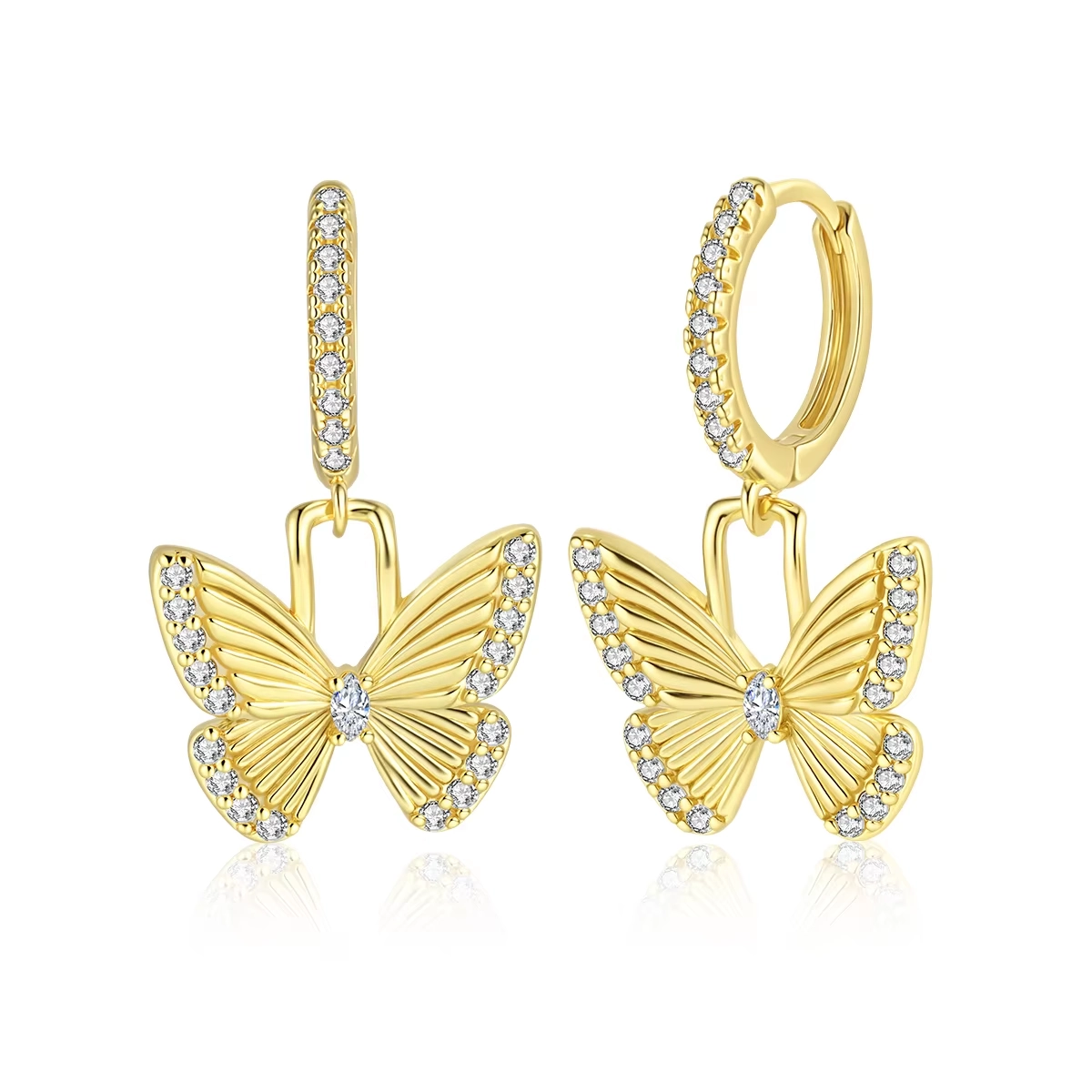
Brass Jewelry
Custom Butterfly Hoop Earrings with Cubic Zirconia | 18K Gold Plated Jewelry
Read More
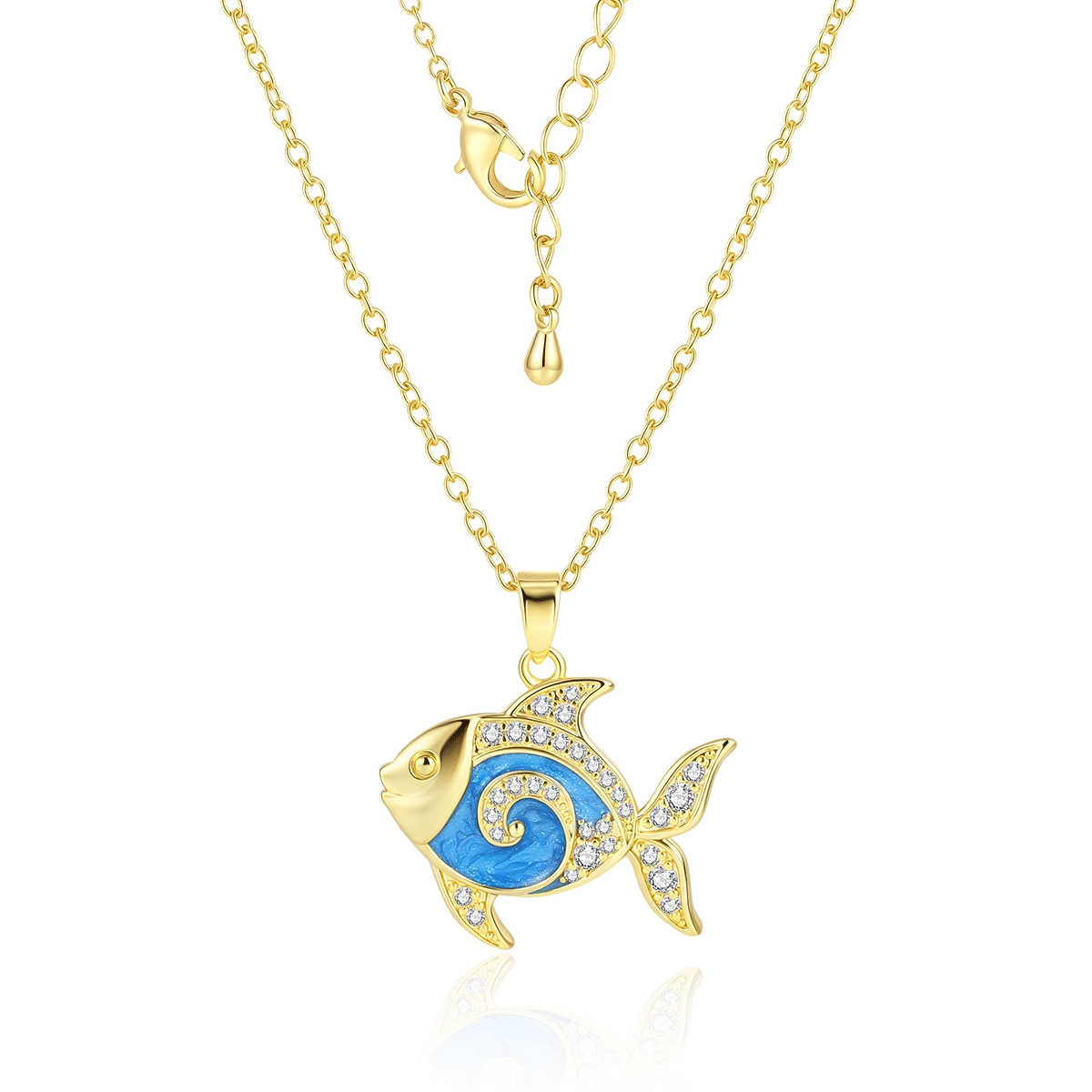
Brass Jewelry
OEM Fish Shaped Necklace with Blue Enamel craft & Cubic Zirconia | 18K Gold Plated Custom Jewelry
Read More

925 Silver Jewelry
Customizable High-Quality Fashion 925 Sterling Silver AAA Cubic Zirconia Heart-Shaped Open Tennis Bracelet.
Read More
Get a Quote for Private Label Jewelry
We provide personalized jewelry customization services for clients worldwide.
Rest assured that your privacy is important to us, and all information provided will be handled with the utmost confidentiality.
By clicking 'Send Inquiry Now' I agree to HOLYCOME processing my personal data.
To see how to withdraw your consent, how to control your personal data and how we process it, please see our Privacy Policy and Terms of use.
From design to production, HOLYCOME offers a one-stop solution to help you enhance your brand value and market competitiveness.
Get A Quote
Contact
Tel: (+86) 188 1927 7817
© 2026 HOLYCOME. All Rights Reserved.
Facebook
Instagram
YouTube
Whatsapp: +8618078079070