







Email: sales3@zhefanjewelry.com
Top 10 925 sterling silver nickel free styles for retailers
Retailers need jewelry that combines skin-conscious material selection, commercial design appeal, reliable production, and consistent compliance documentation. This guide evaluates ten high-potential styles made with nickel-free or nickel-controlled sterling silver, explains the procurement checks behind safer jewelry claims, compares retail applications, and shows how Zhefan Jewelry supports OEM and ODM programs with scalable manufacturing.
- Retail-ready sterling silver categories with broad demand
- 1. Minimalist bands and stackable rings
- 2. Huggie hoops and small sleeper earrings
- 3. Layering chains and pendant necklaces
- 4. Initial, name, and symbolic pendants
- Design directions that support conversion and repeat sales
- 5. Gemstone and cubic zirconia stud earrings
- 6. Signet rings and modern unisex silhouettes
- 7. Charm bracelets and modular jewelry
- 8. Pearl-accented earrings and necklaces
- 9. Celestial, nature, and symbolic motifs
- 10. Custom engraving and personalized gift jewelry
- Material, compliance, and supplier checks before ordering
- What the 925 designation does and does not confirm
- Nickel release, skin contact, and documentation
- Plating, tarnish resistance, and quality assurance
- How Zhefan Jewelry supports scalable retail collections
- Integrated capacity for custom silver and mixed-material programs
- Design velocity and controlled finishing
- OEM and ODM value for commercial buyers
- Frequently Asked Questions
Retailers selecting 925 sterling silver nickel free jewelry should evaluate more than appearance: the alloy specification, nickel-release controls, plating system, finish durability, documentation, packaging, minimum order quantity, and replenishment capability all influence commercial success. The ten strongest retail categories include minimalist bands, huggie hoops, chain necklaces, initial pendants, gemstone studs, signet rings, charm bracelets, pearl designs, celestial pieces, and personalized gift jewelry. A qualified Custom Jewelry Manufacturer can translate these concepts into compliant product specifications, consistent surface quality, and scalable collections while helping brands reduce returns and build consumer trust.
Retail-ready sterling silver categories with broad demand
1. Minimalist bands and stackable rings
Plain bands, slim hammered rings, and coordinated stacking sets are among the most adaptable products for a retail assortment. Their simple geometry supports multiple size options, low visual risk, and efficient merchandising beside watches or other accessories. For buyers, the critical specification is not only a 925 silver stamp but also the base alloy composition, solder selection, and finishing process. A supplier should confirm that every component touching the skin is covered by the same material policy, including ring joints, internal surfaces, and decorative settings.
2. Huggie hoops and small sleeper earrings
Compact hoops serve everyday, travel, and gifting segments. Hinges and latch mechanisms require special attention because poor alignment can cause sharp edges, weak closure, or premature failure. Retailers should request samples after polishing and plating rather than approving a raw prototype. The inspection checklist should include hinge movement, post diameter, closure security, edge smoothness, and a visual review under magnification. Lightweight construction can lower shipping costs, but excessive thinness may reduce perceived value and structural strength.
3. Layering chains and pendant necklaces
Fine curb, cable, box, and paperclip chains support both standalone sales and layered styling. Necklace programs should define chain length, clasp type, extension chain, jump-ring gauge, and pendant weight before quotation. Nickel-sensitive positioning is stronger when the clasp, bail, and connecting rings follow the same skin-contact material standard. Buyers should also assess tarnish protection, because a discolored chain can generate complaints even when the alloy remains technically compliant. Anti-tarnish packaging and clear care instructions improve post-purchase satisfaction.
4. Initial, name, and symbolic pendants
Personalized pendants create strong gifting potential and allow retailers to build searchable collections around initials, zodiac motifs, hearts, crosses, family symbols, or meaningful coordinates. Production planning must account for artwork legibility, font thickness, engraving depth, and the orientation of the bail. A reliable manufacturer should provide a digital proof and establish a tolerance for lettering before mass production. Retailers can reduce inventory exposure by combining evergreen initials with seasonal symbols and made-to-order personalization.
Design directions that support conversion and repeat sales
5. Gemstone and cubic zirconia stud earrings
Stud earrings offer an accessible entry price and strong attachment to bridal, occasion, and everyday-wear collections. Four-prong, bezel, and halo settings create different visual positions without requiring entirely new merchandising logic. The back component deserves equal attention: butterfly backs, silicone-assisted backs, and screw backs each have distinct comfort and security characteristics. Stone calibration, setting tension, color consistency, and post straightness should be recorded in the quality-control plan. A transparent supplier can identify whether stones are cubic zirconia, laboratory-created, or natural and provide the relevant product declaration.
6. Signet rings and modern unisex silhouettes
Signet rings have expanded beyond traditional crests into geometric, engraved, and fashion-forward forms. Their larger top surface creates an opportunity for branding, initials, or limited-edition artwork. However, oversized designs increase metal usage, dimensional variation, and polishing time. Procurement teams should compare finished weight, ring comfort, interior contour, and size availability rather than judging only the 3D render. A slightly curved interior and carefully softened edges can improve wearability while preserving a substantial appearance.
7. Charm bracelets and modular jewelry
Charm bracelets encourage add-on purchases and can turn a single launch into an expandable product ecosystem. The bracelet should be tested for clasp reliability, charm-hole compatibility, jump-ring closure, and resistance to repeated movement. Modular collections work best when charm dimensions and attachment standards remain consistent across seasons. Retailers should decide whether charms are sold individually, in themed bundles, or as preconfigured gifts. This decision affects packaging, barcode architecture, stock forecasting, and the average order value.
8. Pearl-accented earrings and necklaces
Pearl jewelry adds softness and perceived value to a silver assortment. Freshwater pearls vary naturally in shape, luster, surface marks, and size, so purchase specifications should state an acceptable grading range instead of promising identical appearance. The connection between pearl and metal should be assessed for adhesive coverage, drilling accuracy, and pull strength. Combining pearls with polished silver, gold vermeil jewelry, or subtle gemstone details allows retailers to target bridal, resort, occasion, and High Quality gift categories without abandoning a wearable price point.
9. Celestial, nature, and symbolic motifs
Moon, star, sun, leaf, flower, and ocean-inspired designs have long merchandising value because they communicate meaning without requiring personalization. These motifs are suitable for earrings, pendants, stacking rings, and coordinated gift sets. Designers should avoid excessively fine relief lines that disappear after polishing or plating. Mold quality is especially important for textured surfaces, recessed details, and small-scale lettering. Retail buyers can test commercial potential by launching a tightly edited motif family rather than carrying unrelated single pieces.
10. Custom engraving and personalized gift jewelry
Engraved discs, coordinates, dates, handwriting reproductions, and fingerprint-inspired patterns provide differentiation in crowded online marketplaces. The operational challenge is variation: every customized order introduces artwork review, production scheduling, and quality verification. A manufacturer should define accepted file formats, character limits, engraving position, proof approval, and remake responsibility. Retailers also need a clear policy for customer-submitted errors. When these controls are documented, personalization can increase perceived exclusivity without creating uncontrolled production delays.
Material, compliance, and supplier checks before ordering
What the 925 designation does and does not confirm
The 925 mark generally indicates that an item contains 92.5% pure silver by mass, with the balance made from other metals to improve hardness and manufacturability. It does not automatically prove that the piece is suitable for every consumer, that the surface will remain tarnish-free, or that all components have identical composition. Retailers should request an alloy declaration, component specification, and test documentation for the finished product or representative production batches. The definition of sterling silver provides useful background, but supplier-specific verification remains essential for procurement.
Nickel release, skin contact, and documentation
Nickel allergy is a consumer-health and product-liability concern, particularly for earrings, rings, watch-style bracelets, and pieces worn continuously. A responsible sourcing program distinguishes between a marketing statement and a measurable nickel-release requirement. The European Union’s REACH Regulation includes restrictions on nickel release from articles intended for direct and prolonged skin contact. Buyers should ask which test method, laboratory, sample condition, and production batch support the claim. The ISO 3160-2 standard also illustrates why material and surface testing need defined methods rather than informal visual approval.
Plating, tarnish resistance, and quality assurance
Rhodium, gold, and other surface finishes change color, hardness, and consumer positioning, but plating cannot compensate for an unsuitable base specification. Buyers should review plating thickness or process controls, adhesion, coverage in recessed areas, and the treatment of exposed edges. A practical inspection sequence includes dimensional checks, solder-joint review, polishing consistency, stone security, clasp function, surface cleanliness, and packaging verification. Product claims should also align with applicable advertising principles; the Federal Trade Commission Jewelry Guides explain the importance of accurate descriptions for metal content, treatments, and marketing language.
| Retail style | Primary customer use | Key production risk | Recommended buyer check | Merchandising role |
|---|---|---|---|---|
| Stackable band | Everyday self-purchase | Size and edge comfort | Interior finish and size tolerance | Entry-price volume driver |
| Huggie hoop | Daily wear and gifting | Latch or hinge failure | Closure-cycle and post alignment test | Repeatable core item |
| Layering necklace | Styling and gifting | Clasp or chain breakage | Joint strength and anti-tarnish packaging | Cross-sell anchor |
| Personalized pendant | Occasions and milestones | Artwork variation | Proof approval and engraving tolerance | Margin-enhancing custom item |
| Gemstone stud | Bridal and everyday use | Loose setting or bent post | Stone pull test and back security | Accessible High Quality product |
| Charm bracelet | Collecting and gifting | Component incompatibility | Clasp, jump-ring, and charm fit | Recurring add-on revenue |
How Zhefan Jewelry supports scalable retail collections
Integrated capacity for custom silver and mixed-material programs
Zhefan Jewelry is a premier fashion jewelry manufacturer established in 2002, with a manufacturing legacy dating back to 1997. Founded by a master mold craftsman, our production culture is built around long-term refinement in mold development, polishing, assembly, and finishing. We specialize in 925 silver jewelry, Sterling Silver Jewelry, brass jewelry, gold vermeil jewelry, and pearl jewelry, enabling brand owners to develop coordinated collections across different price tiers and visual identities.
Our two factories in Guangzhou and Meizhou cover 800 square meters and are supported by more than 80 skilled artisans and 20 sales professionals. Monthly output can reach 600,000 pieces, giving distributors and retailers a practical path from pilot order to larger replenishment. Capacity alone is not enough for a successful launch, so our team coordinates design confirmation, sampling, production scheduling, inspection, and shipment communication as one commercial workflow.
Design velocity and controlled finishing
Our professional design team launches more than 500 original styles monthly. This design velocity helps global partners refresh seasonal assortments, test niche motifs, and respond to emerging demand without relying exclusively on generic catalog products. For a retailer evaluating the ten categories above, the advantage is the ability to request coordinated variations in dimensions, stones, finishes, engraving, packaging, and branding.
Unlike a basic factory approval process, our manufacturing approach applies six rounds of precision polishing and six strict quality inspections. These controls are intended to improve edge smoothness, reflective consistency, detail definition, setting security, and final presentation. We use RoHS- and REACH-compliant eco-friendly materials and can support documentation discussions for buyers who require a more formal compliance file. Product-specific testing and claim review should still be agreed during quotation and pre-production approval.
OEM and ODM value for commercial buyers
Our OEM and ODM services support private-label retailers, online operators, distributors, and established fashion brands. Zhefan Jewelry has served Amazon’s top three sellers and global retailers such as Macy’s, giving our team exposure to the consistency, responsiveness, packaging, and documentation expectations of demanding sales channels. The commercial objective is not simply to produce attractive pieces; it is to help reduce quality-related returns, maintain launch timing, and create a repeatable supply base for future collections.
Retailers can also combine our brass jewelry and 925 silver jewelry capabilities within one assortment, then add gold vermeil jewelry or pearl jewelry for High Quality segmentation. This mixed-material strategy allows a brand to test price elasticity while keeping design language consistent. Buyers should provide target retail price, expected order volume, delivery window, packaging requirements, target markets, and any nickel-release or restricted-substance requirements at the beginning of the project. Clear inputs make quotations more comparable and reduce late-stage redesign.
For procurement teams, the strongest supplier relationship is built on traceable specifications, realistic lead times, sample approval, measurable inspection points, and transparent communication when a design requires adjustment. Zhefan Jewelry combines manufacturing scale with agile development, dedicated service, and a quality-led production system designed to support market influence and long-term brand growth.
Contact Zhefan Jewelry at zhefanjewelry.com or sales3@zhefanjewelry.com to develop a compliant, retail-ready jewelry collection.
Frequently Asked Questions
What does a 925 silver stamp mean?
The 925 mark generally indicates that an item contains 92.5% pure silver by mass, with the balance made from other metals to improve hardness and manufacturability. It does not automatically prove that every component is nickel-free or that the surface will remain tarnish-free.
How can retailers verify a nickel-conscious jewelry claim?
Retailers should request an alloy declaration, component specification, and test documentation for the finished product or representative production batches. The buyer should also confirm the test method, laboratory, sample condition, and production batch supporting the nickel-release requirement.
Which sterling silver styles are strongest for everyday retail sales?
Minimalist bands, huggie hoops, layering chains, gemstone studs, and symbolic pendants are adaptable everyday categories. Their commercial performance depends on consistent sizing, comfortable edges, secure closures, strong settings, and appropriate tarnish protection.
What should buyers inspect before approving a jewelry sample?
The inspection should cover dimensions, size tolerance, edge smoothness, solder joints, polishing consistency, stone security, clasp or hinge function, surface coverage, packaging, and any required compliance documentation. Samples should be evaluated after the intended finishing process rather than only as raw prototypes.
Can a manufacturer combine sterling silver, brass, vermeil, and pearl products in one collection?
Yes. Zhefan Jewelry supports 925 silver jewelry, brass jewelry, gold vermeil jewelry, and pearl jewelry programs, allowing retailers to create coordinated collections across different price tiers while maintaining a consistent design direction.
What information should retailers provide when requesting an OEM or ODM quotation?
Retailers should provide the target retail price, estimated order volume, delivery window, packaging requirements, target markets, design files or references, and any nickel-release or restricted-substance requirements. Clear project inputs make quotations more comparable and reduce late-stage redesign.
Tags
custom necklace pendant
custom necklace pendant
allergy friendly brass jewelry nickel free
allergy friendly brass jewelry nickel free
heart beat necklace
heart beat necklace
men's brass tennis bracelet wholesale
men's brass tennis bracelet wholesale
custom brass earrings usa supplier
custom brass earrings usa supplier
Vermeil Gold Jewelry Manufacturer
Vermeil Gold Jewelry Manufacturer
Recommended for you
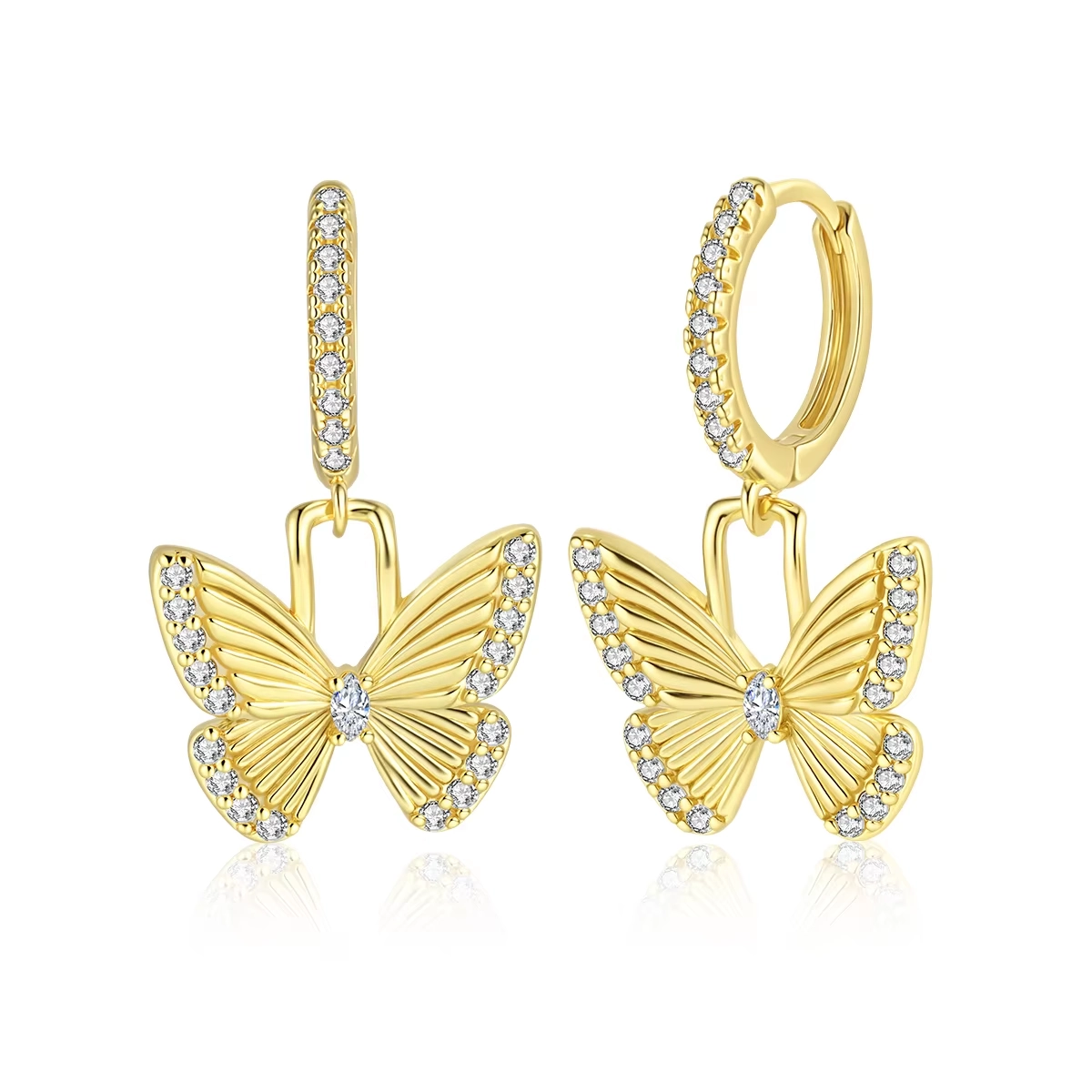
Custom Butterfly Hoop Earrings with Cubic Zirconia - 18k Gold Plated | Zhefan Jewelry
Sustainable Silver Bracelet Manufacturing Practices
How ODM Jewelry Manufacturers Handle Trend-Driven Product Development
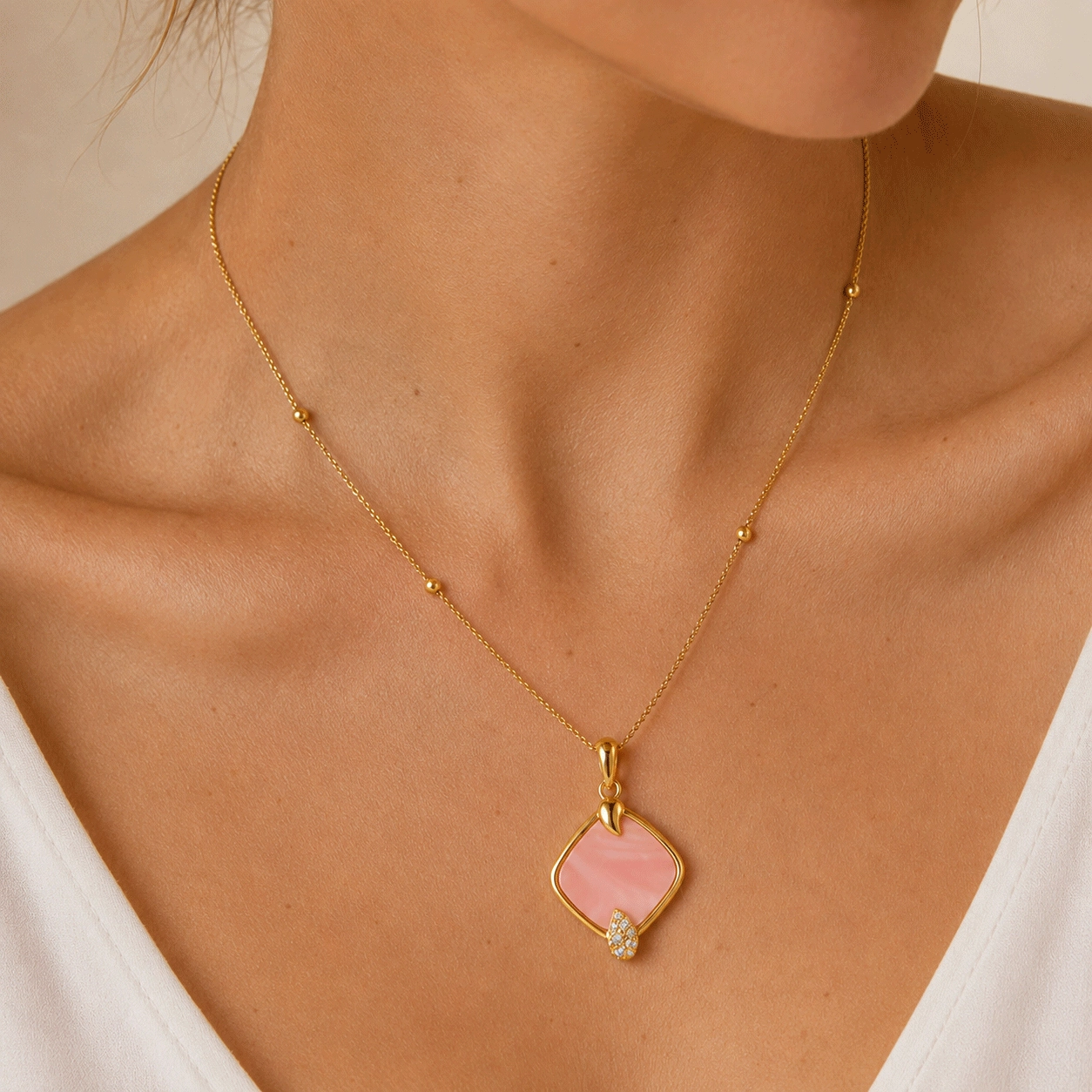
Custom Rhombus Pendant Necklace with Mother of Pearl — OEM/ODM Jewelry Supplier
Product Categories
You may also like

925 Silver Jewelry
Customizable High-Quality Fashion 925 Sterling Silver AAA Cubic Zirconia Heart-Shaped Open Tennis Bracelet.
Read More

Brass Jewelry
Customizable OEM ODM High-Quality Fashion Brass AAA Cubic Zirconia Classic Tennis Bracelet for Women Wholesale.
Read More
Get a Quote for Private Label Jewelry
We provide personalized jewelry customization services for clients worldwide.
Rest assured that your privacy is important to us, and all information provided will be handled with the utmost confidentiality.
By clicking 'Send Inquiry Now' I agree to ZHEFAN JEWELRY processing my personal data.
To see how to withdraw your consent, how to control your personal data and how we process it, please see our Privacy Policy and Terms of use.
From design to production, ZHEFAN JEWELRY offers a one-stop solution to help you enhance your brand value and market competitiveness.
Get A Quote
Contact
Tel: (+86) 188 1927 7817
© 2026 Zhefan Jewelry. All Rights Reserved.
Facebook
Instagram
YouTube
Whatsapp: +8618819277817