







Email: sales3@zhefanjewelry.com
Navigating Authenticity: Which Testing Labs Do B2B Buyers Trust for 925 Silver Verification?
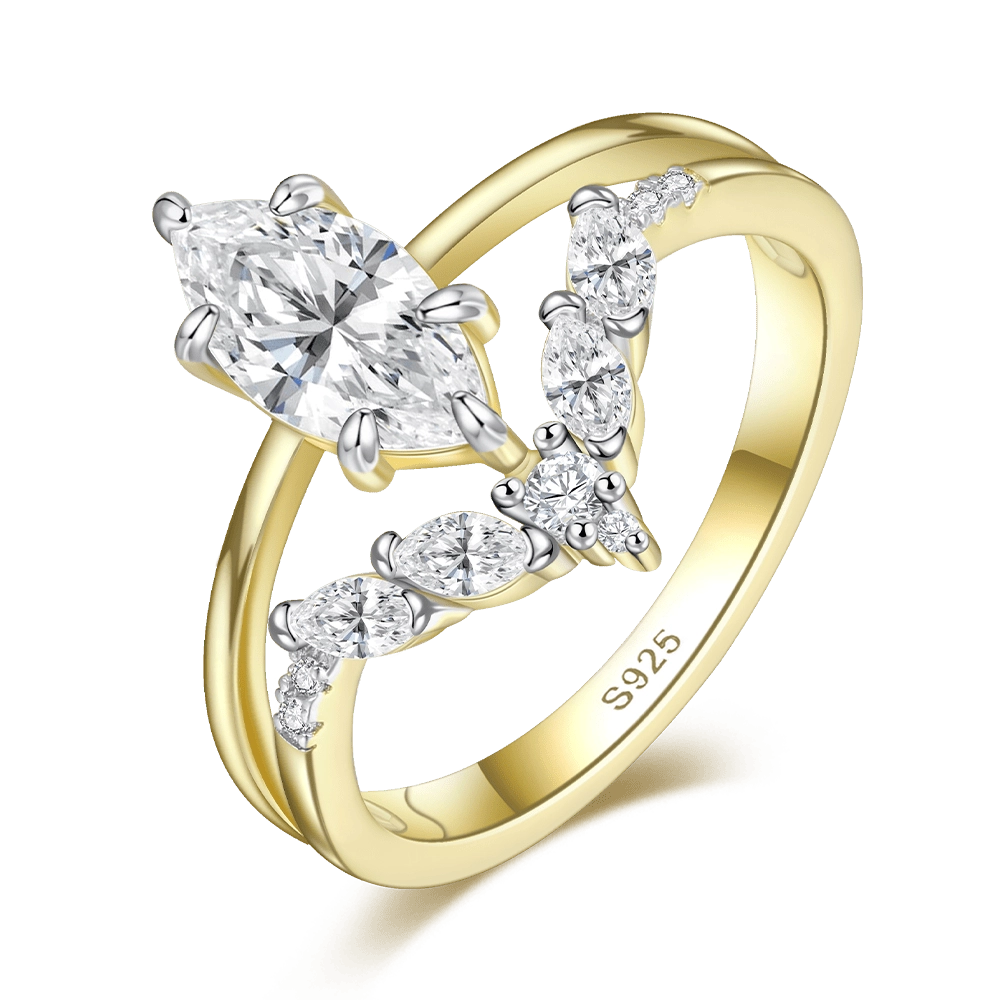
For B2B buyers, authenticating 925 sterling silver is crucial for quality assurance and trust. This post explores the top international testing laboratories that provide reliable 925 silver verification. Learn about the methods used, the importance of third-party certification, and how to choose the right partner to safeguard your jewelry supply chain, ensuring every piece, like the exquisite ring featuring an "S925" stamp, meets industry standards.
- The Imperative of 925 Silver Verification for B2B Buyers
- The Visual Promise vs. Certified Purity: Understanding S925
- Top Global Testing Labs for 925 Silver Verification
- SGS: A Global Leader in Material Testing
- Intertek: Comprehensive Quality Assurance
- Independent Gemological Laboratories with Metal Analysis Capabilities
- The Science Behind 925 Silver Verification
- X-Ray Fluorescence (XRF) Spectroscopy
- Inductively Coupled Plasma Optical Emission Spectrometry (ICP-OES)
- Traditional Fire Assay (less common for routine silver)
- Why Third-Party Verification is Crucial for Wholesale Purchases
- Mitigating Risks and Building Trust
- Ensuring Regulatory Compliance
- Selecting the Right Testing Partner for Your 925 Silver Supply Chain
- FAQ
The Imperative of 925 Silver Verification for B2B Buyers
In the competitive world of jewelry, ensuring the authenticity and quality of materials is paramount, especially for B2B buyers making significant wholesale purchases. While visual appeal, such as the intricate design and sparkling stones of an elegant gold-plated ring, captures attention, the underlying material integrity is what builds lasting trust and brand reputation. The visible “S925” stamp on a piece of jewelry, like the beautiful ring depicted, signifies sterling silver, which is 92.5% pure silver and 7.5% other metals, usually copper. However, for serious B2B buyers, relying solely on hallmarks can be insufficient. Independent verification from accredited testing laboratories provides an undeniable guarantee of purity and compliance.
The Visual Promise vs. Certified Purity: Understanding S925
The ring in the image, with its central marquise-cut stone flanked by smaller marquise and round brilliant cuts, is a testament to fine craftsmanship. Its gold-plated finish adds to its allure, while the “S925” engraving confirms its sterling silver base. However, B2B buyers need to go beyond surface appearances and visible markings. Counterfeits and misrepresentations can occur, making professional, unbiased
Top Global Testing Labs for 925 Silver Verification
When B2B buyers seek reliable 925 silver verification, they turn to internationally recognized and accredited laboratories. These institutions possess the expertise, equipment, and impartiality necessary to provide accurate material analysis.
SGS: A Global Leader in Material Testing
SGS is a world-leading inspection, verification, testing, and certification company. Their extensive network of laboratories offers comprehensive precious metals testing services, including detailed analysis for sterling silver. B2B buyers frequently utilize SGS for their robust testing protocols, which ensure adherence to national and international standards for silver purity.
Intertek: Comprehensive Quality Assurance
Intertek provides tailored quality assurance solutions across various industries, including jewelry. Their material testing services are highly regarded for verifying precious metal content, making them a go-to choice for
Independent Gemological Laboratories with Metal Analysis Capabilities
While often associated with diamond and gemstone grading, many reputable gemological laboratories also offer comprehensive metal analysis services. These labs often employ specialized equipment to determine the exact composition of alloys, providing B2B buyers with a holistic view of their jewelry products, from the silver base to any additional plating or embedded stones.
The Science Behind 925 Silver Verification
Accurate
X-Ray Fluorescence (XRF) Spectroscopy
XRF is a non-destructive analytical technique used to determine the elemental composition of materials. It's widely employed for precious metals because it provides rapid, accurate results without damaging the item. An XRF analyzer directs X-rays at the silver item, causing the atoms to emit secondary X-rays that are characteristic of each element present. This allows for precise measurement of silver content, typically expressed in parts per thousand (e.g., 925 for sterling silver).
Inductively Coupled Plasma Optical Emission Spectrometry (ICP-OES)
For even higher precision and trace element analysis, some laboratories utilize ICP-OES. This destructive method involves dissolving a small sample of the metal and then introducing it into a plasma, which excites the atoms to emit light at specific wavelengths. The intensity of this light is measured to determine the concentration of each element, providing an incredibly accurate breakdown of the silver alloy. While more involved, ICP-OES offers unparalleled accuracy for critical
Traditional Fire Assay (less common for routine silver)
Historically, fire assay was the gold standard for precious metal analysis due to its exceptional accuracy. While still used for very high-value or complex alloy samples, particularly for gold, it's less commonly applied for routine 925 silver verification due to its destructive nature and the availability of faster, non-destructive alternatives like XRF.
Why Third-Party Verification is Crucial for Wholesale Purchases
For B2B buyers, the stakes are high. A misrepresentation of silver purity can lead to significant financial losses, reputational damage, and legal complications. Third-party verification mitigates these risks effectively.
Mitigating Risks and Building Trust
By investing in professional
Ensuring Regulatory Compliance
Many regions have specific regulations regarding precious metal purity and hallmarking. Independent lab testing ensures that wholesale jewelry products, like the sterling silver ring, comply with these legal requirements, preventing potential fines, seizures, and other penalties.
Selecting the Right Testing Partner for Your 925 Silver Supply Chain
Choosing the right testing lab for 925 silver verification is a strategic decision for B2B buyers. Key considerations include the lab's accreditation (e.g., ISO 17025), turnaround time, cost, and reputation within the jewelry industry. A reliable partner will provide clear, concise reports that are internationally recognized, empowering buyers to make informed decisions and maintain the highest standards of quality in their supply chain.
FAQ
What does "925 silver" mean in the context of jewelry like this elegant ring?
925 silver, also known as sterling silver, refers to an alloy containing 92.5% pure silver and 7.5% other metals, typically copper. This specific composition is used because pure silver (99.9%) is too soft for practical jewelry making, and the added metals provide strength and durability while retaining silver's lustrous appearance.
Why can't B2B buyers simply rely on the "S925" hallmark seen on products for authenticity?
While the "S925" hallmark is a recognized indicator of sterling silver, relying solely on it is risky for B2B buyers. Hallmarks can be faked or misrepresented, and without independent verification, there's no guarantee that the item truly contains 92.5% silver. Third-party lab testing provides an unbiased and scientifically proven confirmation of purity, protecting against potential fraud and ensuring compliance.
What are the primary methods used by testing labs to verify 925 silver content?
Accredited testing labs primarily use methods like X-Ray Fluorescence (XRF) Spectroscopy for non-destructive, rapid analysis, and Inductively Coupled Plasma Optical Emission Spectrometry (ICP-OES) for highly precise, destructive analysis. XRF measures the elemental composition by analyzing secondary X-rays emitted from the material, while ICP-OES involves dissolving a sample to measure elemental concentrations with extreme accuracy.
How does third-party 925 silver verification benefit wholesale jewelry purchasers?
Third-party 925 silver verification offers numerous benefits for wholesale buyers, including mitigating risks of purchasing misrepresented products, ensuring consistent quality across their inventory, building trust with their retail customers, and guaranteeing compliance with international precious metal regulations. It safeguards their financial investment and enhances their brand's reputation for integrity.
Which accreditations should B2B buyers look for in a silver testing lab?
B2B buyers should prioritize testing laboratories that hold ISO 17025 accreditation. This international standard specifies the general requirements for the competence, impartiality, and consistent operation of laboratories. An ISO 17025 accredited lab demonstrates its capability to produce precise, accurate test and calibration data, ensuring reliability in 925 silver verification results.
Can testing labs also verify the authenticity of gemstones used in 925 silver jewelry?
Yes, many comprehensive testing laboratories that handle precious metals also offer gemological services. While the primary focus for 925 silver verification is the metal itself, these labs can often identify and verify the authenticity, type, and sometimes quality of gemstones embedded in jewelry, providing B2B buyers with a complete assessment of their products, such as the marquise and round stones featured in the elegant ring.
Tags
custom Zircon Earrings
custom Zircon Earrings
custom brass earring packaging
custom brass earring packaging
rose quartz stone earrings
rose quartz stone earrings
925 silver star hoop earrings
925 silver star hoop earrings
cubic zirconia brass wedding jewelry wholesale
cubic zirconia brass wedding jewelry wholesale
wholesale silver bracelet manufacturer
wholesale silver bracelet manufacturer
Recommended for you
Top suppliers for wholesale brass tennis bracelet buyers
Custom OEM Nickel-Free Brass Jewelry: Design to Delivery
How Private Label Jewelry Manufacturers Help Build a Distinctive Jewelry Brand
Custom 925 Silver Ring Trend Forecasts for Retail Buyers
Product Categories
You may also like

925 Silver Jewelry
Customizable High-Quality Fashion 925 Sterling Silver AAA Cubic Zirconia Heart-Shaped Open Tennis Bracelet.
Read More

Brass Jewelry
Customizable OEM ODM High-Quality Fashion Brass AAA Cubic Zirconia Classic Tennis Bracelet for Women Wholesale.
Read More
Get a Quote for Private Label Jewelry
We provide personalized jewelry customization services for clients worldwide.
Rest assured that your privacy is important to us, and all information provided will be handled with the utmost confidentiality.
By clicking 'Send Inquiry Now' I agree to ZHEFAN JEWELRY processing my personal data.
To see how to withdraw your consent, how to control your personal data and how we process it, please see our Privacy Policy and Terms of use.
From design to production, ZHEFAN JEWELRY offers a one-stop solution to help you enhance your brand value and market competitiveness.
Get A Quote
Contact
Tel: (+86) 188 1927 7817
© 2026 Zhefan Jewelry. All Rights Reserved.
Facebook
Instagram
YouTube
Whatsapp: +8618819277817