









Email: service@holycome.com
Why Brass Jewelry is the Best Choice for High-End Fashion Brands
Brass jewelry gives high-end fashion brands a practical balance of design flexibility, premium appearance, controlled cost, durability, and scalable production. Its warm gold-like tone, strong moldability, compatibility with plating and surface treatments, and suitability for custom development allow brands to create distinctive collections without the material cost and supply limitations associated with solid precious metals. When buyers select a capable custom jewelry manufacturer, brass components can support complex silhouettes, consistent finishing, seasonal experimentation, and profitable wholesale programs. HOLYCOME combines brass production with 925 silver, sterling silver, gold vermeil, and pearl jewelry capabilities, supported by OEM/ODM development, multi-stage polishing, quality inspections, RoHS/REACH-compliant materials, and high-volume manufacturing.
- Why Brass Supports High Quality Fashion Jewelry Development
- Design freedom for distinctive silhouettes
- Luxury appearance through controlled surface engineering
- Better economics for collection architecture
- Procurement and Quality Factors Buyers Must Control
- Alloy selection and regulatory documentation
- Finish durability and skin-contact performance
- Manufacturing repeatability and total landed cost
- How a Qualified Production Partner Creates Brand Value
- From design brief to production-ready sample
- Production controls that protect High Quality positioning
- Why HOLYCOME is positioned for scalable custom programs
- Implementation Checklist for High-End Brass Collections
- Questions to answer before requesting a quotation
- Commercial metrics that indicate a successful launch
- Frequently Asked Questions
Brass jewelry has become a strategic material for high-end fashion brands that need recognizable design, dependable quality, and commercially viable production. Made primarily from copper and zinc, brass offers a warm metallic appearance, excellent formability, and strong compatibility with casting, stamping, engraving, polishing, electroplating, enamel, and stone-setting processes. These characteristics allow a brand to present an elevated visual identity while maintaining better control over development budgets, minimum order quantities, and replenishment capacity than many solid precious-metal alternatives.
For buyers, the value is not simply a lower material price. The more important question is whether a metal platform can translate creative direction into repeatable products across multiple collections. A capable Custom Jewelry Manufacturer can use brass to support statement earrings, sculptural rings, layered chains, logo pendants, cuff bracelets, charms, and mixed-material designs while maintaining dimensional accuracy and finish consistency. The result is a material strategy that combines luxury storytelling with disciplined procurement.
Why Brass Supports High Quality Fashion Jewelry Development
Design freedom for distinctive silhouettes
Brass is easier to shape into detailed and expressive forms than many harder metals. Designers can develop architectural links, organic textures, relief logos, hollow structures, oversized motifs, and intricate bezels without automatically creating an unmanageable production cost. This is particularly valuable for high-end fashion brands whose competitive advantage depends on recognizable shapes rather than the intrinsic value of the base metal alone.
Its casting and stamping compatibility also supports fast design iteration. A project team can test several proportions, surface textures, stone layouts, and closure systems before committing to a broad production run. This reduces the commercial risk of launching an unproven style and helps product developers respond to runway trends, social-commerce demand, and regional preferences.
Luxury appearance through controlled surface engineering
Raw brass has a naturally warm color, but its visual identity can be changed through polishing and coating. Gold-tone, silver-tone, antique, blackened, satin, brushed, hammered, and two-tone finishes can each create a different brand language. PVD, electroplating, e-coating, lacquer, and protective topcoats may be selected according to the required appearance, wear expectations, and target price point.
Surface quality must be treated as an engineering issue rather than a cosmetic afterthought. Uneven polishing, incomplete deburring, poor adhesion, exposed base metal, or inconsistent plating thickness can quickly undermine a High Quality product. Buyers should therefore request approved reference samples, finish standards, color panels, adhesion testing, and clear acceptance criteria before bulk authorization.
Better economics for collection architecture
A high-end collection usually requires more than one hero product. Brands need entry pieces, coordinated accessories, seasonal colorways, limited editions, and replenishable core styles. Brass allows product owners to allocate budget intelligently: resources can be concentrated on design development, stones, packaging, photography, marketing, and retail presentation while the base material remains commercially manageable.
This does not mean brass should be positioned as an inferior substitute for silver or gold. Instead, it can occupy a deliberate tier within a portfolio. A brand may use plated brass for bold fashion silhouettes, 925 silver jewelry for fine everyday pieces, and gold vermeil jewelry for a High Quality gift or bridal segment. This architecture expands customer choice without forcing every design into the same cost structure.
Procurement and Quality Factors Buyers Must Control
Alloy selection and regulatory documentation
Brass is a family of copper-zinc alloys, and composition affects color, hardness, machinability, and finishing behavior. Buyers should ask suppliers to define the alloy or material specification, provide batch traceability where appropriate, and identify any additional metals used in the construction or finish. Metal components that contact skin require particular attention to nickel release, lead and cadmium restrictions, and documentation for the intended sales markets.
For European distribution, buyers should review the obligations associated with REACH regulation. Product safety systems should also be aligned with the brand’s risk assessment and market requirements. The ISO 9001 quality management standard provides a useful framework for evaluating whether a supplier controls documented processes, corrective actions, inspection records, and continual improvement.
Finish durability and skin-contact performance
High Quality appearance must survive normal handling, packaging, transportation, and customer use. A professional sourcing process should cover coating adhesion, abrasion resistance, discoloration, moisture exposure, clasp function, stone security, and dimensional conformity. Testing should reflect the product’s use case: a ring experiences more friction than a pendant, while earrings may require special attention to posts, backs, and skin-contact components.
Buyers should distinguish between a plating thickness claim and actual performance evidence. A supplier that can explain its cleaning, activation, plating, rinsing, drying, polishing, and inspection sequence offers greater transparency than a supplier that only promises a color match. Written samples approval, a golden reference, and pre-shipment inspection are practical controls that reduce disputes.
Manufacturing repeatability and total landed cost
Unit price is only one part of procurement economics. Tooling, mold revisions, sampling, plating loss, packaging, freight, duty, defect replacement, and delayed launch dates all affect total landed cost. A reliable production partner should disclose which steps are performed internally and which are subcontracted, because every handoff can introduce variation in dimensions, finish, and delivery timing.
Repeatability is especially important when a successful design moves from a small launch to international replenishment. The supplier should retain approved tooling, record critical dimensions, control process parameters, and maintain a sample library. This approach helps a brand preserve its signature look across purchase orders, factories, and selling seasons.
| Decision factor | Brass-based fashion jewelry | 925 sterling silver | Solid gold |
|---|---|---|---|
| Design flexibility | High for casting, stamping, engraving, and complex fashion forms | High, with strong suitability for detailed designs | High, but tooling and material cost can restrict experimentation |
| Material cost control | Generally favorable for broad collections and statement pieces | Higher than base-metal platforms and affected by silver prices | Highest exposure to precious-metal market pricing |
| Finish options | Gold-tone, silver-tone, antique, black, satin, enamel, and mixed finishes | Polished, oxidized, rhodium-plated, gold-plated, and other treatments | Color is determined largely by karat and alloy, with plating also possible |
| Key quality risk | Coating adhesion, tarnish management, alloy compliance, and skin-contact performance | Tarnish, softness in thin sections, stone security, and alloy compliance | High capital value, theft exposure, weight control, and price volatility |
The table provides a sourcing framework rather than a universal ranking. Actual performance depends on alloy selection, construction, coating technology, workmanship, testing, storage, and consumer care. Information about brass composition and behavior can be cross-checked through the Brass materials overview, while buyers should rely on product-specific technical files for commercial approval.
How a Qualified Production Partner Creates Brand Value
From design brief to production-ready sample
A strong development process begins with a structured brief covering dimensions, target weight, reference images, logo placement, stone specifications, finish, packaging, expected order volume, and destination markets. The supplier should then review manufacturability before mold creation. Small changes to wall thickness, prong geometry, hinge clearance, or chain connection can improve durability and reduce production waste without changing the visual concept.
Sampling should be treated as a controlled approval gate. A brand owner should review the physical prototype under retail lighting, inspect back surfaces and contact points, verify wearability, and compare the sample against the original design intent. Digital renderings are useful for communication, but they cannot replace evaluation of weight, balance, texture, color, and tactile quality.
Production controls that protect High Quality positioning
A credible supplier uses incoming material checks, in-process inspection, polishing controls, plating verification, assembly checks, and final audits. Quality documentation should identify defect categories such as scratches, pits, porosity, color variation, loose stones, sharp edges, malformed clasps, and incorrect dimensions. Statistical sampling can support large orders, but critical safety and functional features may require 100% inspection.
Packaging is also part of quality. Individual sleeves, anti-tarnish materials, protective films, barcode labels, care cards, and export cartons should be selected to prevent rubbing and oxidation during transit. A beautiful piece that arrives scratched or discolored creates avoidable returns and weakens retailer confidence.
Why HOLYCOME is positioned for scalable custom programs
HOLYCOME brings together design responsiveness and factory-scale execution. Guangzhou HOLYCOME was established in 2002, with a company legacy dating back to 2016. Founded by a master mold craftsman, the organization has built its production culture around long-term refinement of tooling, finishing, and jewelry workmanship.
Our team specializes in brass jewelry, 925 silver jewelry, sterling silver jewelry, gold vermeil jewelry, and pearl jewelry for OEM and ODM programs. We operate two factories in Guangzhou and Meizhou across 800 square meters, with more than 80 skilled artisans and 20 sales professionals. Monthly capacity reaches approximately 600,000 pieces, giving brand owners a practical foundation for launch quantities, replenishment orders, and multi-style collections.
Our professional design team develops more than 500 original styles each month. This supports buyers that need fresh assortments without sacrificing the ability to customize dimensions, finishes, logos, stones, packaging, and collection themes. For a high-end fashion label, that combination can shorten the distance between trend recognition and commercially available product.
Quality assurance is built into our manufacturing process through six rounds of precision polishing and six strict quality inspections. These controls are intended to protect surface smoothness, edge safety, plating presentation, assembly reliability, and overall consistency. We also use RoHS- and REACH-compliant eco-friendly materials to help international partners manage regulatory and sustainability expectations, subject to product-specific documentation and market requirements.
Our experience supporting Amazon’s top three sellers and global retailers such as Macy’s reflects the operational discipline required by demanding sales channels. We provide integrated OEM/ODM support rather than treating production as an isolated transaction. That includes design collaboration, mold development, sampling, material coordination, manufacturing, quality control, and delivery support.
For buyers comparing a brass production supplier with a precious-metal specialist, the most useful evaluation is capability by project requirement. HOLYCOME can support fashion-forward brass collections while also providing 925 silver, sterling silver, gold vermeil, and pearl options for tiered assortments. This allows one accountable partner to coordinate complementary materials and maintain a more coherent brand standard across categories.
Implementation Checklist for High-End Brass Collections
Questions to answer before requesting a quotation
- Which markets will receive the products, and what chemical or labeling requirements apply?
- Is the target finish polished, brushed, antique, plated, enamelled, or mixed?
- Which parts touch the skin, and what performance evidence is required?
- What are the target dimensions, weight, packaging format, order quantity, and delivery window?
- Will the collection require recurring replenishment, seasonal color changes, or exclusive molds?
Providing these details early enables a manufacturer to quote more accurately and identify technical risks before sampling. It also creates a shared basis for evaluating suppliers rather than comparing incomplete unit prices.
Commercial metrics that indicate a successful launch
Project owners should monitor sample approval time, first-pass quality rate, defect and rework levels, on-time shipment performance, return reasons, finish complaints, and repeat-order conversion. Gross margin should be assessed together with markdown exposure and inventory velocity. A lower-cost product is not commercially successful if inconsistent finishing increases returns or if delayed delivery causes a missed seasonal window.
Brass is therefore best understood as a flexible platform for High Quality fashion design, not merely a budget material. When supported by compliant inputs, disciplined finishing, documented inspections, and a capable production team, it can deliver the visual impact, collection breadth, and operational scalability demanded by modern high-end brands.
Contact HOLYCOME at service@holycome.com or visit ../../../ to discuss custom brass, 925 silver, gold vermeil, or pearl jewelry development.
Frequently Asked Questions
Is brass jewelry suitable for high-end fashion brands?
Yes. Brass supports complex forms, multiple finishes, engraving, enamel, and stone-setting while offering better cost control for broad collections and statement designs. Premium results depend on alloy selection, finishing, coating quality, compliance, and inspection.
How can buyers evaluate the quality of brass jewelry?
Buyers should review approved samples, alloy specifications, finish standards, coating adhesion, abrasion and moisture performance, dimensional conformity, clasp function, stone security, inspection records, and market-specific compliance documents.
Is brass jewelry safe for skin contact?
Safety depends on the alloy, plating system, skin-contact components, and destination-market requirements. Buyers should request documentation and product-specific testing related to nickel release, lead, cadmium, and other applicable restrictions.
Can brass jewelry be customized with different finishes?
Yes. Common options include gold-tone, silver-tone, antique, blackened, satin, brushed, hammered, enamel, and two-tone finishes. The correct process depends on the design, use case, desired appearance, and durability requirements.
Why use brass instead of 925 sterling silver or solid gold?
Brass generally provides more favorable material cost control for complex or large fashion pieces, allowing brands to test more designs and build wider collections. Sterling silver and solid gold remain valuable choices for specific premium tiers, but they may create greater material-cost exposure.
What should a brand include in a custom jewelry manufacturing brief?
The brief should define dimensions, weight, target finish, logo placement, stones, packaging, order volume, delivery window, destination markets, skin-contact requirements, and whether future replenishment or exclusive tooling is expected.
Tags
durable clasp brass tennis bracelet wholesale
durable clasp brass tennis bracelet wholesale
adjustable tennis bracelet certified supplier
adjustable tennis bracelet certified supplier
plated nickel free brass wholesale packs
plated nickel free brass wholesale packs
silver charm bracelet manufacturer
silver charm bracelet manufacturer
adjustable tennis bracelet plating options
adjustable tennis bracelet plating options
custom engraved brass tennis bracelet oem
custom engraved brass tennis bracelet oem
Recommended for you
How to Compare Gold Vermeil Jewelry Manufacturers by Craftsmanship, Capability, and Value
21+ Best-Selling Minimal Silver Jewelry Designs to Explode Your Wholesale Profits in 2026
Custom Adjustable Tennis Bracelet: From Design to Bulk Production
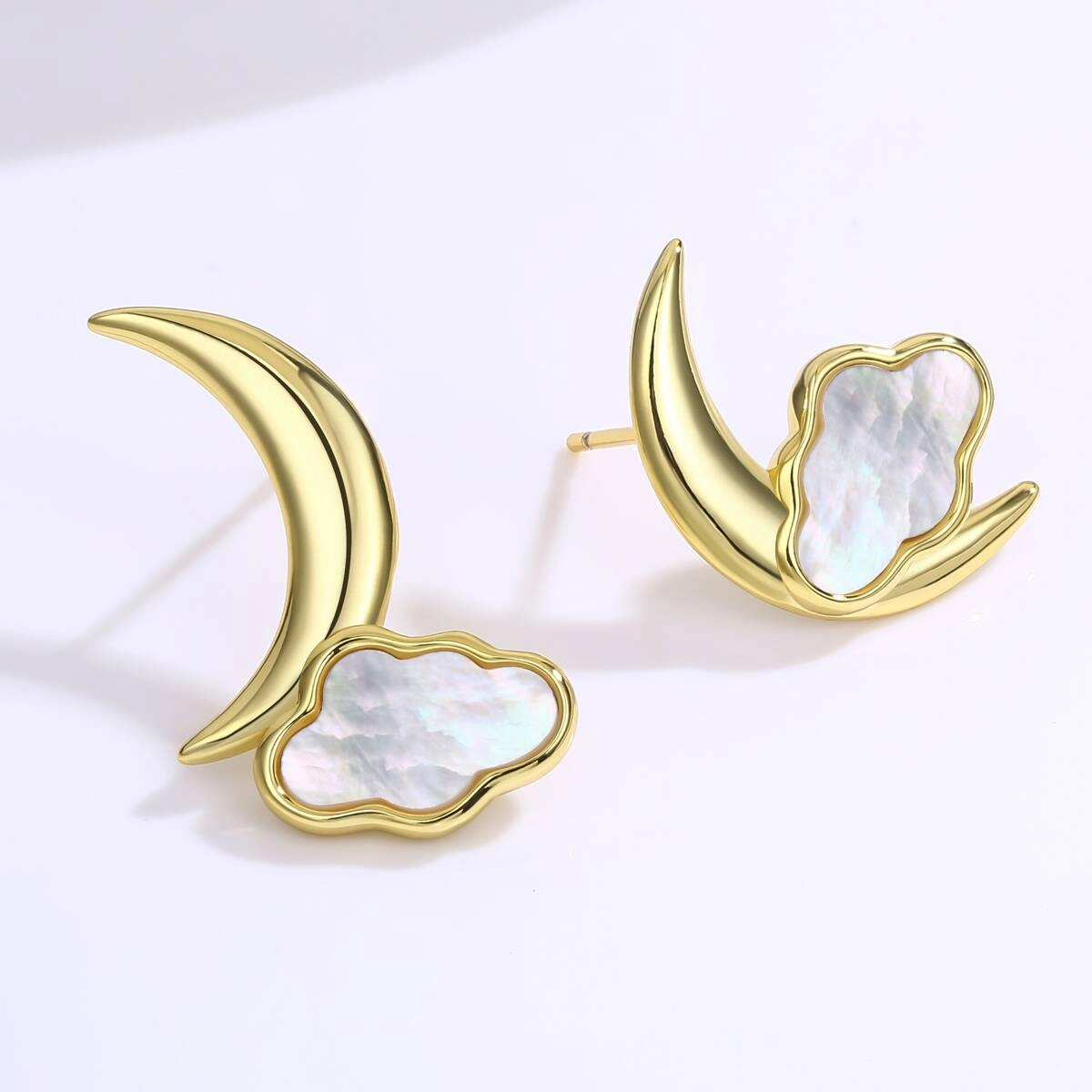
Mother of Pearl Stud Earrings — 18K Gold Plated | HOLYCOME
Product Categories
You may also like

925 Silver Jewelry
Customizable High-Quality Fashion 925 Sterling Silver AAA Cubic Zirconia Heart-Shaped Open Tennis Bracelet.
Read More
Get a Quote for Private Label Jewelry
We provide personalized jewelry customization services for clients worldwide.
Rest assured that your privacy is important to us, and all information provided will be handled with the utmost confidentiality.
By clicking 'Send Inquiry Now' I agree to HOLYCOME processing my personal data.
To see how to withdraw your consent, how to control your personal data and how we process it, please see our Privacy Policy and Terms of use.
From design to production, HOLYCOME offers a one-stop solution to help you enhance your brand value and market competitiveness.
Get A Quote
Contact
Tel: (+86) 188 1927 7817
© 2026 HOLYCOME. All Rights Reserved.
Facebook
Instagram
YouTube
Whatsapp: +8618078079070