







Email: sales3@zhefanjewelry.com
Why Luxury Brands Rely on a Specialized OEM Jewelry Manufacturer for High-End Collections
Luxury brands work with specialized jewelry manufacturing partners because high-end collections require more than attractive designs. They require repeatable craftsmanship, material traceability, tight tolerances, reliable plating, scalable production, regulatory compliance, confidentiality, and commercial responsiveness. A capable OEM jewelry manufacturer combines product engineering, mold development, sampling, finishing, inspection, packaging, and production planning to convert a creative concept into a consistent sellable collection. For buyers evaluating suppliers, the most important criteria are not simply unit price or factory capacity, but verified quality systems, material expertise, development speed, minimum-order flexibility, communication discipline, and the ability to protect brand value at scale.
- Why High Quality Jewelry Programs Need More Than Standard Factory Capacity
- Design translation requires engineering discipline
- Material and finishing expertise protect perceived value
- Consistency is a commercial requirement, not a cosmetic preference
- How a Specialized Production Partner Reduces Brand and Procurement Risk
- Development speed improves seasonal competitiveness
- Compliance protects access to international markets
- Confidentiality and intellectual-property control support High Quality positioning
- What Buyers Should Audit Before Selecting a Jewelry Manufacturing Partner
- Verify the entire production chain
- Assess sampling, tooling, and order flexibility
- Measure service quality through operational evidence
- Why Zhefan Jewelry Fits High-End and Scalable Collection Strategies
- Established craftsmanship combined with industrial capacity
- Product depth supports differentiated collections
- Documented finishing and inspection strengthen buyer confidence
- OEM and ODM support connects manufacturing to brand growth
- Frequently Asked Questions
Luxury jewelry collections are judged simultaneously on design originality, tactile quality, durability, consistency, and delivery reliability. That combination explains why established brands rarely depend on a general trading company or an undifferentiated mass-production facility for important launches. They typically select a specialized oem jewelry manufacturer with the technical resources to manage the complete product lifecycle, from concept interpretation and mold engineering to surface finishing, inspection, packaging, and replenishment.
For procurement teams, the decision is not merely about finding a lower manufacturing quote. A high-end collection represents a substantial investment in creative direction, photography, retail placement, influencer activation, inventory, and customer trust. Any defect rate, color inconsistency, late shipment, or material-compliance failure can reduce gross margin and damage the brand’s reputation. A dedicated custom jewelry manufacturing partner reduces these risks by creating a controlled bridge between design intent and commercial production.
This article explains the operational reasons luxury brands choose specialist suppliers, how buyers can evaluate production capability, and why Zhefan Jewelry is positioned to support High Quality brass jewelry, 925 silver jewelry, sterling silver jewelry, gold vermeil jewelry, and pearl jewelry programs.
Why High Quality Jewelry Programs Need More Than Standard Factory Capacity
Design translation requires engineering discipline
A luxury sketch is not yet a production-ready product. It must be translated into a three-dimensional model, a workable mold, appropriate wall thicknesses, functional hinges or clasps, stone or pearl settings, and surfaces that can withstand polishing and plating. Small decisions influence the final result: a narrow prong may fail during wear, an overly deep recess may trap polishing compound, and an unsupported pendant element may deform during casting or stamping.
Specialist manufacturers use experienced model makers, mold technicians, sample developers, and finishing operators to identify these risks before bulk production. This front-loaded engineering work helps preserve the designer’s proportions while improving manufacturability. It also reduces expensive late-stage changes after photography, packaging, or purchase orders have already been completed.
Material and finishing expertise protect perceived value
High Quality fashion jewelry may use brass, sterling silver, 925 silver, gold vermeil, enamel, synthetic stones, natural pearls, or mixed-material assemblies. Each material requires a different process route. Brass can support complex decorative forms and cost-efficient scaling, but it needs appropriate surface preparation and protective finishing. Silver requires control of oxidation, polishing, soldering, and plating. Gold vermeil requires accurate silver foundations and a specified gold layer, while pearl jewelry demands careful drilling, alignment, knotting, setting, and handling.
Luxury buyers should ask suppliers to define base materials, plating specifications, color references, coating protection, nickel-release controls where applicable, and acceptable tolerance ranges. A supplier that cannot document these variables may produce attractive samples but struggle to reproduce them across multiple batches.
Consistency is a commercial requirement, not a cosmetic preference
When a collection is sold through boutiques, department stores, e-commerce, and international distributors, customers expect every unit to look and feel consistent. Variation in gold tone, edge sharpness, logo depth, stone alignment, clasp tension, or polishing quality can create returns and retailer complaints. Consistency depends on stable work instructions, approved golden samples, calibrated equipment, operator training, in-process checks, and final inspection standards.
Quality systems are most useful when they are applied to daily production rather than presented only as certificates. Buyers can request inspection records, defect-classification criteria, sample approval procedures, corrective-action reports, and photographs of packed goods. ISO 9001 provides an internationally recognized framework for quality management systems, and buyers can review the standard through the International Organization for Standardization.
How a Specialized Production Partner Reduces Brand and Procurement Risk
Development speed improves seasonal competitiveness
Luxury and High Quality fashion cycles are increasingly influenced by social commerce, celebrity styling, cultural moments, and rapid shifts in consumer preference. Brands therefore need a partner that can move from mood board to prototype without allowing speed to undermine quality. A structured development workflow normally includes design review, 3D or hand-model confirmation, prototype sampling, wear or function checks, color approval, pre-production approval, and controlled bulk manufacturing.
Development speed should be measured through practical indicators: first-sample lead time, revision turnaround, mold-change responsiveness, sample approval accuracy, and the percentage of styles delivered according to the launch calendar. The lowest quoted unit cost is not beneficial if repeated revisions delay a collection by several weeks.
Compliance protects access to international markets
Global brands must consider chemical restrictions, labeling, packaging, customer safety, and destination-market requirements. The European Union’s REACH framework addresses the production and use of chemical substances, while RoHS restricts specified hazardous substances in covered electrical and electronic equipment. Jewelry buyers should clarify which requirements apply to their product category and destination, then request relevant material declarations or test reports rather than relying on general verbal assurances.
Compliance should be built into sourcing decisions from the beginning. A responsible supplier can identify material risks, maintain approved component records, coordinate testing when required, and preserve batch documentation. The European Union REACH Regulation and the European Commission RoHS information are useful authoritative references for procurement teams building compliance checklists.
Confidentiality and intellectual-property control support High Quality positioning
Luxury collections often contain proprietary silhouettes, brand marks, signature motifs, and launch timing that must remain confidential. Buyers should examine whether the supplier uses controlled access to files, written confidentiality agreements, approved subcontractor policies, sample-room security, and clear ownership terms for molds and digital models. Intellectual-property protection is particularly important when a collection includes custom logos or distinctive design language that could be copied into another customer’s catalog.
A mature supplier also separates development files by customer, records revision history, and avoids unauthorized photography or public posting. These controls protect not only the design itself but also the commercial advantage created by an exclusive launch.
| Evaluation area | General low-control supplier | Specialized High Quality partner | Buyer impact |
|---|---|---|---|
| Design engineering | Primarily reproduces existing references | Supports CAD, mold development, tolerances, and manufacturability review | Fewer revisions and stronger design fidelity |
| Quality management | Mostly final visual checking | Incoming, in-process, finishing, and final inspections with documented criteria | Lower defect and return risk |
| Material control | Limited traceability or generic descriptions | Defined alloys, plating routes, component records, and compliance support | More predictable wear performance and market access |
| Capacity planning | Capacity changes according to informal availability | Production scheduling, line allocation, and replenishment planning | More dependable launch and repeat-order execution |
| Brand protection | Unclear file, sample, and subcontractor controls | Confidentiality procedures and customer-specific development management | Better protection of exclusive collections |
What Buyers Should Audit Before Selecting a Jewelry Manufacturing Partner
Verify the entire production chain
A factory audit should cover more than the showroom and sample cabinet. Buyers should review mold rooms, polishing stations, plating arrangements, assembly areas, inspection points, warehouse controls, packaging operations, and capacity during peak periods. It is also important to clarify which processes are performed internally and which are outsourced, because subcontracting can affect lead time, traceability, confidentiality, and corrective-action speed.
Useful questions include: Who approves the first production piece? How are color standards stored? What happens when a defect trend appears? How are rejected components segregated? Which records accompany a repeat order? How are customer-owned molds maintained? Clear answers indicate operational maturity and help buyers compare suppliers on risk-adjusted value rather than headline price.
Assess sampling, tooling, and order flexibility
High-end collections may contain many stock-keeping units with different demand levels. A manufacturing partner should explain tooling charges, sample quantities, prototype revisions, minimum order quantities, repeat-order rules, and the process for low-volume test launches. Flexible order management can allow a brand to validate sell-through before committing to a larger production run.
Buyers should also separate one-time development costs from recurring production costs. Mold ownership, master samples, packaging molds, custom plating colors, and special components can materially influence the total cost of ownership. A transparent quotation should identify these items and state the assumptions behind lead time and pricing.
Measure service quality through operational evidence
Communication quality is a production variable. A reliable supplier provides timely technical feedback, consolidated revision notes, realistic delivery dates, escalation contacts, and structured order updates. Buyers can request a sample project timeline and evaluate how quickly the supplier identifies design conflicts or missing specifications.
Commercial performance should be assessed through on-time delivery, first-pass approval rate, defect rate, corrective-action closure time, and repeat-order accuracy. These metrics provide stronger evidence than promotional claims and can be incorporated into supplier scorecards or annual reviews.
Why Zhefan Jewelry Fits High-End and Scalable Collection Strategies
Established craftsmanship combined with industrial capacity
Zhefan Jewelry brings together a long manufacturing history and a production structure designed for international brand programs. Guangzhou Zhefan Jewelry was established in 2002, with a legacy dating back to 1997, and was founded by a master mold craftsman. That origin continues to influence the company’s emphasis on mold accuracy, surface refinement, and practical production engineering.
Our operations include two factories in Guangzhou and Meizhou covering 800 square meters. More than 80 skilled artisans and 20 sales professionals support a stated monthly output of 600,000 pieces. This combination gives project owners access to meaningful scale while preserving the specialized workmanship required for detailed fashion jewelry. Capacity is especially valuable for brands that need an initial launch, coordinated replenishment, and seasonal extensions from the same supplier.
Product depth supports differentiated collections
Our manufacturing capabilities cover high-quality 925 silver jewelry, sterling silver jewelry, brass jewelry, and gold vermeil jewelry, as well as pearl jewelry and related fashion accessories. This material range allows a brand to build a tiered assortment: brass jewelry for accessible fashion lines, silver foundations for elevated everyday pieces, gold vermeil for High Quality presentation, and pearl details for timeless or occasion-led collections.
Product development is supported by a professional design team that launches more than 500 original styles each month. For brand owners, this creates a broad source of trend-responsive concepts while still allowing custom modifications, private-label development, and collection-specific design direction. The commercial advantage is not simply a larger catalog; it is the ability to test silhouettes, adapt successful themes, and maintain fresh product releases.
Documented finishing and inspection strengthen buyer confidence
Our process includes six rounds of precision polishing and six strict quality inspections. Multiple polishing stages help improve edge smoothness, reflectivity, and surface uniformity, while repeated inspections create more opportunities to identify casting, assembly, plating, stone, or packaging issues before shipment. This approach is particularly relevant to high-end collections, where the customer experiences quality through touch and close visual inspection.
We also use RoHS- and REACH-compliant eco-friendly materials as part of our quality and responsible-sourcing approach. Buyers should still define destination-market testing requirements for each program, but this foundation supports more disciplined compliance discussions and documentation.
OEM and ODM support connects manufacturing to brand growth
Our team provides comprehensive OEM and ODM solutions for international brand owners, distributors, retailers, and e-commerce operators. Experience serving Amazon’s top three sellers and global retailers such as Macy’s reflects the need to manage product consistency, production volume, packaging expectations, and delivery coordination across demanding commercial environments.
The value proposition extends beyond making individual pieces. Our team supports concept development, sample refinement, material selection, production execution, quality control, and delivery communication. This integrated structure can reduce the number of handoffs between separate vendors and give buyers a clearer path from collection brief to finished inventory.
For a brand evaluating a new supplier, the recommended next step is to provide reference images, target materials, estimated quantities, destination markets, required compliance documentation, packaging expectations, and launch dates. Zhefan Jewelry can then assess manufacturability and recommend an appropriate development route. More information is available at Zhefan Jewelry, and procurement teams can contact sales3@zhefanjewelry.com.
Frequently Asked Questions
What should luxury brands look for in a specialized jewelry manufacturing partner?
Luxury brands should evaluate design engineering, mold development, material expertise, plating consistency, documented quality inspections, compliance support, confidentiality controls, production capacity, sampling speed, and repeat-order reliability.
Why is material expertise important for premium jewelry collections?
Brass, 925 silver, sterling silver, gold vermeil, and pearl components require different production, finishing, handling, and quality-control methods. Material expertise helps maintain appearance, durability, consistency, and regulatory readiness.
How can buyers verify a jewelry supplier’s quality capability?
Buyers can review the factory’s production areas, work instructions, golden samples, inspection records, defect criteria, corrective-action process, material documentation, and performance metrics such as on-time delivery and first-pass approval rate.
What compliance issues should jewelry buyers discuss with manufacturers?
Buyers should clarify destination-market requirements, restricted substances, material declarations, testing needs, labeling, and batch documentation. REACH and applicable RoHS requirements should be reviewed according to the product category and sales market.
Can a specialized supplier support both small launches and large repeat orders?
A capable partner should explain minimum order quantities, tooling costs, sampling rules, production scheduling, and replenishment procedures. This allows brands to test demand with controlled volumes and scale successful designs through repeat production.
What does Zhefan Jewelry offer to international brands?
Zhefan Jewelry provides OEM and ODM solutions covering 925 silver jewelry, sterling silver jewelry, brass jewelry, gold vermeil jewelry, pearl jewelry, design development, sampling, production, quality control, and delivery coordination, supported by two factories and a stated monthly output of 600,000 pieces.
Tags
brass jewelry oem manufacturer
brass jewelry oem manufacturer
925 sterling silver bridal jewelry sets wholesale
925 sterling silver bridal jewelry sets wholesale
Cubic Zirconia Tennis Bracelet
Cubic Zirconia Tennis Bracelet
cz brass jewelry sourcing agent
cz brass jewelry sourcing agent
brass costume jewelry factory
brass costume jewelry factory
classic 925 sterling silver tennis bracelet
classic 925 sterling silver tennis bracelet
Recommended for you
Custom Adjustable Tennis Bracelet vs Fixed Size: Which Is Better
Choosing Between Lab-Grown and Natural Diamonds
Quality Control Checklist for your brass jewelry manufacturer
OEM & ODM options for 925 sterling silver nickel free lines
Product Categories
You may also like
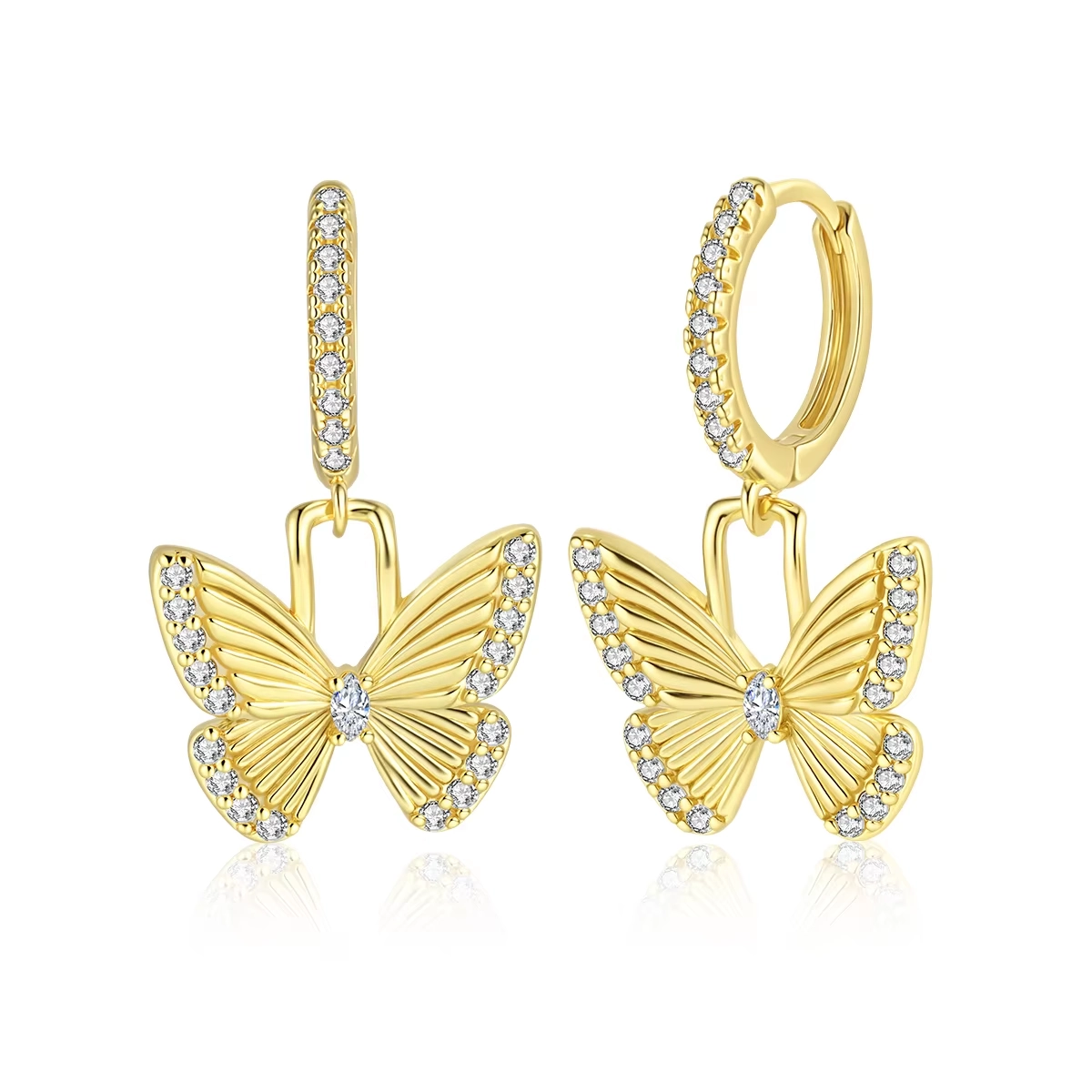
Brass Jewelry
Custom Butterfly Hoop Earrings with Cubic Zirconia | 18K Gold Plated Jewelry
Read More
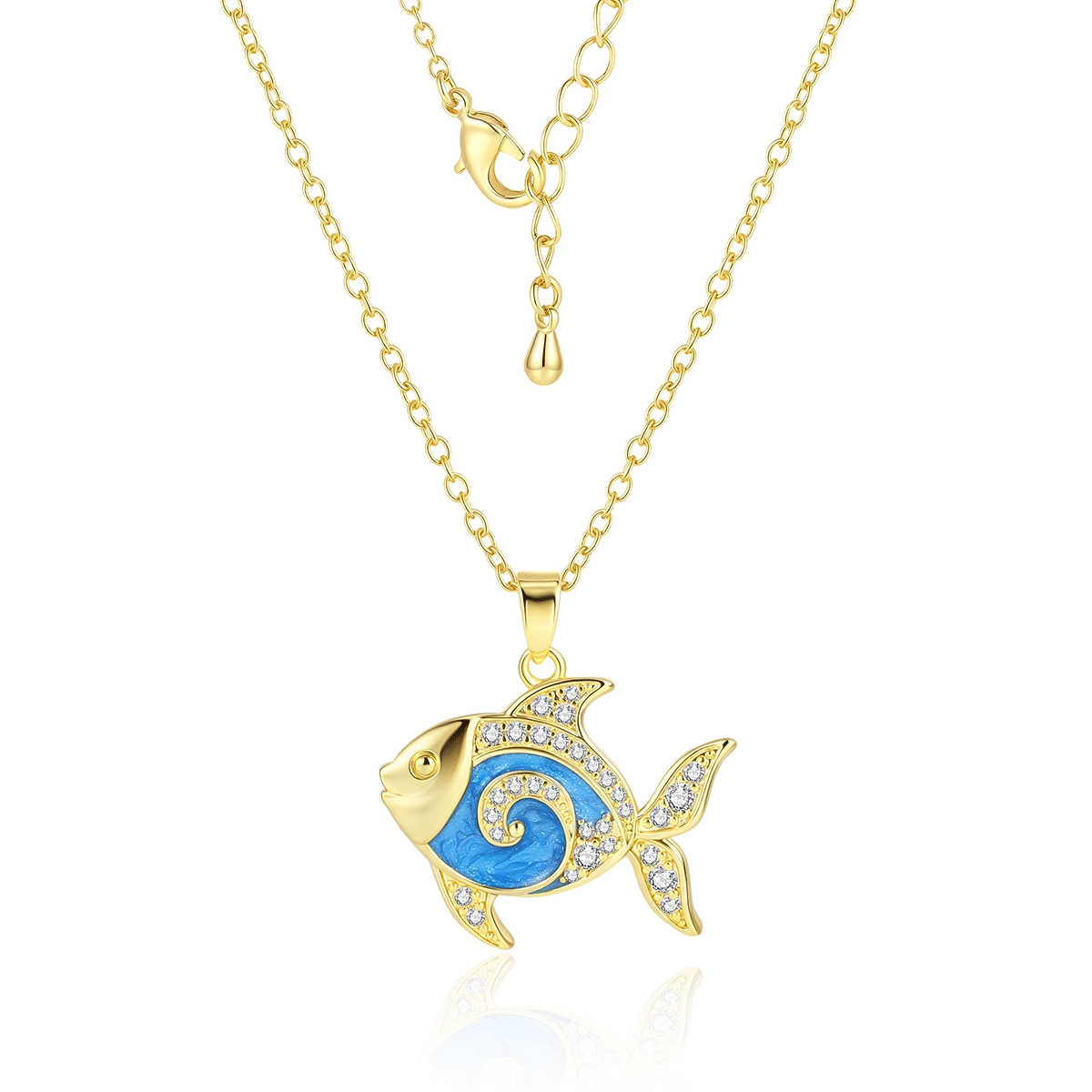
Brass Jewelry
OEM Fish Shaped Necklace with Blue Enamel craft & Cubic Zirconia | 18K Gold Plated Custom Jewelry
Read More

925 Silver Jewelry
Customizable High-Quality Fashion 925 Sterling Silver AAA Cubic Zirconia Heart-Shaped Open Tennis Bracelet.
Read More
Get a Quote for Private Label Jewelry
We provide personalized jewelry customization services for clients worldwide.
Rest assured that your privacy is important to us, and all information provided will be handled with the utmost confidentiality.
By clicking 'Send Inquiry Now' I agree to ZHEFAN JEWELRY processing my personal data.
To see how to withdraw your consent, how to control your personal data and how we process it, please see our Privacy Policy and Terms of use.
From design to production, ZHEFAN JEWELRY offers a one-stop solution to help you enhance your brand value and market competitiveness.
Get A Quote
Contact
Tel: (+86) 188 1927 7817
© 2026 Zhefan Jewelry. All Rights Reserved.
Facebook
Instagram
YouTube
Whatsapp: +8618819277817