






Email: sales3@zhefanjewelry.com
How to Launch Private Label Gold Vermeil Jewelry with an OEM Factory
A practical B2B guide to launching private label gold vermeil jewelry with an OEM factory, covering technical specifications, plating control, testing, MOQ planning, and production approval.
- How to Launch a Private Label Gold Vermeil Line with an OEM Factory
- Key Takeaways
- 1. Plan the Gold Vermeil Line and Its Launch Economics
- Position the Collection
- Balance SKU Variety with Plating-Batch Economics
- 2. Lock the Gold Vermeil Technical Specification Before Quotation
- Define Materials, Surface, and Construction
- Private Label Gold Vermeil Technical Specification Table
- 3. Validate the OEM Production Chain and Approve the Launch Batch
- Control the Silver-Base and Plating Handoff
- Gold Vermeil Defect Responsibility Map
- Approve the master sample, color, and production batch.
- 4. Clear Product Claims and Prepare the Collection for Launch
- Verify Claims and Test-Report Coverage
- 5. How Zhefan Jewelry Supports the Launch
- Project Review and Gold Vermeil Specification
- Relevant Zhefan 6P6Q and Production Coordination
- Conclusion
- FAQ
How to Launch a Private Label Gold Vermeil Line with an OEM Factory
Established brands face a practical trade-off when launching a private label gold vermeil jewelry line. They want to use a 925 sterling silver base and a thicker gold layer to support a premium retail position, while keeping the first production run controlled enough to test demand. At the same time, thick-gold electroplating involves minimum batch charges, component color matching, technical approvals, and production dependencies that do not apply in the same way to standard gold-plated jewelry.
This guide explains how mature buyers can plan the initial collection, lock the technical specification, manage the handoff between the silver manufacturer and the plating partner, and validate product claims before bulk production begins.
Key Takeaways
- A gold vermeil launch must control the complete build, from the sterling silver base and surface preparation to the approved gold color and plating thickness.
- The approved production standard should include a physical master sample, a sealed color reference, and written plating requirements.
- Launch planning must balance market testing with minimum plating-batch charges, SKU fragmentation, and component consistency.
1. Plan the Gold Vermeil Line and Its Launch Economics
Position the Collection
Before approaching an OEM partner, the brand should define the commercial role of the new line. It may be an upgrade to an existing sterling silver collection, a standalone demi-fine range, an evergreen core collection, or a limited seasonal capsule.
That decision affects more than branding. It helps determine whether the collection uses a 14K or 18K gold tone, whether a 2.5 μm plating target is appropriate for the project and target market, the intended silver weight, the grade of stones and findings, and the claims that will appear on product pages and packaging.
The launch range should also have a clear SKU structure. Some styles may be designed to drive volume, while others support a higher average order value or test a new retail price point. Treating every design as equally important usually creates unnecessary production complexity.
Balance SKU Variety with Plating-Batch Economics
Gold vermeil launches often create tension between market testing and plating-batch requirements. Brands may want limited opening quantities, but plating facilities may apply minimum batch charges or VAT minimums to maintain workable production efficiency and color consistency.
SKU variation can make that problem worse. Multiple ring sizes, chain lengths, stone colors, gold tones, and clasp options may divide the order into several small production groups.
- launching with one core gold color;
- grouping SKUs that use the same finish into the same production window;
- sharing chains, clasps, and findings across several designs;
- limiting stone-color variations in the first release;
- separating proven core designs from higher-risk test styles.
This approach allows the brand to test the market without allowing plating minimums and fragmented components to undermine the margin.
2. Lock the Gold Vermeil Technical Specification Before Quotation
Define Materials, Surface, and Construction
A specification that only states “925 silver with gold plating” is not sufficient for a professional launch.
The brand should define which components are covered by the material claim, including the main body, chain, clasp, earring post, jump ring, and other findings. It should also specify the approved 14K or 18K color, the required plating thickness, the solder and joint construction, the stone-setting sequence, and the final surface finish.
Surface preparation is especially important. Thick gold plating does not hide pinholes, black spots, rough solder joints, deep polishing marks, or casting defects. In many cases, it makes them more visible.
Product geometry also affects the plating result. Deep recesses, sharp corners, articulated parts, and stone-setting areas can receive different current densities from flat surfaces. These areas may require additional review when the brand defines thickness-measurement locations and acceptable visual standards.
Private Label Gold Vermeil Technical Specification Table
|
Technical Field |
Project Baseline |
What Must Be Confirmed |
Approval Evidence |
|
Base material |
925 sterling silver |
Whether the body, chain, clasp and post use the stated material |
BOM and material record |
|
Gold color |
14K or 18K reference |
Approved physical color, not only a digital image |
Master sample and sealed color reference |
|
Gold thickness |
2.5 μm project target where applicable |
Test location, component coverage and sampling method |
XRF or laboratory report |
|
Product dimensions |
Final CAD values |
Length, width, stone position and functional dimensions |
Approved CAD |
|
Target weight |
Project-specific numerical value |
Weight basis and approved project tolerance |
Approved sample and specification |
|
Solder and joints |
Approved project construction |
Solder type, joint position and surface finishing |
BOM and sample approval |
|
Findings |
Body, chain, clasp, post and jump ring listed separately |
Material, plating and color consistency |
Component list and approved samples |
|
Surface condition |
Approved visual standard |
Limits for black spots, pitting, rough solder and polishing marks |
Inspection record and photographs |
|
Quality process |
Relevant Zhefan 6P6Q checkpoints |
Pre-plating and post-plating control points |
Process and inspection records |
Note: Tolerances, test methods, sampling frequency, and acceptable color variation are confirmed according to the individual project.
3. Validate the OEM Production Chain and Approve the Launch Batch
Control the Silver-Base and Plating Handoff
Many OEM gold vermeil programs use separate specialists for sterling silver production and thick-gold electroplating. The silver manufacturer may handle casting, soldering, assembly, setting, and polishing, while a plating facility completes cleaning, activation, intermediate layers where applicable, and the final gold deposition.
Outsourcing the plating is not automatically a quality risk. The risk appears when the condition of the silver pieces before plating is not documented, when the plating partner changes without approval, or when the goods return without a structured re-inspection.
A post-plating QC gate should confirm the following:
- gold color against the approved reference;
- color consistency between the main body and findings;
- absence of visible blistering, peeling, dark joints, or silver show-through;
- stone security;
- surface condition after transport and handling;
- movement of clasps, hinges, and articulated parts.
Gold Vermeil Defect Responsibility Map
|
Defect |
Possible Upstream Cause |
Evidence to Review |
Responsible Review |
|
Blistering |
Substrate porosity, residue, activation or plating adhesion |
Pre-plating photos and batch record |
Factory and plating partner |
|
Silver show-through |
Thin localized coverage, sharp edges or abrasion |
Defect location and thickness evidence |
Plating and final QC |
|
Color mismatch |
Different batches, finishes or components |
Color reference and lot record |
Project owner and plating partner |
|
Dark solder area |
Solder alloy, joint cleaning or incomplete coverage |
Joint and surface inspection |
Factory and plating partner |
Approve the master sample, color, and production batch.
A gold vermeil launch should not be approved from product photographs alone. The production standard should combine:
- a physical master sample;
- a sealed 14K or 18K color reference;
- written material and plating specifications;
- approved chains, clasps, posts, and other findings;
- defined thickness-verification locations;
- approved packaging contact points.
The gold color may shift between plating vats, formulas, production dates, or underlying surface conditions. The sealed reference should therefore include both the main jewelry body and the relevant findings.
A pilot or pre-production batch is advisable when the project introduces a new plating partner, complex multi-component designs, strict color-matching requirements, or a high-value launch quantity.
Changes to the solder alloy, polishing sequence, underlayer system, plating facility, findings supplier, or approved material scope should trigger technical review and, where necessary, sample reapproval.
4. Clear Product Claims and Prepare the Collection for Launch
Verify Claims and Test-Report Coverage
Before product pages, packaging, or wholesale catalogs are finalized, the brand should verify that each claim is supported by evidence that matches the actual product and target market.
|
Claim |
Required Evidence |
Main Limitation |
|
Gold Vermeil |
Base material, gold fineness, thickness and component scope |
Must match the definition and disclosure requirements of the target market |
|
Nickel-Free |
Product- and component-specific evidence |
Not proven by the use of 925 sterling silver alone |
|
Hypoallergenic |
Carefully worded, market-specific support |
Cannot guarantee that no wearer will experience a reaction |
|
Tarnish-Resistant |
Defined test method, sample, conditions and result |
Does not mean permanent color retention |
A test report should identify:
- applicant and manufacturer;
- tested sample and model;
- material or component tested;
- applicable thickness, composition, release, or restricted-substance test method;
- testing date;
- measured values, detection status, or laboratory conclusion;
- report scope and limitations.
One report should not automatically be treated as evidence for every SKU, chain, clasp, color, or production batch.
5. How Zhefan Jewelry Supports the Launch
Project Review and Gold Vermeil Specification
Zhefan Jewelry works with established brands to translate approved designs into production specifications.
The project review may cover:
- product categories and SKU structure;
- 925 sterling silver main bodies and findings;
- target 14K or 18K gold color;
- plating scope and thickness requirements;
- product weight and construction;
- chains, clasps, posts, and stone-setting sequence;
- target-market documentation;
- sample and approval route.
Zhefan Jewelry also reviews which available documents may support each project claim and identifies when additional product- or market-specific testing is required.
Relevant Zhefan 6P6Q and Production Coordination
For applicable gold vermeil projects, Zhefan Jewelry applies relevant checkpoints from its proprietary 6P6Q Quality Process to surface preparation, stone-setting review, pre-plating inspection, and final post-plating QC.
Relevant checkpoints include:
- Machine grinding and polishing: addressing visible tool marks and surface irregularities.
- Secondary linen-wheel polishing: checking and treating visible pinholes, black spots, and pitting where possible.
- Detail polishing after stone setting: reviewing prongs, edges, and stone beds.
- Final pre-plating and post-plating inspection: confirming surface readiness before plating and checking color, stone security, scratches, and function after plating.
Typical project benchmarks are
- Sample development: approximately 7–10 days
- Bulk production: approximately 2–4 weeks
- International shipping: confirmed separately
Actual timing depends on design complexity, SKU quantity, stone setting, plating requirements, testing, packaging, and revision rounds. The final project schedule is confirmed with the Zhefan business team.
|
Request a 1-to-1 private label gold vermeil consultation. Share your design files or sample images, planned SKU count, target market, approved gold color, plating requirements, estimated quantity, and launch schedule. Zhefan Jewelry will review the 925 sterling silver construction, findings, plating scope, sample-approval route, testing requirements, and plating-batch planning before providing a project timeline and project-based quotation. REQUEST A 1-TO-1 CONSULTATION |
Conclusion
Launching a private label gold vermeil jewelry line requires more than choosing attractive designs. Brands must define the sterling silver construction, control the pre-plating surface, coordinate the silver manufacturer and plating partner, and approve a physical color and production standard before bulk manufacturing begins.
By consolidating plating batches, validating product claims, and preparing approval standards before launch, established brands can reduce first-order risk and create a more reliable foundation for future replenishment.
FAQ
How can linked CAD, weight, plating specifications and quotation versions prevent quote-to-production mismatches in a gold vermeil launch?
Mismatches occur when a CAD design is revised to change weight or geometry, but the silver and plating costs are not recalculated. The approved CAD, target weight, plating requirement—such as 2.5 μm where applicable—and quotation should therefore share one version reference. Any later change should trigger both a technical and commercial review before the production order is released.
How should brands verify metal-content claims for chains, clasps, posts and jump rings used in a gold vermeil collection?
The compliance status of a finished product is not determined by the main silver body alone. Chains, clasps, posts, jump rings, and other findings should be listed separately in the BOM and supported by component-specific records or testing. A change in the finding, supplier, or material should trigger renewed approval before bulk production.
When should XRF screening be followed by accredited-laboratory or wet-chemistry testing for gold vermeil jewelry?
XRF is useful for rapid thickness screening and internal process checks. Accredited-laboratory testing may be required when readings are close to an applicable limit, when complex geometry prevents a stable measurement, or when the target market requires a particular destructive, release, migration, or chemical method. XRF should not be treated as a substitute for every laboratory procedure.
What evidence should prove that corrective action is effective before the next gold vermeil bulk order?
A supplier simply stating a defect is “fixed” is insufficient. Effective Corrective and Preventive Action (CAPA) requires objective evidence before the next run. Buyers should demand documentation showing that the root cause was verified, process parameters (e.g., plating bath chemistry, polishing time) were actually modified, and that validation samples or subsequent production lots confirm the defect has not recurred. The record should include dates, responsible personnel, and verifiable inspection results.
When should a buyer issue a formal SCAR for a gold vermeil defect instead of handling it informally?
A Supplier Corrective Action Request (SCAR) is necessary when informal communication fails or when the defect introduces significant risk. Buyers should issue a formal SCAR if a critical specification (like plating thickness) fails, if a defect repeats across multiple batches, if the issue jeopardizes legal market claims (like nickel-free compliance), or if the supplier cannot identify a definitive root cause. A SCAR enforces formal deadlines, structured root-cause analysis, and strict criteria for closing the issue.
How can process data reveal gold-color, surface or plating drift before defects reach final inspection?
Teams can monitor intermediate indicators such as silver-base weight, rejection rates during pre-plating polishing, early color-reference comparisons, and thickness readings from representative samples. Agreed trigger points allow the factory to pause and review the process before an entire batch reaches final inspection with the same deviation.
When should a brand pause a gold vermeil launch because required compliance documents are missing?
A launch—or only the affected SKU—should be paused when missing documentation prevents lawful market entry or leaves a material product claim unsupported in the target market. Depending on the gap, the brand may need to delay marketing, shipment, or release of specific SKUs while compliant products proceed. Approval should resume only after traceable, product-specific documents have been reviewed and accepted.
How can a team distinguish a defective silver or component lot from an assembly, polishing or plating-process problem?
The team should isolate variables rather than relying on assumptions. It can compare material batch numbers, test replacement materials under the same process conditions, or run the same silver base through a controlled alternative plating sequence. A supplier change that appears to solve the problem does not, by itself, prove whether the original cause was porosity, contamination, polishing, solder, activation, or plating chemistry.
Recommended for you

What Is Gold Vermeil Jewelry? A Complete Guide for Brands and Retailers

Thick Gold Plated Jewelry Manufacturer for 925 Silver & Brass Jewelry

How to Choose a Gold Vermeil Jewelry Manufacturer

Gold Vermeil vs. Gold-Plated Jewelry: Which Fits Your Luxury Jewelry Brand?
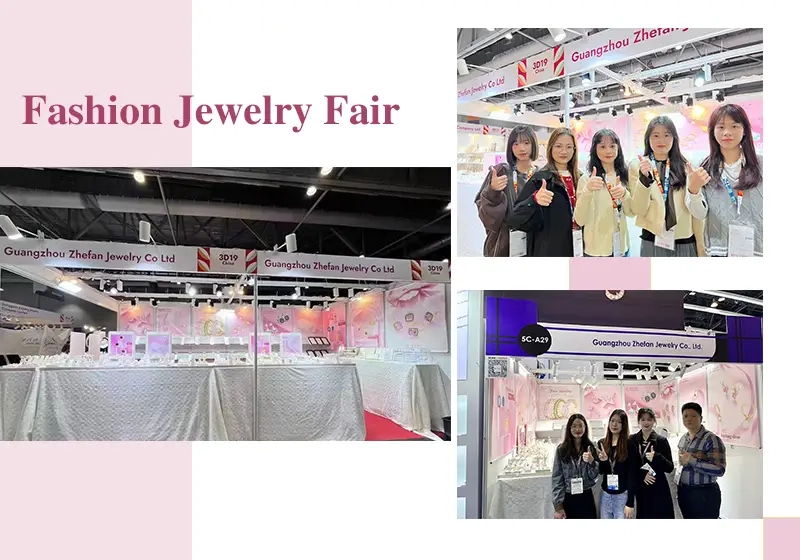
Zhefan Jewelry Will Attend Hong Kong Jewelry Fair
Product Categories
Discuss Your Ideas with a Professional Custom Jewelry Manufacturer
We provide personalized jewelry customization services for clients worldwide.
Rest assured that your privacy is important to us, and all information provided will be handled with the utmost confidentiality.
By clicking 'Send Inquiry Now' I agree to ZHEFAN JEWELRY processing my personal data.
To see how to withdraw your consent, how to control your personal data and how we process it, please see our Privacy Policy and Terms of use.
From design to production, ZHEFAN JEWELRY offers a one-stop solution to help you enhance your brand value and market competitiveness.
Get A Quote
Contact
Tel: (+86) 188 1927 7817
© 2026 Zhefan Jewelry. All Rights Reserved.
Facebook
Instagram
YouTube
Whatsapp: +8618819277817