






Email: sales3@zhefanjewelry.com
What Is Nickel Free Jewelry? Meaning, Benefits & Does It Tarnish? (Complete Guide 2026)
Nickel-free jewelry has become an essential choice for consumers and jewelry brands seeking safe, hypoallergenic, and regulation-compliant products. This comprehensive guide explains the true meaning of nickel-free jewelry, its benefits, and whether it tarnishes over time. It also explores the best materials for long-lasting wear, including titanium, gold, sterling silver, stainless steel, and nickel-free brass.
In addition, the article outlines key international regulations controlling nickel release—such as REACH, RoHS, CE, CPSIA, and California Proposition 65—helping businesses ensure compliance when entering global markets. Special emphasis is placed on Zhefanjewelry, a professional OEM & ODM manufacturer that provides lead-free and nickel-free jewelry, including high-quality brass pieces designed for durability, safety, and cost efficiency.
Whether you are a jewelry brand, wholesaler, or retailer, this guide offers valuable insights to help you select compliant materials, enhance customer trust, and expand your business with confidence.
- Nickel-Free Jewelry: Meaning, Tarnishing, and Compliance
- Why Nickel-Free Jewelry Matters
- What Is Nickel-Free Jewelry?
- Important Industry Insight
- Why Is Nickel Used in Jewelry?
- Is Nickel-Free Jewelry Hypoallergenic?
- Does Nickel-Free Jewelry Tarnish?
- Short Answer: Yes — It Depends on the Material
- Why Does Tarnishing Occur?
- Tarnish Resistance by Material
- Best Nickel-Free Jewelry Materials
- 1. Titanium
- 2. Platinum
- 3. Sterling Silver (925)
- 4. Gold (14K–24K)
- 5. Surgical Stainless Steel (316L)
- 6. Nickel-Free Brass (Zhefanjewelry Specialty)
- Does Nickel-Free Jewelry Turn Green?
- How to Prevent Tarnish
- How to Identify Real Nickel-Free Jewelry
- Key Tips for Buyers and Brands
- Why Nickel-Free Jewelry Is Important for Your Business
- For B2B Buyers
- For End Consumers
- What Regulations Control Nickel Release in Jewelry?
- Zhefan Jewelry: Certified Nickel-Free and Lead-Free Jewelry Manufacturer
- Our Compliance Advantages
- Why Choose Zhefan Jewelry?
- Benefits for Global Jewelry Brands
- Conclusion
- FAQ
Nickel-Free Jewelry: Meaning, Tarnishing, and Compliance
Why Nickel-Free Jewelry Matters
Nickel-free jewelry generally refers to jewelry made without intentionally added nickel or designed to comply with applicable nickel-release limits. For jewelry brands, wholesalers, retailers, distributors, and importers, nickel compliance is more than a product-labeling claim. It can affect market access, supplier qualification, product safety, and the risk of customer complaints or returns.
However, nickel-free jewelry is not necessarily tarnish-free. Tarnishing is mainly influenced by the base metal, plating thickness, surface protection, storage conditions, and exposure to moisture, cosmetics, or chemicals. Choosing the right materials and manufacturing process is therefore essential for both regulatory compliance and long-term product performance.
This guide explains what nickel-free jewelry means, whether it can tarnish, which materials are commonly used, and what buyers should check when reviewing nickel-release requirements. It also outlines how Zhefan Jewelry supports custom lead-free and nickel-free jewelry production for brands and wholesale buyers.
Additional Insight:
In addition to sterling silver and stainless steel, Zhefanjewelry also specializes in nickel-free brass jewelry, offering a cost-effective and design-flexible solution that meets modern safety and regulatory standards. This makes it an ideal choice for fashion jewelry brands seeking both affordability and compliance.
What Is Nickel-Free Jewelry?
"Nickel-free jewelry" refers to jewelry that contains no intentionally added nickel or releases extremely low levels of nickel, making it safe for individuals with sensitive skin.
Important Industry Insight
👉 “Nickel free” does not always mean 100% nickel-free.
Instead, it typically means that the nickel release is below the safety limits established by international regulations. Trace amounts may still exist due to alloy compositions or manufacturing processes, but they remain within safe thresholds.
Zhefan Jewelry Application:
Zhefan Jewelry ensures that all jewelry—including its brass collections—is produced using nickel-free and lead-free alloys, complying with international standards such as REACH, RoHS, and CE, making them suitable for prolonged skin contact.
Why Is Nickel Used in Jewelry?
Nickel has traditionally been used in jewelry manufacturing because it
- Improves hardness and durability
- Enhances shine and polish
- Reduces production costs
However, nickel is also
- A leading cause of allergic contact dermatitis
- Responsible for itching, redness, and skin irritation
This has led to increasing global demand for nickel-free and hypoallergenic jewelry.
Industry Note:
To address this demand, Zhefanjewelry utilizes nickel-free brass formulations, allowing brands to benefit from the versatility and affordability of brass while ensuring consumer safety.
Is Nickel-Free Jewelry Hypoallergenic?
While often used interchangeably, “nickel free” and “hypoallergenic” are not identical terms.
| Term | Meaning |
|---|---|
| Nickel-Free | Contains no intentionally added nickel or releases only trace amounts |
| Hypoallergenic | Designed to minimize the risk of allergic reactions |
⚠️ Note: Even nickel-free jewelry may cause reactions if it contains metals such as copper or zinc or if low-quality plating is used.
Zhefan Jewelry Advantage:
Through strict material selection and advanced plating technologies, Zhefanjewelry’s nickel-free brass jewelry significantly reduces the risk of skin irritation, making it a reliable hypoallergenic option for fashion jewelry collections.
Does Nickel-Free Jewelry Tarnish?
Short Answer: Yes — It Depends on the Material
Nickel-free jewelry can tarnish because tarnishing is caused by the oxidation of other metals, not by nickel itself.
Why Does Tarnishing Occur?
Common causes include:
- Moisture and sweat
- Air pollutants, especially sulfur
- Exposure to chemicals such as perfumes and lotions
Tarnish Resistance by Material
| Material | Tarnish Resistance | Notes |
|---|---|---|
| Titanium | ★★★★★ | Highly stable and hypoallergenic |
| Platinum | ★★★★★ | Premium metal with excellent durability |
| Solid Gold (18K+) | ★★★★☆ | Highly resistant to tarnish |
| Stainless Steel (316L) | ★★★★☆ | Durable with low nickel release |
| Sterling Silver (925) | ★★☆☆☆ | Tarnishes due to copper content |
| Brass/Copper | ★☆☆☆☆ | Tarnishes quickly |
Enhanced Performance with Zhefanjewelry Brass:
Although brass naturally contains copper and may tarnish over time, Zhefanjewelry’s nickel-free brass jewelry is treated with advanced electroplating and protective e-coating, significantly improving resistance to oxidation and discoloration. With proper care, these pieces maintain their shine and durability, making them ideal for fashion jewelry brands.
Best Nickel-Free Jewelry Materials
1. Titanium
- 100% hypoallergenic
- Lightweight and extremely durable
- Does not tarnish
2. Platinum
- Luxury metal with superior longevity
- Completely safe for sensitive skin
3. Sterling Silver (925)
- Popular and cost-effective
- Nickel-free but prone to tarnishing
4. Gold (14K–24K)
- Higher karat gold contains fewer alloy metals
- Offers excellent resistance to corrosion
5. Surgical Stainless Steel (316L)
- Releases very low levels of nickel
- Widely accepted as safe for most users
6. Nickel-Free Brass (Zhefanjewelry Specialty)
Brass is a popular material in fashion jewelry due to its affordability and excellent design flexibility. Zhefanjewelry utilizes certified nickel-free and lead-free brass alloys, ensuring compliance with international safety standards.
Key Benefits:
- Nickel-free and safe for sensitive skin
- REACH compliant for EU markets
- RoHS certified and environmentally responsible
- Enhanced durability with thick gold or rhodium plating
- Ideal for intricate and trendy designs
- Cost-effective for large-scale production
Does Nickel-Free Jewelry Turn Green?
Sometimes, but not always. Green discoloration is typically caused by copper reacting with sweat or by wearing low-quality plated jewelry. High-quality nickel-free jewelry with proper plating and finishing will maintain its appearance and resist discoloration.
Zhefan Jewelry Assurance:
Thanks to high-quality plating and protective coatings, Zhefanjewelry’s nickel-free brass jewelry minimizes the risk of skin discoloration, ensuring long-lasting wear and customer satisfaction.
How to Prevent Tarnish
To extend the lifespan of jewelry:
- Keep jewelry dry and avoid showering or swimming while wearing it
- Store pieces in airtight containers
- Avoid contact with perfumes and chemicals
- Clean regularly with an anti-tarnish cloth
These care tips are especially effective for maintaining the brilliance of nickel-free brass jewelry produced by Zhefanjewelry.
How to Identify Real Nickel-Free Jewelry
Key Tips for Buyers and Brands
- Request material composition reports
- Verify REACH compliance
- Avoid uncertified, low-cost plated jewelry
- Partner with reputable manufacturers
⚠️ Industry Insight: Some jewelry may only feature a nickel-free surface coating while containing nickel in the base metal. When the plating wears off, allergic reactions may occur.
Trusted Manufacturing:
Zhefanjewelry provides comprehensive certification and testing documentation for its nickel-free brass, sterling silver, and stainless steel jewelry, ensuring transparency and trust for global buyers.
Why Nickel-Free Jewelry Is Important for Your Business
For B2B Buyers
- Reduces customer complaints and product returns
- Ensures compliance with international regulations
- Enhances brand credibility
- Increases customer conversion rates
For End Consumers
- Safe for sensitive skin
- Comfortable for everyday wear
- Offers long-term durability
Business Advantage:
By offering nickel-free brass jewelry, Zhefanjewelry enables brands to balance cost efficiency and regulatory compliance, making it easier to scale fashion jewelry collections.
What Regulations Control Nickel Release in Jewelry?
(This section remains unchanged, with the understanding that Zhefanjewelry’s brass jewelry complies with all mentioned standards, including REACH, RoHS, and CE.)
Zhefan Jewelry: Certified Nickel-Free and Lead-Free Jewelry Manufacturer
Zhefanjewelry is a professional OEM & ODM jewelry manufacturer dedicated to producing safe, hypoallergenic, and internationally compliant jewelry.
Our Compliance Advantages
✅ Nickel-Free & Lead-Free
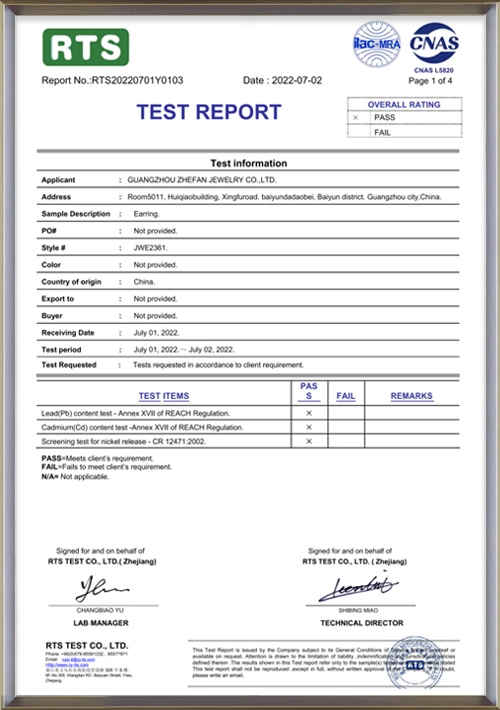
All products, including brass jewelry, are manufactured without harmful nickel or lead, ensuring safety for sensitive skin.
✅ REACH Compliance
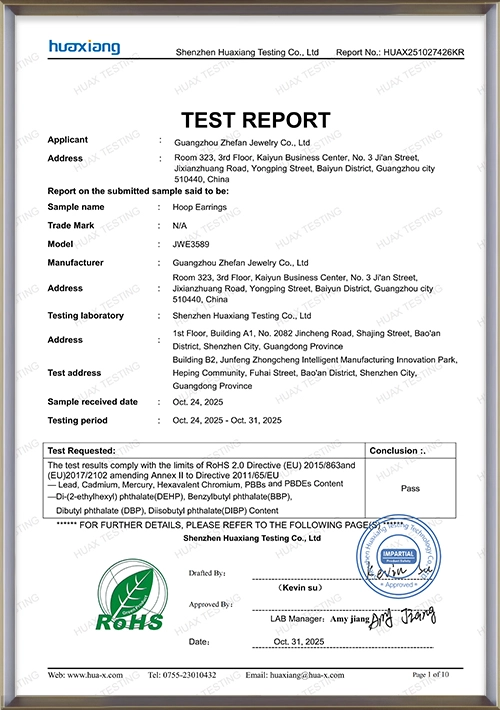
Our jewelry meets strict EU nickel release limits, enabling seamless entry into European markets.
✅ RoHS Certification
We restrict hazardous substances in all materials and plating processes.
✅ CE Certification
Demonstrates our commitment to quality, safety, and international standards.
Why Choose Zhefan Jewelry?
- 925 Sterling Silver & Nickel-Free Brass Jewelry Manufacturing
- OEM & ODM Custom Design Services
- Advanced Plating Technology for Anti-Tarnish Performance
- Strict Quality Control Systems
- Competitive Pricing with Fast Delivery
-
-
Benefits for Global Jewelry Brands
- Easy access to EU and U.S. markets
- Reduced compliance risks
- Enhanced brand credibility
- Assurance of safe and hypoallergenic products
Conclusion
Nickel-free jewelry has become a fundamental requirement in the global jewelry market. It not only protects consumers from allergic reactions but also ensures compliance with international regulations and enhances brand credibility.
Key Takeaways:
- Nickel-free does not mean tarnish-free.
- Material quality determines durability and longevity.
- Compliance with regulations such as REACH, RoHS, and CE is essential for global trade.
- Zhefanjewelry’s nickel-free brass jewelry provides a cost-effective, safe, and design-flexible solution for modern fashion jewelry brands.
By partnering with a trusted manufacturer like Zhefanjewelry, jewelry brands can confidently offer lead-free, nickel-free, and hypoallergenic jewelry that meets international standards and customer expectations.
FAQ
Is nickel-free jewelry completely safe?
Yes. Nickel-free jewelry is generally considered safe for most people, especially those with sensitive skin or nickel allergies. High-quality nickel-free jewelry is made without intentionally added nickel or is manufactured to release only trace amounts of nickel within internationally accepted safety limits. To ensure maximum safety, buyers should also look for lead-free jewelry that complies with regulations such as REACH and RoHS.
Can nickel-free jewelry rust or tarnish?
Yes. Whether nickel-free jewelry tarnishes depends on the base material rather than the absence of nickel. Sterling silver naturally develops a patina over time, while brass and copper alloys may oxidize if not properly protected. Materials such as titanium, platinum, and solid gold offer excellent corrosion resistance. High-quality plating and protective e-coating can also help extend the lifespan and appearance of nickel-free jewelry.
Is stainless steel nickel-free?
Not completely. Most stainless steel contains small amounts of nickel as part of its alloy composition. However, medical-grade 316L stainless steel releases extremely low levels of nickel and is considered safe for most people with mild nickel sensitivity. If a customer has severe nickel allergies, titanium or certified nickel-free jewelry may be a better option.
Can I shower with nickel-free jewelry?
It depends on the material. Yes, titanium, platinum, and solid gold jewelry can generally be worn while showering because they have excellent corrosion resistance. Not recommended: Sterling silver and gold-plated nickel-free jewelry should be removed before showering. Frequent exposure to water, soap, shampoo, and chemicals may accelerate tarnishing or gradually wear down the protective plating. Proper care helps maintain the appearance and durability of your jewelry for a longer time.
How long does nickel-free jewelry last?
The lifespan of nickel-free jewelry depends on the material, plating quality, and daily care. High-quality solid metal jewelry can last 1–5 years or much longer with proper maintenance. Gold-plated jewelry typically maintains its finish for 6–24 months, depending on plating thickness, wearing frequency, and environmental conditions. Choosing high-quality manufacturing processes and protective coatings can significantly improve durability.
Why do some "nickel-free" pieces still cause allergies?
Although nickel-free jewelry is designed to minimize allergic reactions, some people may still experience skin irritation. Possible reasons include worn plating that exposes the base metal, trace nickel released from low-quality alloys, or sensitivities to other metals such as copper, zinc, or cobalt. Selecting certified lead-free and nickel-free jewelry manufactured under strict quality control can greatly reduce the risk of allergic reactions.
What regulations control nickel release in jewelry?
Several international regulations govern the safety of nickel-free jewelry and lead-free jewelry. The EU REACH Regulation limits nickel release to 0.2 μg/cm²/week for pierced jewelry and 0.5 μg/cm²/week for jewelry intended for prolonged skin contact. In addition, regulations and standards such as RoHS, CE, CPSIA, and California Proposition 65 help ensure jewelry is free from hazardous substances, including lead and cadmium. Manufacturers that comply with these standards can provide safer products that meet the requirements of global markets, particularly in Europe and North America.
Is brass jewelry nickel-free and safe to wear?
Yes. Brass jewelry can be nickel-free jewelry when manufactured using certified nickel-free brass alloys. Reputable manufacturers also produce lead-free jewelry that complies with international regulations such as REACH and RoHS. At Zhefanjewelry, our brass jewelry is produced with certified nickel-free and lead-free materials. Combined with high-quality gold plating and protective e-coating, our products provide improved durability, corrosion resistance, and skin safety for global jewelry brands, wholesalers, and retailers.
Recommended for you
What Is Nickel-Free Jewelry? Is It Safe for Sensitive Skin?
Custom 925 Silver Jewelry Manufacturer Guide

Zhefan Jewelry Invites You to Attend the Hong Kong Jewellery Exhibition 2026
How to Choose a Reliable Jewelry Manufacturer in China | OEM & Custom Jewelry Guide
Does Brass Jewelry Tarnish? How to Prevent It?
Product Categories
Discuss Your Ideas with a Professional Custom Jewelry Manufacturer
We provide personalized jewelry customization services for clients worldwide.
Rest assured that your privacy is important to us, and all information provided will be handled with the utmost confidentiality.
By clicking 'Send Inquiry Now' I agree to ZHEFAN JEWELRY processing my personal data.
To see how to withdraw your consent, how to control your personal data and how we process it, please see our Privacy Policy and Terms of use.
From design to production, ZHEFAN JEWELRY offers a one-stop solution to help you enhance your brand value and market competitiveness.
Get A Quote
Contact
Tel: (+86) 188 1927 7817
© 2026 Zhefan Jewelry. All Rights Reserved.
Facebook
Instagram
YouTube
Whatsapp: +8618819277817