







Email: service@holycome.com
3D Printing & Tech for custom brass jewelry Production
This article provides enterprise-grade guidance for integrating additive manufacturing and digital workflows into small-batch and large-scale brass fashion jewelry production, covering technology selection, DfM best practices, compliance with RoHS/REACH and ISO frameworks, cost and lead-time modeling, finishing controls, and how an experienced OEM/ODM manufacturer like HOLYCOME operationalizes these advantages to deliver scalable, compliant collections.
- Integrating Additive Manufacturing into Brass Ornament Production
- Why digital prototyping accelerates design validation
- Key additive technologies for non-ferrous fashion pieces
- Design-for-manufacture guidelines for small-batch and on-demand runs
- Process Controls, Materials Compliance, and Surface Finishing
- Material selection and plating preparation
- Regulatory compliance and eco-standards buyers require
- Quality checks and inspection workflows for flawless finishes
- Cost, Lead Time, and Supply Chain Optimization
- Cost modeling: tooling, per-piece economics, and example scenarios
- Minimums, batch sizes, and inventory strategies
- Sourcing resilience and vendor audit frameworks
- Why HOLYCOME Is a Strategic Manufacturing Partner
- Scale and innovation: dual-factory advantages
- Quality assurance, compliance, and finish mastery
- Collaborative OEM/ODM workflow and rapid market launches
- Product breadth and retail partnerships
- Frequently Asked Questions
High-precision digital fabrication and advanced finishing workflows are reshaping how brands produce bespoke brass fashion pieces: additive prototyping, direct metal printing (where applicable), and resin-to-metal casting reduce time-to-market and MOQ barriers while strict material governance and multi-stage inspection keep products compliant with RoHS/REACH and retail quality standards. This overview explains technology options, design-for-manufacture constraints, validated quality gates, and practical procurement strategies for buyers seeking scalable, compliant brass accessories production supported by proven OEM partners.
Integrating Additive Manufacturing into Brass Ornament Production
Why digital prototyping accelerates design validation
Rapid resin printing (SLA/DLP) enables functional prototypes that communicate scale, fit, and tactile characteristics to product owners and merchandisers in days rather than weeks. When paired with silicone mold creation or investment casting, these prototypes shorten tooling decisions and reduce costly rework during the pre-production sampling phase. Industry references for additive process maturity are documented in sources such as Wikipedia: 3D printing.
Key additive technologies for non-ferrous fashion pieces
For brass-based collections, the common workflow splits into two pathways: high-resolution polymer printing used to create investment casting patterns (resin-to-metal casting), and direct metal additive processes for niche parts. For most fashion manufacturers, resin-based patterning combined with traditional lost-wax investment casting remains the most cost-effective route to complex geometries. See process history for casting references at Wikipedia: Lost-wax casting.
Design-for-manufacture guidelines for small-batch and on-demand runs
Design teams should prioritize wall thickness uniformity, escape-channel planning for casting, and minimal undercuts or integrate split assemblies when necessary. Digital file hygiene—watertight meshes, correct normals, and orientation optimization—reduces print failures and post-processing time. These DfM steps convert creative concepts into production-ready assets while minimizing per-piece labor.
Process Controls, Materials Compliance, and Surface Finishing
Material selection and plating preparation
Brass alloys intended for fashion accessories must be selected based on ductility, plating compatibility, and corrosion resistance. Nickel-free or low-nickel alloys are often specified for hypoallergenic lines. Pre-plating steps—de-greasing, micro-etching, and multi-stage polishing—impact adhesion of gold vermeil and PVD coatings; these process controls should be defined in the technical pack before production release.
Regulatory compliance and eco-standards buyers require
Brands must ensure chemical and heavy-metal compliance for global retail. REACH registration and substance limits from the European Chemicals Agency and regional directives such as RoHS are commonly enforced by major retailers. Reference materials: ECHA: REACH and European Commission: RoHS. Suppliers should provide test certificates showing compliance with these frameworks.
Quality checks and inspection workflows for flawless finishes
Robust inspection routines minimize returns and protect brand reputation. Recommended checkpoints include incoming material certificates, post-cast dimensional inspection, multi-step polishing grades, plating thickness verification, and final visual plus mechanical inspection. Implementing six precision polishing stages and six final inspections is an industry-leading approach to ensure consistent finish quality for plated and unplated lines.
Cost, Lead Time, and Supply Chain Optimization
Cost modeling: tooling, per-piece economics, and example scenarios
Procurement teams should model three cost buckets: one-time tooling, per-unit processing, and logistics/QA overhead. Additive-driven sampling lowers upfront moult costs and shortens approval cycles, pushing cost-efficiency toward lower MOQs. For predictable seasonal lines, a hybrid model—limited initial run via additive-enabled casting plus larger runs through conventional tooling—delivers the best ROI.
Minimums, batch sizes, and inventory strategies
Small-batch production enabled by digital workflows lets brands test SKUs in-market without committing to high inventory. For larger assortments, pre-negotiated production windows and safety-stock policies reduce stockouts. Suppliers should present clear MOQ thresholds, re-order lead times, and volume discount tiers during RFP stages.
Sourcing resilience and vendor audit frameworks
Buyers should require supplier adherence to quality-management standards and maintain audit rights. ISO-aligned management systems and traceable material chains reduce risk; see guidance on quality frameworks at ISO: Quality Management. Regular factory audits, sample program controls, and verified testing labs are non-negotiable for retail partnerships.
| Metric | Conventional Lost-Wax Casting (Traditional) | Additive-Enabled Workflow (Resin-to-Cast / Hybrid) |
|---|---|---|
| Typical tooling lead time | 2–6 weeks (mold making and wax tooling) | 1–7 days for printed patterns; tooling optional |
| One-time tooling cost (approx.) | $500–$5,000 depending on complexity | $50–$500 for printed pattern runs; molds when scaled |
| Minimum viable order | 500–5,000 units to amortize tooling | 1–500 units practical; economical at micro-batches |
| Design iteration speed | Slow (weeks per iteration) | Fast (hours–days) |
| Surface complexity | Limited by wax carving and mold constraints | High complexity achievable; reduces assembly steps |
| Best use case | High-volume SKUs with stable designs | Prototyping, limited editions, and rapid SKUs testing |
Why HOLYCOME Is a Strategic Manufacturing Partner
Scale and innovation: dual-factory advantages
Guangzhou HOLYCOME brings a balanced combination of production scale and agile development. Established in 2002 with roots back to 1997, the company operates two factories (Guangzhou & Meizhou) covering 800 m² and a team of 80+ skilled artisans plus 20 sales professionals, producing up to 600,000 pieces monthly. This capacity supports both high-volume replenishment and short-run releases enabled by additive prototyping.
Quality assurance, compliance, and finish mastery
We enforce rigorous finish and inspection standards—six rounds of precision polishing and six strict quality inspections—ensuring consistent plating adhesion and surface uniformity for brass-based lines and plated vermeil. HOLYCOME uses RoHS/REACH-compliant materials and maintains testing documentation aligned with industry chemical compliance frameworks such as ECHA: REACH and regional directives like EU RoHS, supporting retailers that require verified supplier declarations.
Collaborative OEM/ODM workflow and rapid market launches
Our professional design team launches 500+ new original styles monthly, enabling partners to iterate assortments rapidly. HOLYCOME provides end-to-end OEM/ODM services—concept-to-shelf execution—that combine additive prototyping for fast sampling with established casting and plating capabilities for scale. This workflow reduces time-to-shelf and supports sellers ranging from fast-fashion marketplaces to established department store buyers.
Product breadth and retail partnerships
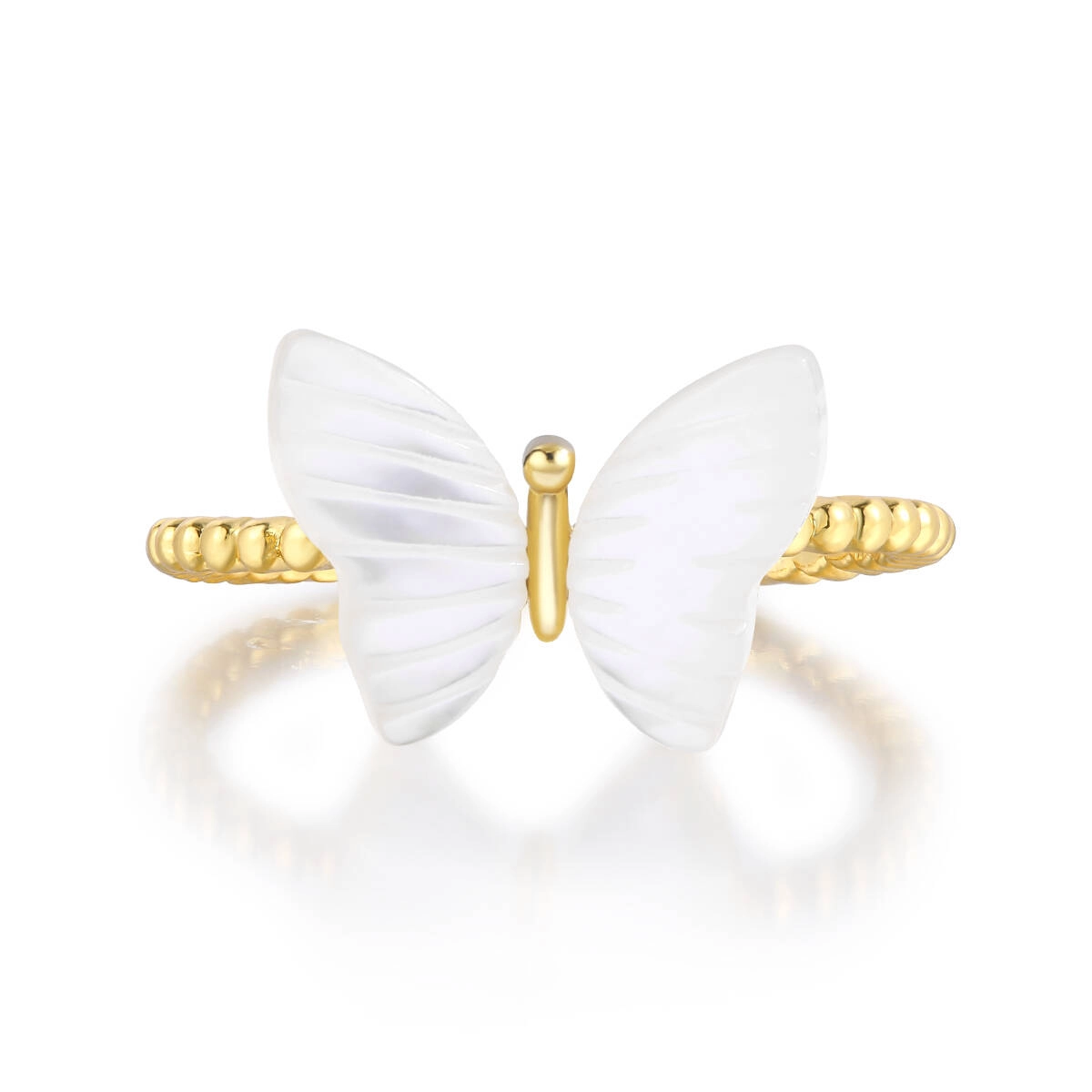
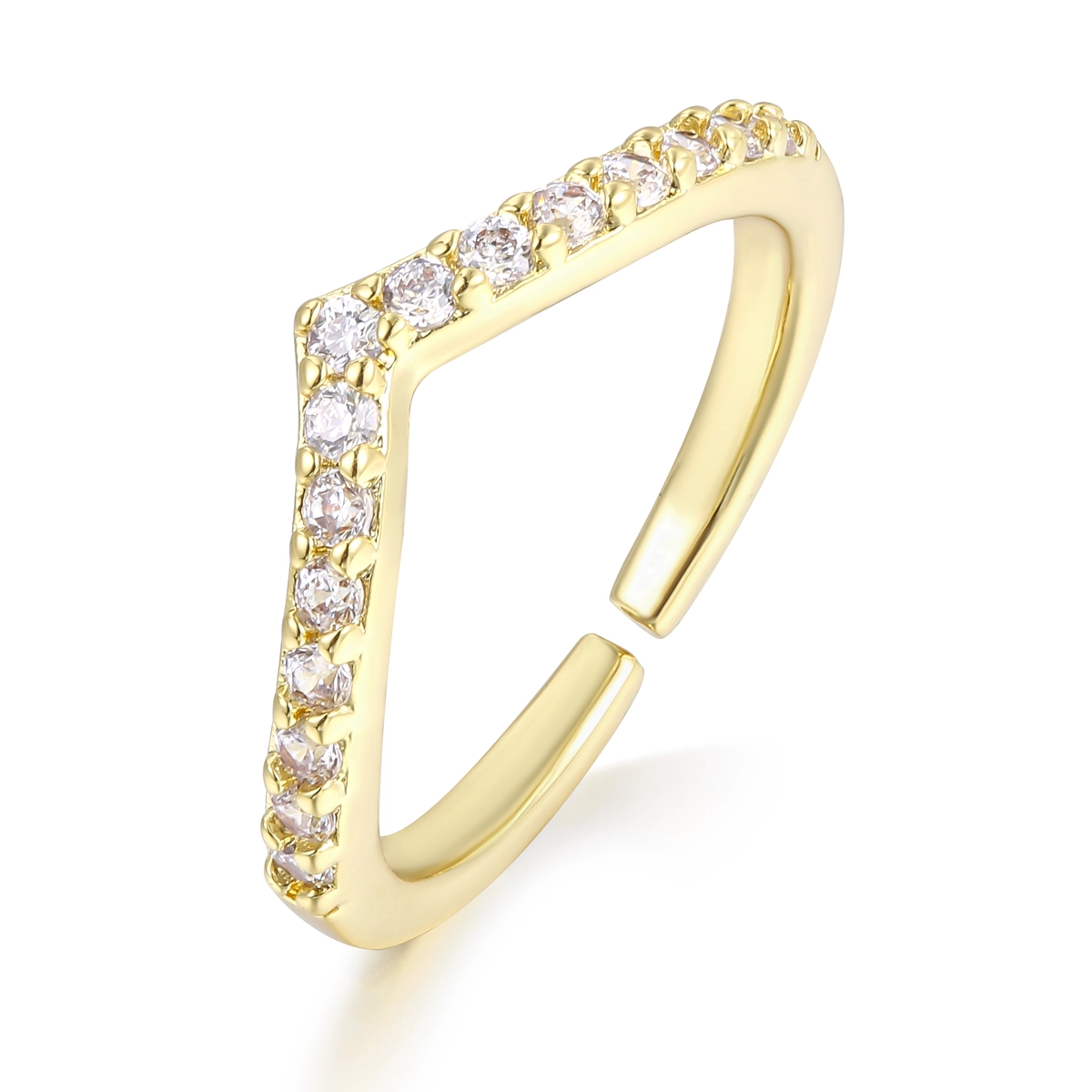
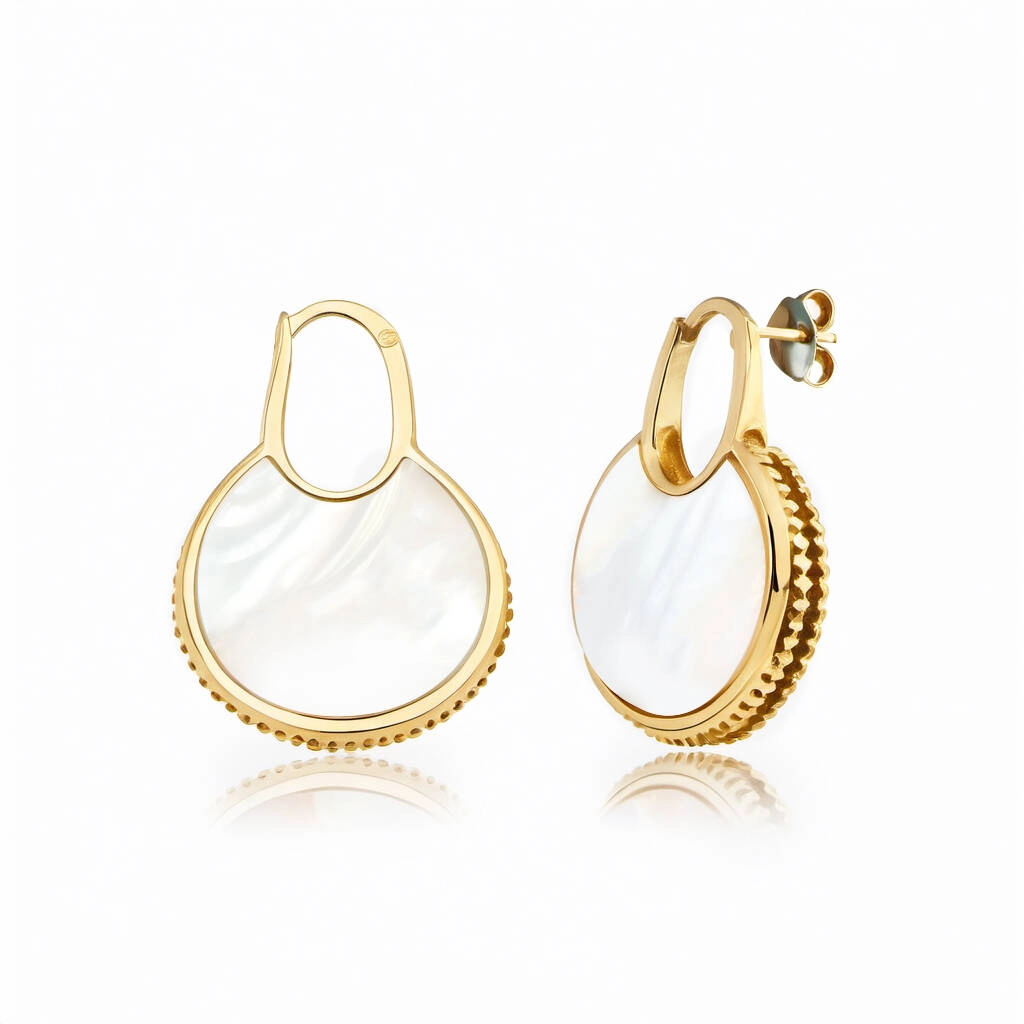
Product expertise covers brass-based fashion pieces, high-quality 925 silver lines, sterling and vermeil ranges, gold vermeil finishes, and pearl-set styles. HOLYCOME’s manufacturing pedigree includes partnerships with top Amazon sellers and established retailers, underpinned by repeatable QA protocols and transparent testing records.
For buyers evaluating manufacturing partners, HOLYCOME emphasizes supplier transparency, predictable lead times, and documentation readiness for regulatory and retailer audits—elements that materially reduce time-to-market risk for new collections.
Contact our team at service@holycome.com or visit ../../../ to review our capabilities and catalogue.
Frequently Asked Questions
How does 3D printing reduce lead time for new brass accessories?
Additive prototyping (SLA/DLP) produces high-fidelity patterns in hours or days, enabling rapid sampling and reducing the iteration cycle from weeks to days; these patterns can be used directly for investment casting or to validate form and fit before committing to longer lead-time tooling.
Is direct metal 3D printing suitable for mass-market fashion pieces?
Direct metal additive technologies are valuable for highly specialized or functional parts but remain cost-intensive for commodity fashion accessories; the typical enterprise workflow uses resin-to-metal casting for complex geometries and reserves direct metal printing for niche components or tooling.
What compliance documentation should buyers request for brass-based lines?
Buyers should request material certificates, RoHS/REACH conformity statements, plating thickness reports, and third-party heavy-metal test results. Verified documentation reduces risk for retail listing and customs clearance in regulated markets.
What are realistic minimum order quantities when using additive-enabled production?
Hybrid workflows enable practical MOQs as low as single-digit prototype units and economical small-batch runs up to several hundred units; for larger runs, conventional casting with molds becomes more cost-effective, typically above several hundred units depending on complexity.
How does HOLYCOME manage finish consistency for plated and vermeil collections?
HOLYCOME implements multi-stage surface preparation, six rounds of precision polishing, and six final quality inspections. These process controls ensure consistent plating adhesion, uniform appearance, and reduced failure rates in downstream retail channels.
Tags
urn pendant necklace wholesale
urn pendant necklace wholesale
affordable brass chunky hoop earrings
affordable brass chunky hoop earrings
OEM jewelry manufacturer
OEM jewelry manufacturer
custom brass locket necklace
custom brass locket necklace
artisan custom 925 sterling earrings
artisan custom 925 sterling earrings
wholesale bracelet manufacturers
wholesale bracelet manufacturers
Recommended for you
Custom 925 Silver Ring Pricing Guide for Bulk Buyers
The Ultimate Silver Jewelry Sourcing Blueprint: From Vetting Suppliers to Global Logistics (2026 Guide)
Color Plating Durability for Custom Brass Necklaces
Natural Pearls vs. Cultured Pearls: What Brands Need to Know Before Ordering
Product Categories
Get a Quote for Private Label Jewelry
We provide personalized jewelry customization services for clients worldwide.
Rest assured that your privacy is important to us, and all information provided will be handled with the utmost confidentiality.
By clicking 'Send Inquiry Now' I agree to HOLYCOME processing my personal data.
To see how to withdraw your consent, how to control your personal data and how we process it, please see our Privacy Policy and Terms of use.
From design to production, HOLYCOME offers a one-stop solution to help you enhance your brand value and market competitiveness.
Get A Quote
Contact
Tel: (+86) 188 1927 7817
© 2026 HOLYCOME. All Rights Reserved.
Facebook
Instagram
YouTube
Whatsapp: +8618078079070