







Email: sales3@zhefanjewelry.com
How to Build a Long-Term Partnership With a Reliable ODM Jewelry Manufacturer
A long-term partnership with a reliable ODM jewelry manufacturer depends on structured supplier qualification, transparent communication, documented quality controls, protected intellectual property, realistic production planning, and continuous improvement. Buyers should evaluate design capabilities, material traceability, sampling accuracy, compliance documentation, manufacturing capacity, packaging, logistics, and after-sales support before committing to recurring orders. A disciplined partnership model reduces quality risk, improves speed to market, protects brand value, and creates stronger commercial results across brass jewelry, sterling silver, gold vermeil, and pearl collections.
- Strategic Foundations for a Sustainable Jewelry Manufacturing Partnership
- Define the commercial and technical brief before supplier selection
- Evaluate capabilities instead of relying on price alone
- Use a balanced scorecard for supplier due diligence
- Operational Systems That Turn a Supplier Into a Strategic Partner
- Establish a documented product approval process
- Build a communication rhythm around measurable information
- Connect quality assurance with commercial outcomes
- Protecting Brand Value Through Materials, Compliance, and Risk Control
- Control material integrity and finish performance
- Secure intellectual property and confidential information
- Plan for disruption and continuity
- How Our Manufacturing Approach Supports Long-Term Jewelry Programs
- Integrated development for multiple jewelry categories
- Reliable execution through specifications and approval control
- Partnership value beyond the first purchase order
- Frequently Asked Questions
Building a durable relationship with an ODM jewelry manufacturer requires more than comparing unit prices. Brand owners, distributors, retailers, and private-label operators need a supplier that can translate commercial concepts into manufacturable designs, maintain consistent material and finish standards, protect confidential product information, and scale production without compromising delivery performance. The strongest partnerships are built through documented specifications, staged approvals, measurable quality indicators, responsible sourcing, and open communication. This guide explains how buyers can qualify a production partner, establish reliable operating procedures, manage risk, and develop a commercially valuable relationship across brass jewelry, 925 silver jewelry, sterling silver jewelry, gold vermeil jewelry, and pearl jewelry categories.
Strategic Foundations for a Sustainable Jewelry Manufacturing Partnership
Define the commercial and technical brief before supplier selection
A supplier search should begin with a precise product and business brief rather than a general request for a catalog. The brief should define target customers, price architecture, expected retail positioning, minimum order quantities, launch dates, product dimensions, plating requirements, stone or pearl specifications, packaging needs, and forecasted reorder volumes. For custom development, buyers should also document reference images, CAD files, tolerance requirements, logo placement, preferred findings, color references, and acceptable deviations.
Material language must be specific. Terms such as brass, sterling silver, 925 silver, gold plated, and gold vermeil can represent different commercial expectations unless their composition and finish requirements are written into the purchase specification. The U.S. Federal Trade Commission Jewelry Guides provide useful guidance on how precious-metal content and surface treatments should be represented in the market. Clear terminology reduces disputes over metal purity, plating thickness, base-metal exposure, and product labeling.
Evaluate capabilities instead of relying on price alone
A capable development partner should demonstrate competence across concept interpretation, technical drawing, prototyping, mold or tooling coordination, casting, stamping, polishing, stone or pearl setting, plating, assembly, inspection, and packaging. Buyers should ask which processes are performed in-house and which are outsourced. Outsourcing is not automatically a weakness, but undisclosed subcontracting can create problems with confidentiality, lead times, consistency, and accountability.
Supplier qualification should include a review of production equipment, engineering resources, quality personnel, sample rooms, storage conditions, and capacity allocation. A factory may produce attractive samples yet lack the planning systems needed for repeat orders. Buyers should therefore request evidence of production records, inspection reports, corrective-action procedures, and recent examples of products with comparable complexity.
Use a balanced scorecard for supplier due diligence
A weighted scorecard creates a more objective procurement decision. Typical categories include design and engineering capability, material control, sample accuracy, quality performance, delivery reliability, minimum order flexibility, compliance readiness, communication speed, financial stability, and total landed cost. Price should be one factor, not the deciding factor. A low quote can become expensive when it leads to plating failures, delayed launches, excess inspection, rejected goods, or urgent air freight.
| Evaluation area | What buyers should verify | Why it matters |
|---|---|---|
| Material control | Supplier declarations, purchase records, alloy specifications, and traceability procedures | Reduces composition, allergy, labeling, and consistency risks |
| Sample approval | Golden sample, signed specification sheet, finish references, and tolerance limits | Creates an objective production benchmark |
| Quality assurance | Incoming, in-process, and final inspection records with corrective-action tracking | Detects defects before shipment and supports continuous improvement |
| Capacity planning | Monthly output, peak-season planning, equipment availability, and labor allocation | Protects launch schedules and replenishment programs |
| Compliance readiness | Relevant test reports, restricted-substance controls, ethical sourcing policies, and documentation | Supports market access and protects brand reputation |
Operational Systems That Turn a Supplier Into a Strategic Partner
Establish a documented product approval process
Long-term cooperation depends on replacing informal approvals with controlled documentation. Each style should have a product specification sheet covering dimensions, weight range, metal composition, plating color, plating thickness where applicable, stone or pearl grade, clasp or chain details, logo placement, packaging, and inspection criteria. The approved pre-production sample should be identified, dated, photographed, and retained as the reference unit.
For complex collections, approval should be staged. The first stage confirms design interpretation and wearability. The second validates dimensions, construction, and surface treatment. The third confirms mass-production readiness. Changes after approval should be recorded through a revision process so that old drawings, obsolete color references, and superseded packaging instructions do not remain active in the production system.
Build a communication rhythm around measurable information
Effective communication is not simply frequent communication. A professional operating rhythm may include a weekly development update, a pre-production review, a production milestone report, and a shipment-readiness confirmation. Each update should identify completed actions, open decisions, responsible owners, risks, and required approval dates. This structure is especially valuable when design teams, sourcing offices, logistics providers, and sales channels operate across different time zones.
Buyers should also agree on escalation rules. A plating deviation, missing component, tooling issue, or capacity constraint should be reported when detected, not after the scheduled shipment date. Early visibility gives the commercial team time to revise a launch plan, approve a controlled alternative, or prioritize high-demand items. Suppliers that communicate bad news early are generally more valuable than suppliers that offer optimistic but unreliable updates.
Connect quality assurance with commercial outcomes
Quality control should cover more than visual appearance. Inspection plans can include dimensions, weight, clasp function, solder or connection strength, surface smoothness, plating uniformity, stone security, pearl matching, logo legibility, packaging accuracy, and barcode verification. Sampling levels should reflect product risk, order value, customer expectations, and the consequences of failure.
For export programs, buyers should determine which product safety and chemical requirements apply in each destination market. The ISO 9001 quality management standard offers a recognized framework for process control, documented procedures, corrective action, and continual improvement, although certification alone does not guarantee product quality. Buyers should review how the supplier applies its system to actual jewelry production rather than treating a certificate as a substitute for inspection.
Protecting Brand Value Through Materials, Compliance, and Risk Control
Control material integrity and finish performance
Material risk is one of the most common causes of customer complaints. Brass jewelry requires consistent base-metal composition, stable polishing, and controlled plating preparation. Sterling silver and 925 silver jewelry require reliable alloy control, clean soldering, and appropriate anti-tarnish packaging. Gold vermeil jewelry requires clear agreement on the sterling silver base and gold layer, including the applicable market definition and finish expectations. Pearl jewelry requires attention to matching, drilling, surface quality, secure attachment, and protection from abrasion during packing.
Testing should be proportionate to risk and destination. Depending on the market and product design, buyers may need testing or documentation related to nickel release, lead, cadmium, precious-metal claims, coatings, and restricted substances. The Responsible Jewellery Council Code of Practices is a useful reference for responsible business practices, human rights, environmental management, and supply-chain expectations. It should complement, rather than replace, product-specific testing and contractual requirements.
Secure intellectual property and confidential information
ODM development frequently involves original sketches, CAD files, molds, logos, packaging artwork, customer data, and unreleased collection plans. A written agreement should define ownership of commissioned designs, tooling, molds, modifications, samples, digital files, and production data. It should also restrict unauthorized photography, sample resale, disclosure to other customers, and use of proprietary designs after a project ends.
Confidentiality terms are most effective when supported by operational controls. Access to files should be limited to relevant personnel, sample labels should identify ownership, and production records should distinguish customer-specific tooling from general-purpose components. Buyers should verify whether subcontractors are bound by equivalent confidentiality obligations and whether the supplier can explain its process for protecting digital and physical assets.
Plan for disruption and continuity
A long-term program should include contingency planning for metal price changes, plating chemical shortages, labor constraints, machinery downtime, port delays, and seasonal demand peaks. Buyers can reduce exposure by approving alternative findings, identifying substitute packaging, maintaining realistic safety stock, and agreeing on a change-notification process. Dual sourcing may be appropriate for high-volume core components, while exclusive tooling and specialized techniques may justify a closer single-source relationship.
Commercial contracts should address lead times, inspection rights, nonconforming goods, rework, replacement, late delivery, payment milestones, tooling custody, and termination procedures. These provisions do not signal distrust; they create a predictable framework for resolving problems without damaging the broader relationship.
How Our Manufacturing Approach Supports Long-Term Jewelry Programs
Integrated development for multiple jewelry categories
Our team supports brand owners and distributors that need a consistent development pathway from concept review to production release. The manufacturing process is structured around design interpretation, sample refinement, material confirmation, finish approval, production coordination, and final inspection. This approach helps reduce the disconnect that can occur when design, engineering, sourcing, and quality decisions are handled by separate vendors.
Our product capabilities cover brass jewelry, 925 silver jewelry, sterling silver jewelry, gold vermeil jewelry, and pearl jewelry. This range allows buyers to build coordinated collections with different price points while maintaining a consistent visual language. A collection can combine accessible brass styles for volume retail, sterling silver or 925 silver pieces for elevated positioning, gold vermeil for High Quality presentation, and pearl designs for seasonal or occasion-led assortments.
Reliable execution through specifications and approval control
Our team emphasizes clear product specifications, controlled sample approvals, and production communication that keeps commercial stakeholders informed. For each program, buyers benefit from defining the approved reference sample, finish expectations, packaging details, and inspection requirements before bulk manufacturing begins. This foundation supports repeatability when a successful design moves from an initial order to replenishment, regional rollout, or an expanded colorway program.
Technical strength in jewelry manufacturing is measured by the ability to manage details consistently. Surface preparation, edge finishing, connection strength, plating appearance, pearl attachment, clasp function, and packaging protection all influence customer perception. Our process is designed to connect these details with the buyer’s intended price segment, launch schedule, and brand standards rather than treating them as isolated factory tasks.
Partnership value beyond the first purchase order
A productive supplier relationship should create benefits after the first shipment. Our team works with buyers to support repeat development, collection extension, material selection, packaging coordination, and production planning. This helps brands reduce avoidable rework, shorten decision cycles, and create a more dependable pipeline of commercially relevant styles.
Buyers evaluating our company should assess the same practical criteria used for any strategic supplier: sample fidelity, communication discipline, documentation quality, inspection transparency, lead-time performance, and responsiveness to corrective actions. When these factors align with product capability and commercial objectives, the relationship can evolve from transactional purchasing into structured product collaboration.
Responsible buyers should also maintain periodic business reviews. Reviewing defect trends, on-time delivery, sample approval time, forecast accuracy, claims, and new-product performance makes improvement measurable. A supplier that receives useful performance data can correct root causes, while the buyer gains a clearer basis for deciding which categories, volumes, and markets should be expanded.
Frequently Asked Questions
What should buyers evaluate before selecting an ODM jewelry supplier?
Buyers should evaluate design and engineering capability, material control, sample accuracy, quality systems, production capacity, compliance readiness, communication, financial stability, and total landed cost rather than relying on unit price alone.
How can a buyer prevent quality disputes during mass production?
The buyer should approve a dated golden sample and maintain a detailed product specification covering dimensions, weight, metal composition, plating color, finish, components, packaging, and inspection criteria. Any later change should follow a documented revision process.
What documentation is important for brass and silver jewelry programs?
Important documentation may include alloy specifications, supplier declarations, material traceability records, product specifications, inspection reports, restricted-substance test reports where required, and clear definitions for sterling silver, 925 silver, plating, and vermeil claims.
How should intellectual property be protected during ODM development?
A written agreement should define ownership of designs, CAD files, molds, tooling, samples, logos, packaging artwork, and production data. It should restrict unauthorized photography, disclosure, resale, and post-project use, while also covering relevant subcontractors.
Why is communication frequency important in a long-term manufacturing relationship?
A structured communication rhythm provides visibility into development status, production milestones, risks, approvals, and shipment readiness. Early reporting of problems gives buyers time to approve alternatives or adjust launch plans before delays become costly.
Can one jewelry supplier support different price segments?
A capable supplier may support multiple price segments by coordinating materials and finishes across brass jewelry, sterling silver, 925 silver, gold vermeil, and pearl products, provided specifications, quality expectations, and commercial positioning are clearly defined for each collection.
Tags
925 silver plating bracelet supplier
925 silver plating bracelet supplier
private label holiday jewelry
private label holiday jewelry
wholesale brass chain necklaces
wholesale brass chain necklaces
delicate 925 silver butterfly bracelet
delicate 925 silver butterfly bracelet
tennis bracelet cz
tennis bracelet cz
brass chunky hoop earrings trends
brass chunky hoop earrings trends
Recommended for you
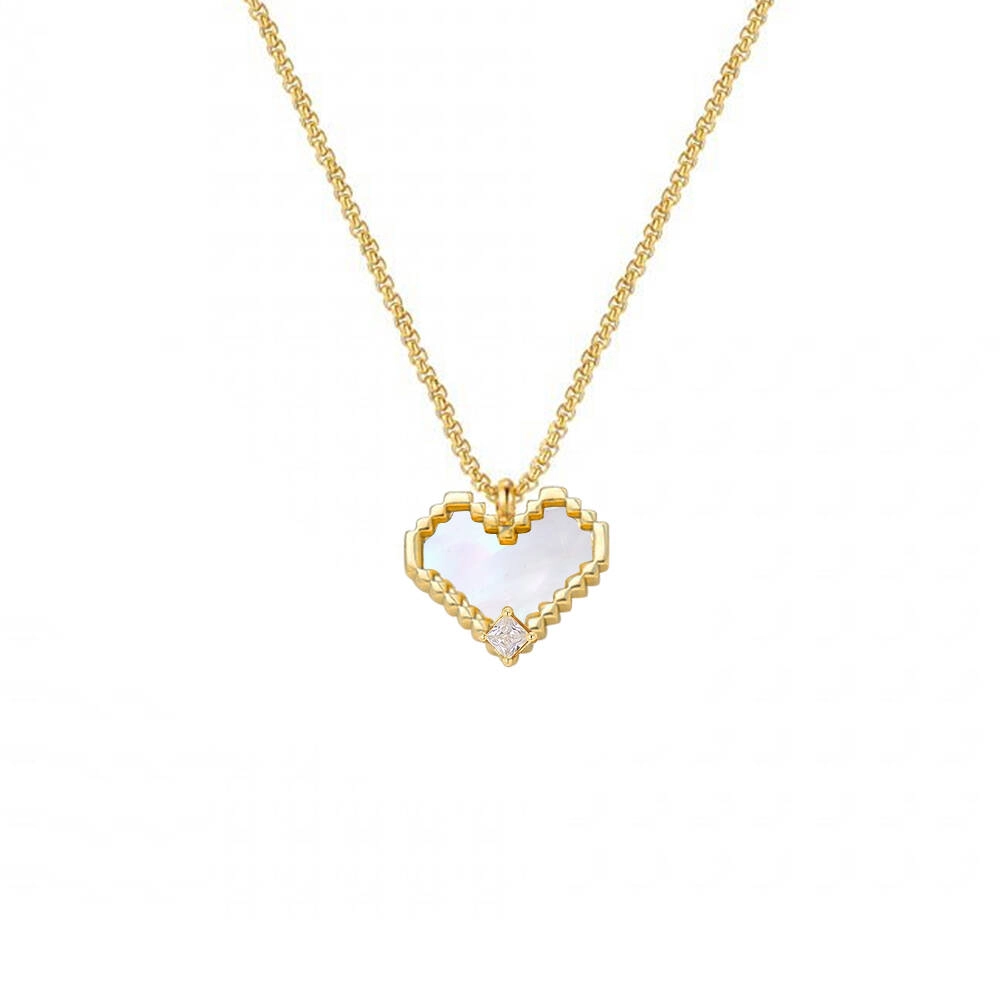
Mother of Pearl Heart Necklace with Zircon — Wholesale Jewelry OEM/ODM by Guangzhou Zhefan Jewelry
Wholesale 925 Sterling Silver Earrings: Buying Guide for Retailers

How to Source Eco-Friendly Silver Jewelry Wholesale: 7 Secrets to Triple Your Sustainable Margins in 2026
Quality Control Checklist for 925 Sterling Silver Bracelets
Product Categories
You may also like

925 Silver Jewelry
Customizable High-Quality Fashion 925 Sterling Silver AAA Cubic Zirconia Heart-Shaped Open Tennis Bracelet.
Read More

Brass Jewelry
Customizable OEM ODM High-Quality Fashion Brass AAA Cubic Zirconia Classic Tennis Bracelet for Women Wholesale.
Read More
Get a Quote for Private Label Jewelry
We provide personalized jewelry customization services for clients worldwide.
Rest assured that your privacy is important to us, and all information provided will be handled with the utmost confidentiality.
By clicking 'Send Inquiry Now' I agree to ZHEFAN JEWELRY processing my personal data.
To see how to withdraw your consent, how to control your personal data and how we process it, please see our Privacy Policy and Terms of use.
From design to production, ZHEFAN JEWELRY offers a one-stop solution to help you enhance your brand value and market competitiveness.
Get A Quote
Contact
Tel: (+86) 188 1927 7817
© 2026 Zhefan Jewelry. All Rights Reserved.
Facebook
Instagram
YouTube
Whatsapp: +8618819277817