







Email: sales3@zhefanjewelry.com
Care instructions for wholesale brass tennis bracelet products
A practical B2B care and handling guide for brass tennis bracelets covering tarnish prevention, moisture control, plating protection, warehouse procedures, packaging, quality inspection, and customer aftercare. The guide also explains how Zhefan Jewelry supports private-label brands with compliant materials, precision finishing, OEM/ODM development, and scalable production.
- Understanding Brass Tennis Bracelet Finish and Tarnish Risks
- Why brass changes appearance over time
- How plating and coatings affect maintenance
- Relevant compliance and material documentation
- Wholesale Care Procedures from Receiving to Retail
- Incoming inspection and quarantine
- Recommended storage conditions
- Retail handling and customer communication
- Reducing Returns Through Product and Packaging Controls
- What buyers should specify before production
- Packaging choices that protect visual quality
- Using quality data to improve future orders
- Zhefan Jewelry Manufacturing and Finish-Control Advantages
- Scalable production for private-label jewelry programs
- Process control for polished, consistent finishes
- OEM and ODM support for commercial growth
- Frequently Asked Questions
Wholesale brass tennis bracelet products require a documented care system from factory inspection through retail aftercare. Brass is a copper-zinc alloy that can naturally darken or develop surface oxidation when exposed to oxygen, humidity, perspiration, cosmetics, sulfur compounds, and household chemicals. For distributors, jewelry brands, and retail operators, the most effective approach combines appropriate plating or coating specifications, controlled storage, protective packaging, batch inspection, and clear consumer instructions. A reliable Custom Jewelry Manufacturer should help buyers define the finish, test requirements, packaging method, and care communication before mass production rather than treating tarnish prevention as a post-sale issue.
Understanding Brass Tennis Bracelet Finish and Tarnish Risks
Why brass changes appearance over time
Brass contains copper and zinc, and its surface can react with moisture and atmospheric contaminants. This reaction may create a darker, duller, or uneven appearance commonly described as tarnishing. The process does not automatically indicate a manufacturing defect. The speed of change depends on alloy composition, surface preparation, plating thickness, coating chemistry, storage humidity, handling frequency, and the wearer’s skin chemistry. The general composition and properties of brass are described by Wikipedia’s brass reference, while commercial specifications should always be confirmed through the supplier’s material documentation.
For a crystal tennis design, surface uniformity is especially important because numerous linked settings reflect light across the entire bracelet. Any difference in polish, plating tone, or residue can become visible as a discontinuous line. Buyers should therefore evaluate not only the base metal but also the quality of polishing, cleaning, plating adhesion, stone setting, clasp function, and final inspection.
How plating and coatings affect maintenance
Unplated brass generally requires more frequent cleaning and develops a warmer, more aged appearance with use. Gold-tone, silver-tone, rhodium-tone, or other plated finishes create a barrier between the alloy and the environment, but that barrier is not indestructible. Abrasive polishing, friction against hard surfaces, chlorine, acidic cosmetics, and repeated exposure to water can gradually reduce the visual consistency of a plated finish.
Buyers should request the complete finish specification, including base metal, plating material, coating type, color standard, protective layer, testing method, and any stated thickness or tolerance. A supplier should not promise unlimited wear resistance because performance depends on use conditions. Clear language such as “keep dry, remove before bathing, and avoid chemicals” is more commercially responsible than an absolute claim of permanent color retention.
Relevant compliance and material documentation
Material safety is separate from appearance retention. For products sold across multiple markets, procurement teams should ask for documentation related to restricted substances, plating chemistry, nickel release where applicable, and production traceability. The European Union’s REACH Regulation addresses the registration, evaluation, authorization, and restriction of chemicals, while the EU RoHS Directive restricts certain hazardous substances in electrical and electronic equipment; RoHS relevance should be assessed according to the product and market rather than assumed for every fashion accessory. Buyers should retain supplier declarations and laboratory reports that match the actual production material and finish.
Wholesale Care Procedures from Receiving to Retail
Incoming inspection and quarantine
When a shipment arrives, warehouse teams should inspect cartons for water exposure, crushed packaging, unusual odor, loose components, and signs of surface discoloration. Products with condensation or visible residue should be separated from unaffected inventory. Opening every carton may not be necessary for a large shipment, but the sampling plan should be defined in advance and should include different cartons, production dates, colors, and size variants.
Inspection records should include purchase order number, supplier batch, quantity checked, clasp operation, stone security, plating appearance, surface marks, and packaging condition. Photographs taken under consistent neutral lighting can help distinguish a genuine finish problem from a camera white-balance issue. If discoloration is concentrated in one carton or inner bag, the pattern may indicate a packaging or humidity event rather than a broad alloy problem.
Recommended storage conditions
Store brass-link bracelet inventory in a clean, dry, temperature-stable environment away from direct sunlight, chemical products, printers, treated wood, rubber, and open cardboard dust. Individual polybags, soft pouches, anti-tarnish paper, or suitable inserts can reduce contact with air and friction. Packaging materials must be tested for compatibility because some adhesives, inks, foams, and recycled papers may transfer residues or sulfur-containing compounds.
Do not place finished pieces in unlined bulk bins where chains and crystal settings rub against one another. Segmented trays or individual compartments reduce abrasion and make stock counting easier. First-in, first-out rotation is useful for seasonal inventory, particularly when products remain in a warehouse for many months before reaching the consumer.
Retail handling and customer communication
Retail staff should handle plated brass pieces with clean, dry gloves or freshly washed hands. The bracelet should be displayed away from steam, open windows, high-touch testers, and direct contact with perfume samples. A simple care card can state that the wearer should apply cosmetics before putting on the bracelet, allow lotions to dry, remove the item before swimming or showering, and wipe it with a soft dry cloth after use.
For light surface dust, a clean microfiber cloth is normally safer than a polishing compound. Aggressive silver dips, abrasive pastes, stiff brushes, ultrasonic cleaning, and household chemicals can damage plating, loosen stones, cloud crystal surfaces, or affect the clasp. A brand should provide a repair or replacement policy for structural issues and should avoid instructing consumers to use an untested chemical cleaner.
| Care activity | Recommended business practice | Common risk if ignored | Operational owner |
|---|---|---|---|
| Receiving inspection | Sample cartons and document finish, clasp, stones, and packaging | Defects enter sellable inventory | Quality and warehouse teams |
| Storage | Use individual protection, dry shelving, and FIFO rotation | Tarnish, abrasion, and packaging transfer | Warehouse operator |
| Retail display | Limit handling and keep products away from moisture and chemicals | Premature dulling or visible fingerprints | Retail team |
| Consumer care | Provide concise dry-storage and chemical-avoidance instructions | Returns caused by preventable wear | Brand and customer service |
| Cleaning | Use a soft dry cloth unless the supplier approves another method | Plating loss or stone damage | Consumer or service center |
This comparison is a practical control framework, not a substitute for the manufacturer’s finish specification. The correct cleaning method can differ between bare brass, electroplated brass, lacquered brass, gold vermeil, and sterling silver. Product pages, packaging inserts, and staff training should use the care instructions validated for the exact SKU.
Reducing Returns Through Product and Packaging Controls
What buyers should specify before production
A purchase order should identify the bracelet length, extension chain, clasp type, stone setting, base metal, plating color, coating requirements, logo placement, packaging format, and acceptance criteria. Color samples should be approved under consistent lighting, and a sealed reference sample should be retained for later comparison. For private-label collections, the brand should also define whether minor natural aging is acceptable or whether a bright, uniform appearance is required throughout the intended sales period.
Pre-production samples should be checked for articulation, edge smoothness, stone alignment, clasp security, and contact comfort. A practical wear simulation can include repeated opening and closing, controlled rubbing against fabric, exposure to artificial perspiration solutions where appropriate, and short-term humidity testing. These tests do not predict every consumer environment, but they can reveal weak plating adhesion, sharp edges, poor clasp tolerances, or packaging incompatibility before a large order is released.
Packaging choices that protect visual quality
Individual bags or pouches should prevent metal-to-metal contact while leaving enough space to avoid bending the tennis line. For long-distance shipping, the inner package should be secured so that bracelets do not move freely inside the carton. Silica gel may help reduce moisture in a sealed outer package, but it should not be treated as a complete anti-tarnish solution. Anti-tarnish papers or tabs should be selected for jewelry use and validated with the specific plating system.
Packaging copy should be concise and commercially clear. A useful instruction set includes: keep the piece dry; remove it before bathing, swimming, or exercising; apply fragrance and lotion before wearing; avoid chlorine, bleach, and strong cleaners; wipe gently after use; and store separately in a dry pouch. Customer service teams should also explain that skin chemistry and local humidity can affect color change, while structural breakage or premature finish failure should be assessed against the agreed warranty terms.
Using quality data to improve future orders
Return reasons should be categorized instead of recorded only as “quality issue.” Useful categories include tarnish, plating wear, stone loss, clasp failure, size mismatch, allergic reaction, packaging damage, and customer misuse. Monthly review of these categories helps a brand identify whether the main issue is product design, supplier process control, packaging, product education, or channel handling.
A supplier corrective action should identify the affected lot, probable cause, containment action, verification method, and prevention step. This approach creates a traceable improvement cycle and supports better forecasting of replacement units. It also gives procurement teams stronger evidence when comparing a low unit price with the total cost of returns, customer service, repacking, and lost repeat sales.
Zhefan Jewelry Manufacturing and Finish-Control Advantages
Scalable production for private-label jewelry programs
At Zhefan Jewelry, we combine long-term manufacturing knowledge with the flexible development requirements of international fashion brands. Guangzhou Zhefan Jewelry was established in 2002, with a legacy dating back to 1997, and was founded by a master mold craftsman whose technical discipline continues to influence our production standards. We specialize in brass jewelry, 925 silver jewelry, sterling silver jewelry, gold vermeil jewelry, and pearl jewelry for OEM and ODM programs.
Our two factories in Guangzhou and Meizhou cover 800 square meters. More than 80 skilled artisans and 20 sales professionals support monthly output of approximately 600,000 pieces, giving distributors and multi-channel retailers a practical path from approved sample to repeat production. Our professional design team launches more than 500 original styles each month, helping brand owners refresh tennis bracelet collections and related jewelry lines without depending only on generic catalog designs.
Process control for polished, consistent finishes
Our manufacturing process includes six rounds of precision polishing and six strict quality inspections. These controls are important for linked stone bracelets because surface preparation affects plating appearance, edge comfort, light reflection, and the consistency of the final product. Quality checks can be aligned with the buyer’s approved sample, packaging standard, inspection plan, and market requirements.
We use RoHS- and REACH-compliant eco-friendly materials where applicable to the product and destination-market requirements, supported by documentation appropriate to the order. Buyers should still confirm the exact test scope, material declaration, and applicable regulation for each SKU. This documentation-led approach helps brands build responsible product files rather than relying on unsupported marketing claims.
OEM and ODM support for commercial growth
Our team supports design refinement, mold development, sample review, material selection, surface finishing, private labeling, packaging coordination, and production scheduling. Experience serving top Amazon sellers and global retailers such as Macy’s has strengthened our understanding of repeatability, presentation standards, delivery planning, and the commercial impact of inconsistent quality.
For a brass crystal bracelet collection, our objective is not simply to manufacture a visually attractive sample. We help project owners establish specifications that can be reproduced at scale, protected in transit, and explained clearly to end customers. The same development capability extends to broader brass jewelry collections, 925 silver jewelry, sterling silver jewelry, gold vermeil jewelry, and pearl jewelry, allowing one manufacturing partner to support coordinated seasonal launches.
By combining skilled craftsmanship, production capacity, finish inspection, compliant material planning, rapid style development, and dedicated service, Zhefan Jewelry helps brands reduce avoidable returns while improving collection consistency and market responsiveness. Buyers can review capabilities and product options at zhefanjewelry.com or contact sales3@zhefanjewelry.com for a product specification and OEM/ODM discussion.
Contact Zhefan Jewelry to develop a durable, well-documented bracelet collection and explore matching brass, sterling silver, gold vermeil, 925 silver, and pearl jewelry products.
Frequently Asked Questions
How should brass tennis bracelets be stored in a warehouse?
Store them in a clean, dry, temperature-stable environment away from sunlight, chemicals, rubber, treated wood, and open cardboard dust. Individual polybags, soft pouches, anti-tarnish paper, or suitable inserts can reduce air exposure and friction, while segmented trays help prevent metal-to-metal contact.
Can plated brass bracelets be cleaned with silver polish or jewelry dip?
Aggressive silver dips, abrasive pastes, stiff brushes, and household chemicals can damage plating, loosen stones, cloud crystal surfaces, or affect the clasp. For light surface dust, a clean microfiber cloth is normally safer unless the supplier has validated another cleaning method for the exact finish.
What care instructions should brands print on a jewelry card?
A useful instruction set tells customers to keep the piece dry, remove it before bathing, swimming, or exercising, apply fragrance and lotion before wearing, avoid chlorine, bleach, and strong cleaners, wipe gently after use, and store it separately in a dry pouch.
What should buyers inspect when receiving a bulk bracelet shipment?
Warehouse teams should inspect cartons for water exposure, crushed packaging, unusual odor, loose components, and surface discoloration. Sampling should cover different cartons, production dates, colors, and size variants, with records for clasp operation, stone security, plating appearance, surface marks, and packaging condition.
What information should be included in a wholesale order specification?
The purchase order should identify bracelet length, extension chain, clasp type, stone setting, base metal, plating color, coating requirements, logo placement, packaging format, and acceptance criteria. Buyers should also approve a color reference sample and define whether minor natural aging is acceptable during the intended sales period.
Does Zhefan Jewelry provide OEM and ODM support for brass bracelets?
Yes. Zhefan Jewelry supports design refinement, mold development, sample review, material selection, surface finishing, private labeling, packaging coordination, and production scheduling for OEM and ODM programs. The company also produces brass jewelry, 925 silver jewelry, sterling silver jewelry, gold vermeil jewelry, and pearl jewelry.
Tags
custom brass earrings for boutiques
custom brass earrings for boutiques
bulk 925 silver bracelets supplier
bulk 925 silver bracelets supplier
plated brass earring manufacturer
plated brass earring manufacturer
custom brass necklaces manufacturer
custom brass necklaces manufacturer
925 sterling silver hoop earrings
925 sterling silver hoop earrings
Mother of pearl earrings
Mother of pearl earrings
Recommended for you
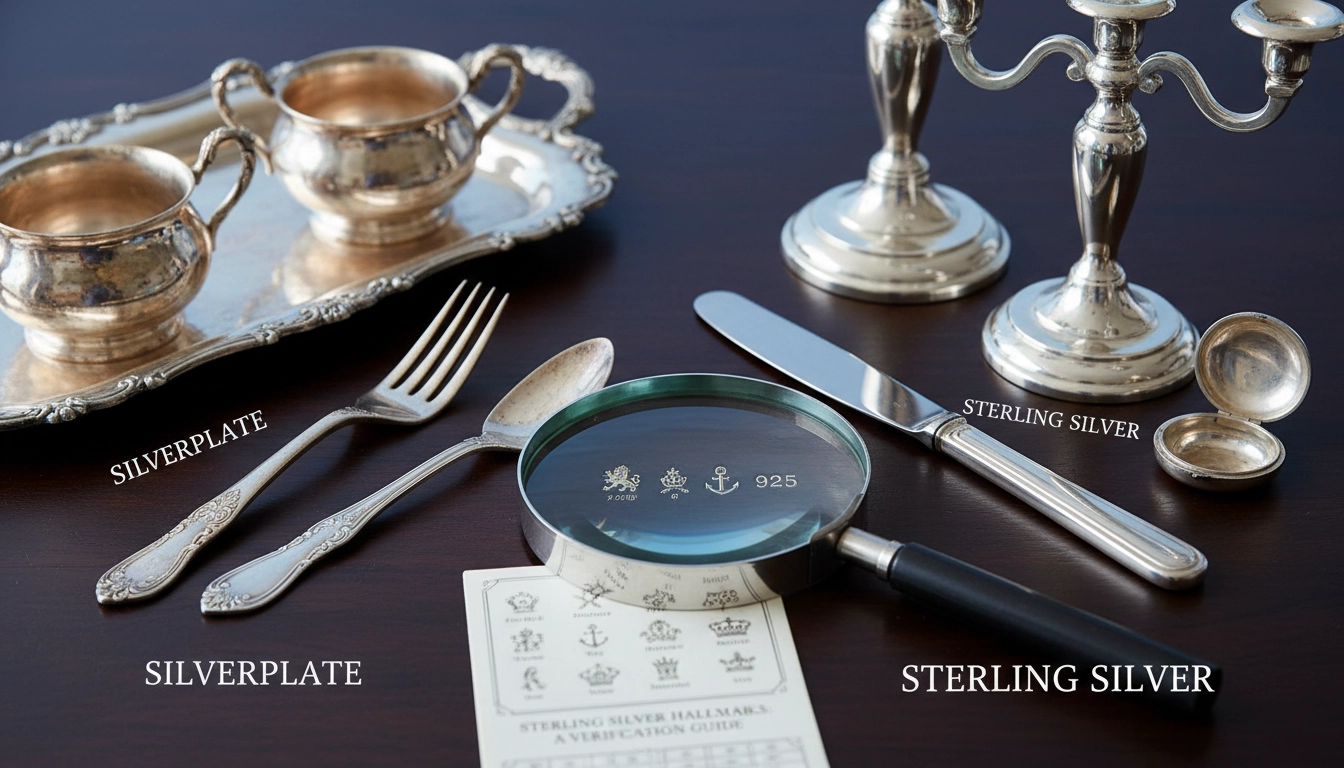
Beyond the Stamp: How to Verify Rare and Antique Sterling Silver Hallmarks Without an Expert
After-Sales Policies and Warranties for Tennis Jewellery
How to Source Nickel-Free Brass Jewelry for Retail Brands
Quality Control Checklist for 925 Sterling Silver Bracelets
Product Categories
You may also like

925 Silver Jewelry
Customizable High-Quality Fashion 925 Sterling Silver AAA Cubic Zirconia Heart-Shaped Open Tennis Bracelet.
Read More

Brass Jewelry
Customizable OEM ODM High-Quality Fashion Brass AAA Cubic Zirconia Classic Tennis Bracelet for Women Wholesale.
Read More
Get a Quote for Private Label Jewelry
We provide personalized jewelry customization services for clients worldwide.
Rest assured that your privacy is important to us, and all information provided will be handled with the utmost confidentiality.
By clicking 'Send Inquiry Now' I agree to ZHEFAN JEWELRY processing my personal data.
To see how to withdraw your consent, how to control your personal data and how we process it, please see our Privacy Policy and Terms of use.
From design to production, ZHEFAN JEWELRY offers a one-stop solution to help you enhance your brand value and market competitiveness.
Get A Quote
Contact
Tel: (+86) 188 1927 7817
© 2026 Zhefan Jewelry. All Rights Reserved.
Facebook
Instagram
YouTube
Whatsapp: +8618819277817