







Email: sales3@zhefanjewelry.com
A Step-by-Step Guide to Custom Pearl Jewelry Manufacturing
A practical guide for brand owners, distributors, and sourcing teams planning custom pearl jewelry. It explains how to define a product brief, select pearls and metals, approve prototypes, manage production quality, and evaluate suppliers, with a material comparison table and buyer-focused guidance.
- Planning a Bespoke Pearl Jewelry Collection
- Step 1: Define the product brief and commercial requirements
- Step 2: Select pearl type, shape, and matching criteria
- Step 3: Choose the metal and construction approach
- From Design Approval to Finished Production
- Step 4: Develop technical drawings and a production-ready sample
- Step 5: Agree on production controls and inspection criteria
- Step 6: Confirm packaging, logistics, and change control
- Choosing a Manufacturing Partner and Scaling the Collection
- Step 7: Assess documentation, communication, and commercial fit
- Step 8: Build a scalable assortment and manage total cost
- Frequently Asked Questions
Custom pearl jewelry manufacturing turns a design concept into a repeatable, saleable product through a sequence of decisions about pearl type, metal, construction, sampling, quality control, and delivery. Buyers should begin with a clear product brief, confirm that pearl descriptions and precious-metal claims are supportable, approve a production-ready sample, and agree on measurable inspection criteria before bulk production. The steps below outline how to manage those decisions, reduce sourcing risk, and build a collection that matches its target price and customer expectations.
Planning a Bespoke Pearl Jewelry Collection
Successful development starts before a design reaches the workbench. Product owners need to align the intended customer, retail price, sales channel, and expected wear conditions with material and construction choices. A delicate occasion piece may prioritize visual impact, while everyday earrings or pendants need secure settings, comfortable proportions, and practical care requirements. Documenting these priorities early gives designers and production partners a basis for evaluating trade-offs rather than relying on subjective approval alone.
Step 1: Define the product brief and commercial requirements
A useful brief identifies the jewelry category, target audience, planned quantity, target landed cost, launch date, packaging needs, and destination markets. Include sketches or reference images, but also specify dimensions, preferred finishes, acceptable color variation, and any branding requirements. If the product will be sold as a coordinated collection, define how designs should share visual features such as pearl shape, metal tone, clasp style, or surface texture.
Procurement teams should distinguish must-have specifications from flexible design preferences. For example, pearl diameter and metal type may be fixed, while minor variations in pearl overtone could be acceptable within a documented range. This distinction helps a supplier quote more accurately and reduces avoidable sampling rounds. It also supports a more useful costing discussion: changes to pearl grade, setting complexity, or assembly method can affect price, yield, and lead time in different ways.
Step 2: Select pearl type, shape, and matching criteria
Natural and cultured pearls are not interchangeable descriptions. Cultured pearls form with human involvement in the cultivation process, while natural pearls form without that intervention. Buyers should confirm the product description and supporting supplier documentation rather than assuming that appearance alone establishes origin. The Gemological Institute of America’s overview of cultured pearls explains the distinction and provides useful background for evaluating terminology.
Specify the attributes that matter to the design: pearl type, size range, shape, surface condition, luster, body color, and any overtone or matching requirements. A perfectly round pearl may suit a classic stud, whereas baroque or near-round pearls can support a more organic design. For multi-pearl products, define matching tolerances across the pair or strand; otherwise, differences in size, color, or luster can create inconsistent finished goods. The GIA identifies size, shape, color, luster, surface quality, and nacre quality among the factors used to describe pearl quality, although the importance of each varies by pearl type and product.
Step 3: Choose the metal and construction approach
Metal selection affects appearance, price positioning, durability, and the information that must accompany a product claim. Common options include brass, sterling silver, and gold-finished sterling silver, but the suitability of each depends on the design, target market, and intended use. Buyers should define the base metal and surface treatment separately. For example, a gold-colored finish does not by itself establish that a piece is gold vermeil or solid gold.
Construction requirements deserve equal attention. Specify whether the pearl is drilled or undrilled, how it will attach to the finding, whether a post or bail is required, and how the connection should resist normal handling. For earrings, evaluate post alignment and comfort; for pendants, check bail clearance and chain compatibility. The UK government’s hallmarking guidance describes recognized precious-metal fineness standards. The table below provides useful reference points, but legal marking rules and exemptions can vary by market and product.
| Material description | Common fineness reference | Buyer verification point |
|---|---|---|
| Sterling silver | 925 parts per thousand silver | Confirm the alloy claim and applicable marking requirements in the destination market. |
| 14-carat gold | 585 parts per thousand gold | Clarify whether the item is solid alloy, plated, or otherwise finished. |
| 18-carat gold | 750 parts per thousand gold | Match the stated fineness to the actual construction and required documentation. |
| Brass | No single precious-metal fineness designation | Request the base-metal description and specify any coating or plating separately. |
From Design Approval to Finished Production
Once the brief and materials are defined, the project moves through design engineering, sampling, approval, production, and inspection. Each handoff should preserve the decisions made earlier. A drawing without tolerances, a sample without a signed approval record, or a purchase order without an agreed inspection standard can leave room for conflicting interpretations. The goal is to convert creative direction into specifications that production and quality teams can apply consistently.
Step 4: Develop technical drawings and a production-ready sample
Ask for a drawing or specification sheet that records key dimensions, pearl placement, metal thickness where relevant, findings, finish, and assembly details. The first sample should test more than visual appeal. Review balance, comfort, weight, closure function, pearl security, finishing quality, and how the piece looks under realistic lighting. If the design depends on a specific pearl profile, compare the sample with the approved reference rather than judging it from memory.
Keep a controlled record of sample revisions. Each review should identify the issue, requested adjustment, responsible party, and approval status. When a change affects cost or timing, document that impact before authorizing the next sample. Before bulk production, sign off on a final sample or an agreed “golden sample” and make clear whether it is the controlling reference for appearance, workmanship, and dimensions.
Step 5: Agree on production controls and inspection criteria
Quality requirements should be measurable wherever possible. A purchase specification may define acceptable pearl size ranges, visible surface characteristics, metal color, clasp operation, solder or adhesive condition, and packaging presentation. For paired earrings, state how close the pearls must be in size, shape, and color. For a necklace or bracelet, specify the intended arrangement and whether the sequence must remain fixed.
Agree on when checks will occur: incoming material review, in-process inspection, and final inspection before shipment are common control points. Sampling plans should reflect order size, product risk, and the buyer’s quality agreement; there is no universal sample size suitable for every order. The U.S. Federal Trade Commission’s Jewelry Guides are a useful reference for truthful jewelry descriptions and claims in the United States. Buyers selling in other regions should also check local consumer-protection, precious-metal marking, and product-labeling rules.
Step 6: Confirm packaging, logistics, and change control
Pearl products need packaging that protects delicate surfaces and prevents components from rubbing together during transit. Define individual packaging, barcode or label placement, care information, carton quantities, and any retailer-specific requirements before production is complete. Confirm the shipping method, delivery window, documentation, and responsibility for freight, duties, and insurance in the order terms.
Change control is essential when a project evolves after approval. A substitution in pearl source, finding, metal finish, or packaging can alter appearance, product claims, or customer experience. Require written approval before changes are implemented, and ensure that approved updates are reflected in the specification, sample record, and purchase order. This simple discipline can prevent an approved sample from diverging from the goods ultimately delivered.
Choosing a Manufacturing Partner and Scaling the Collection
Supplier evaluation should combine product fit with operational reliability. Buyers need to understand what the supplier can document, how sampling and revisions are managed, how quality concerns are escalated, and whether the supplier’s product range supports future collection extensions. Price remains important, but the lowest unit quotation may not represent the lowest total cost if defects, rework, delays, or inconsistent replenishment create downstream expense.
Step 7: Assess documentation, communication, and commercial fit
Request clear quotations that separate material assumptions, sample charges, tooling or setup costs, minimum order quantities, production lead times, and shipping terms. Ask how pearl descriptions are established and what records can be provided for metal composition or finish claims. Buyers should also clarify ownership of custom artwork and tooling, confidentiality expectations, payment milestones, and the process for handling nonconforming goods.
Before placing a larger order, assess communication quality during the development stage. Timely, specific responses to design questions can indicate whether the supplier understands the project requirements. A practical evaluation includes reviewing samples, confirming production capacity for the expected order profile, and agreeing on a realistic timeline with approval and transit buffers. Buyers should avoid treating an unverified capacity statement as a guarantee; the order schedule and remedies should be confirmed in writing.
Step 8: Build a scalable assortment and manage total cost
A scalable collection uses design elements that can be adapted without compromising product identity. A proven pearl setting, for example, might be developed into earrings, a pendant, and a bracelet, provided each version is separately sampled and checked for wearability. Reusing compatible findings or finishes may simplify sourcing, but the resulting products still need individual specifications and quality approval.
Compare suppliers on total landed cost, not just the quoted ex-factory price. Include sampling, packaging, freight, duties, inspection, expected defect handling, and inventory exposure. For launch planning, model a conservative sales scenario and confirm replenishment lead times before committing to a broad assortment. A smaller, validated initial range can provide useful sales information while limiting the risk of holding slow-moving variants.
Our product range includes brass jewelry, 925 silver jewelry, sterling silver jewelry, gold vermeil jewelry, and pearl jewelry. This assortment gives buyers several material directions to consider when planning coordinated collections or comparing price points. For any custom project, buyers should confirm the exact specifications, available options, documentation, sampling process, and commercial terms for the individual design before production is authorized. Clear requirements help both the sourcing team and the manufacturing partner assess whether the proposed product is commercially and technically suitable.
To discuss a custom pearl jewelry project or review our product range, contact our team with your design brief, target quantity, preferred materials, and launch timeline.
Frequently Asked Questions
What information should buyers provide when requesting a custom pearl jewelry quote?
Provide the jewelry category, design references, target quantity, target cost, launch date, pearl type and attributes, metal and finish requirements, dimensions, packaging needs, destination markets, and any branding specifications. Identify which requirements are mandatory and which can vary.
How can buyers specify pearl quality for a custom order?
Define the pearl type, size range, shape, surface condition, luster, body color, and matching tolerances relevant to the design. For multi-pearl products or pairs, explain how closely the pearls must match and approve a representative sample or reference.
What is the difference between natural and cultured pearls?
Cultured pearls form with human involvement in the cultivation process, while natural pearls form without that intervention. Buyers should verify product descriptions and supplier documentation rather than relying on appearance alone.
What should a buyer check on a custom jewelry sample?
Review dimensions, balance, comfort, weight, finish, pearl security, findings, closure function, and appearance under realistic lighting. Record requested changes and approve a final sample as the reference for bulk production.
How can buyers control quality in custom pearl jewelry production?
Set measurable requirements for pearl attributes, metal and finish, assembly, function, and packaging. Agree on incoming, in-process, and final inspection points, and define how defects, substitutions, and specification changes will be handled.
Which precious-metal details should be confirmed before ordering?
Confirm the base metal, fineness where applicable, and whether a gold-colored surface is solid alloy, plated, or another finish. Check that product descriptions and markings comply with the rules in the markets where the jewelry will be sold.
Tags
long term brass jewelry supplier
long term brass jewelry supplier
rose gold brass tennis bracelet wholesale
rose gold brass tennis bracelet wholesale
brass earrings exporter
brass earrings exporter
sustainable brass jewelry supplier
sustainable brass jewelry supplier
stud earring manufacturers
stud earring manufacturers
custom laser cut brass earrings
custom laser cut brass earrings
Recommended for you
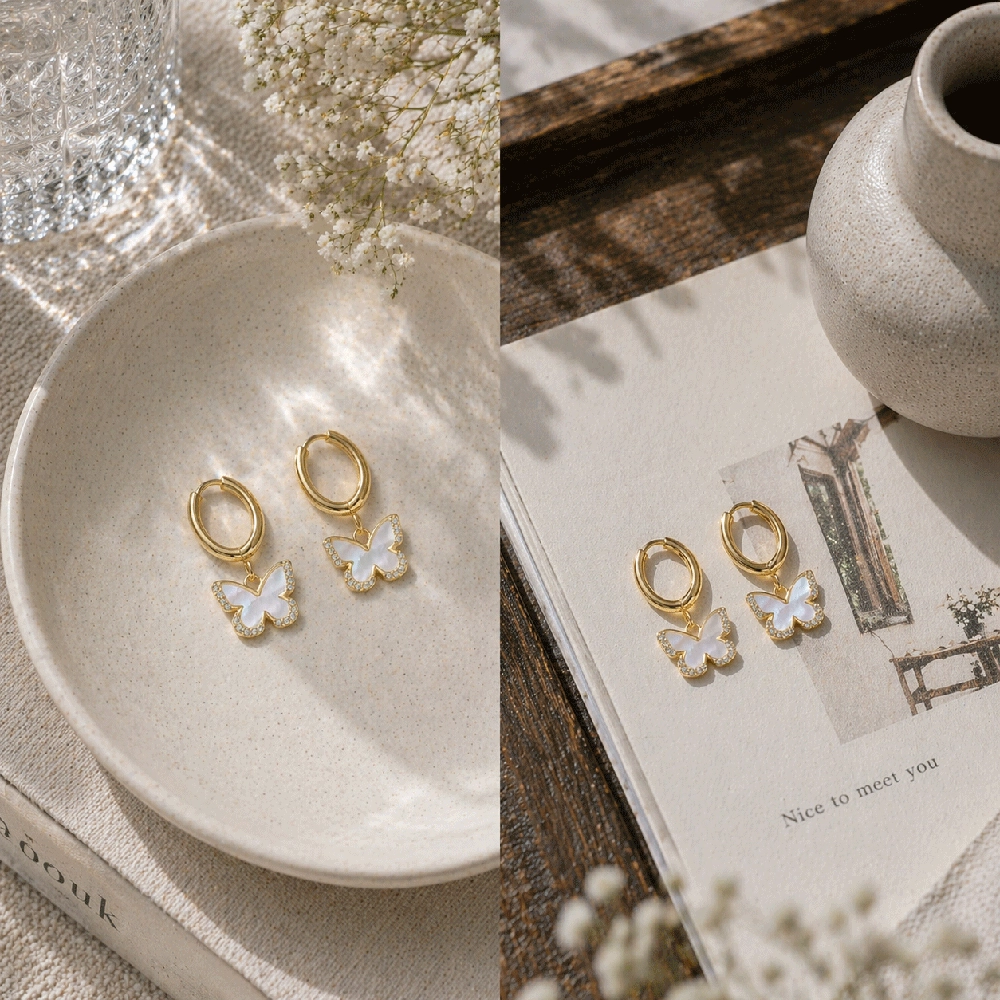
Butterfly Mother of Pearl Hoop Earrings | Wholesale 18K Gold Plated Manufacturer - Zhefan Jewelry
Best shipping and logistics practices for wholesale earrings
Top Questions to Ask Bracelet Manufacturers Before Ordering
OEM/ODM brass necklaces Manufacturers and Suppliers
Product Categories
You may also like

925 Silver Jewelry
Customizable High-Quality Fashion 925 Sterling Silver AAA Cubic Zirconia Heart-Shaped Open Tennis Bracelet.
Read More

Brass Jewelry
Customizable OEM ODM High-Quality Fashion Brass AAA Cubic Zirconia Classic Tennis Bracelet for Women Wholesale.
Read More
Get a Quote for Private Label Jewelry
We provide personalized jewelry customization services for clients worldwide.
Rest assured that your privacy is important to us, and all information provided will be handled with the utmost confidentiality.
By clicking 'Send Inquiry Now' I agree to ZHEFAN JEWELRY processing my personal data.
To see how to withdraw your consent, how to control your personal data and how we process it, please see our Privacy Policy and Terms of use.
From design to production, ZHEFAN JEWELRY offers a one-stop solution to help you enhance your brand value and market competitiveness.
Get A Quote
Contact
Tel: (+86) 188 1927 7817
© 2026 Zhefan Jewelry. All Rights Reserved.
Facebook
Instagram
YouTube
Whatsapp: +8618819277817