







Email: sales3@zhefanjewelry.com
Ensuring Lasting Beauty: How to Evaluate Plating Durability Tests for Rhodium on 925 Silver
Discover the critical methods custom jewelry manufacturers like Zhefan Jewelry employ to assess the durability of rhodium plating on 925 sterling silver. This guide covers essential tests—from adhesion to corrosion resistance—ensuring your cherished pieces, like our exquisite shell-inspired ring, maintain their luster and integrity against daily wear and environmental factors. Learn why rigorous testing is paramount for high-quality, long-lasting jewelry and what to look for in superior plating.
- The Importance of Plating Durability in Fine Jewelry
- Understanding Rhodium Plating on 925 Silver
- Key Plating Durability Tests for Rhodium on 925 Silver
- Adhesion Tests: Ensuring the Plating Stays Put
- Hardness and Abrasion Resistance Tests: Withstanding Daily Wear
- Corrosion Resistance Tests: Battling the Elements
- Thickness Measurement: The Foundation of Durability
- Zhefan Jewelry's Commitment to Quality Plating Solutions
- Why Choose Zhefan Jewelry for Durable Rhodium Plated Silver?
- FAQ
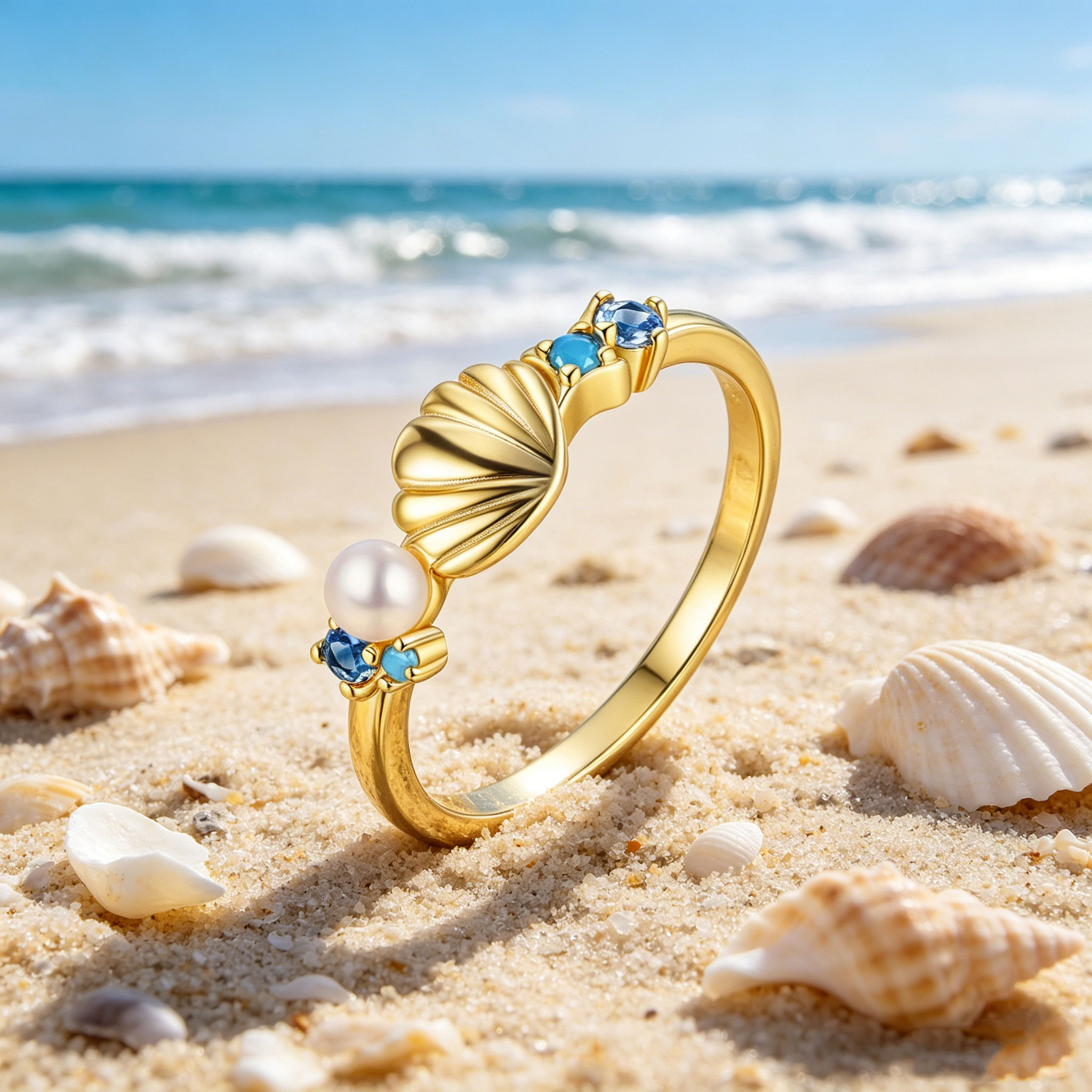
The Importance of Plating Durability in Fine Jewelry
In the world of custom jewelry manufacturing, the longevity and aesthetic appeal of a piece are paramount. Consider the stunning seashell-inspired ring from Zhefan Jewelry, featuring a lustrous pearl and vibrant blue gemstones, perfectly at home on a sun-drenched beach. Such exquisite designs demand equally robust construction, especially concerning precious metal platings like rhodium on 925 sterling silver.
Rhodium plating is highly valued for its brilliant, white finish and exceptional hardness, offering a protective layer that enhances both the beauty and durability of silver. However, not all platings are created equal. Understanding how to evaluate plating durability tests for rhodium on 925 silver is crucial for ensuring the quality and longevity of every piece, from elegant rings to intricate pendants.
Understanding Rhodium Plating on 925 Silver
925 sterling silver, an alloy of 92.5% silver and 7.5% other metals (typically copper), is beloved for its beauty but prone to tarnishing. Rhodium plating provides a hypoallergenic, tarnish-resistant, and highly reflective surface. For a custom jewelry manufacturer like Zhefan Jewelry, applying a durable rhodium layer means delivering products that customers can cherish for years, even when exposed to diverse environments like the seaside setting seen in our captivating image.
Key Plating Durability Tests for Rhodium on 925 Silver
Adhesion Tests: Ensuring the Plating Stays Put
The first step in evaluating plating durability is to confirm the rhodium layer adheres properly to the 925 silver substrate. Poor adhesion leads to chipping, peeling, and premature wear. Common adhesion tests include:
- Tape Test: A strong adhesive tape is applied firmly to the plated surface and then rapidly pulled off. Any lifting or removal of the plating indicates poor adhesion.
- Scratch Test: A controlled scratch is made across the plated surface. The plating should remain intact along the edges of the scratch, without flaking or peeling.
- Thermal Shock Test: The jewelry piece is subjected to rapid temperature changes. Good adhesion ensures the plating does not crack or separate due due to differential thermal expansion between the rhodium and silver.
Hardness and Abrasion Resistance Tests: Withstanding Daily Wear
Rhodium is known for its hardness, which translates to good scratch resistance. These tests assess how well the plating holds up to physical wear:
- Rub Test (Abrasion Test): A standardized abrasive material is rubbed against the plated surface under controlled pressure for a set number of cycles. The plating thickness and integrity are then evaluated for wear.
- Taber Abrasion Test: This more advanced test uses rotating abrasive wheels to simulate accelerated wear, providing quantifiable data on the plating's resistance to abrasion.
Corrosion Resistance Tests: Battling the Elements
Environmental factors, including humidity, chemicals, and even skin oils, can degrade plating over time. Corrosion resistance is vital for jewelry worn daily, especially for pieces designed to evoke nature, like our featured ring. Tests include:
- Salt Spray Test: The plated item is exposed to a salt mist atmosphere for an extended period. This accelerates corrosion, allowing evaluation of how the rhodium layer protects the underlying silver from tarnishing and degradation.
- Humidity Test: The piece is placed in a high-humidity environment to assess its resistance to moisture-induced tarnish.
- Sulphur Fume Test: This test simulates exposure to atmospheric pollutants that can cause tarnishing, providing insight into the plating's protective capabilities.
Thickness Measurement: The Foundation of Durability
The thickness of the rhodium plating significantly impacts its durability. Thicker plating generally offers better protection and longer wear. Techniques for measuring plating thickness include:
- X-ray Fluorescence (XRF): A non-destructive method that accurately measures the thickness of the rhodium layer.
- Coulometric Method: This involves stripping the plating at a controlled rate while measuring the current, providing a precise thickness reading.
Zhefan Jewelry's Commitment to Quality Plating Solutions
As a leading custom jewelry manufacturer, Zhefan Jewelry understands that beauty must be matched with resilience. Our meticulous evaluation of plating durability tests for rhodium on 925 silver ensures that every piece we create not only captures attention but also withstands the rigors of everyday life. Whether you are looking to purchase exceptional custom jewelry or seeking reliable wholesale solutions, our commitment to superior plating guarantees lasting brilliance and customer satisfaction.
Why Choose Zhefan Jewelry for Durable Rhodium Plated Silver?
We leverage advanced testing protocols and adhere to strict quality control standards to deliver rhodium plated 925 silver jewelry that excels in durability. Our expertise ensures that your custom designs benefit from robust, long-lasting finishes, reflecting our dedication to craftsmanship and enduring quality. Contact Zhefan Jewelry today to discuss your custom plating needs and discover the difference true durability makes.
FAQ
What is rhodium plating on 925 silver and why is it used?
Rhodium plating is a thin layer of rhodium, a rare and precious platinum group metal, applied to 925 sterling silver. It is used to provide a brilliant, highly reflective white finish, enhance durability, and protect the silver from tarnishing and scratches. It also makes the jewelry hypoallergenic.
How do adhesion tests help evaluate rhodium plating durability?
Adhesion tests are crucial because even the thickest rhodium plating is useless if it doesn't bond securely to the 925 silver. Tests like the tape test, scratch test, and thermal shock test assess the bond strength, ensuring the plating won't easily chip, peel, or separate under normal wear and tear or environmental stresses.
What are the common methods to test the abrasion resistance of rhodium plating?
Common methods for testing abrasion resistance include the rub test, where an abrasive material is applied under controlled pressure for a specific number of cycles, and the more advanced Taber abrasion test, which uses rotating abrasive wheels for quantitative data. These tests simulate daily wear to determine how well the plating withstands physical friction.
Why is corrosion resistance important for rhodium plated 925 silver jewelry?
Corrosion resistance is vital because 925 silver is prone to tarnishing when exposed to air, moisture, and certain chemicals. Rhodium plating acts as a protective barrier. Corrosion tests, such as salt spray tests, humidity tests, and sulphur fume tests, evaluate the plating's ability to prevent tarnishing and maintain the jewelry's pristine appearance over time, even when exposed to harsh environments.
How does plating thickness impact the durability of rhodium on 925 silver?
Plating thickness is a primary factor in overall durability. A thicker rhodium layer provides a more robust barrier against wear, scratches, and corrosion, significantly extending the life and beauty of the jewelry. Custom Jewelry Manufacturer like Zhefan Jewelry use precise measurement techniques like XRF or coulometry to ensure optimal plating thickness for superior quality.
Tags
brass tennis bracelet with cz wholesale
brass tennis bracelet with cz wholesale
brass rings wholesale
brass rings wholesale
engraved 925 silver adjustable ring
engraved 925 silver adjustable ring
925 bracelets manufacturer
925 bracelets manufacturer
mother of pearl heart necklace for women
mother of pearl heart necklace for women
adjustable tennis bracelet clasp supplier
adjustable tennis bracelet clasp supplier
Recommended for you
Sourcing Authentic 925 Silver Rings: Certificates & Hallmarks
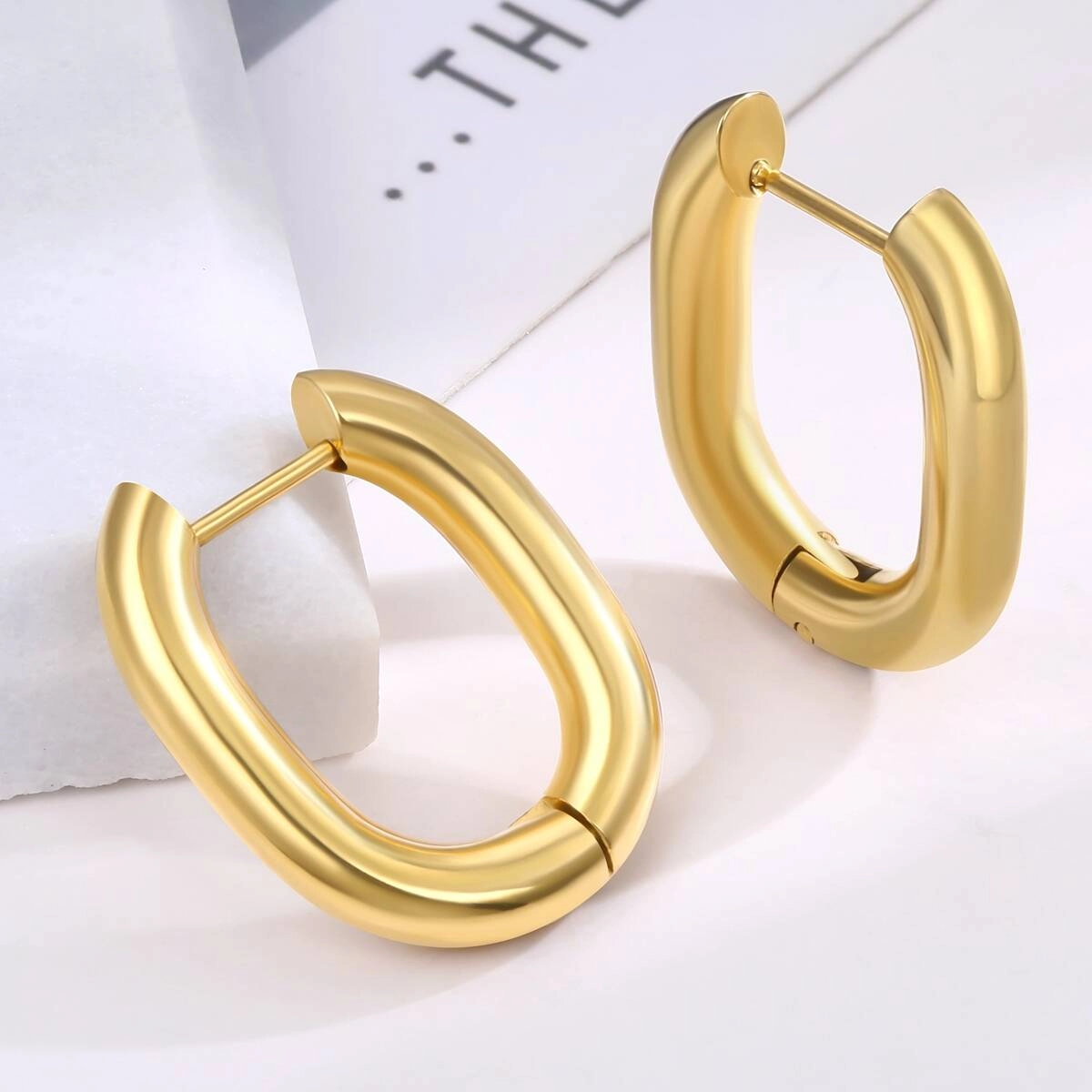
U-Shape Huggie Earrings 18K Gold — Wholesale Fashion Jewelry by Zhefan
Protecting Your Intellectual Property When Working with an OEM Jewelry Manufacturer
How an OEM Jewelry Manufacturer Supports Seasonal Trend Integration for Retailers
Product Categories
You may also like

925 Silver Jewelry
Customizable High-Quality Fashion 925 Sterling Silver AAA Cubic Zirconia Heart-Shaped Open Tennis Bracelet.
Read More

Brass Jewelry
Customizable OEM ODM High-Quality Fashion Brass AAA Cubic Zirconia Classic Tennis Bracelet for Women Wholesale.
Read More
Get a Quote for Private Label Jewelry
We provide personalized jewelry customization services for clients worldwide.
Rest assured that your privacy is important to us, and all information provided will be handled with the utmost confidentiality.
By clicking 'Send Inquiry Now' I agree to ZHEFAN JEWELRY processing my personal data.
To see how to withdraw your consent, how to control your personal data and how we process it, please see our Privacy Policy and Terms of use.
From design to production, ZHEFAN JEWELRY offers a one-stop solution to help you enhance your brand value and market competitiveness.
Get A Quote
Contact
Tel: (+86) 188 1927 7817
© 2026 Zhefan Jewelry. All Rights Reserved.
Facebook
Instagram
YouTube
Whatsapp: +8618819277817