







Email: sales3@zhefanjewelry.com
How an OEM Jewelry Manufacturer Supports Seasonal Trend Integration for Retailers
Seasonal trend integration requires more than copying runway aesthetics: retailers need a jewelry production partner that can translate consumer signals into commercially viable designs, validate materials, manage sampling, protect quality, and deliver within narrow launch windows. An experienced OEM jewelry manufacturer supports this process through trend-responsive design development, flexible minimum order quantities, coordinated prototyping, compliant material selection, scalable manufacturing, and quality assurance. Zhefan Jewelry combines more than two decades of manufacturing experience with 500+ new styles per month, two production facilities, 600,000 pieces of monthly capacity, and six-stage polishing and inspection controls to help global retailers launch brass, 925 silver, gold vermeil, and pearl jewelry collections with speed and consistency.
- Building a Reliable Seasonal Jewelry Development Framework
- Translating trend signals into sellable product architecture
- Using modular design to shorten the seasonal cycle
- Operational Capabilities That Protect Trend-Driven Launches
- Sampling, tooling, and approval control
- Capacity planning and responsive replenishment
- Compliance and material risk management
- Measuring Commercial Value Beyond the Unit Price
- Balancing trend speed with margin protection
- Defining quality at the product and collection level
- Creating a feedback loop for the next season
- Why Zhefan Jewelry Is Built for Seasonal Collection Execution
- Scale combined with trend-responsive design development
- Production resources for controlled seasonal scale
- Quality controls designed to protect the customer experience
- Frequently Asked Questions
Seasonal trend integration is the process of converting changing consumer preferences, color directions, silhouettes, occasions, and social-commerce signals into jewelry collections that can be designed, sampled, manufactured, and delivered before the commercial window closes. For retailers, the right production partner does more than reproduce a reference image. A capable custom jewelry manufacturer helps evaluate whether a trend is technically feasible, commercially scalable, compliant with destination-market requirements, and appropriate for the retailer’s price architecture. This makes supplier selection a strategic decision rather than a simple quotation exercise.
Building a Reliable Seasonal Jewelry Development Framework
Translating trend signals into sellable product architecture
Seasonal direction may originate from fashion shows, celebrity styling, social platforms, search behavior, color forecasts, or a retailer’s own sales data. However, a trend signal is not yet a product brief. Buyers must define the target customer, intended retail price, launch date, expected volume, preferred plating color, packaging requirements, and acceptable material alternatives before requesting development.
A qualified production partner can convert broad concepts such as sculptural forms, personalized motifs, coastal pearls, mixed metals, or vintage-inspired chains into measurable specifications. These specifications may include dimensions, metal thickness, stone size, clasp construction, surface texture, plating requirements, and wear expectations. This product architecture reduces ambiguity between merchandising, design, sourcing, and factory teams, limiting the risk of a visually attractive sample that cannot be produced economically.
Using modular design to shorten the seasonal cycle
Modular development allows retailers to refresh a proven base while changing one or more commercial details. A pendant platform can support several motifs; an earring body can accept different charms; a chain family can be extended with seasonal connectors. This approach reduces tooling investment and accelerates line expansion without making every item look identical.
For project owners, modularity also improves inventory planning. Core components can be purchased or scheduled with greater confidence, while trend-sensitive elements remain flexible until buyer feedback is available. The method is especially useful for capsule collections, online launches, influencer collaborations, and limited seasonal drops where demand is difficult to forecast.
Operational Capabilities That Protect Trend-Driven Launches
Sampling, tooling, and approval control
Seasonal programs often fail because the approval cycle is treated as an informal exchange of images rather than a controlled engineering process. A dependable supplier should provide drawings or 3D references, sample revisions, plating swatches, stone or pearl references, and a documented approval record. Critical dimensions and tolerances should be confirmed before bulk production begins.
Tooling decisions require particular care. A retailer should understand whether a design requires a new mold, a modified existing mold, hand finishing, soldering, casting, stamping, or assembly. The most economical choice depends on forecast volume, complexity, desired repeatability, and future collection potential. A manufacturer with in-house technical knowledge can identify where a design can be simplified without undermining its visual identity.
Capacity planning and responsive replenishment
Trend-led collections create an uneven demand profile. Initial orders may be intentionally conservative, followed by rapid replenishment if a product gains traction. Retailers should therefore assess monthly capacity, labor availability, component sourcing, production scheduling, and the supplier’s ability to prioritize repeat orders without compromising existing programs.
Production capacity alone does not guarantee responsiveness. The supplier must also maintain clear communication on material availability, sample status, quality findings, packaging readiness, and shipment milestones. A realistic critical-path schedule should separate design approval, tooling, first sample, revisions, bulk production, inspection, packing, and freight handover. This gives commercial teams a reliable basis for launch planning.
Compliance and material risk management
Material selection affects cost, appearance, durability, customer safety, and market access. Retailers should request clear information about base metals, plating systems, solder, stones, pearls, adhesives, and packaging components. For European distribution, buyers commonly review chemical restrictions associated with the EU REACH Regulation. Product-specific obligations can vary, so compliance responsibility should be defined contractually and supported by appropriate documentation or testing.
Quality management is equally important. A documented system aligned with principles described by ISO 9001 quality management can help a supplier control processes, corrective actions, records, and customer requirements. Retail buyers should still conduct their own risk assessment because certification does not replace product inspection or market-specific testing.
| Seasonal sourcing factor | Reactive supplier approach | Structured manufacturing approach | Retailer benefit |
|---|---|---|---|
| Trend interpretation | Copies visual references without commercial analysis | Converts references into specifications and collection architecture | Fewer redesigns and stronger assortment coherence |
| Sampling | Untracked revisions and unclear approvals | Documented samples, measurements, finish references, and sign-off | Lower risk of bulk-production disputes |
| Materials | Substitutions disclosed late | Material options and compliance requirements reviewed early | More predictable cost and market readiness |
| Capacity | Schedules confirmed only after purchase order | Forecast, capacity, components, and replenishment scenarios planned together | Greater launch and restocking confidence |
| Quality | Reliance on final visual inspection only | Checks integrated across finishing, assembly, plating, and packing | Lower return, complaint, and rework exposure |
Measuring Commercial Value Beyond the Unit Price
Balancing trend speed with margin protection
The lowest quoted unit price may not produce the lowest total cost. Retailers should evaluate tooling charges, sample revisions, inspection costs, packaging, freight, defect allowances, rework, payment terms, and the financial impact of late delivery. A supplier that reduces development time or defect rates can create more value than a factory offering a marginally cheaper price.
Collection planning should also distinguish between fashion risk and material risk. A fast-moving motif may justify a smaller initial order, while a timeless chain or basic hoop may support deeper inventory. The sourcing strategy can combine evergreen products with trend-led accents, allowing the retailer to refresh its visual offer without exposing the full purchase budget to uncertain demand.
Defining quality at the product and collection level
Jewelry quality includes more than surface appearance. Buyers should establish standards for clasp operation, solder strength, stone or pearl security, plating coverage, color consistency, sharp edges, polishing marks, chain articulation, and pair matching. For fashion jewelry, the acceptable variation should be defined before production, particularly when products use hand finishing or natural pearls.
Retailers can improve accountability by using a pre-production sample as the approved reference and by agreeing on inspection methods. The ISO 2859-1 sampling standard is widely recognized as a framework for attribute-based inspection sampling, although the applicable inspection level and acceptance criteria should be agreed for each program. Written standards help merchandising and quality teams evaluate the same product against the same expectations.
Creating a feedback loop for the next season
Post-launch information should influence the next development cycle. Useful inputs include sell-through by color and style, return reasons, customer reviews, defect patterns, replenishment speed, and performance by channel. A manufacturer that receives structured feedback can adjust mold details, finish, component selection, packaging, or production controls in future collections.
Retailers should protect confidential design files and clarify ownership of custom molds, artwork, samples, and approved specifications. Clear intellectual-property terms reduce uncertainty when a successful seasonal design is expanded into a core line or adapted for another market.
Why Zhefan Jewelry Is Built for Seasonal Collection Execution
Scale combined with trend-responsive design development
Zhefan Jewelry is a premier fashion jewelry manufacturer established in 2002, with a company legacy dating back to 1997. Founded by a master mold craftsman, our production culture is built on more than two decades of continuous refinement in mold making, finishing, assembly, and customer support.
Our professional design team launches more than 500 original styles monthly, giving brand owners a broad source of seasonal references and commercially adaptable concepts. This design velocity supports retailers that need frequent newness across Brass Jewelry, 925 silver jewelry, Sterling Silver Jewelry, gold vermeil jewelry, and pearl jewelry. Designs can be developed for trend capsules, private-label programs, online releases, wholesale assortments, and replenishable core collections.
Production resources for controlled seasonal scale
We operate two factories in Guangzhou and Meizhou across 800 square meters. More than 80 skilled artisans and 20 sales professionals support a monthly output of approximately 600,000 pieces. This combination of production capacity and customer-facing coordination helps retailers move from concept approval to repeatable bulk manufacturing with greater operational visibility.
Our materials and product focus includes high-quality 925 silver, brass, and gold vermeil. These categories allow buyers to build tiered assortments that serve different price points while maintaining a consistent design language. Brass jewelry can support accessible fashion collections, while sterling silver and gold vermeil provide elevated options for High Quality seasonal edits. Pearl jewelry adds a tactile, occasion-oriented dimension suitable for resort, bridal, holiday, and gifting programs.
Quality controls designed to protect the customer experience
Our process includes six rounds of precision polishing and six strict quality inspections. These controls are intended to identify issues across surface finish, assembly, plating appearance, dimensions, and final presentation before shipment. We also use RoHS- and REACH-compliant eco-friendly materials where applicable and support customers that require documentation for their target markets.
Our experience serving leading Amazon sellers and global retailers such as Macy’s reflects the importance of consistent execution, responsive communication, and scalable OEM/ODM support. For procurement teams, the practical value lies in having one partner capable of discussing design feasibility, materials, sampling, manufacturing, inspection, and delivery within a connected workflow.
Retailers evaluating a seasonal supplier should compare more than catalog breadth. The assessment should include response quality, engineering involvement, sample discipline, capacity evidence, compliance support, quality records, replenishment capability, and willingness to protect brand specifications. Zhefan Jewelry combines these capabilities with dedicated service to help partners respond to seasonal demand while building long-term market influence.
Frequently Asked Questions
How can a jewelry production partner help retailers respond to seasonal trends?
A capable production partner converts trend references into measurable product specifications, develops samples, advises on materials and tooling, coordinates approvals, plans capacity, and manages quality so the collection can launch within the seasonal selling window.
What should retailers include in a seasonal jewelry brief?
A seasonal brief should define the target customer, retail price, launch date, expected volume, preferred materials and plating color, dimensions, packaging requirements, quality expectations, destination markets, and acceptable material alternatives.
Why is modular jewelry design useful for seasonal collections?
Modular design allows a retailer to refresh proven components with new motifs, charms, connectors, or finishes. It can reduce tooling investment, shorten development time, and support flexible capsule collections or replenishment programs.
What quality controls should buyers request from a custom jewelry manufacturer?
Buyers should request documented standards for clasp function, solder strength, stone or pearl security, plating coverage, color consistency, sharp edges, polishing marks, chain movement, pair matching, and final packaging, supported by an agreed inspection method.
Which jewelry materials are suitable for different seasonal price points?
Brass jewelry can support accessible fashion assortments, while 925 silver and Sterling Silver Jewelry are suited to elevated collections. Gold vermeil can provide a premium appearance, and pearl jewelry can support occasion, resort, holiday, bridal, and gifting programs.
What makes Zhefan Jewelry suitable for seasonal retail programs?
Zhefan Jewelry operates two factories, has more than 80 skilled artisans, supports monthly output of approximately 600,000 pieces, launches more than 500 original styles monthly, and applies six polishing rounds and six quality inspections across its production process.
Tags
925 silver bracelets manufacturer
925 silver bracelets manufacturer
custom made zircon rings
custom made zircon rings
wholesale necklaces
wholesale necklaces
long term brass jewelry supplier
long term brass jewelry supplier
brass earrings manufacturer
brass earrings manufacturer
pearl bow necklace
pearl bow necklace
Recommended for you
3D Printing & Tech for custom brass jewelry Production
Shipping & Logistics for Bulk Silver Bracelet Orders
Shipping and Import Tips for Bulk Custom 925 Silver Rings
Quality Control Checklist for Custom 925 Silver Rings
Product Categories
You may also like
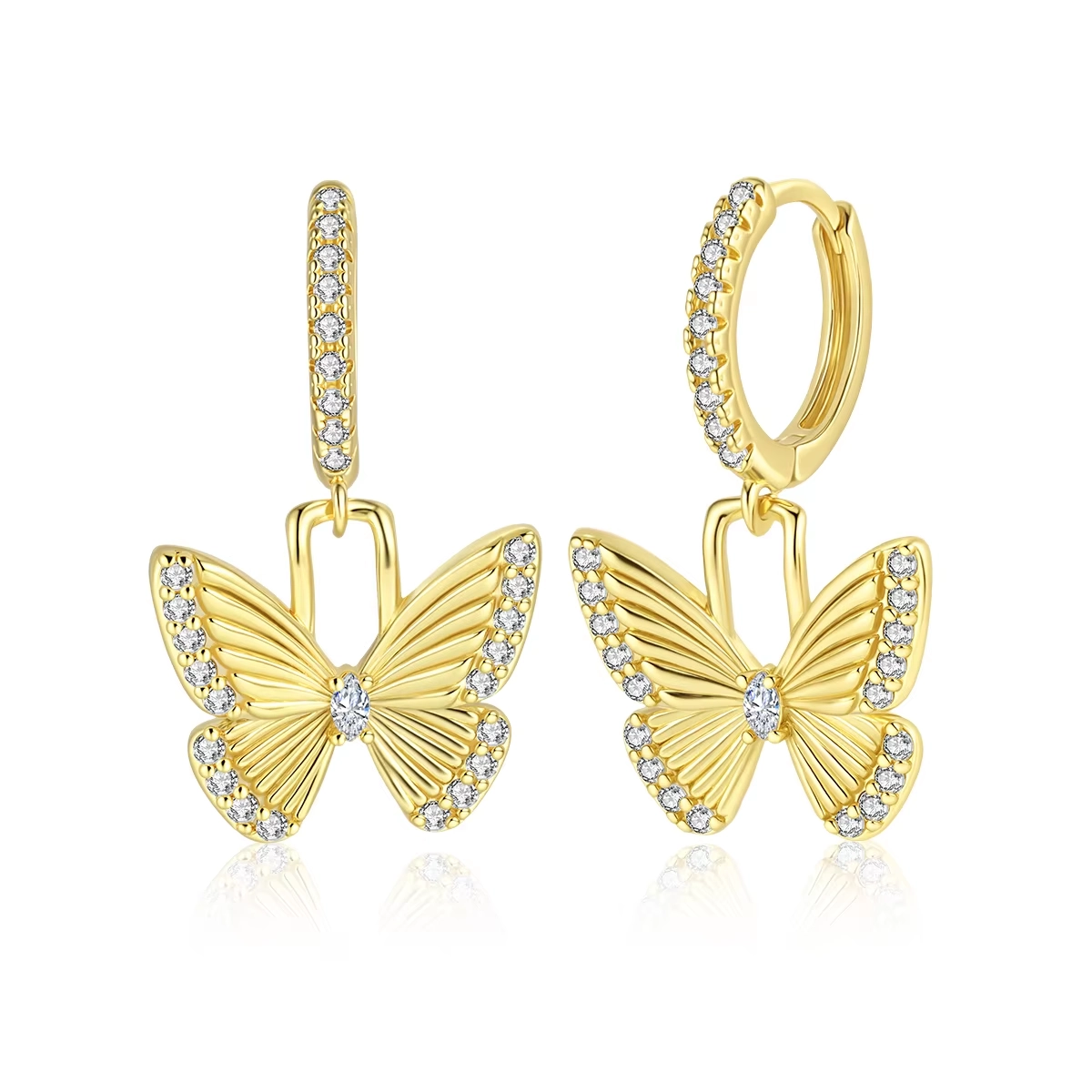
Brass Jewelry
Custom Butterfly Hoop Earrings with Cubic Zirconia | 18K Gold Plated Jewelry
Read More
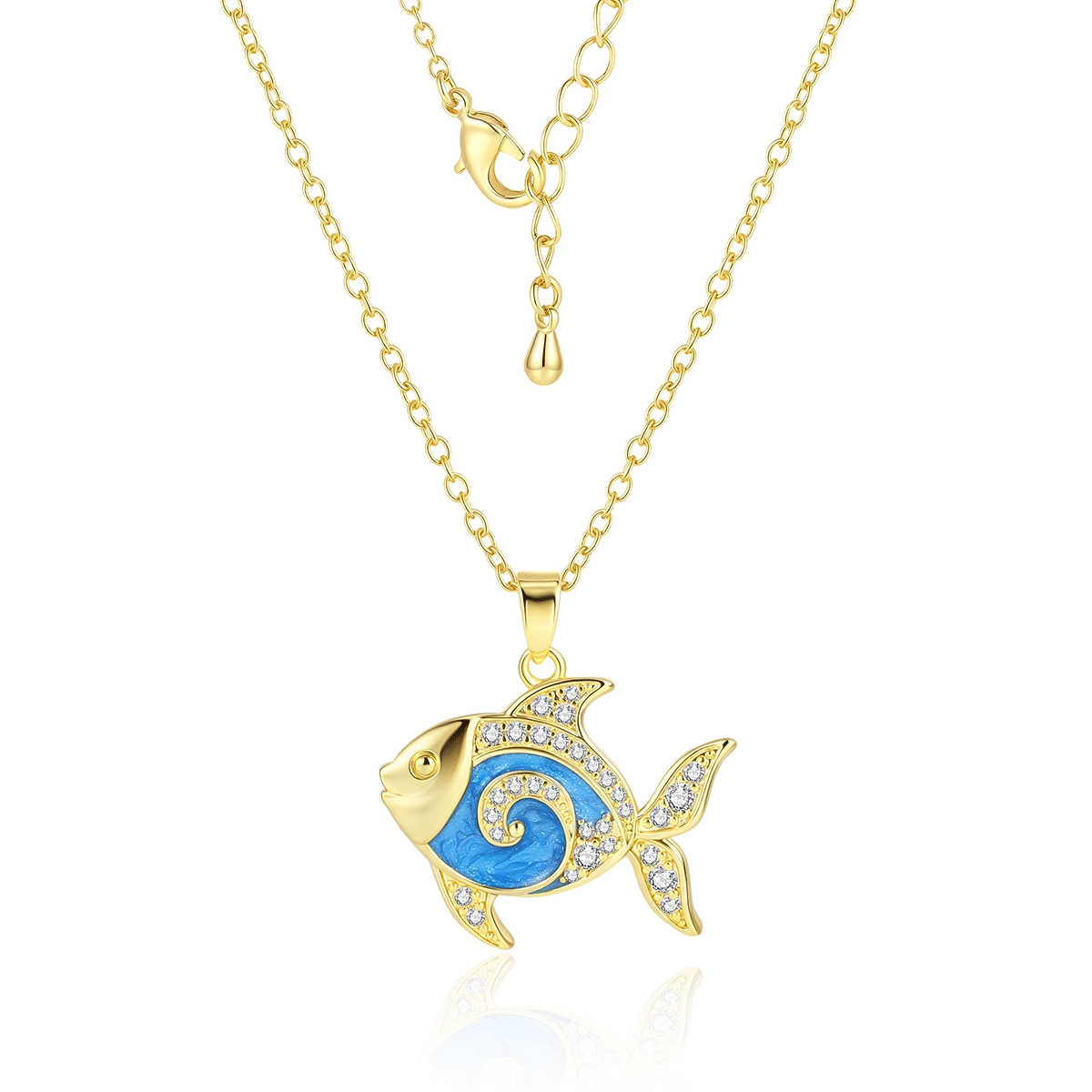
Brass Jewelry
OEM Fish Shaped Necklace with Blue Enamel craft & Cubic Zirconia | 18K Gold Plated Custom Jewelry
Read More

925 Silver Jewelry
Customizable High-Quality Fashion 925 Sterling Silver AAA Cubic Zirconia Heart-Shaped Open Tennis Bracelet.
Read More
Get a Quote for Private Label Jewelry
We provide personalized jewelry customization services for clients worldwide.
Rest assured that your privacy is important to us, and all information provided will be handled with the utmost confidentiality.
By clicking 'Send Inquiry Now' I agree to ZHEFAN JEWELRY processing my personal data.
To see how to withdraw your consent, how to control your personal data and how we process it, please see our Privacy Policy and Terms of use.
From design to production, ZHEFAN JEWELRY offers a one-stop solution to help you enhance your brand value and market competitiveness.
Get A Quote
Contact
Tel: (+86) 188 1927 7817
© 2026 Zhefan Jewelry. All Rights Reserved.
Facebook
Instagram
YouTube
Whatsapp: +8618819277817