







Email: sales3@zhefanjewelry.com
Factory Audits: Vetting a Silver Bracelet Manufacturer
A practical factory-audit framework for evaluating a silver bracelet manufacturer, covering material verification, production capability, quality systems, compliance documentation, labor conditions, sampling, capacity, lead times, and total procurement risk. The guide also explains how Zhefan Jewelry supports OEM and ODM programs with 925 silver, brass, gold vermeil, and pearl jewelry manufacturing.
- How to Assess a Sterling Silver Production Partner
- Confirm the factory’s legal and operational identity
- Examine engineering capability before reviewing price
- Verify material claims and product safety controls
- Audit the Quality System, Capacity, and Delivery Risk
- Map quality control across every production stage
- Measure capacity using evidence, not stated monthly output
- Use a structured evidence scorecard
- Commercial Due Diligence for Custom Bracelet Programs
- Assess communication and documentation discipline
- Protect intellectual property and supply continuity
- Evaluate sustainability and workplace practices
- Why Zhefan Jewelry Fits a Verified Supplier Shortlist
- Integrated manufacturing with scalable output
- Quality controls designed for presentation-sensitive products
- Design velocity and market-facing OEM/ODM support
- Frequently Asked Questions
Factory audits help brands determine whether a silver bracelet manufacturer can consistently deliver the required material purity, design accuracy, finishing quality, production volume, compliance documentation, and delivery performance. A reliable audit should examine legal identity, facility ownership, technical equipment, 925 sterling silver controls, alloy and plating records, quality inspections, environmental practices, worker conditions, packaging, traceability, and corrective-action procedures rather than relying on photographs or a polished sales presentation. For buyers sourcing custom jewelry, the objective is to reduce defective inventory, compliance exposure, missed launch dates, and supplier dependency before a purchase order is issued.
How to Assess a Sterling Silver Production Partner
Confirm the factory’s legal and operational identity
Begin with documentary verification. Request the registered GUANGZHOU ZHEFAN JEWELRY CO., LTD., business license, factory address, export authorization where applicable, ownership information, and the names of entities issuing invoices and receiving payment. These details should match the supplier’s quotation, contract, bank information, packaging documents, and audit records. A mismatch may indicate a trading intermediary, undisclosed subcontracting, or limited control over the actual production site.
Physical presence matters because manufacturing capacity cannot be reliably assessed from a showroom alone. During an on-site visit or independent inspection, buyers should compare the declared facility area with the observed workshops, storage zones, offices, mold rooms, polishing lines, plating areas, inspection stations, and finished-goods warehouses. The auditor should record equipment identification, operating condition, maintenance practices, and the number of workers assigned to each process. A dependable custom jewelry manufacturer can explain which stages are performed in-house and which are outsourced.
Examine engineering capability before reviewing price
Custom bracelet programs often fail during translation from a digital drawing to a wearable product. The audit should therefore cover CAD modeling, wax or resin prototyping, mold making, casting, soldering, stone setting, chain or clasp assembly, polishing, plating, and final inspection. Ask the supplier to demonstrate how it manages wall thickness, hinge movement, bracelet curvature, clasp tolerances, prong security, comfort edges, and dimensional changes caused by casting or finishing.
Evidence is stronger when the supplier can provide a documented sample-development workflow. This may include design confirmation, 3D rendering approval, prototype review, pre-production sample approval, golden sample control, and change authorization. Buyers should ask how revisions are recorded and how the approved reference sample is protected from accidental substitution. A robust process reduces disputes about color, weight, surface texture, engraving depth, and fit after bulk production begins.
Verify material claims and product safety controls
For sterling silver jewelry, the audit should trace metal from incoming material to finished product. Request supplier declarations, alloy purchase records, batch numbers, melting or casting records, and independent test reports where the market or product specification requires them. The phrase “925 silver” should correspond to a documented specification rather than a marketing assumption. Testing may be performed through recognized laboratories using appropriate analytical methods, while the buyer should confirm that the report identifies the tested sample and matches the production material.
Plating requires separate scrutiny. Ask whether the design uses rhodium, gold, or another finish; what thickness or performance specification applies; how surface preparation is controlled; and how adhesion, discoloration, abrasion, and tarnish are evaluated. If the collection includes gold vermeil, the contract should clearly define the sterling silver base, gold layer specification, color reference, and inspection standard. For brass jewelry, nickel release, lead and cadmium restrictions, coating durability, and skin-contact requirements should be addressed according to the destination market.
Regulatory expectations vary by country. Buyers can review the European Union’s REACH Regulation for chemical obligations and restrictions, and consult the U.S. Federal Trade Commission Jewelry Guides for jewelry marketing and disclosure principles. Where a supplier claims restricted-substance conformity, request the applicable test method, report date, laboratory identity, and product scope instead of accepting a generic certificate.
Audit the Quality System, Capacity, and Delivery Risk
Map quality control across every production stage
Quality should not depend on a single final inspection. An effective audit maps control points from incoming materials through packaging. Typical checkpoints include metal verification, mold inspection, casting review, solder-joint examination, stone security, dimensional measurement, polishing inspection, plating appearance, functional testing, cleaning, labeling, and carton verification. The auditor should determine the acceptance criteria for each checkpoint and identify who has authority to stop a line when defects exceed the agreed limit.
Request examples of inspection forms, defect classifications, sampling plans, nonconformance reports, rework records, and corrective-action reports. The ISO 9001 quality management standard provides a useful framework for evaluating documented processes, customer requirements, operational controls, and continual improvement, although certification alone does not guarantee jewelry workmanship. Buyers should still inspect actual samples and confirm that the factory’s procedures are followed on the production floor.
Measure capacity using evidence, not stated monthly output
Capacity is more than the number of machines or workers listed in a presentation. Evaluate current orders, production calendars, mold utilization, polishing bottlenecks, plating availability, packaging throughput, peak-season staffing, and the supplier’s dependence on external workshops. Ask for anonymized production records or capacity plans showing how the facility handles a comparable order size and product mix.
Capacity should also be evaluated against the buyer’s forecast. A workshop capable of producing large quantities of simple bangles may not have equivalent capacity for intricate charms, stone-set cuffs, engraved surfaces, or multi-component bracelets. Confirm minimum order quantities, sample lead time, bulk lead time, replenishment speed, holiday shutdowns, raw-material purchasing windows, and the escalation process for delays.
Use a structured evidence scorecard
A scorecard prevents low pricing from overshadowing operational weaknesses. Weight the criteria according to commercial risk: material authenticity, quality consistency, engineering competence, compliance, capacity, communication, intellectual property protection, logistics, and financial stability. Each score should be supported by evidence such as a document, observed process, test result, approved sample, or customer reference.
| Audit area | Weak evidence | Strong evidence | Buyer decision implication |
|---|---|---|---|
| Material control | Unverified purity statement | Batch records linked to test reports and finished samples | Lower risk of mislabeling and inconsistent alloy |
| Sample development | One attractive showroom sample | Documented CAD, prototype, approval, and change-control workflow | Better repeatability for custom designs |
| Quality assurance | Final visual check only | Recorded inspections at casting, finishing, plating, assembly, and packing | Earlier defect detection and lower rework |
| Production capacity | Unsubstantiated monthly figure | Schedules, equipment, staffing, and comparable order records | More realistic launch and replenishment planning |
| Compliance | Generic certificate without scope | Current reports naming the product, material, method, and laboratory | Stronger market-entry and retailer readiness |
| Corrective action | Verbal promises after defects | Root-cause analysis, containment, owner, deadline, and verification | Evidence of sustainable improvement |
The table should be used as a decision tool, not as a substitute for contractual controls. Purchase agreements should define approved materials, tolerances, defect limits, inspection rights, packaging requirements, intellectual property ownership, confidentiality, delivery milestones, remedies, and rules for subcontracting. For high-value or launch-critical programs, a third-party pre-shipment inspection can verify quantity, workmanship, dimensions, labeling, and packaging against the approved specification.
Commercial Due Diligence for Custom Bracelet Programs
Assess communication and documentation discipline
Communication quality is an operational indicator. During the audit, assess whether the supplier answers technical questions directly, identifies assumptions, shares complete quotations, and distinguishes confirmed facts from estimates. A professional quotation should separate tooling, sampling, unit cost, plating, stones, packaging, testing, shipping terms, and taxes or duties where relevant. It should also state validity periods because metal prices and production inputs can change.
Buyers should test responsiveness with a realistic technical package rather than a simple product photo. Include dimensions, target weight, clasp requirements, finish, logo placement, packaging, compliance destination, order quantity, and expected delivery date. The supplier’s questions reveal whether its engineering and merchandising teams understand the project. Vague confirmation followed by repeated clarification during production often creates hidden costs.
Protect intellectual property and supply continuity
Custom designs require written controls for CAD files, molds, artwork, brand marks, packaging graphics, and exclusive product rights. Confirm who owns the tooling, where it is stored, whether it can be used for other customers, and what happens when the relationship ends. A supplier should identify authorized production locations and obtain written approval before transferring work to another facility.
Continuity planning should cover metal shortages, plating interruptions, equipment failure, labor fluctuations, transport disruptions, and sudden demand increases. Ask whether the supplier maintains approved backup vendors, spare critical equipment, alternate logistics routes, and documented recovery procedures. The objective is not to eliminate every disruption but to understand how quickly the operation can contain and recover from one.
Evaluate sustainability and workplace practices
Environmental and social due diligence increasingly affects retailer acceptance and brand reputation. Review waste handling, wastewater controls, chemical storage, ventilation, personal protective equipment, emergency exits, working hours, wage records where legally appropriate, and worker training. The ISO 14001 environmental management framework can help structure questions about environmental aspects, compliance obligations, and continual improvement. The absence of certification does not automatically disqualify a supplier, but undocumented practices should be treated as a risk requiring verification.
Material claims should also be connected to the finished product. A supplier using RoHS- or REACH-compliant inputs should be able to explain supplier qualification, restricted-substance controls, test frequency, and corrective action when a result fails. Buyers should retain these records with the product specification and commercial file rather than treating compliance as a one-time marketing statement.
Why Zhefan Jewelry Fits a Verified Supplier Shortlist
Integrated manufacturing with scalable output
Zhefan Jewelry is a fashion jewelry manufacturer established in 2002, with a production legacy dating back to 1997. Founded by a master mold craftsman, the company has built its manufacturing approach around long-term refinement in mold development, finishing, and product execution. Operations include two factories in Guangzhou and Meizhou covering 800 square meters, supported by more than 80 skilled artisans and 20 sales professionals.
Our reported monthly output reaches 600,000 pieces, giving brand owners and distributors a basis for planning both initial launches and repeat orders. Scale is paired with product breadth: our teams manufacture 925 silver jewelry, Sterling Silver Jewelry, Brass Jewelry, gold vermeil jewelry, and pearl jewelry for OEM and ODM programs. This combination allows buyers to consolidate related categories while maintaining coordinated specifications, packaging, and delivery planning.
Quality controls designed for presentation-sensitive products
Our manufacturing process includes six rounds of precision polishing and six strict quality inspections. These controls are particularly relevant to silver bracelets and other reflective products because small scratches, uneven edges, casting pits, clasp problems, or inconsistent plating can become highly visible at retail. Inspection stages are intended to identify defects before packing rather than shifting the entire burden to the buyer’s receiving team.
Our material approach emphasizes eco-friendly inputs aligned with RoHS and REACH requirements. Buyers should still define the exact destination-market tests, product claims, and documentation required for each collection, but an established compliance framework provides a stronger starting point for retailer and marketplace programs. Sample approval, technical clarification, and production follow-up remain central to translating a brand’s design intent into repeatable finished goods.
Design velocity and market-facing OEM/ODM support
Our professional design team launches more than 500 original styles monthly, helping global partners respond to seasonal trends without building a large internal design department. The value for buyers is not simply the number of new concepts; it is the ability to review commercially relevant directions, adapt selected forms, and develop private-label variations through a structured sampling process.
Zhefan Jewelry has supported leading Amazon sellers and global retailers such as Macy’s, experience that aligns with the documentation, consistency, packaging, and replenishment expectations common to large retail channels. Our objective is to combine craftsmanship, responsive service, rapid delivery planning, and scalable production so that a jewelry brand can grow without compromising its product identity. Buyers can review our capabilities at Zhefan Jewelry or contact the sales team at sales3@zhefanjewelry.com with a design brief, target quantity, material specification, and delivery schedule.
Contact Zhefan Jewelry to request a tailored OEM or ODM quotation for 925 silver, brass, gold vermeil, or pearl jewelry and begin a documented supplier evaluation.
Frequently Asked Questions
What documents should buyers request before auditing a jewelry factory?
Buyers should request the registered company name, business license, factory address, export authorization where applicable, ownership information, supplier declarations, alloy purchase records, test reports, quality procedures, inspection records, and corrective-action documentation.
How can a buyer verify 925 sterling silver claims?
The buyer should trace metal from incoming material to finished product through batch numbers, alloy records, supplier declarations, and appropriate independent test reports that identify the tested sample and match the production material.
What should be checked during a bracelet production capability audit?
The audit should cover CAD modeling, prototyping, mold making, casting, soldering, stone setting, polishing, plating, clasp assembly, inspection, packaging, equipment condition, staffing, production schedules, and comparable order records.
Why is a final inspection alone insufficient for custom jewelry?
A final inspection may detect defects only after materials and labor have already been consumed. Stage-by-stage controls at casting, finishing, plating, assembly, and packing identify problems earlier, reducing rework, shipment delays, and defective inventory.
What compliance evidence should a jewelry supplier provide?
A supplier should provide current documentation that identifies the product, material, testing method, laboratory, and report scope, along with explanations of restricted-substance controls and the requirements applicable to the destination market.
How can buyers reduce the risk of unauthorized subcontracting?
Contracts should identify approved production locations, require written approval before work is transferred, define inspection rights, protect CAD files and molds, and specify ownership and storage arrangements for tooling and intellectual property.
Tags
gold bracelet manufacturers wholesale
gold bracelet manufacturers wholesale
40mm brass chunky hoop earrings
40mm brass chunky hoop earrings
adjustable tennis bracelet stone sourcing supplier
adjustable tennis bracelet stone sourcing supplier
Gold Vermeil Jewelry Wholesale
Gold Vermeil Jewelry Wholesale
private label 925 silver bracelets
private label 925 silver bracelets
silver bracelet supplier for wholesalers
silver bracelet supplier for wholesalers
Recommended for you
Prototyping and Sampling: Speed Up Your Jewelry Development
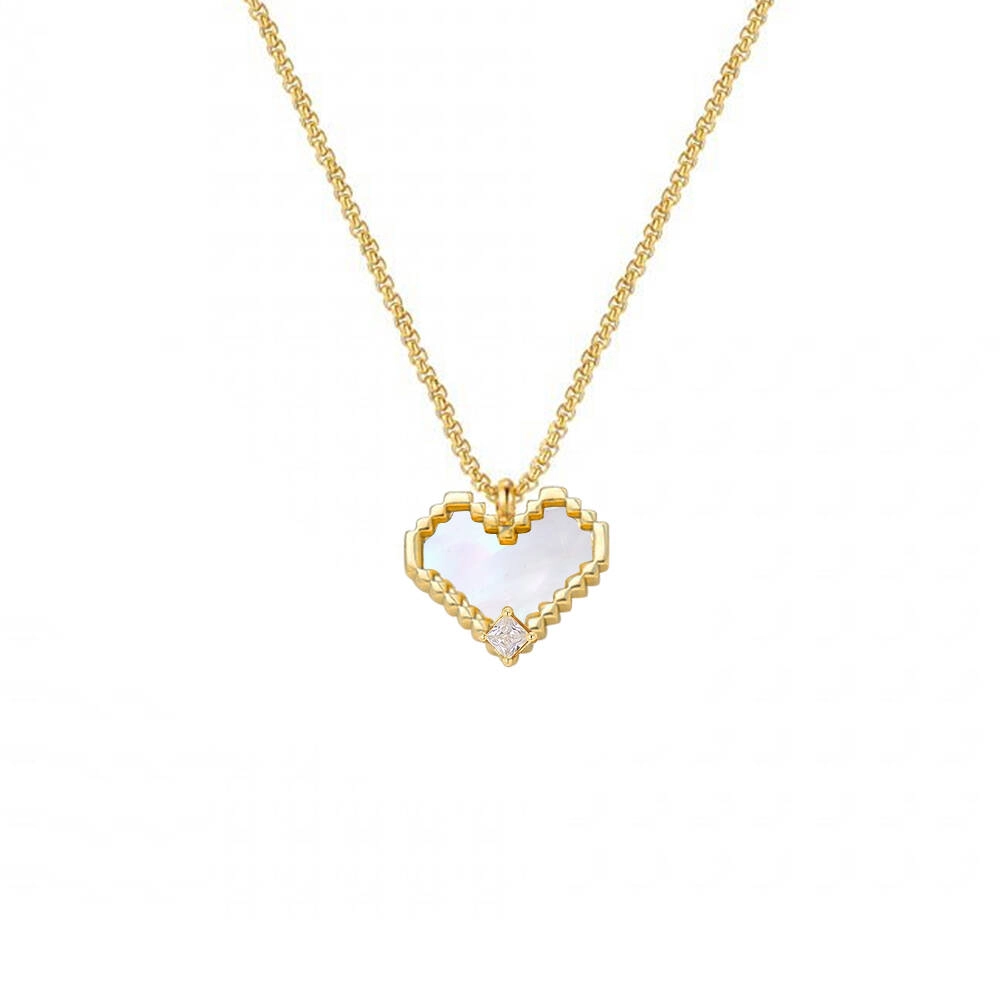
Mother of Pearl Heart Necklace with Zircon — Wholesale Jewelry OEM/ODM by Guangzhou Zhefan Jewelry
Eco-Friendly 925 Silver Rings: Sustainable Sourcing for Retailers
Popular 925 Silver Bracelet Styles for Retail Buyers 2026
Product Categories
You may also like

925 Silver Jewelry
Customizable High-Quality Fashion 925 Sterling Silver AAA Cubic Zirconia Heart-Shaped Open Tennis Bracelet.
Read More

Brass Jewelry
Customizable OEM ODM High-Quality Fashion Brass AAA Cubic Zirconia Classic Tennis Bracelet for Women Wholesale.
Read More
Get a Quote for Private Label Jewelry
We provide personalized jewelry customization services for clients worldwide.
Rest assured that your privacy is important to us, and all information provided will be handled with the utmost confidentiality.
By clicking 'Send Inquiry Now' I agree to ZHEFAN JEWELRY processing my personal data.
To see how to withdraw your consent, how to control your personal data and how we process it, please see our Privacy Policy and Terms of use.
From design to production, ZHEFAN JEWELRY offers a one-stop solution to help you enhance your brand value and market competitiveness.
Get A Quote
Contact
Tel: (+86) 188 1927 7817
© 2026 Zhefan Jewelry. All Rights Reserved.
Facebook
Instagram
YouTube
Whatsapp: +8618819277817