







Email: sales3@zhefanjewelry.com
From Concept to Catwalk: The Journey of a Collection with an OEM Jewelry Manufacturer
A practical guide to developing a fashion jewelry collection from market concept and design brief through prototyping, material selection, production, quality control, compliance, packaging, and runway launch. The article explains how brand owners can evaluate a custom jewelry manufacturing partner, control costs, reduce sampling risk, and scale collections across brass, 925 silver, sterling silver, gold vermeil, and pearl jewelry. It also presents how Zhefan Jewelry supports international brands with integrated OEM and ODM production, two factories, 600,000 pieces of monthly capacity, 500+ original styles each month, RoHS and REACH-compliant materials, six polishing rounds, and six quality inspections.
- How a Jewelry Collection Moves from Creative Direction to Commercial Reality
- 1. Establishing the collection architecture
- 2. Converting sketches into production specifications
- 3. Selecting materials and finishes for the intended market
- Development Gates That Protect Cost, Quality, and Launch Timing
- 4. Prototyping, mold development, and sample approval
- 5. Pilot runs and production readiness
- 6. Quality assurance and regulatory control
- Building a Scalable Partnership with a Custom Jewelry Manufacturer
- 7. Evaluating supplier capability beyond the sample room
- 8. Managing intellectual property and collection confidentiality
- 9. Turning the finished range into a catwalk and retail launch
- Why Brands Choose Zhefan Jewelry for Collection Development
- Integrated craftsmanship with production scale
- Design breadth across core commercial materials
- Documented finishing and buyer-focused quality control
- Commercial reasons to include Zhefan in a sourcing shortlist
- Frequently Asked Questions
Taking a jewelry collection from an initial creative direction to a catwalk-ready commercial range requires much more than attractive sketches. A capable oem jewelry manufacturer translates brand positioning, trend intelligence, technical drawings, material specifications, target costs, compliance requirements, and delivery milestones into repeatable production. The strongest development programs connect designers, product managers, sourcing teams, mold engineers, sample technicians, quality inspectors, and logistics operators from the beginning. This integrated approach helps brands launch distinctive brass jewelry, 925 silver jewelry, sterling silver jewelry, gold vermeil jewelry, and pearl jewelry with predictable quality, controlled margins, and a clear route from concept to retail.
How a Jewelry Collection Moves from Creative Direction to Commercial Reality
1. Establishing the collection architecture
Every successful range begins with a commercial brief rather than a collection of disconnected ideas. The brief should define the customer profile, selling channel, price ladder, seasonal story, expected order volume, target markets, hero products, supporting styles, and acceptable material alternatives. A fashion label launching through boutiques may prioritize limited-edition craftsmanship and High Quality packaging, while an e-commerce operator may require repeatable best sellers, fast replenishment, and photography-friendly designs.
Product owners should divide the range into categories such as statement pieces, everyday essentials, gifting products, and trend-led additions. This architecture supports balanced purchasing decisions. It also allows the factory to identify which styles need complex tooling, which can use existing components, and which should be engineered for efficient assembly. A clear assortment plan reduces late-stage redesigns and makes demand forecasting more useful.
2. Converting sketches into production specifications
Concept drawings are not yet manufacturing instructions. A production-ready tech pack should include dimensions, tolerances, metal or alloy composition, surface finish, plating color, stone or pearl specifications, clasp design, logo placement, chain length, weight expectations, packaging details, and reference images. It should also identify critical-to-quality features, including symmetry, closure strength, edge smoothness, solder points, and the visual consistency required across a collection.
Three-dimensional modeling and digital renderings help resolve proportion issues before a mold is cut. However, digital files must be reviewed alongside physical constraints. Extremely thin sections may deform during casting, deep recesses can complicate polishing, and sharp internal angles may increase finishing time. A technically strong supplier will recommend adjustments that preserve the creative intent while improving durability, manufacturability, and cost efficiency.
3. Selecting materials and finishes for the intended market
Material selection influences appearance, wear resistance, regulatory obligations, and retail positioning. Brass can support expressive forms and accessible price points, while 925 silver and sterling silver are suitable for customers seeking precious-metal content and long-term wear. Gold vermeil generally requires a sterling silver base with a defined gold layer, so the specification must state the plating thickness, karat, color, and inspection method. Pearl jewelry introduces additional considerations because natural, freshwater, and imitation pearls differ in shape, luster, surface characteristics, and grading conventions.
Surface engineering should be discussed in commercial terms. Options may include polished, brushed, hammered, oxidized, enamelled, plated, or antique finishes. The brief should state whether the product is intended for occasional fashion use or frequent wear, because the expected environment affects coating selection and care instructions. Buyers should also request material declarations and test documentation appropriate to the destination market rather than treating compliance as a final paperwork exercise.
Development Gates That Protect Cost, Quality, and Launch Timing
4. Prototyping, mold development, and sample approval
The prototype stage is where creative ambition meets engineering reality. Depending on the design, development may involve CAD modeling, wax or resin printing, master mold creation, rubber molding, casting, stamping, CNC work, soldering, stone setting, polishing, plating, and assembly. Each operation can influence the next one. For example, a casting surface with insufficient detail may require manual correction, while a poorly positioned joint can create visible marks after polishing.
Buyers should establish a documented sample approval process. A sample approval sheet can record dimensions, weight, color, logo placement, component count, plating appearance, packaging configuration, and approved reference photographs. Any deviation from the approved sample should be classified as either a permitted tolerance or a change requiring written authorization. This prevents production teams from interpreting verbal feedback differently and protects both the brand and the supplier.
5. Pilot runs and production readiness
A pilot run is more valuable than approving one attractive prototype. It tests whether the approved result can be repeated across multiple units and whether the manufacturing route is stable at the intended volume. The pilot should examine variation in weight, dimensions, plating color, solder strength, clasp function, stone security, pearl matching, and packaging assembly. For new suppliers or complex collections, a controlled pre-production batch can expose process weaknesses before the full order is committed.
Manufacturing readiness also includes capacity planning. The project owner should confirm raw material availability, mold completion, component lead times, line allocation, inspection resources, carton quantities, and the latest dispatch date. A supplier with strong capacity visibility can separate development scheduling from mass-production scheduling, reducing the risk that an urgent sampling request disrupts a confirmed purchase order.
6. Quality assurance and regulatory control
Quality control should be layered across incoming materials, in-process operations, finishing, final inspection, and packing. Incoming checks verify alloy or component conformity. In-process checks monitor casting defects, soldering, dimensions, and assembly. Final checks assess appearance, functionality, quantity, labeling, and packaging. Sampling plans should be documented, and the acceptance criteria should be agreed before production begins. ISO 9001 quality management principles provide a useful framework for controlled processes, corrective action, and continual improvement.
Compliance requirements vary by destination and product configuration. For European sales, buyers should understand restrictions under REACH, including obligations that may affect substances used in metals, coatings, and accessories. The ISO 2859-1 sampling standard is also a recognized reference for attribute-based inspection plans, although the correct sampling level must reflect product risk, order size, and buyer requirements. Test reports should be current, traceable to the supplied materials, and relevant to the destination market.
| Development stage | Primary buyer decision | Typical evidence required | Risk controlled |
|---|---|---|---|
| Concept brief | Does the range fit the customer and price architecture? | Assortment plan, target costs, channel requirements | Weak market positioning |
| Engineering and prototype | Can the design be produced consistently? | CAD files, technical drawings, approved sample | Unworkable geometry and excess tooling cost |
| Pilot production | Can the approved result be repeated at volume? | Pilot inspection report, dimensional checks, material records | Batch variation and late corrections |
| Mass production | Are quality and delivery controls active? | In-process records, final inspection, packing list | Defects, shortages, and missed launch dates |
| Post-launch review | Which styles should be replenished or revised? | Sales data, returns analysis, customer feedback | Repeated investment in weak products |
Building a Scalable Partnership with a Custom Jewelry Manufacturer
7. Evaluating supplier capability beyond the sample room
A polished sample does not prove that a supplier can support a full collection. Procurement teams should assess factory ownership or control, mold-making expertise, production capacity, workforce stability, quality systems, material traceability, export experience, communication discipline, and after-sales response. A site audit or structured video assessment should examine equipment, work-in-progress identification, inspection stations, plating coordination, storage conditions, and packing controls.
Commercial transparency is equally important. The quotation should separate tooling, sampling, unit production, plating, stones or pearls, packaging, testing, and freight-related charges where applicable. Buyers should confirm minimum order quantities by style and color, sample fees, mold ownership, revision limits, payment milestones, lead times, and the process for handling nonconforming goods. These details determine the true landed cost and reduce disputes after purchase order approval.
8. Managing intellectual property and collection confidentiality
Original jewelry designs represent commercial assets. Brand owners should define ownership of CAD files, molds, custom logos, packaging artwork, and developed components in the supply agreement. Confidentiality provisions should address photography, social media publication, sample retention, subcontracting, and the use of similar designs for other customers. A controlled file-naming system and access permissions can further reduce accidental leakage during revisions.
Trend speed should not compromise originality. A reliable production partner can provide design support and market-informed options without copying protected work. Buyers should request clear confirmation that proposed original styles, components, and surface treatments are available for lawful commercial use in the intended markets.
9. Turning the finished range into a catwalk and retail launch
The catwalk is the visible endpoint of a much longer operational chain. Finished pieces must arrive in the correct sequence for styling, photography, press previews, showroom appointments, influencer seeding, and retail delivery. Packaging should protect delicate finishes and maintain a consistent unboxing experience. Product data should be ready for e-commerce, including dimensions, material disclosures, care guidance, country-of-origin information where required, and high-resolution imagery.
Post-launch analysis closes the development loop. Sell-through, return reasons, customer reviews, defect rates, reorder velocity, and regional preferences can reveal whether the issue lies in design, sizing, pricing, packaging, or communication. Sharing structured feedback with the manufacturing partner enables faster replenishment and more informed improvements in the next collection.
Why Brands Choose Zhefan Jewelry for Collection Development
Integrated craftsmanship with production scale
Our team at Zhefan Jewelry combines the discipline of a long-established jewelry producer with the responsiveness required by fashion brands. Guangzhou Zhefan Jewelry was established in 2002, with a manufacturing legacy dating back to 1997. Founded by a master mold craftsman, our company has built its operating culture around continuous refinement of molds, finishing, assembly, and service.
We operate two factories in Guangzhou and Meizhou across 800 square meters, supported by more than 80 skilled artisans and 20 sales professionals. Our monthly output reaches 600,000 pieces, giving project owners a practical foundation for both launch quantities and replenishment programs. Scale is managed alongside development flexibility, so a collection can move from initial sampling to repeat orders without requiring a new supplier for every growth phase.
Design breadth across core commercial materials
Our professional design team introduces more than 500 original styles each month. This design activity gives buyers access to trend-responsive direction while leaving room for brand-specific customization. Our capabilities cover brass jewelry for accessible fashion ranges, 925 silver jewelry and sterling silver jewelry for elevated everyday collections, gold vermeil jewelry for High Quality positioning, and pearl jewelry for classic, bridal, gifting, and resort-inspired assortments.
OEM and ODM support can include concept adaptation, mold development, logo integration, material selection, surface finishing, packaging coordination, and production planning. This is particularly useful for brands that need a design partner able to convert a mood board into manufacturable products rather than simply quote from an existing catalog.
Documented finishing and buyer-focused quality control
Our process includes six rounds of precision polishing and six strict quality inspections. These controls are designed to reduce visible surface defects, inconsistent finishing, assembly problems, and shipment discrepancies. We also use eco-friendly materials compliant with RoHS and REACH requirements where applicable to the product and destination-market specification. Buyers should still confirm the exact testing and documentation package needed for each market and collection.
Zhefan Jewelry has supported leading Amazon sellers, including sellers ranked among the platform’s top three, as well as global retail customers such as Macy’s. That experience informs our focus on repeatability, delivery coordination, presentation quality, and responsive communication. Our role is not limited to manufacturing units; our team works to help brands strengthen market influence through dependable craftsmanship, rapid development, and scalable supply support.
Commercial reasons to include Zhefan in a sourcing shortlist
For a collection owner, the practical value of our model lies in combining original design flow, material range, factory capacity, inspection discipline, and dedicated service. Buyers can use an initial consultation to align the design brief with target cost, volume, finish, compliance expectations, and launch calendar. This reduces the gap between creative planning and purchase-order execution.
Before appointment, procurement teams should prepare reference images, target quantities, preferred materials, destination markets, packaging expectations, and required certifications. Our website at Zhefan Jewelry provides a starting point for reviewing our capabilities and product direction. For a collection-specific discussion, contact our sales team at sales3@zhefanjewelry.com.
Frequently Asked Questions
What information should a brand provide before requesting a jewelry manufacturing quotation?
A brand should provide reference images or sketches, target quantities, preferred materials, dimensions, plating or surface requirements, destination markets, packaging expectations, target costs, and the required launch date. These details allow the supplier to estimate tooling, sampling, production, compliance, and delivery requirements more accurately.
How can buyers verify that a jewelry design is suitable for mass production?
Buyers should request production-ready technical drawings, CAD files where appropriate, an approved physical sample, dimensional tolerances, and a documented pilot run. The pilot should check weight, dimensions, surface finish, soldering, clasp function, stone or pearl security, and repeatability across multiple units.
What quality inspections are important for a fashion jewelry collection?
Important controls include incoming material checks, in-process inspections, finishing reviews, functional tests, final appearance checks, quantity verification, and packaging inspection. Acceptance criteria and sampling methods should be agreed before production, with documentation available for traceability and corrective action.
What compliance documents should an international jewelry buyer request?
The required documents depend on the product and destination market. Buyers may need material declarations, relevant test reports, plating or coating information, and documentation addressing applicable restrictions such as REACH or RoHS requirements. Documents should be current, traceable to the supplied materials, and relevant to the intended market.
How does Zhefan Jewelry support both sampling and large production orders?
Zhefan Jewelry operates two factories in Guangzhou and Meizhou, has more than 80 skilled artisans and 20 sales professionals, and supports monthly output of 600,000 pieces. The company combines sampling and OEM or ODM development with production planning, six polishing rounds, six quality inspections, and replenishment support.
What jewelry materials can Zhefan Jewelry manufacture?
Zhefan Jewelry works with 925 silver, sterling silver, brass, and gold vermeil, and also develops pearl jewelry. Material, finish, plating, packaging, and compliance details are aligned with the collection brief and destination-market requirements.
Tags
OEM Gold Vermeil Jewelry
OEM Gold Vermeil Jewelry
handcrafted silver bracelet manufacturer
handcrafted silver bracelet manufacturer
Baroque Pearl Necklace
Baroque Pearl Necklace
silver bracelet manufacturers wholesale
silver bracelet manufacturers wholesale
brass jewelry wholesale supplier
brass jewelry wholesale supplier
custom packaging 925 silver adjustable ring
custom packaging 925 silver adjustable ring
Recommended for you
How to Choose a Reliable OEM Jewelry Manufacturer for Your Global Brand
Trending Designs in Custom Gold Plated Earrings 2026
Sustainable Silver Bracelet Manufacturing Practices
Minimum viable order: sampling strategies for new buyers
Product Categories
You may also like
Brass Jewelry
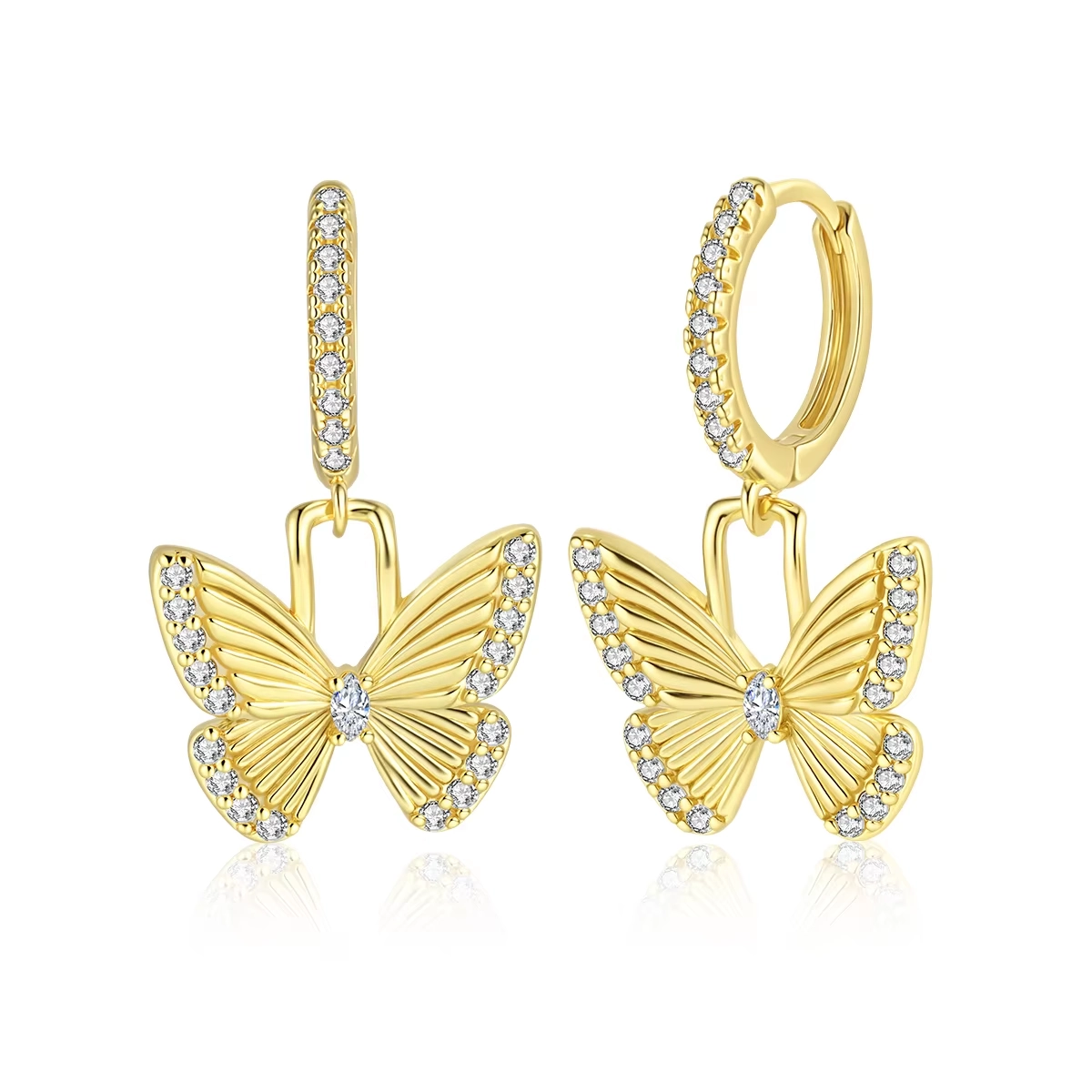
Custom Butterfly Hoop Earrings with Cubic Zirconia | 18K Gold Plated Jewelry
Read More
Brass Jewelry
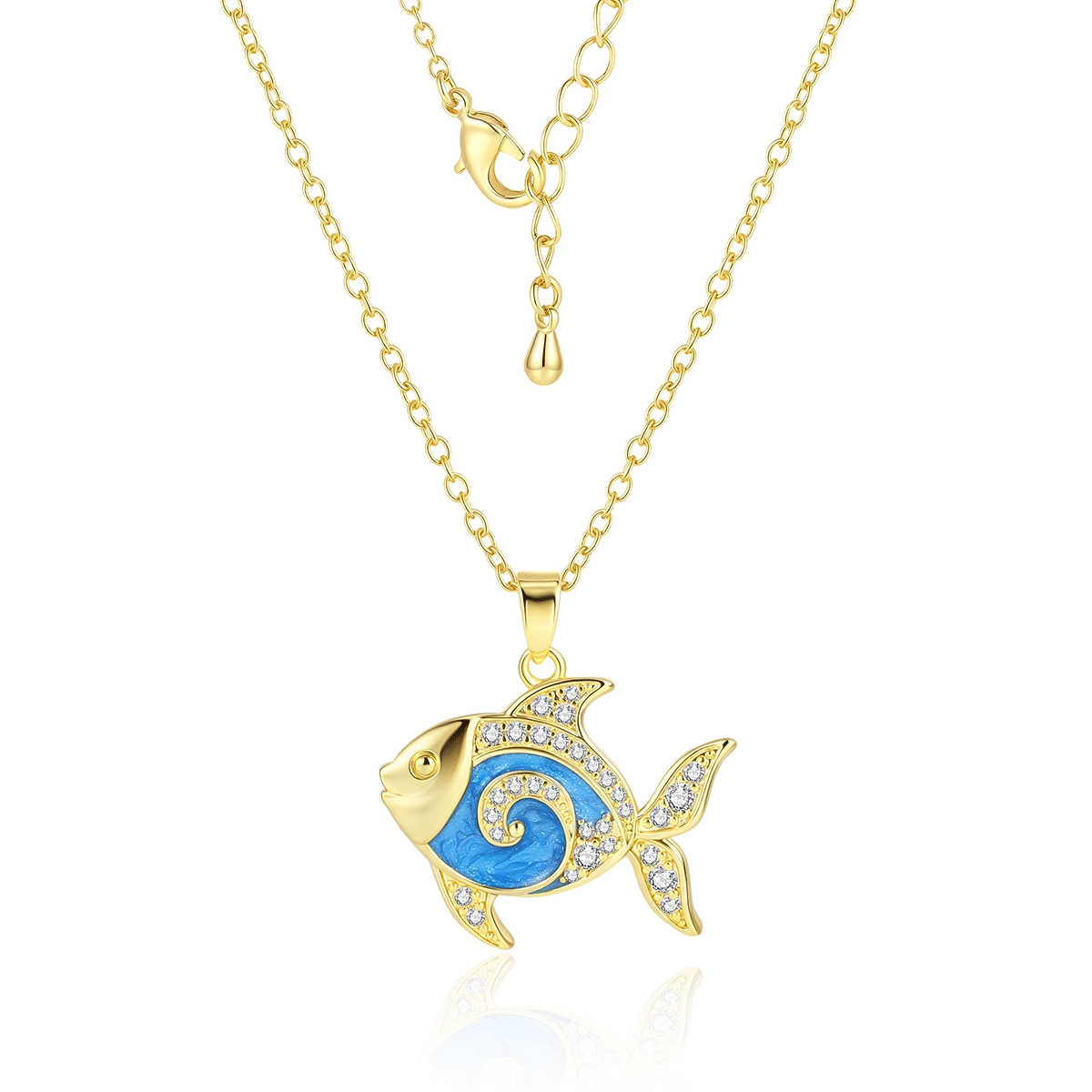
OEM Fish Shaped Necklace with Blue Enamel craft & Cubic Zirconia | 18K Gold Plated Custom Jewelry
Read More

925 Silver Jewelry
Customizable High-Quality Fashion 925 Sterling Silver AAA Cubic Zirconia Heart-Shaped Open Tennis Bracelet.
Read More
Get a Quote for Private Label Jewelry
We provide personalized jewelry customization services for clients worldwide.
Rest assured that your privacy is important to us, and all information provided will be handled with the utmost confidentiality.
By clicking 'Send Inquiry Now' I agree to ZHEFAN JEWELRY processing my personal data.
To see how to withdraw your consent, how to control your personal data and how we process it, please see our Privacy Policy and Terms of use.
From design to production, ZHEFAN JEWELRY offers a one-stop solution to help you enhance your brand value and market competitiveness.
Get A Quote
Contact
Tel: (+86) 188 1927 7817
© 2026 Zhefan Jewelry. All Rights Reserved.
Facebook
Instagram
YouTube
Whatsapp: +8618819277817