







Email: sales3@zhefanjewelry.com
How to Choose a Reliable OEM Jewelry Manufacturer for Your Global Brand
Selecting a reliable OEM jewelry manufacturer requires more than comparing unit prices. Global brands should evaluate material compliance, product development, mold engineering, quality-control systems, production capacity, communication, documentation, packaging, intellectual-property protection, and delivery performance. A qualified partner should demonstrate repeatable craftsmanship across brass jewelry, 925 silver jewelry, gold vermeil jewelry, and pearl jewelry while supporting scalable sampling, transparent costing, international compliance, and consistent batch quality. This guide explains a practical supplier-evaluation process and shows how Zhefan Jewelry combines skilled manufacturing, high-volume capacity, design agility, and documented inspection procedures for international brand programs.
- How to Evaluate a Global Jewelry Production Partner
- Begin with product and market requirements
- Verify technical competence, not only catalog breadth
- Check compliance and traceability
- Due Diligence for Quality, Cost, and Delivery Risk
- Compare quotations on a total-cost basis
- Assess production planning and capacity
- Review communication and intellectual-property controls
- Use independent standards as a verification framework
- Why Zhefan Jewelry Supports Scalable Brand Programs
- Established craftsmanship with industrial capacity
- Material expertise across commercial jewelry categories
- Process control designed for consistent presentation
- A practical partnership model for international buyers
- Recommended supplier-selection workflow
- Frequently Asked Questions
Selecting a dependable production partner is a strategic decision that affects product quality, launch timing, regulatory exposure, customer reviews, and long-term brand equity. A capable jewelry production supplier does more than convert drawings into finished pieces. It interprets technical specifications, recommends appropriate alloys and plating systems, controls dimensional accuracy, protects confidential designs, coordinates packaging, and maintains consistency when an order moves from prototype to mass production. For global brands, the right partner must therefore be assessed as an operational extension of the business rather than as a low-cost source.
How to Evaluate a Global Jewelry Production Partner
Begin with product and market requirements
Before contacting factories, project owners should define the product brief in measurable terms. The brief should identify the target consumer, selling channel, price architecture, expected annual volume, launch date, preferred materials, plating color, stone or pearl specifications, packaging requirements, and destination markets. A supplier cannot provide a meaningful quotation when the request only states “high-quality custom jewelry.” A stronger request includes reference images, CAD files when available, dimensions, tolerances, logo placement, finish requirements, packaging details, and the quantity required for sampling and production.
Material selection should reflect both positioning and compliance obligations. Brass jewelry can support accessible fashion collections and complex sculptural forms, while sterling silver jewelry and 925 silver jewelry are commonly selected for High Quality everyday products. Gold vermeil jewelry requires particular control over the silver base, gold thickness, surface preparation, and wear expectations. Pearl jewelry requires additional attention to drilling, matching, surface condition, color variation, and secure setting. These distinctions should appear in the technical specification before the quotation stage.
Verify technical competence, not only catalog breadth
A large online catalog does not prove that a supplier can manufacture a brand’s original designs. Buyers should ask how the factory handles mold creation, wax or resin models, casting, soldering, stone setting, polishing, plating, assembly, and final inspection. The supplier should be able to explain which processes are performed internally and which are subcontracted. Outsourcing is not automatically unacceptable, but undisclosed subcontracting can create quality, confidentiality, and scheduling risks.
Sample evaluation should focus on functional and aesthetic details: clasp strength, post alignment, solder joints, edge comfort, symmetry, logo legibility, plating uniformity, stone security, and resistance to tarnishing under the intended care conditions. A professional supplier will record revisions and distinguish between a design change, a manufacturing deviation, and an approved tolerance. This documentation prevents disagreements when a production sample is compared with an approved reference.
Check compliance and traceability
International buyers should request current material declarations, test reports, and process documentation relevant to the destination market. For chemical restrictions, the European Union’s official REACH Regulation provides the legal framework governing the registration, evaluation, authorization, and restriction of chemicals. Buyers should also understand that a supplier’s statement of compliance is not identical to an independent laboratory test for every finished product.
Quality management principles can be assessed against ISO 9001 quality management guidance, even when a factory is not certified. Relevant questions include whether inspection criteria are written, whether nonconforming items are segregated, whether corrective actions are tracked, and whether records can be linked to a batch or production order. For brands selling in multiple countries, traceability is especially valuable when a retailer, marketplace, or regulator requests supporting evidence.
Due Diligence for Quality, Cost, and Delivery Risk
Compare quotations on a total-cost basis
The lowest quoted unit price may not produce the lowest commercial cost. A realistic comparison should include mold or tooling charges, sample fees, plating options, stone or pearl grades, packaging, inspection, freight preparation, payment terms, minimum order quantity, remake policy, and potential rework. Buyers should also clarify whether the quoted price is based on a fixed material weight or whether it can change after engineering review.
Cost transparency is particularly important for precious-metal products. A quotation for 925 silver jewelry should identify whether silver weight is estimated or confirmed, how metal-price fluctuations are handled, and whether the price includes findings, stones, polishing, plating, and branded packaging. For gold vermeil jewelry, the specification should clarify the base metal, karat, plating thickness or technical standard, and testing method. Without these details, two apparently similar quotations may describe materially different products.
Assess production planning and capacity
Capacity should be evaluated against the buyer’s actual launch plan rather than treated as a headline number. Ask about monthly output by product category, peak-season constraints, available finishing lines, mold queue times, sample lead times, and the factory’s approach to urgent replenishment. A supplier that accepts every order without showing a scheduling process may create delays when multiple customers compete for the same resources.
Reliable operators normally provide a milestone schedule covering design confirmation, engineering, sample production, approval, material purchasing, bulk manufacturing, inspection, packing, and dispatch. The schedule should identify approval gates. No bulk production should begin on ambiguous artwork or an unapproved color standard. This disciplined process reduces the risk of expensive rework and protects a planned retail launch.
Review communication and intellectual-property controls
Communication quality is a procurement indicator. Buyers should test how quickly and accurately the supplier answers technical questions, summarizes decisions, reports risks, and escalates problems. A strong account team can convert commercial requirements into factory instructions without losing critical details. It should also provide clear production updates instead of vague assurances.
Design confidentiality requires a written agreement covering drawings, CAD files, molds, logos, photographs, prototypes, and restrictions on resale. Brands should ask who owns the tooling, where it is stored, who can authorize reproduction, and how obsolete molds are handled. A supplier’s willingness to document these points demonstrates operational maturity and reduces the risk of unauthorized duplication.
| Evaluation area | Weak supplier signal | Reliable supplier evidence | Buyer action |
|---|---|---|---|
| Material compliance | Only verbal claims or outdated certificates | Current declarations, test reports, and batch records | Match documents to the exact material and destination market |
| Sampling | One sample with no revision history | Controlled prototype process with approval records | Approve a signed or digitally documented reference sample |
| Quality control | Final visual check only | Defined incoming, in-process, and final inspections | Agree inspection criteria and defect tolerances in writing |
| Capacity | Unqualified monthly output claim | Production schedule, equipment scope, and staffing details | Validate capacity against the planned launch and replenishment cycle |
| Costing | Single unexplained unit price | Itemized cost with assumptions and change conditions | Compare total landed and rework exposure, not price alone |
| Communication | Delayed answers and undocumented changes | Named contacts, milestone reports, and escalation procedures | Set response times and approval responsibilities before kickoff |
Use independent standards as a verification framework
Standards do not replace factory audits, but they help buyers ask consistent questions. The ISO 2859-1 sampling standard is commonly referenced for attribute-based acceptance sampling, although the applicable inspection level and acceptable quality limit must be agreed for the specific product and risk profile. Jewelry brands should not copy a generic sampling plan without considering product value, defect severity, and customer expectations.
For consumer-facing claims, brands should also review guidance from the U.S. Federal Trade Commission jewelry and precious-metals rules when products are marketed in the United States. Hallmarking, metal descriptions, country-specific labeling, nickel restrictions, packaging claims, and environmental statements may vary by market. The manufacturer should provide technical support, but the brand remains responsible for ensuring that its final marketing and labeling are lawful.
Why Zhefan Jewelry Supports Scalable Brand Programs
Established craftsmanship with industrial capacity
Zhefan Jewelry is a fashion jewelry manufacturer established in 2002, with a company legacy dating back to 1997. Founded by a master mold craftsman, our manufacturing culture is built around continuous refinement of tooling, finishing, and production execution. We operate two factories in Guangzhou and Meizhou across 800 square meters, supported by more than 80 skilled artisans and 20 sales professionals. This structure allows our team to coordinate development and production while maintaining direct communication with international clients.
Our monthly output reaches approximately 600,000 pieces, giving growing brands a practical path from initial sampling to repeat wholesale production. Capacity alone is not the objective; the objective is dependable capacity supported by planning, experienced operators, and clear quality gates. This is particularly relevant for retailers and marketplace sellers that require regular replenishment rather than a one-time order.
Material expertise across commercial jewelry categories
Our product capabilities include brass jewelry, 925 silver jewelry, sterling silver jewelry, gold vermeil jewelry, and pearl jewelry. These categories require different engineering decisions. Brass designs may involve intricate casting and protective finishes; silver pieces require accurate alloy specifications and surface control; vermeil programs require disciplined plating preparation; and pearl designs require careful matching, drilling, setting, and handling.
Our design team introduces more than 500 original styles each month, helping brands evaluate new silhouettes, seasonal themes, and commercially relevant variations. For OEM and ODM programs, original development can shorten the distance between a market opportunity and a production-ready collection. Buyers can also provide their own concepts for adaptation, refinement, branding, and manufacturing.
Process control designed for consistent presentation
Our process includes six rounds of precision polishing and six strict quality inspections. These controls are intended to address the details that most influence customer perception: surface smoothness, edge quality, plating appearance, assembly accuracy, and overall presentation. Inspection should not be viewed as a final sorting activity only; it should support defect prevention throughout development and production.
We use eco-friendly materials designed to comply with RoHS and REACH requirements, subject to the specific product specification and applicable market documentation. Our experience serving leading Amazon sellers and global retailers including Macy’s gives our team familiarity with structured approvals, retail expectations, private-label requirements, and the importance of dependable delivery. Buyers should still confirm the documents, specifications, and testing requirements for each individual program.
A practical partnership model for international buyers
Our OEM and ODM service can support concept review, material selection, sampling, logo integration, mold development, bulk manufacturing, inspection, and export preparation. The commercial value is not limited to manufacturing price. A coordinated development process can reduce avoidable sampling cycles, improve collection consistency, protect launch timing, and create a more predictable replenishment program.
For a first project, buyers should send a structured brief with target quantities, reference designs, destination markets, required tests, packaging expectations, and launch deadlines. Our sales and engineering teams can then assess manufacturability, clarify assumptions, recommend appropriate materials, and prepare a quotation that reflects the actual product requirements. Visit Zhefan Jewelry to review our capabilities and product direction.
Recommended supplier-selection workflow
A disciplined selection process can be completed in six stages: define the product and market requirements; shortlist manufacturers with relevant material and process experience; verify facilities, documentation, and communication; request controlled samples; agree specifications, quality criteria, tooling ownership, and commercial terms; and begin with a manageable pilot order before scaling. This approach gives buyers evidence at every decision point and limits exposure to unverified claims.
The most reliable manufacturing relationship is built on measurable expectations. Every important agreement should be written into the purchase order, technical pack, quality protocol, or commercial contract. When a supplier can combine transparent communication, skilled craftsmanship, documented inspections, suitable capacity, and responsive development support, the relationship can evolve from transactional sourcing into a durable global supply partnership.
Contact Zhefan Jewelry at sales3@zhefanjewelry.com to discuss custom designs, OEM and ODM programs, and scalable brass, silver, vermeil, or pearl jewelry production for your global brand.
Frequently Asked Questions
What should a global brand check before selecting a jewelry manufacturing partner?
A brand should assess material compliance, manufacturing processes, sampling controls, quality inspections, production capacity, costing transparency, delivery planning, communication, intellectual-property protection, and documentation for each destination market.
How can buyers compare jewelry factory quotations accurately?
Buyers should compare total cost rather than unit price alone, including tooling, samples, materials, plating, stones or pearls, packaging, inspection, payment terms, minimum order quantities, freight preparation, and possible rework exposure.
What documents should a jewelry supplier provide for international orders?
Depending on the product and destination, buyers may request material declarations, REACH or RoHS-related documentation, laboratory test reports, product specifications, inspection records, packing information, and traceability records connected to the production batch.
Why is a pre-production sample important for custom jewelry?
A controlled pre-production sample establishes the approved reference for dimensions, finish, color, logo placement, assembly, stones, pearls, and packaging. It reduces ambiguity and gives the factory a documented standard for bulk manufacturing and inspection.
What is the difference between OEM and ODM jewelry production?
OEM production generally manufactures a buyer’s specified design, branding, and technical requirements. ODM production typically uses a manufacturer’s existing design or development capability, which can then be adapted with selected materials, finishes, branding, or packaging for the buyer.
Can Zhefan Jewelry support both small development projects and large production orders?
Zhefan Jewelry supports product development and scalable production through two factories in Guangzhou and Meizhou, more than 80 skilled artisans, a monthly output of approximately 600,000 pieces, and OEM and ODM services for international brands.
Tags
rhodium plated cz brass jewelry
rhodium plated cz brass jewelry
custom stud earrings
custom stud earrings
925 sterling silver hoop earrings
925 sterling silver hoop earrings
adjustable cz tennis bracelet wholesale
adjustable cz tennis bracelet wholesale
women's brass rings
women's brass rings
custom plated brass earrings wholesale
custom plated brass earrings wholesale
Recommended for you
Private Label Jewelry Manufacturer Certifications: How to Verify Quality and Compliance
Top 10 mens bracelets silver 925 Manufacturers and Supplier Brands in China
Preventing tarnish: coatings and care for brass earrings
How to Scale Your Jewelry Business With the Right ODM Manufacturing Partner
Product Categories
You may also like
Brass Jewelry
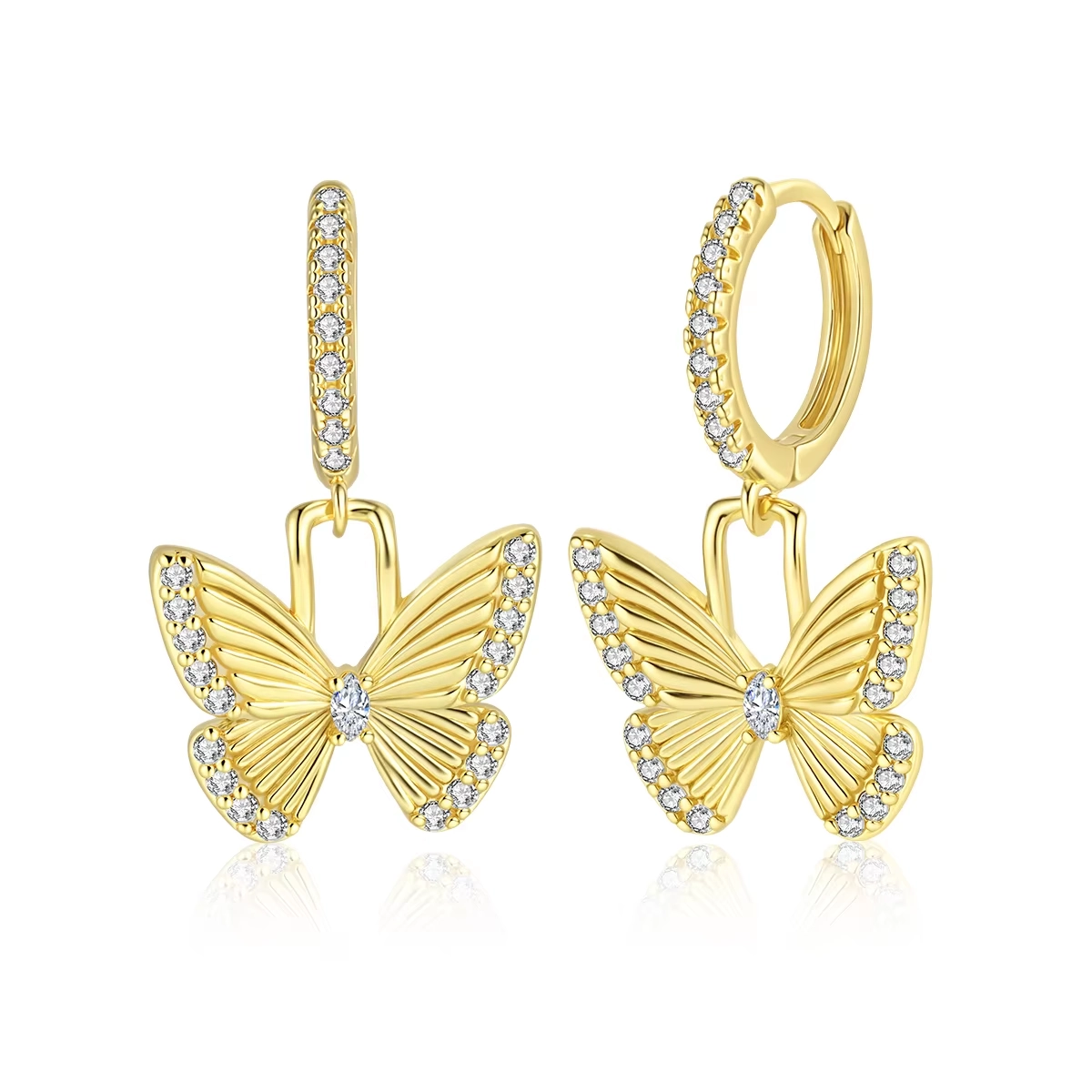
Custom Butterfly Hoop Earrings with Cubic Zirconia | 18K Gold Plated Jewelry
Read More
Brass Jewelry
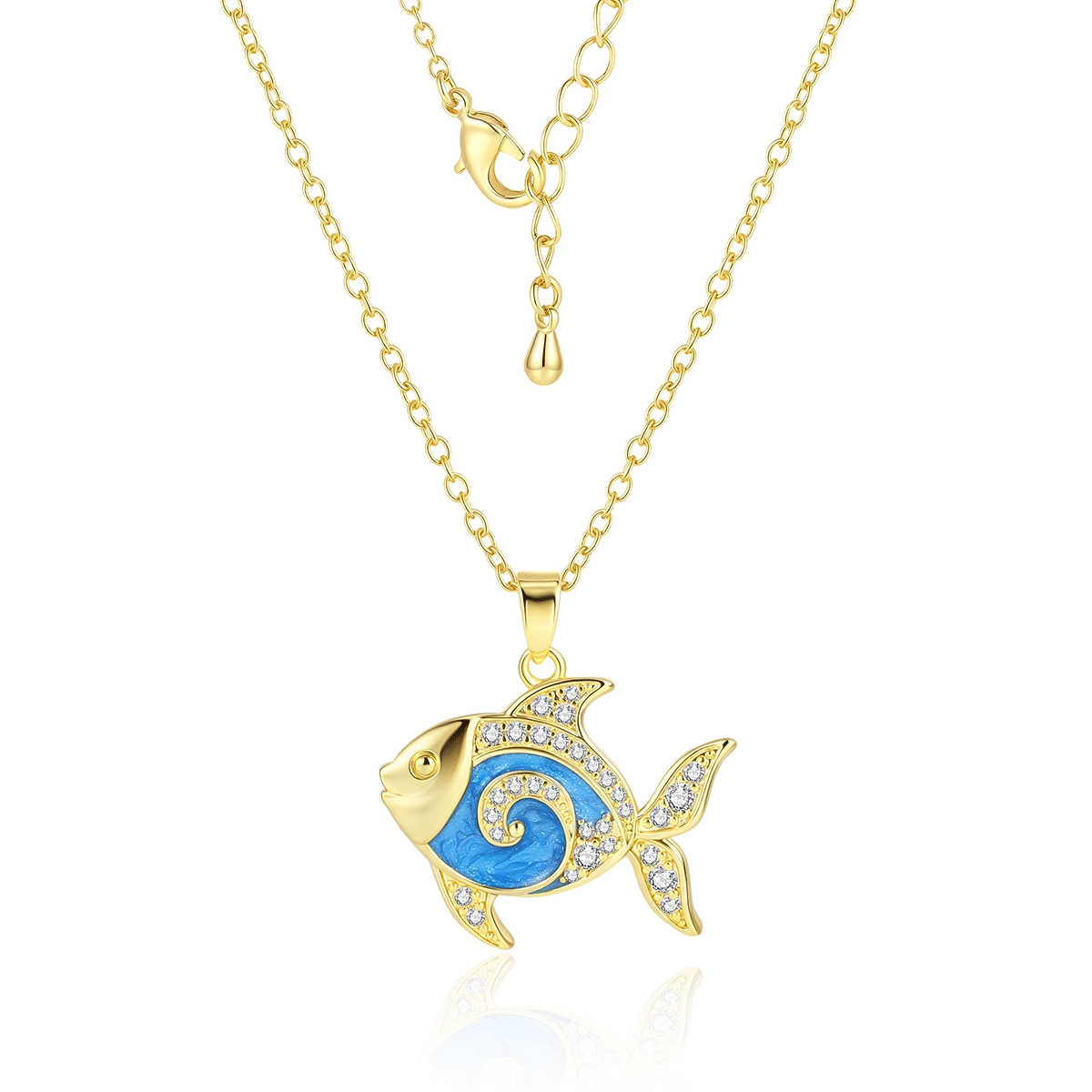
OEM Fish Shaped Necklace with Blue Enamel craft & Cubic Zirconia | 18K Gold Plated Custom Jewelry
Read More

925 Silver Jewelry
Customizable High-Quality Fashion 925 Sterling Silver AAA Cubic Zirconia Heart-Shaped Open Tennis Bracelet.
Read More
Get a Quote for Private Label Jewelry
We provide personalized jewelry customization services for clients worldwide.
Rest assured that your privacy is important to us, and all information provided will be handled with the utmost confidentiality.
By clicking 'Send Inquiry Now' I agree to ZHEFAN JEWELRY processing my personal data.
To see how to withdraw your consent, how to control your personal data and how we process it, please see our Privacy Policy and Terms of use.
From design to production, ZHEFAN JEWELRY offers a one-stop solution to help you enhance your brand value and market competitiveness.
Get A Quote
Contact
Tel: (+86) 188 1927 7817
© 2026 Zhefan Jewelry. All Rights Reserved.
Facebook
Instagram
YouTube
Whatsapp: +8618819277817