







Email: sales3@zhefanjewelry.com
Gold Vermeil vs Gold Plated Jewelry: Which Option Is Best for Your Collection?
Gold vermeil and gold plated jewelry serve different commercial and product-positioning needs. Vermeil uses sterling silver as its substrate and generally offers a thicker, more premium gold layer, while plated jewelry can use brass, copper, stainless steel, or other base metals with coating thickness and durability that vary by supplier. For buyers building a collection, the right choice depends on target price, wear frequency, skin-sensitivity requirements, design complexity, margin objectives, packaging claims, and quality-control documentation. This guide compares construction, performance, compliance, cost, customization, and sourcing considerations so retailers, private-label brands, and distributors can select the most suitable jewelry platform.
- How Gold Vermeil and Gold Plating Differ in Construction
- Base metal determines the product’s commercial identity
- Coating thickness affects wear life
- Claims, labeling, and customer expectations
- Performance, Cost, and Collection Strategy
- Wear behavior in everyday use
- Unit economics and retail positioning
- Skin sensitivity and compliance screening
- How to Select a Manufacturing Partner for a Reliable Collection
- Evaluate capability rather than catalog language
- Use a risk-based quality-control plan
- Build an assortment instead of choosing one finish for every SKU
- Protect margin through specification discipline
- Recommended sourcing checklist
- Frequently Asked Questions
- Is gold vermeil better than gold plated jewelry?
- How thick should gold vermeil be?
- Does gold plated brass jewelry tarnish?
- Is vermeil suitable for sensitive skin?
- What documents should a jewelry buyer request from a supplier?
- Can one collection include both vermeil and plated jewelry?
Gold vermeil and gold plated jewelry are not interchangeable product categories. The visible surface may look similar at launch, but the underlying metal, coating thickness, durability, compliance documentation, and expected retail position can differ substantially. In general, vermeil is a High Quality finish built on sterling silver, whereas conventional plated jewelry may use brass or another base metal and is usually optimized for accessible pricing. A collection owner should therefore assess more than color and initial appearance: the decision should reflect customer expectations, product lifecycle, target margin, return risk, and the level of material transparency promised on the product page.
How Gold Vermeil and Gold Plating Differ in Construction
Base metal determines the product’s commercial identity
Gold vermeil is commonly understood as a gold layer applied over sterling silver. In the United States, the Federal Trade Commission Jewelry Guides describe vermeil as gold or gold alloy applied to sterling silver, with requirements relating to gold fineness and coating thickness. This underlying silver platform gives the item a precious-metal foundation and supports a higher-end merchandising story. Sterling silver is generally defined as at least 92.5% pure silver, although buyers should still request alloy specifications and documentation for each production lot.
Gold plated jewelry is a broader category. The substrate may be brass, copper, stainless steel, or silver, and the coating can be applied through electroplating or related finishing processes. That flexibility helps manufacturers control cost, weight, strength, and design performance. It also means that the phrase gold plated alone does not tell a buyer enough about longevity. Base-metal composition, nickel content, surface preparation, gold alloy, barrier layers, and coating thickness all influence the final result.
Coating thickness affects wear life
Gold coating thickness is normally expressed in microns. A thicker deposit generally provides greater resistance to friction, perspiration, cleaning, and repeated handling, although thickness alone cannot compensate for poor adhesion or inadequate surface preparation. The ISO 4527 standard overview provides context for metallic coatings on engineering materials, while jewelry suppliers may use their own production specifications and test methods. Buyers should ask whether a quoted micron value is nominal, minimum local thickness, or an estimated average.
Vermeil is often positioned above flash-plated or lightly plated products because it is intended to provide a more substantial gold layer over sterling silver. However, market terminology is not a substitute for a written specification. A responsible supplier should state gold karat, minimum coating thickness, substrate, plating method, polishing requirements, and acceptable visual tolerance in the purchase order.
Claims, labeling, and customer expectations
Material claims have direct commercial consequences. Calling a product vermeil when the base is brass can create customer complaints, marketplace compliance issues, and avoidable returns. The U.S. Code of Federal Regulations Jewelry Guides is a useful reference for terminology and disclosure principles, but regulations differ by destination market. Importers should also review local rules covering precious-metal descriptions, country-of-origin statements, nickel release, and consumer advertising.
For global collections, the safest approach is to maintain a product data sheet for every SKU. It should identify the base material, plating composition, karat, thickness, dimensions, stone or pearl details, care instructions, and test records. This documentation enables consistent product pages and gives distributors evidence to support their own retail claims.
Performance, Cost, and Collection Strategy
Wear behavior in everyday use
Neither finish is permanently immune to abrasion. Rings, bracelets, watch-contact pieces, and frequently handled pendants normally experience more friction than earrings or occasional-wear necklaces. Chlorine, perfume, cosmetics, acidic perspiration, household chemicals, and moisture can accelerate discoloration or coating loss. A vermeil item can deliver better perceived value and a longer service period than lightly plated brass, but its exposed silver substrate may eventually tarnish if the gold layer is damaged.
Plated brass can be a practical solution for fashion-led collections, seasonal drops, promotional programs, and designs where low unit cost is central to the business model. Its performance depends heavily on the barrier system between brass and gold. Without suitable preparation, brass migration, surface oxidation, or uneven color may affect the appearance. Buyers should evaluate finished samples after sweat, water, rubbing, and packaging tests rather than approving a sample solely from visual inspection.
Unit economics and retail positioning
Vermeil generally carries higher material and process costs because sterling silver has greater raw-material value than common base metals. It may also require more careful polishing, soldering, stone setting, and quality control. The additional cost can be justified when the collection targets High Quality gifting, bridal accessories, elevated everyday wear, or customers who actively search for sterling silver and precious-metal content.
Gold plated brass is often more efficient when a brand needs broad color variety, intricate lightweight forms, rapid seasonal turnover, or a lower recommended retail price. The correct comparison should include more than factory price. Buyers should model packaging, testing, freight, defect rates, warranty exposure, expected returns, refinishing limitations, and the marketing value of a precious-metal substrate.
| Decision factor | Gold vermeil | Gold plated jewelry | Procurement implication |
|---|---|---|---|
| Typical substrate | Sterling silver | Brass, copper, stainless steel, silver, or another specified metal | Confirm the substrate in the technical specification and invoice. |
| Market position | High Quality or demi-fine | Fashion, accessible luxury, or promotional | Match the material story with the intended retail price. |
| Coating requirement | Often specified at a substantial thickness under applicable vermeil definitions | Varies widely by supplier and product program | Request minimum micron thickness and test methodology. |
| Raw-material cost | Usually higher because of sterling silver content | Usually lower when a base metal is used | Calculate total landed cost rather than unit price alone. |
| Repair and refinishing | May support High Quality repair pathways, subject to design and damage | Often treated as a replacement or re-plating decision | Define after-sales policy before launch. |
| Best-fit applications | High Quality core collections, gifting, bridal, elevated basics | Trend collections, high-volume programs, accessible fashion | Use assortment architecture instead of forcing one finish across all SKUs. |
Skin sensitivity and compliance screening
Gold color does not prove that an item is hypoallergenic. Nickel, cobalt, lead, and other substances may be present in an alloy, solder, plating bath, or base metal. The European Chemicals Agency nickel guidance explains why prolonged skin contact and release limits matter for jewelry sold in Europe. A buyer serving multiple markets should request nickel-release testing and, where relevant, lead and cadmium reports from an accredited laboratory.
Sterling silver construction can simplify High Quality positioning, but it does not automatically eliminate all sensitivity concerns. Findings, clasps, solder, posts, and decorative components must be assessed as part of the complete finished item. Supplier documentation should identify the laboratory, test standard, sample identity, and report date so the evidence can be connected to the actual production specification.
How to Select a Manufacturing Partner for a Reliable Collection
Evaluate capability rather than catalog language
When sourcing from a gold vermeil jewelry manufacturer, buyers should assess process control across development, casting or forming, soldering, polishing, stone setting, cleaning, plating, inspection, and packing. A polished website cannot demonstrate coating consistency. More useful evidence includes a current material declaration, sample approval process, production tolerances, plating records, inspection photographs, and a clear corrective-action procedure.
A capable partner should be able to separate prototype approval from mass-production approval. The approved sample should record dimensions, weight, color reference, surface texture, clasp operation, stone security, logo placement, and packaging requirements. For repeat orders, retained reference samples and lot-based inspections help prevent gradual changes in color or thickness that can undermine a cohesive collection.
Use a risk-based quality-control plan
Inspection priorities should reflect the product’s failure modes. For a vermeil necklace, inspect silver purity documentation, solder seams, chain tensile performance, clasp function, plating coverage, and scratch resistance. For brass-based plated earrings, add post composition, backing fit, nickel release, barrier coverage, and potential discoloration around the ear contact area. For pearl jewelry, verify drilling, knotting or linkage, nacre condition, matching, and protection during shipping.
Sampling plans can be aligned with recognized quality-management practices such as ISO 9001 quality management principles, while the exact inspection level should be agreed contractually. A purchase order should define acceptable quality limits, critical defects, major defects, minor defects, rework responsibilities, and the buyer’s right to inspect before shipment. This converts quality from a subjective conversation into an operational control.
Build an assortment instead of choosing one finish for every SKU
Many successful collections use a tiered architecture. Sterling silver and vermeil can anchor the High Quality range, brass jewelry can support fashion-forward silhouettes and accessible price points, and 925 silver jewelry can provide a recognizable material platform for customers seeking precious-metal content. Pearl jewelry can add gifting appeal and soften a highly metallic assortment. This approach lets a brand serve different budgets without presenting every item as equivalent.
Our product-development approach can support this type of portfolio logic by connecting material selection with design intent, target price, and channel requirements. Our manufacturing process can be evaluated across brass jewelry, 925 silver jewelry, sterling silver jewelry, gold vermeil jewelry, and pearl jewelry programs, allowing buyers to consolidate compatible categories while preserving differentiated specifications. The practical advantage is not simply a wider catalog; it is a more coherent sourcing strategy with shared development communication, packaging coordination, and quality documentation.
Protect margin through specification discipline
Our team recommends treating every commercial claim as a controlled product attribute. Terms such as sterling silver, vermeil, gold plated, freshwater pearl, hypoallergenic, and tarnish resistant should appear only when supported by the agreed specification and applicable evidence. This protects the brand from inconsistent listings and helps distributors sell with confidence.
For custom programs, our engineering and production coordination can help convert sketches into manufacturable designs by reviewing wall thickness, weight, stone security, clasp geometry, plating access, and packaging constraints before sampling. Early engineering review reduces late-stage tooling changes and helps buyers compare quotations on a like-for-like basis. It also makes it easier to decide whether a design is commercially better suited to brass, sterling silver, or a vermeil construction.
Recommended sourcing checklist
- Define the substrate and alloy for every component that touches the skin.
- Specify gold karat, color, coating thickness, and acceptable appearance range.
- Request laboratory reports relevant to the destination market and product type.
- Approve a sealed reference sample before bulk production.
- Test high-friction styles more aggressively than occasional-wear styles.
- Calculate total landed cost, defect exposure, returns, and replenishment lead time.
- Align product-page language, packaging copy, invoices, and certificates.
The best choice is therefore determined by the collection’s commercial promise. Gold vermeil is usually the stronger option when precious-metal content, High Quality perception, and long-term customer value justify a higher cost. Gold plated jewelry is often the better tool for accessible pricing, rapid trend response, and broad design experimentation. In both cases, consistent specifications and accountable manufacturing are more important than relying on a finish name alone.
Frequently Asked Questions
Is gold vermeil better than gold plated jewelry?
Neither option is universally better. Vermeil is generally better for High Quality collections because it uses sterling silver as the substrate and supports a stronger precious-metal value proposition. Gold plated jewelry can be better for accessible pricing, seasonal designs, and high-volume programs when the coating and base-metal specifications are properly controlled.
How thick should gold vermeil be?
Buyers should use the applicable market definition and require the supplier to state the minimum coating thickness in writing. In the United States, FTC guidance commonly associated with vermeil includes a 2.5-micron minimum gold thickness, along with sterling silver as the base and a qualifying gold fineness. The purchase order should still identify the exact specification and test method.
Does gold plated brass jewelry tarnish?
It can tarnish or change appearance when the gold layer wears, when brass is exposed, or when the item encounters moisture, chemicals, perspiration, or inadequate surface preparation. A suitable barrier layer, controlled plating process, care guidance, and realistic product positioning can reduce the risk but cannot make the coating permanent.
Is vermeil suitable for sensitive skin?
Vermeil may be suitable for many customers, but the term alone does not prove that a finished item is hypoallergenic. Posts, backs, clasps, solder, and other components may contain sensitizing substances. Buyers should request nickel-release and other relevant compliance testing for the complete finished product.
What documents should a jewelry buyer request from a supplier?
Useful documents include material declarations, alloy or purity information, plating specifications, laboratory compliance reports, approved sample records, inspection standards, packaging details, and care instructions. For regulated markets, buyers should also request evidence that product claims and labeling follow the destination country’s requirements.
Can one collection include both vermeil and plated jewelry?
Yes. A tiered assortment can use vermeil or sterling silver for High Quality anchor products and plated brass for trend-led or entry-price styles. The key requirement is transparent labeling, consistent quality within each tier, and product pages that clearly explain the material differences.
Contact our team to review your collection requirements and explore brass jewelry, 925 silver jewelry, sterling silver jewelry, gold vermeil jewelry, and pearl jewelry solutions matched to your target market and quality specifications.
Tags
adjustable cz tennis bracelet wholesale
adjustable cz tennis bracelet wholesale
gold plated brass jewelry supplier
gold plated brass jewelry supplier
hypoallergenic brass hoop earrings
hypoallergenic brass hoop earrings
eco friendly brass chunky hoops
eco friendly brass chunky hoops
custom brass layered necklace
custom brass layered necklace
bulk custom brass necklaces
bulk custom brass necklaces
Recommended for you
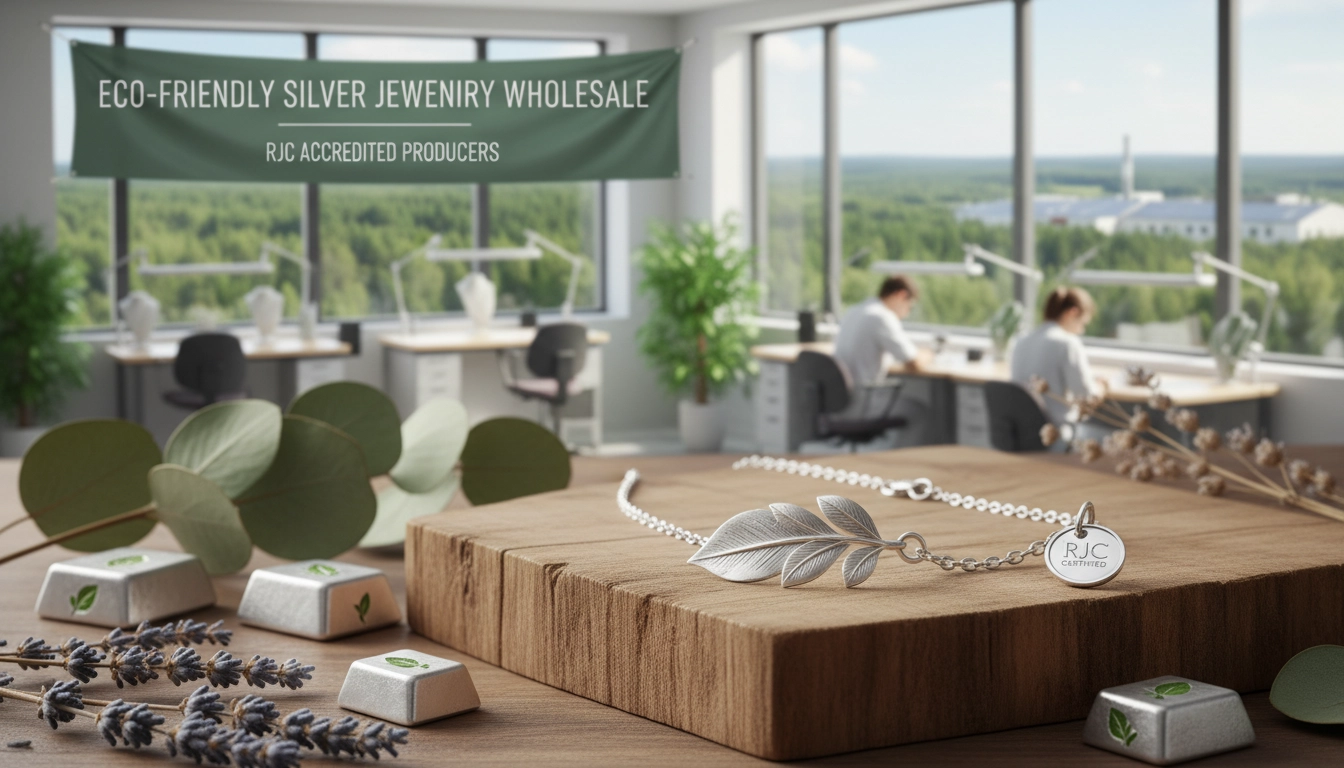
How to Source Eco-Friendly Silver Jewelry Wholesale: 7 Secrets to Triple Your Sustainable Margins in 2026
14K and 18K Gold Pearl Jewelry Manufacturing: Cost and Quality Differences
How to Personalize an Adjustable Tennis Bracelet for Your Brand
Everything You Need to Know About custom name earrings
Product Categories
You may also like

925 Silver Jewelry
Customizable High-Quality Fashion 925 Sterling Silver AAA Cubic Zirconia Heart-Shaped Open Tennis Bracelet.
Read More

Brass Jewelry
Customizable OEM ODM High-Quality Fashion Brass AAA Cubic Zirconia Classic Tennis Bracelet for Women Wholesale.
Read More
Get a Quote for Private Label Jewelry
We provide personalized jewelry customization services for clients worldwide.
Rest assured that your privacy is important to us, and all information provided will be handled with the utmost confidentiality.
By clicking 'Send Inquiry Now' I agree to ZHEFAN JEWELRY processing my personal data.
To see how to withdraw your consent, how to control your personal data and how we process it, please see our Privacy Policy and Terms of use.
From design to production, ZHEFAN JEWELRY offers a one-stop solution to help you enhance your brand value and market competitiveness.
Get A Quote
Contact
Tel: (+86) 188 1927 7817
© 2026 Zhefan Jewelry. All Rights Reserved.
Facebook
Instagram
YouTube
Whatsapp: +8618819277817