







Email: sales3@zhefanjewelry.com
Lead Time Expectations for Custom Tennis Jewelry Orders
Custom tennis jewelry orders typically require 4 to 12 weeks after design approval, depending on material, stone setting, mold development, finishing, order quantity, and inspection requirements. Buyers can reduce schedule risk by preparing complete specifications, approving samples promptly, confirming plating and gemstone details early, and selecting a supplier with documented quality controls, production capacity, and transparent milestone planning. This guide explains each lead-time stage, compares common order scenarios, identifies avoidable delays, and shows how Zhefan Jewelry supports scalable OEM and ODM production for brass, sterling silver, gold vermeil, and pearl jewelry.
- Understanding Custom Tennis Jewelry Production Schedules
- What the standard lead-time stages include
- Why tennis-style construction can require additional control
- Typical planning ranges by order profile
- How Buyers Can Prevent Delays in Custom Jewelry Orders
- Prepare a production-ready product brief
- Control the approval process
- Build commercial and logistics buffers
- Why Zhefan Jewelry Supports More Predictable Delivery
- Manufacturing capacity combined with product development
- Material and finishing options for commercial collections
- OEM and ODM support for scalable brand programs
- Frequently Asked Questions
Custom tennis jewelry lead times generally range from 4 to 12 weeks after final design and specification approval. Simple repeat orders may move faster, while new molds, intricate stone settings, mixed materials, High Quality plating, gemstone sourcing, large quantities, and extensive packaging requirements can extend the schedule. For buyers, the most reliable forecast is not a single promised date but a milestone-based production plan covering design engineering, sampling, material purchasing, molding, casting, setting, polishing, plating, inspection, packing, and shipment. A capable tennis jewellery manufacturer should explain these stages before accepting a purchase order so brand owners can coordinate launches, inventory investments, marketing campaigns, and retail delivery windows with greater confidence.
Understanding Custom Tennis Jewelry Production Schedules
What the standard lead-time stages include
A custom order begins with a technical review of the buyer’s drawings, reference samples, dimensions, stone layout, metal choice, clasp construction, logo requirements, target price, and packaging specifications. This stage may take one to five business days when the brief is complete. Engineering then converts the concept into production-ready files, checks wall thickness and structural strength, and determines whether a new wax model, metal mold, or CNC-assisted component is necessary.
Sampling commonly requires one to three weeks. The duration depends on whether the design uses a new mold, multiple components, micro-pavé settings, articulated links, or a special closure. A sample is not merely a visual preview; it is an opportunity to verify wearability, stone alignment, clasp security, weight, proportions, plating color, and brand details. Approving a sample without documenting revisions can create ambiguity later, so buyers should issue written approval against an agreed specification sheet.
Bulk manufacturing often takes two to six weeks after sample approval and material confirmation. Casting or stamping is followed by deburring, assembly, stone setting, polishing, electroplating, cleaning, inspection, and packing. The production queue, order quantity, product complexity, and factory loading influence the range. Shipping time is separate and should be added according to the destination, transport mode, customs process, and required delivery appointment.
Why tennis-style construction can require additional control
A tennis bracelet or necklace contains repeated stones or decorative units connected across a flexible line. Consistency is therefore critical: small variations in link dimensions, setting depth, stone size, or plating can become highly visible across the full length. The clasp must also balance security with ease of use, while the links need sufficient articulation without creating weak points. These requirements make process control more important than simply measuring the number of finished pieces.
Material selection also changes the schedule. Brass jewelry can support cost-conscious fashion collections and complex surface finishes, while 925 silver jewelry and sterling silver jewelry require careful control of alloy quality, polishing, oxidation prevention, and plating adhesion. Gold vermeil jewelry generally requires a sterling silver base and a defined gold layer, making thickness, color matching, and surface preparation important approval points. Pearl jewelry introduces additional sourcing and matching considerations because pearl shape, luster, size, and natural variation must be aligned with the approved sample.
Typical planning ranges by order profile
| Order profile | Typical production planning range after approval | Main schedule drivers | Buyer planning action |
|---|---|---|---|
| Repeat design with existing tooling | 2–4 weeks | Material availability, queue position, quantity, inspection | Reserve capacity and confirm component stock |
| New simple custom design | 4–8 weeks including sampling | Engineering, mold development, sample revisions | Provide complete drawings and consolidate feedback |
| Complex stone-set bracelet or necklace | 6–12 weeks including sampling | Setting accuracy, matched stones, finishing, rework risk | Approve stone and plating standards before bulk production |
| Large launch or multi-SKU program | 8–16 weeks or more | Capacity allocation, component procurement, packaging, logistics | Use a phased purchase order and rolling delivery plan |
These are commercial planning ranges rather than universal industry standards. A supplier should confirm the expected timeline after reviewing the actual design, quantity, finish, and destination. Buyers should also distinguish production lead time from total order cycle time. The latter includes quotation, contract review, deposit processing, sample approval, compliance documentation, freight, customs, and warehouse receiving.
How Buyers Can Prevent Delays in Custom Jewelry Orders
Prepare a production-ready product brief
Many delays originate before manufacturing starts. A professional brief should identify the jewelry category, finished dimensions, target weight, base metal, plating color and thickness, stone type and size, clasp design, logo placement, tolerance expectations, packaging, barcode requirements, order quantity, delivery location, and testing requirements. Reference photos alone are rarely sufficient because they do not define hidden construction details or acceptable variation.
For regulated markets, the specification should include material and chemical compliance expectations. The European Union’s REACH Regulation governs the registration, evaluation, authorization, and restriction of chemicals, while buyers selling in the United States should review the Federal Trade Commission Jewelry Guides for product-description and precious-metal marketing considerations. These requirements should be discussed before production rather than after goods are completed.
Control the approval process
Sample approval is a critical project gate. The buyer should evaluate dimensions, weight, comfort, clasp operation, stone security, color, surface uniformity, logo accuracy, and packaging fit. Comments should be consolidated into one revision document, with photographs or marked drawings where possible. Multiple decision-makers giving conflicting instructions at different times can cause repeated sampling, wasted materials, and lost production slots.
A written golden sample standard is particularly valuable for repeat orders. It should record the approved plating appearance, stone layout, acceptable color range, polish level, clasp tension, and any intentional handmade characteristics. Quality systems based on documented procedures and corrective action align with the principles described by ISO 9001 quality management guidance, although certification status must be verified directly with the supplier and should never be assumed.
Build commercial and logistics buffers
Launch planning should include contingency time for sample revisions, replacement components, inspection failures, freight disruption, and customs clearance. A practical approach is to set an internal ready-to-sell date earlier than the public launch date. Buyers can also reduce exposure by requesting partial shipments, prioritizing hero SKUs, or splitting a large purchase order into an initial launch quantity and a replenishment quantity.
Shipping terms should be documented clearly. The factory lead time may end when goods pass final inspection, whereas the buyer’s operational deadline may depend on port congestion, import procedures, duties, last-mile delivery, and warehouse processing. A supplier that provides carton details, commercial invoices, packing lists, product descriptions, and compliance records on time can reduce avoidable logistics friction.
Why Zhefan Jewelry Supports More Predictable Delivery
Manufacturing capacity combined with product development
Zhefan Jewelry is a custom jewelry manufacturer established in 2002, with a company legacy dating back to 1997. Founded by a master mold craftsman, our production culture is built around continuous refinement of tooling, finishing, assembly, and inspection. We operate two factories in Guangzhou and Meizhou across 800 square meters, supported by more than 80 skilled artisans and 20 sales professionals. Our monthly output reaches approximately 600,000 pieces, giving project owners a stronger basis for capacity planning than a small workshop with limited production depth.
Our professional design team launches more than 500 original styles each month. This supports brands that need rapid trend development, design adaptation, and coordinated collections rather than a single isolated product. For a new tennis-inspired bracelet, necklace, or matching set, our engineering and production teams can assess mold complexity, component structure, finish requirements, and target cost before the order enters the manufacturing schedule.
Material and finishing options for commercial collections
Our capabilities cover brass jewelry, 925 silver jewelry, sterling silver jewelry, gold vermeil jewelry, and pearl jewelry. These materials allow buyers to position products across accessible fashion, High Quality fashion, gifting, and elevated everyday-wear segments. The appropriate construction depends on retail price, expected wear, visual effect, compliance requirements, and target market. Our team can help define the base material, plating specification, stone or pearl selection, clasp system, and packaging approach before sample approval.
Surface consistency is essential for long, repeating tennis designs. Our process includes six rounds of precision polishing and six strict quality inspections. These controls are designed to identify casting marks, scratches, uneven plating, loose stones, misaligned components, clasp defects, and packaging issues before shipment. Materials are selected with RoHS- and REACH-compliant requirements in mind, subject to the specific product specification and destination-market testing plan.
OEM and ODM support for scalable brand programs
Our OEM and ODM services support concept development, sampling, production, quality control, packaging coordination, and delivery communication. Zhefan Jewelry has served leading Amazon sellers and global retail customers including Macy’s, demonstrating experience with commercially demanding programs and structured buyer requirements. For project owners, this combination of manufacturing scale and dedicated communication helps reduce the risk of unclear ownership between designers, sourcing agents, factories, and logistics providers.
Lead time remains dependent on design approval, materials, order volume, production complexity, and shipping conditions. Our role is to convert those variables into a transparent schedule with defined milestones and accountable approvals. Buyers can request a quotation, sample plan, compliance discussion, and production timeline through Zhefan Jewelry or by contacting sales3@zhefanjewelry.com.
Contact Zhefan Jewelry to review a custom tennis jewelry brief, confirm a realistic production schedule, and develop a scalable OEM or ODM collection.
Frequently Asked Questions
How long does a custom tennis jewelry order usually take?
Custom tennis jewelry orders generally require 4 to 12 weeks after final design and specification approval. Repeat designs with existing tooling may take 2 to 4 weeks, while complex stone-set designs or large multi-SKU programs can require longer.
What is included in a custom jewelry lead time?
The full order cycle can include quotation, technical review, engineering, sampling, sample revisions, material purchasing, molding, casting, setting, polishing, plating, inspection, packing, shipment, customs, and warehouse receiving. Production lead time should be distinguished from total delivery time.
What causes delays in tennis bracelet and necklace production?
Common causes include incomplete specifications, repeated sample revisions, new mold development, unavailable materials, matched-stone requirements, complex settings, production queue changes, inspection failures, packaging delays, and freight or customs disruption.
How can buyers shorten custom jewelry production time?
Buyers can provide complete technical specifications, approve samples promptly, consolidate feedback, confirm plating and stone standards early, reserve production capacity, approve packaging in parallel, and use phased shipments or purchase orders for large launches.
Can brass, sterling silver, and gold vermeil be used for tennis jewelry?
Yes. Brass jewelry, sterling silver jewelry, and gold vermeil jewelry can all support tennis-inspired bracelets and necklaces, subject to the required appearance, durability, price point, plating specification, structural design, and destination-market compliance requirements.
Why is sample approval important before bulk production?
Sample approval verifies dimensions, weight, comfort, clasp operation, stone security, color, surface finish, logo accuracy, and packaging fit. A documented golden sample standard also provides a reference for repeat production and quality inspection.
Tags
custom brass jewelry supplier
custom brass jewelry supplier
custom brass earrings factory
custom brass earrings factory
18k gold earrings wholesale
18k gold earrings wholesale
custom plated brass earrings wholesale
custom plated brass earrings wholesale
adjustable brass tennis bracelet wholesale
adjustable brass tennis bracelet wholesale
brass four leaf clover earrings
brass four leaf clover earrings
Recommended for you
Certification & Compliance for Bracelet Manufacturers
What to Look for in a Reliable Private Label Jewelry Manufacturer
MOQ Strategies for custom brass jewelry Wholesale
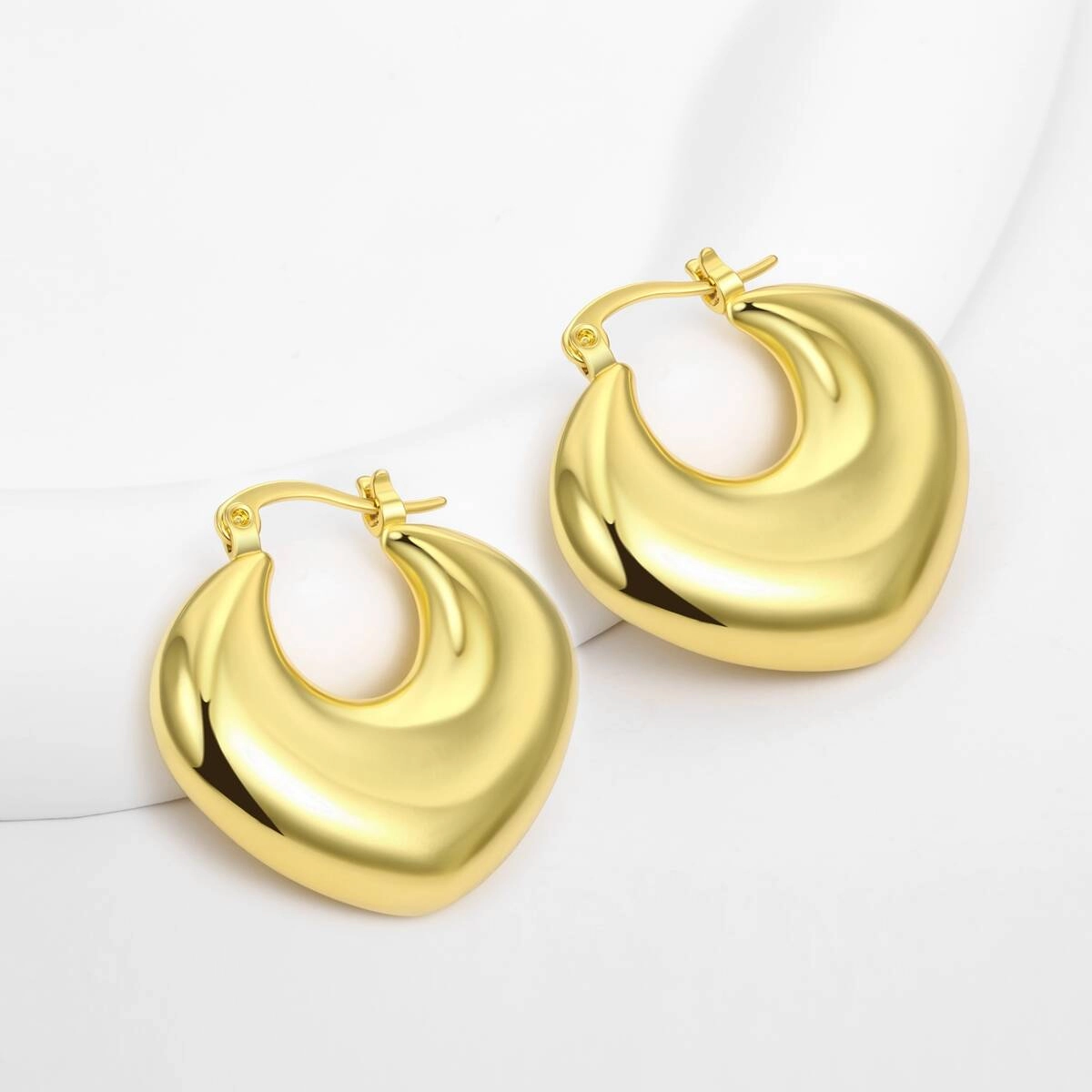
Chunky Huggie Hypoallergenic Hoops Wholesale | Zhefan Jewelry Manufacturer
Product Categories
You may also like

925 Silver Jewelry
Customizable High-Quality Fashion 925 Sterling Silver AAA Cubic Zirconia Heart-Shaped Open Tennis Bracelet.
Read More

Brass Jewelry
Customizable OEM ODM High-Quality Fashion Brass AAA Cubic Zirconia Classic Tennis Bracelet for Women Wholesale.
Read More
Get a Quote for Private Label Jewelry
We provide personalized jewelry customization services for clients worldwide.
Rest assured that your privacy is important to us, and all information provided will be handled with the utmost confidentiality.
By clicking 'Send Inquiry Now' I agree to ZHEFAN JEWELRY processing my personal data.
To see how to withdraw your consent, how to control your personal data and how we process it, please see our Privacy Policy and Terms of use.
From design to production, ZHEFAN JEWELRY offers a one-stop solution to help you enhance your brand value and market competitiveness.
Get A Quote
Contact
Tel: (+86) 188 1927 7817
© 2026 Zhefan Jewelry. All Rights Reserved.
Facebook
Instagram
YouTube
Whatsapp: +8618819277817