







Email: sales3@zhefanjewelry.com
Mastering MOQ: Strategic Reduction for 925 Bracelet Trials in Jewelry Manufacturing
Navigating Minimum Order Quantities (MOQs) is a critical challenge for jewelry brands, especially when launching new designs like 925 silver bracelets. This guide provides comprehensive strategies to effectively reduce MOQs for trial productions, ensuring cost-efficiency, mitigating risk, and accelerating market entry. Discover how to leverage design flexibility, supplier relationships, and phased trials to optimize your procurement process and bring exquisite 925 bracelets to market with greater agility, much like the meticulously crafted pieces featuring delicate details.
- The Challenge of MOQ in Jewelry Trial Production
- Why Manufacturers Impose MOQs for 925 Silver Bracelets
- Leveraging Design Flexibility for MOQ Reduction
- Strategic Sourcing and Cultivating Supplier Relationships
- Implementing Phased Trials and Pilot Programs
- Optimizing Procurement and Inventory Management
- Frequently Asked Questions About MOQ Reduction for 925 Bracelet Trials
- What is the primary reason for high MOQs in 925 silver bracelet manufacturing?
- Can design complexity impact MOQ for trial runs of 925 bracelets?
- How can long-term supplier relationships help in reducing MOQs?
- Is it possible to negotiate MOQs, or are they always fixed?
- What role does technology play in reducing MOQs for jewelry trials?
- What are the risks of accepting a high MOQ for a new 925 bracelet trial?
- FAQ
The Challenge of MOQ in Jewelry Trial Production
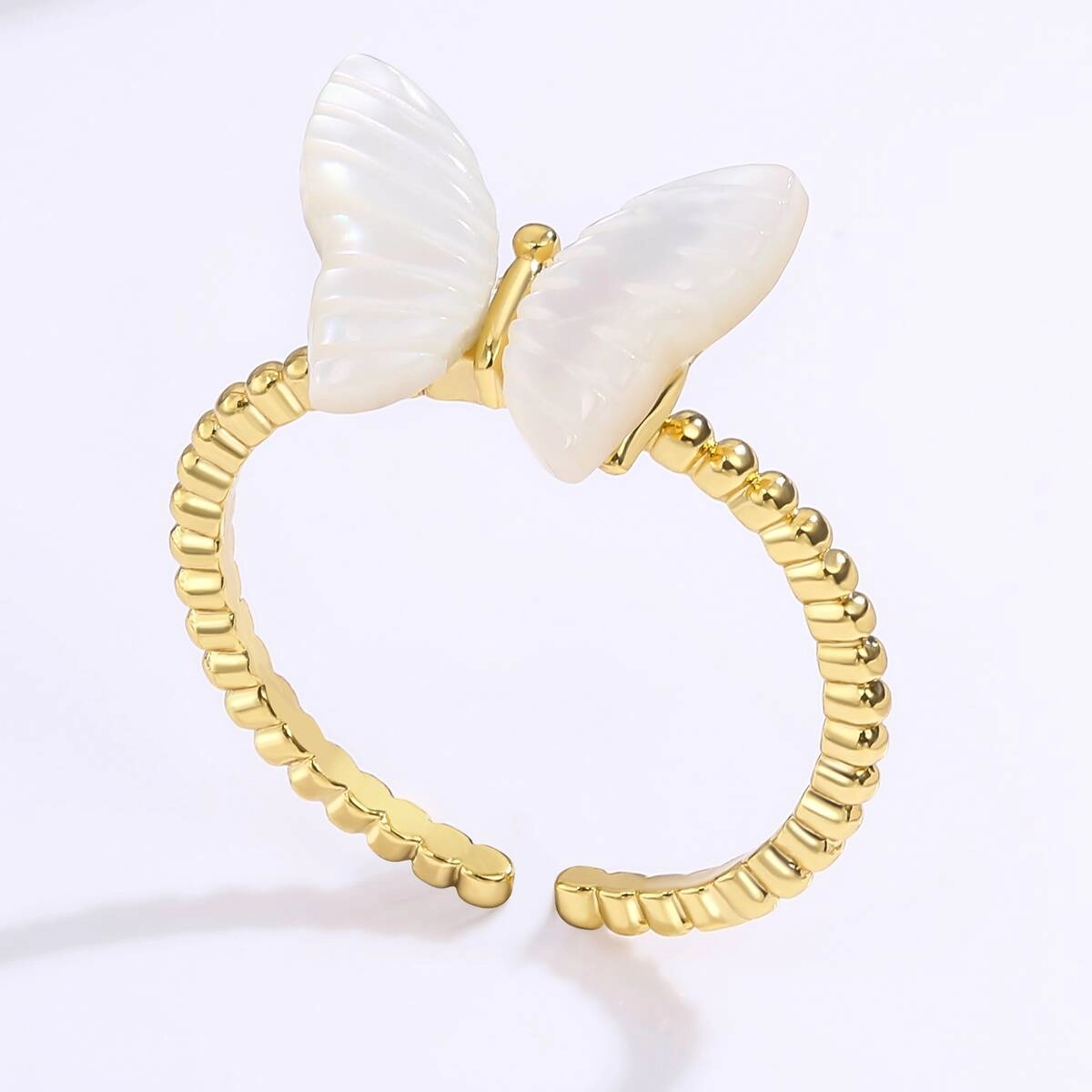
In the dynamic world of jewelry manufacturing, bringing a new design to life, such as a delicate 925 silver bracelet, often begins with a trial run. This initial phase is crucial for testing market appeal, verifying design integrity, and ensuring production feasibility. However, one of the most significant hurdles brands face during this stage is the Minimum Order Quantity (MOQ) set by manufacturers. High MOQs can stifle innovation and significantly increase the upfront investment, making it difficult to experiment with new styles. Understanding How to plan MOQ reduction strategies for 925 bracelet trials? is paramount for agile businesses aiming to launch competitive and high-quality jewelry lines, similar to the sophisticated butterfly ring pictured, which exemplifies thoughtful design and material selection.
Why Manufacturers Impose MOQs for 925 Silver Bracelets
Manufacturers set MOQs primarily to cover their fixed costs associated with production, which include tooling, machine setup, labor, and raw material procurement. For 925 silver bracelets, these costs can be substantial due to the specific handling of precious metals, specialized casting or stamping processes, and intricate finishing work. Suppliers must ensure that each production run is profitable. Therefore, when planning 925 bracelet trials, brands must acknowledge these underlying economic realities. However, this doesn't mean that MOQ is an unmovable barrier; rather, it’s a point for strategic negotiation and smart planning.
Leveraging Design Flexibility for MOQ Reduction
One powerful strategy for MOQ reduction lies in the design phase itself. Consider modular designs or utilizing common components across multiple product lines. For instance, if the 925 bracelet uses a clasp or a chain type that is also prevalent in other jewelry pieces, manufacturers might be more amenable to lower MOQs for trial runs, as they can consolidate material orders. The exquisite butterfly element on the ring, if it were a component adaptable across various items, could similarly benefit from economies of scale. Simplification of complex elements for trial versions, with a plan to scale complexity later, can also be an effective tactic to lower initial investment and test core concepts.
Strategic Sourcing and Cultivating Supplier Relationships
Building strong, long-term relationships with your jewelry suppliers is invaluable. A trusted supplier is more likely to be flexible with MOQs for trial productions, especially if they anticipate future, larger orders. Transparent communication about your brand's growth plans and commitment can lead to more favorable terms. Furthermore, exploring suppliers who specialize in smaller batch runs or have advanced manufacturing technologies like 3D printing for prototypes can offer significant advantages for reducing MOQs for 925 bracelet trials. Engaging multiple suppliers for different components, rather than a single full-service manufacturer, can also provide leverage and more options for smaller quantities.
Implementing Phased Trials and Pilot Programs
Instead of launching a full trial production for an entire collection, consider a phased approach. Begin with a very small pilot program for a select few 925 bracelet designs to gauge initial market interest and gather feedback. This allows you to test the waters with a minimal MOQ. Once validated, you can scale up to a larger trial or full production with increased confidence. This strategy not only reduces the financial risk but also provides valuable insights for refinement before committing to significant inventory. Brands focusing on wholesale jewelry production solutions often find this method highly effective for managing cash flow and inventory risk.
Optimizing Procurement and Inventory Management
Effective procurement strategies play a vital role in managing MOQs. By accurately forecasting demand, even for trial runs, you can negotiate better terms. Grouping orders for similar materials or components across different jewelry types (e.g., 925 silver chains for both bracelets and necklaces) can help meet supplier MOQs without accumulating excess inventory for a single item. Utilizing just-in-time inventory practices, where materials are ordered only as needed, can also reduce the financial burden associated with high MOQs and improve overall operational efficiency for your 925 bracelet collection.
Frequently Asked Questions About MOQ Reduction for 925 Bracelet Trials
What is the primary reason for high MOQs in 925 silver bracelet manufacturing?
The primary reason for high MOQs in 925 silver bracelet manufacturing is to cover the manufacturer's fixed costs, which include setup time for specialized machinery, labor for intricate craftsmanship, the cost of procuring raw 925 sterling silver in bulk, and ensuring a profitable production run. These costs are often disproportionately high for small batches, making larger quantities more economically viable for the producer.
Can design complexity impact MOQ for trial runs of 925 bracelets?
Yes, design complexity significantly impacts MOQ. More intricate designs requiring custom tooling, unique molds, or specialized finishing techniques will generally incur higher MOQs. Simplifying the design for initial trial runs, or utilizing readily available components and standard findings, can often lead to more favorable MOQ terms from manufacturers for your 925 bracelet trials.
How can long-term supplier relationships help in reducing MOQs?
Long-term supplier relationships foster trust and mutual benefit. Suppliers are often more willing to offer flexibility on MOQs for trial orders to established clients, especially if they anticipate consistent future business. These relationships can lead to preferential pricing, expedited production, and a willingness to accommodate smaller trial batches as a gesture of goodwill and partnership development.
Is it possible to negotiate MOQs, or are they always fixed?
MOQs are often negotiable, though the degree of flexibility depends on several factors, including the supplier's policies, your order history, and the specific product. Brands can negotiate by offering higher prices per unit for smaller quantities, committing to larger future orders, or consolidating orders for different products to meet a collective material MOQ. Strategic negotiation is a key component of effective procurement.
What role does technology play in reducing MOQs for jewelry trials?
Technology plays an increasingly important role in reducing MOQs for jewelry trials. Advanced CAD/CAM software allows for precise design and rapid prototyping. 3D printing, for example, can produce highly detailed models or even wax patterns for casting at a fraction of the cost and time of traditional methods, making small-batch trials more feasible and reducing the need for high MOQs for initial validation.
What are the risks of accepting a high MOQ for a new 925 bracelet trial?
Accepting a high MOQ for a new 925 bracelet trial carries several risks. These include increased upfront investment and higher financial exposure if the design doesn't perform well in the market. It can also lead to excess inventory, tying up capital and potentially resulting in markdowns or waste. High MOQs can also limit a brand's ability to quickly adapt to changing market trends or customer feedback.
FAQ
What is the primary reason for high MOQs in 925 silver bracelet manufacturing?
The primary reason for high MOQs in 925 silver bracelet manufacturing is to cover the manufacturer's fixed costs, which include setup time for specialized machinery, labor for intricate craftsmanship, the cost of procuring raw 925 sterling silver in bulk, and ensuring a profitable production run. These costs are often disproportionately high for small batches, making larger quantities more economically viable for the producer.
Can design complexity impact MOQ for trial runs of 925 bracelets?
Yes, design complexity significantly impacts MOQ. More intricate designs requiring custom tooling, unique molds, or specialized finishing techniques will generally incur higher MOQs. Simplifying the design for initial trial runs, or utilizing readily available components and standard findings, can often lead to more favorable MOQ terms from manufacturers for your 925 bracelet trials.
How can long-term supplier relationships help in reducing MOQs?
Long-term supplier relationships foster trust and mutual benefit. Suppliers are often more willing to offer flexibility on MOQs for trial orders to established clients, especially if they anticipate consistent future business. These relationships can lead to preferential pricing, expedited production, and a willingness to accommodate smaller trial batches as a gesture of goodwill and partnership development.
Is it possible to negotiate MOQs, or are they always fixed?
MOQs are often negotiable, though the degree of flexibility depends on several factors, including the supplier's policies, your order history, and the specific product. Brands can negotiate by offering higher prices per unit for smaller quantities, committing to larger future orders, or consolidating orders for different products to meet a collective material MOQ. Strategic negotiation is a key component of effective procurement.
What role does technology play in reducing MOQs for jewelry trials?
Technology plays an increasingly important role in reducing MOQs for jewelry trials. Advanced CAD/CAM software allows for precise design and rapid prototyping. 3D printing, for example, can produce highly detailed models or even wax patterns for casting at a fraction of the cost and time of traditional methods, making small-batch trials more feasible and reducing the need for high MOQs for initial validation.
What are the risks of accepting a high MOQ for a new 925 bracelet trial?
Accepting a high MOQ for a new 925 bracelet trial carries several risks. These include increased upfront investment and higher financial exposure if the design doesn't perform well in the market. It can also lead to excess inventory, tying up capital and potentially resulting in markdowns or waste. High MOQs can also limit a brand's ability to quickly adapt to changing market trends or customer feedback.
Tags
adjustable tennis bracelet plating options
adjustable tennis bracelet plating options
Custom Tennis Bracelet
Custom Tennis Bracelet
925 silver plating bracelet supplier
925 silver plating bracelet supplier
925 silver chain bracelet manufacturer
925 silver chain bracelet manufacturer
adjustable tennis bracelet dropship supplier
adjustable tennis bracelet dropship supplier
eco friendly brass tennis bracelet supplier
eco friendly brass tennis bracelet supplier
Recommended for you
Packaging Solutions for Wholesale 925 Silver Earrings
Dropshipping and B2B Fulfillment for 925 Bracelet Sellers
Gold, Silver, and Stainless Steel Pearl Jewelry: Which Metal Is Best for Your Brand?
How to Identify a Reliable Pearl Jewelry Manufacturer for Your Brand
Product Categories
You may also like

925 Silver Jewelry
Customizable High-Quality Fashion 925 Sterling Silver AAA Cubic Zirconia Heart-Shaped Open Tennis Bracelet.
Read More

Brass Jewelry
Customizable OEM ODM High-Quality Fashion Brass AAA Cubic Zirconia Classic Tennis Bracelet for Women Wholesale.
Read More
Get a Quote for Private Label Jewelry
We provide personalized jewelry customization services for clients worldwide.
Rest assured that your privacy is important to us, and all information provided will be handled with the utmost confidentiality.
By clicking 'Send Inquiry Now' I agree to ZHEFAN JEWELRY processing my personal data.
To see how to withdraw your consent, how to control your personal data and how we process it, please see our Privacy Policy and Terms of use.
From design to production, ZHEFAN JEWELRY offers a one-stop solution to help you enhance your brand value and market competitiveness.
Get A Quote
Contact
Tel: (+86) 188 1927 7817
© 2026 Zhefan Jewelry. All Rights Reserved.
Facebook
Instagram
YouTube
Whatsapp: +8618819277817