







Email: sales3@zhefanjewelry.com
Optimizing Production Efficiency Through a Strategic OEM Jewelry Manufacturer Alliance
A strategic alliance with a capable OEM jewelry manufacturing partner can improve jewelry production efficiency by integrating design development, material sourcing, tooling, sampling, quality control, compliance, and fulfillment into one coordinated operating system. Buyers should evaluate production capacity, process discipline, communication speed, inspection standards, material traceability, and scalability before selecting a Custom Jewelry Manufacturer. Zhefan Jewelry combines two factories, 80+ skilled artisans, monthly capacity of 600,000 pieces, 500+ original styles per month, six polishing stages, and six quality inspections to support reliable brass, 925 silver, gold vermeil, and pearl jewelry programs.
- Building a More Efficient Jewelry Production Operating Model
- Why supplier alignment affects total production cost
- Integrating design, tooling, and sampling
- Using production planning to protect launch dates
- Procurement Criteria for Selecting a Strategic Manufacturing Partner
- Assessing capacity, scalability, and process control
- Verifying compliance and material governance
- Comparing relationship models by operational impact
- How Zhefan Jewelry Supports Scalable Custom Jewelry Programs
- Manufacturing depth combined with flexible product development
- Material expertise and controlled finishing
- Commercial value for global brand owners
- Implementing a Performance-Based Supplier Alliance
- Define measurable service-level expectations
- Build a continuous improvement cycle
- Frequently Asked Questions
Optimizing production efficiency through a strategic alliance with an OEM jewelry manufacturer requires more than negotiating a lower unit price. For brand owners, distributors, retailers, and e-commerce operators, the most valuable manufacturing relationship connects product design, engineering, material procurement, tooling, sampling, production planning, quality assurance, regulatory documentation, and delivery execution. A capable Custom Jewelry Manufacturer can reduce handoff delays, control variation between batches, shorten development cycles, and create a repeatable path from concept to commercial inventory. The strongest partnerships are built around measurable service levels, transparent communication, documented inspection procedures, and a shared understanding of target costs, launch dates, material specifications, packaging requirements, and forecast volumes.
Building a More Efficient Jewelry Production Operating Model
Why supplier alignment affects total production cost
Jewelry cost is shaped by more than metal weight and labor hours. Repeated sampling, unclear drawings, late approvals, tooling revisions, plating rework, rejected components, missed booking windows, and emergency freight can materially increase the landed cost of a collection. A coordinated manufacturing alliance reduces these hidden expenses by assigning responsibility at each stage and creating a single source of production truth.
Before an order is placed, buyers should define a product brief that includes dimensions, metal or alloy requirements, stone or pearl specifications, surface finish, plating thickness where applicable, logo placement, packaging, tolerances, testing expectations, and acceptable cosmetic limits. A supplier that converts this information into technical drawings, bills of materials, sample checkpoints, and inspection criteria gives the project team a practical control framework. This reduces subjective approvals and prevents a sample from being treated as the only production standard.
Integrating design, tooling, and sampling
Efficient development depends on early engineering input. A design may look commercially attractive but still require changes to wall thickness, clasp geometry, prong security, solder locations, mold draft, or polishing access. When a production partner reviews manufacturability before tooling begins, the project can avoid avoidable mold corrections and protect the intended appearance.
Sampling should be managed through formal approval gates. A useful sequence includes concept review, engineering review, first sample, dimensional and cosmetic assessment, revised sample if needed, pre-production approval, and golden-sample retention. Each gate should record the approved finish, color, measurements, components, and packaging configuration. This process is especially important for collections containing brass jewelry, sterling silver jewelry, gold vermeil jewelry, and pearl jewelry, because each material system has different behavior during polishing, plating, assembly, storage, and transportation.
Using production planning to protect launch dates
Production efficiency improves when capacity is planned against realistic demand rather than optimistic promises. Buyers should request a manufacturing schedule that separates raw-material purchasing, mold or tooling completion, component production, surface treatment, assembly, inspection, packing, and dispatch. The schedule should identify the critical path and the latest date for artwork approval, purchase-order confirmation, deposit payment, and packaging release.
Forecast sharing can help a factory reserve capacity without forcing the buyer to overstock. A rolling forecast, combined with confirmed purchase orders, allows the supplier to plan labor and materials while preserving flexibility for trend-driven launches. The arrangement should also define what happens when demand changes, materials become unavailable, or a launch is accelerated. Written escalation rules are more reliable than informal messages because they clarify response time, decision authority, and financial responsibility.
Procurement Criteria for Selecting a Strategic Manufacturing Partner
Assessing capacity, scalability, and process control
Factory capacity should be evaluated through evidence rather than a single monthly figure. Buyers should examine the number of production sites, skilled operators, critical equipment, finishing capabilities, inspection staff, peak-season planning, and the supplier’s ability to run several product categories simultaneously. A factory may have high theoretical output but limited capacity for intricate molds, small-batch customization, or High Quality finishing.
Scalability also means maintaining quality when order volume increases. Ask how the supplier controls first-article approval, operator training, work-in-progress identification, mold maintenance, plating coordination, and final quantity reconciliation. A strong partner can explain how quality standards are transferred from the approved sample to every production line and how nonconforming goods are isolated before packing.
Verifying compliance and material governance
Compliance is a commercial requirement, not merely a documentation exercise. Importers should determine which destination-market rules apply to the product, packaging, coatings, and components. The European Union REACH Regulation governs the registration, evaluation, authorization, and restriction of chemicals in the EU market, while the EU RoHS Directive restricts specified hazardous substances in relevant electrical and electronic equipment. Jewelry programs may also require nickel-release controls, lead and cadmium testing, responsible material declarations, and destination-specific labeling.
Buyers should request current test reports from recognized laboratories, material declarations, plating specifications, and a clear explanation of batch traceability. Reports should match the actual product construction and not merely represent a generic factory capability. For quality management principles, procurement teams can use the framework described in ISO 9001 as a reference for documented processes, corrective action, continual improvement, and customer-focused controls.
Comparing relationship models by operational impact
The following comparison helps buyers distinguish between transactional sourcing and an integrated manufacturing alliance. The efficiency implications are operational benchmarks rather than universal guarantees; actual results depend on product complexity, order size, approvals, and logistics.
| Operating area | Transactional sourcing | Strategic manufacturing alliance | Efficiency impact |
|---|---|---|---|
| Design handoff | Artwork sent with limited engineering review | Design, tooling, and manufacturability reviewed together | Fewer preventable mold revisions |
| Sampling | Informal feedback through multiple contacts | Documented approval gates and retained reference sample | Lower approval ambiguity |
| Capacity planning | Order-by-order availability checks | Forecasts linked to reserved production windows | Better launch-date protection |
| Quality management | Final inspection emphasized after production | Incoming, in-process, finishing, assembly, and final controls | Earlier defect detection |
| Compliance | Documents requested after production | Material and testing requirements defined before purchase | Reduced documentation and import risk |
| Commercial improvement | Price negotiation dominates the relationship | Cost, yield, speed, quality, and innovation reviewed together | Improved total cost of ownership |
How Zhefan Jewelry Supports Scalable Custom Jewelry Programs
Manufacturing depth combined with flexible product development
Zhefan Jewelry is a premier fashion jewelry manufacturer established in 2002, with a company legacy dating back to 1997. Founded by a master mold craftsman, our manufacturing culture is built on long-term refinement of tooling, finishing, assembly, and product execution. We operate two factories in Guangzhou and Meizhou across 800 square meters, with more than 80 skilled artisans and 20 sales professionals. Our monthly output reaches 600,000 pieces, giving brand owners a foundation for both development programs and scaled replenishment.
Capacity is supported by an agile design function rather than a production-only model. Our professional design team launches more than 500 original styles each month, helping global partners respond to seasonal demand, social commerce trends, retailer briefs, and fast-moving assortment opportunities. Buyers can use this design capability as a source of inspiration or provide their own specifications for a fully customized OEM or ODM project. In either case, engineering review remains important for balancing visual identity, manufacturability, target pricing, and delivery timing.
Material expertise and controlled finishing
Our product capabilities cover high-quality 925 silver jewelry, sterling silver jewelry, brass jewelry, gold vermeil jewelry, and pearl jewelry. Each category requires disciplined process control. Silver products demand attention to alloy consistency, soldering, polishing, oxidation protection, and surface presentation. Brass programs require appropriate finishing and plating management. Gold vermeil requires a defined silver base, gold layer specification, and careful handling to protect the final appearance. Pearl jewelry requires secure setting or threading, consistent matching, and protection against surface damage during assembly and packing.
To support consistent presentation, our process includes six rounds of precision polishing and six strict quality inspections. These controls are designed to identify issues such as scratches, pits, uneven edges, weak solder points, plating variation, loose components, incorrect dimensions, and packaging discrepancies before shipment. Our team also uses RoHS- and REACH-compliant eco-friendly materials where applicable to customer and market requirements. Buyers should still confirm the exact compliance scope, testing plan, and destination-market obligations for every program.
Commercial value for global brand owners
Our alliance model is designed for brands that need more than isolated production. We provide comprehensive OEM and ODM support from product development through manufacturing and delivery coordination. Our customer experience includes work with Amazon’s top three sellers and global retailers such as Macy’s, giving our team exposure to demanding expectations around consistency, responsiveness, packaging, and commercial timing. These relationships do not replace buyer due diligence, but they demonstrate the importance of structured execution when product programs operate at scale.
For procurement teams, the practical value of working with Zhefan Jewelry lies in combining scale with responsiveness. Two production locations can support capacity planning, while an experienced artisan base protects hand-finishing quality. A dedicated sales team creates a communication channel for quotations, sampling, production updates, and issue resolution. Original design output supports assortment expansion, while inspection discipline helps protect the brand experience after products reach retail shelves or online customers.
Implementing a Performance-Based Supplier Alliance
Define measurable service-level expectations
A strategic relationship should be governed by measurable indicators. Useful metrics include sample turnaround time, first-pass sample approval rate, on-time production completion, order quantity accuracy, defect rate, corrective-action closure time, documentation completeness, and response time for production exceptions. Metrics should be reviewed by product category because a simple stamped brass pendant and a complex pearl or vermeil assembly do not carry identical process risks.
Service levels should also define escalation. If a defect trend appears during in-process inspection, the supplier should explain containment, root cause, corrective action, and verification. The buyer should identify who can approve a deviation and which deviations require rework or replacement. This governance prevents small quality issues from becoming large warranty, return, or reputation costs.
Build a continuous improvement cycle
After each production run, the buyer and supplier should review yield, defect categories, material consumption, lead-time variance, packaging damage, customer feedback, and freight performance. Improvement actions may include modifying a mold, revising a polishing sequence, changing protective packaging, improving artwork specifications, adjusting inspection sampling, or consolidating components. A quarterly business review can connect operational findings with commercial objectives such as margin improvement, faster replenishment, and new-category development.
Technology can strengthen this cycle when it supports disciplined decisions. Shared specification files, revision-controlled drawings, photo-based approvals, digital purchase-order records, and serialized inspection evidence improve traceability. However, software cannot compensate for unclear ownership or weak process discipline. The operating model must first define what is measured, who approves it, and how exceptions are resolved.
For brands seeking a reliable production partner for brass jewelry, 925 silver jewelry, sterling silver jewelry, gold vermeil jewelry, or pearl jewelry, Zhefan Jewelry combines manufacturing scale, design responsiveness, documented finishing controls, and dedicated commercial support to help convert product concepts into dependable market-ready collections.
Contact Zhefan Jewelry at sales3@zhefanjewelry.com or visit our official website to discuss a custom jewelry production program.
Frequently Asked Questions
What should buyers evaluate when selecting an OEM jewelry manufacturing partner?
Buyers should evaluate production capacity, tooling and engineering capabilities, material traceability, quality-control procedures, compliance documentation, communication speed, sampling discipline, scalability, and evidence of reliable delivery performance.
How can a manufacturing alliance reduce the total cost of a jewelry collection?
An integrated alliance can reduce repeated sampling, tooling revisions, production rework, rejected components, missed launch windows, emergency freight, and other hidden costs by coordinating design, engineering, procurement, production, inspection, and delivery.
What quality controls are important for custom jewelry production?
Important controls include incoming-material checks, first-article approval, in-process inspection, polishing and plating review, assembly checks, dimensional verification, final cosmetic inspection, quantity reconciliation, and documented corrective action for nonconforming products.
How should buyers verify jewelry compliance requirements?
Buyers should identify destination-market requirements, request product-specific laboratory reports and material declarations, confirm nickel, lead, cadmium, or other applicable restrictions, and verify that documentation matches the actual materials, coatings, and components used in production.
What materials can Zhefan Jewelry manufacture?
Zhefan Jewelry manufactures high-quality 925 silver jewelry, sterling silver jewelry, brass jewelry, gold vermeil jewelry, and pearl jewelry, with OEM and ODM support for product development and scaled production.
What production capacity does Zhefan Jewelry offer?
Zhefan Jewelry operates two factories in Guangzhou and Meizhou across 800 square meters, with more than 80 skilled artisans and 20 sales professionals, supporting monthly output of up to 600,000 pieces.
How does Zhefan Jewelry support product innovation?
Zhefan Jewelry has a professional design team that launches more than 500 original styles monthly, helping global partners develop trend-responsive assortments while also supporting customized buyer specifications.
Tags
classic 925 sterling silver tennis bracelet
classic 925 sterling silver tennis bracelet
brass jewelry lead time supplier
brass jewelry lead time supplier
bulk silver bracelet supplier
bulk silver bracelet supplier
delicate 925 silver butterfly bracelet
delicate 925 silver butterfly bracelet
gold bracelet manufacturers wholesale
gold bracelet manufacturers wholesale
hallmarked 925 sterling silver jewelry wholesale
hallmarked 925 sterling silver jewelry wholesale
Recommended for you
Avoid common defects in wholesale brass tennis bracelet
Care and Cleaning Guide for cubic zirconia brass jewelry
Warranty, Returns and After-Sales Policies for 925 Sterling Silver Tennis Bracelet Wholesale Buyers
Negotiation Strategies with 925 Silver Bracelet Manufacturers
Product Categories
You may also like
Brass Jewelry
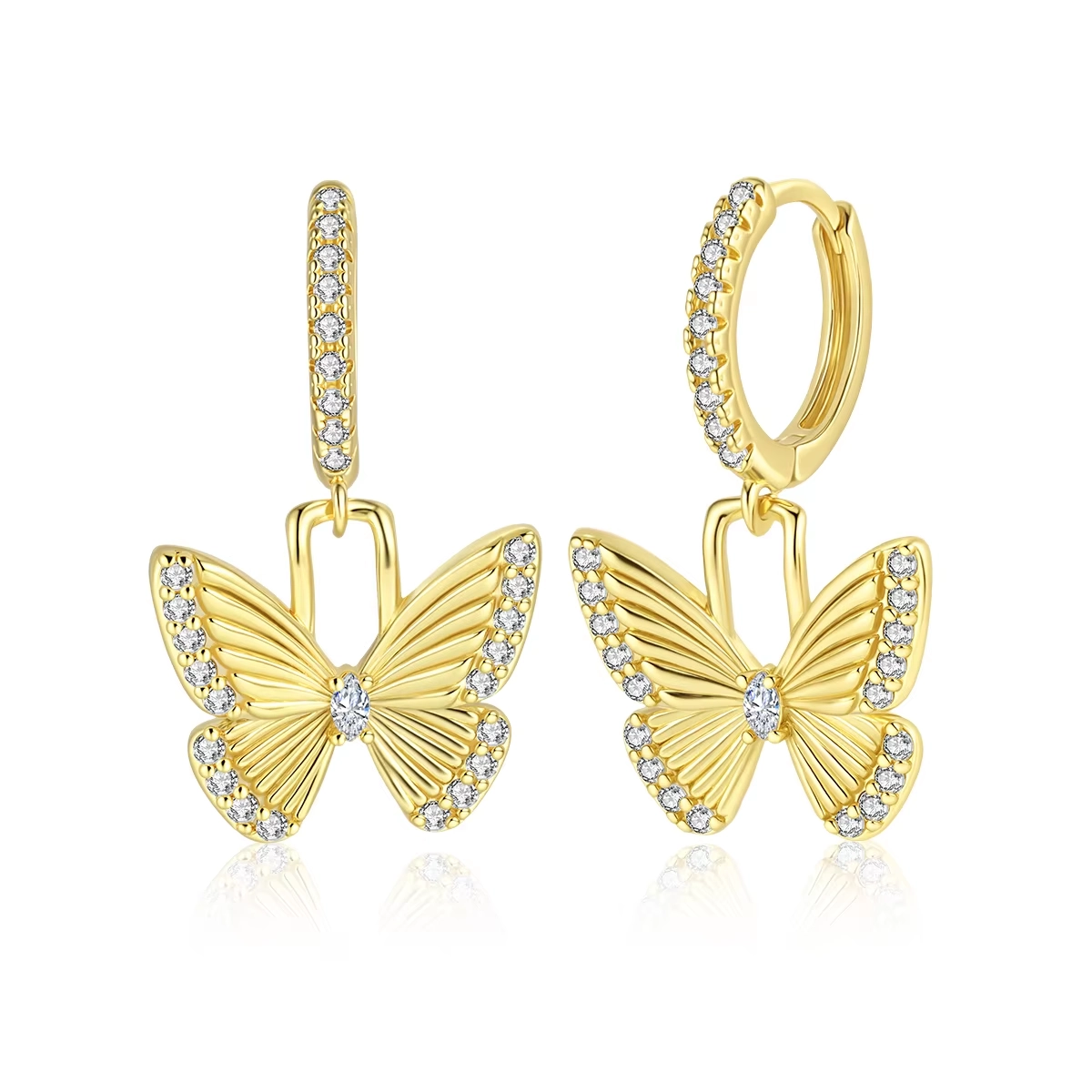
Custom Butterfly Hoop Earrings with Cubic Zirconia | 18K Gold Plated Jewelry
Read More
Brass Jewelry
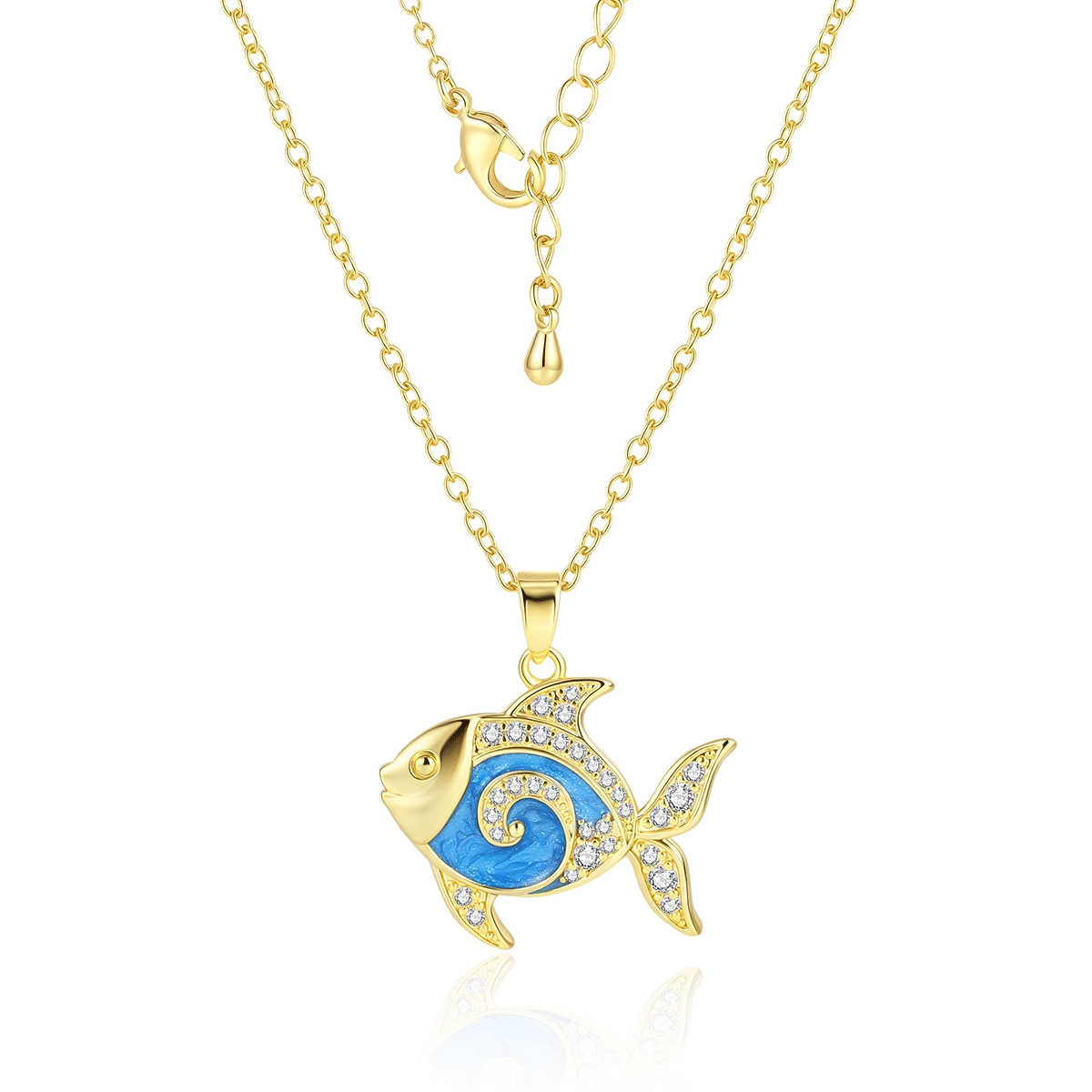
OEM Fish Shaped Necklace with Blue Enamel craft & Cubic Zirconia | 18K Gold Plated Custom Jewelry
Read More

925 Silver Jewelry
Customizable High-Quality Fashion 925 Sterling Silver AAA Cubic Zirconia Heart-Shaped Open Tennis Bracelet.
Read More
Get a Quote for Private Label Jewelry
We provide personalized jewelry customization services for clients worldwide.
Rest assured that your privacy is important to us, and all information provided will be handled with the utmost confidentiality.
By clicking 'Send Inquiry Now' I agree to ZHEFAN JEWELRY processing my personal data.
To see how to withdraw your consent, how to control your personal data and how we process it, please see our Privacy Policy and Terms of use.
From design to production, ZHEFAN JEWELRY offers a one-stop solution to help you enhance your brand value and market competitiveness.
Get A Quote
Contact
Tel: (+86) 188 1927 7817
© 2026 Zhefan Jewelry. All Rights Reserved.
Facebook
Instagram
YouTube
Whatsapp: +8618819277817