







Email: sales3@zhefanjewelry.com
Preventing tarnish: coatings and care for brass earrings
Brass earrings can develop tarnish when copper and zinc alloys react with oxygen, moisture, sulfur compounds, cosmetics, and skin salts. Long-term color stability depends on alloy quality, surface preparation, coating selection, curing, packaging, and aftercare. Buyers should assess clear e-coating, lacquer, plating, anti-tarnish packaging, corrosion testing, inspection procedures, and regulatory documentation before selecting a custom jewelry manufacturing partner. This guide explains how brands, distributors, and retailers can reduce discoloration, define quality requirements, and protect customer satisfaction across brass jewelry programs.
- How Brass Earwear Develops Tarnish and Color Change
- The chemistry behind darkening and patina
- Why earrings require special process control
- Separating base-metal issues from coating issues
- Coating and Finishing Options for Longer Color Stability
- Clear protective coatings
- Plating, flash finishes, and barrier layers
- Surface preparation and polishing quality
- Care, Packaging, and Quality Controls That Reduce Returns
- Practical care instructions for end customers
- Packaging as a tarnish-control system
- Testing and acceptance criteria for B2B orders
- Why the Manufacturing Partner Determines Tarnish Performance
- Process capability from prototype to volume
- Zhefan Jewelry’s brass and fashion jewelry capabilities
- Quality assurance and commercial value
- Procurement checklist for a new program
- Frequently Asked Questions
- Why do brass earrings tarnish?
- Does clear coating prevent brass jewelry from tarnishing permanently?
- What should buyers ask a supplier about anti-tarnish finishing?
- How should customers care for coated brass earrings?
- Can packaging reduce tarnish during storage?
- Which tests are useful for a commercial brass earring program?
Brass earrings can develop tarnish when the copper and zinc in the base alloy react with oxygen, humidity, sulfur-containing compounds, cosmetics, skin salts, and handling. For fashion brands, this is not simply a cosmetic issue: inconsistent color, green residue, odor, coating failure, and customer complaints can increase returns and weaken confidence in an entire jewelry collection. A durable prevention strategy combines correct alloy selection, precision polishing, an appropriate protective finish, controlled curing, suitable packaging, and clear care instructions.
For procurement teams, the most important decision is not whether a supplier can make an attractive prototype. The relevant question is whether the supplier can reproduce the same surface appearance and corrosion resistance across thousands of units. Brass jewelry programs should therefore be evaluated through a documented process covering raw-material control, surface preparation, coating specifications, inspection records, packaging design, and sample-based testing. The principles below apply to earrings, pendants, bracelets, rings, and other fashion accessories made with copper-based alloys.
How Brass Earwear Develops Tarnish and Color Change
The chemistry behind darkening and patina
Brass is primarily an alloy of copper and zinc, although commercial grades can contain small amounts of other elements. Copper is chemically active at the surface, so exposure to air and moisture can create oxides and other reaction products. Sulfur compounds in polluted air, packaging materials, rubber, wool, cosmetics, and some household environments can accelerate darkening. Perspiration and skin oils add moisture, salts, acids, and organic compounds that make wear conditions more demanding than a dry warehouse environment.
Tarnish is different from structural corrosion. In many cases, the visible film is shallow and can be reduced by cleaning, but repeated abrasion or aggressive polishing may remove the decorative finish and expose fresh metal. Green discoloration can occur when copper-containing surface products interact with moisture and salts. The appearance and speed of change depend on alloy composition, surface roughness, coating continuity, environmental humidity, contact with chemicals, and the duration of exposure.
Why earrings require special process control
Earrings have several risk points that are easy to overlook during mass production. Posts, hooks, backs, crevices, solder joints, textured recesses, and the reverse side of a pendant may receive less polishing or a thinner coating than the visible face. Earwear also remains close to skin, hair products, perfume, sunscreen, and perspiration. If the coating is applied over grease, polishing compound, dust, or fingerprints, adhesion can fail even when the first inspection looks acceptable.
A capable supplier should define coating coverage for every component rather than describing a product only as “anti-tarnish.” Buyers should request technical details such as coating type, target thickness where applicable, color standard, curing conditions, protected areas, allowable blemishes, and retest criteria. These details convert a subjective finish expectation into a production specification that can be audited.
Separating base-metal issues from coating issues
When discoloration appears, root-cause analysis should distinguish between an unsuitable alloy, inadequate cleaning, poor adhesion, insufficient coating coverage, mechanical damage, and abusive storage or wear. A dark spot under an intact clear coat may indicate contamination before coating; a blister or flake may indicate adhesion or curing failure; uniform color change across a batch may indicate environmental exposure or an unsuitable protective system.
Manufacturers can improve diagnosis by retaining approved standards, recording batch numbers, photographing defects, and comparing failed pieces with control samples. A buyer’s quality agreement should specify whether the supplier or brand owns the investigation, how samples are selected, and how corrective action is verified before shipment.
Coating and Finishing Options for Longer Color Stability
Clear protective coatings
Clear lacquer and electrophoretic coatings create a barrier between brass and the surrounding environment. A well-applied transparent finish can preserve a polished yellow-gold appearance while reducing direct contact with air, moisture, skin products, and salts. Electrophoretic deposition can provide relatively even coverage on complex conductive components, while spray or dip systems may be suitable for specific product geometries and order volumes.
Clear finishes are not indestructible. Friction from earring backs, jewelry boxes, hair, and repeated handling can eventually wear through high-contact areas. Coating performance also depends on pretreatment and curing. A supplier should demonstrate that parts are cleaned, dried, coated within a controlled process window, and cured according to the coating supplier’s technical requirements. Buyers should avoid approving a coating solely from a visual sample produced under laboratory conditions.
Plating, flash finishes, and barrier layers
Gold-tone, silver-tone, rhodium-tone, and other plated finishes can change the visual identity and perceived value of brass components. A plating stack may include cleaning, activation, a barrier or strike layer, the decorative layer, and an optional topcoat. The correct sequence depends on the substrate, desired color, wear target, and compatibility between layers. A barrier layer can help reduce migration of base-metal color through a thin decorative finish, but it does not replace sound surface preparation.
Buyers should ask whether plating thickness is measured, how thickness is sampled, and which areas are excluded from the specification. Thickness may be verified through methods such as X-ray fluorescence or cross-sectional analysis, depending on the project and laboratory capability. For skin-contact products, the supplier should also provide material and chemical compliance documentation relevant to the destination market, rather than relying on a general statement that the product is safe.
Surface preparation and polishing quality
Coatings cannot hide every manufacturing defect. Scratches, pits, porosity, mold lines, polishing waves, embedded abrasive particles, and residues can remain visible beneath a clear finish or create weak points in plating. Multi-stage polishing improves reflectivity and reduces surface irregularities, but polishing must be balanced with dimensional control around posts, hinges, stone settings, and fine textures.
A robust finishing specification should define the required visual standard under controlled lighting. It should also state how many pieces are inspected, which surfaces are critical, and whether minor color variation is acceptable. The ISO 9227 corrosion tests provide standardized salt-spray methods for evaluating corrosion resistance in laboratory conditions, although salt spray is not a direct prediction of every real-world wearing environment. It is one useful input within a broader validation plan.
Care, Packaging, and Quality Controls That Reduce Returns
Practical care instructions for end customers
Retail care cards should be specific rather than generic. Customers should put earrings on after applying perfume, hairspray, lotion, sunscreen, or makeup and remove them before showering, swimming, exercising, or sleeping. After wear, a soft, dry, lint-free cloth can remove surface moisture and residue. The jewelry should be fully dry before storage.
Harsh household cleaners, toothpaste, abrasive polishing compounds, alcohol-heavy products, and prolonged soaking can damage clear coatings or plated layers. If a product is sold with a protective finish, the care guidance should clearly state whether polishing is permitted. A simple instruction such as “wipe gently and avoid chemicals” is more useful than promising that the finish will never change.
Packaging as a tarnish-control system
Packaging affects the micro-environment around each item. Individual pouches, sealed bags, anti-tarnish paper, and low-sulfur packaging materials can reduce contact with humidity and reactive contaminants. However, anti-tarnish packaging is not a substitute for a stable coating. Packaging materials themselves should be evaluated for sulfur, acids, plasticizer migration, odor, and abrasion risk, especially when products remain in inventory for months.
Warehouses should maintain dry, clean, temperature-stable storage and avoid placing jewelry near rubber, treated paper, chemicals, wood with high odor emissions, or industrial pollutants. Stock rotation reduces the time products remain exposed before sale. For export orders, packaging should also withstand vibration and friction so that coated surfaces do not rub against one another during transport.
Testing and acceptance criteria for B2B orders
A commercial validation plan can combine visual inspection, adhesion checks, simulated handling, humidity exposure, chemical-resistance screening, and corrosion testing. The selected tests should reflect the product’s intended use and market positioning. For example, a High Quality everyday-wear program may require more extensive wear simulation than a low-cost seasonal accessory.
| Control area | What it evaluates | Buyer action |
|---|---|---|
| Visual standard | Color, gloss, scratches, pits, plating coverage, and coating uniformity | Approve signed samples and define acceptable defect limits |
| Coating adhesion | Whether the protective layer remains attached after controlled stress | Request the test method, sample size, and pass criteria |
| Humidity or corrosion exposure | Resistance to moisture and corrosive conditions under a defined laboratory method | Use comparative testing between approved samples and production batches |
| Packaging review | Risk from abrasion, sulfur, humidity, and material migration | Approve the complete packed unit, not only the loose earring |
| Compliance documentation | Restricted substances and market-entry requirements | Request current reports linked to the actual material and finish |
For chemical compliance, buyers can consult the European Union REACH Regulation and the European Commission REACH guidance. Where products are sold in the United States, claims and care statements should be reviewed against applicable consumer-protection expectations from the Federal Trade Commission Jewelry, Precious Metals, and Pewter Industries Guides. Documentation should identify the tested item, date, laboratory, applicable standard, and material or coating scope.
Why the Manufacturing Partner Determines Tarnish Performance
Process capability from prototype to volume
Surface durability is shaped long before the final coating booth. Mold accuracy affects polishing access, casting quality affects porosity, and assembly control affects whether posts, backs, and joints receive consistent treatment. A reliable custom jewelry manufacturing partner should be able to move from design review to tooling, sampling, finishing, inspection, packaging, and replenishment without losing the approved appearance.
For brand owners and distributors, this capability reduces hidden costs. Fewer coating failures mean fewer replacements, lower reverse-logistics expense, less customer-service activity, and more dependable product reviews. The supplier should also communicate realistic lead times for new tooling, sample approval, material procurement, production, inspection, and shipment rather than presenting only a nominal production-day estimate.
Zhefan Jewelry’s brass and fashion jewelry capabilities
At Zhefan Jewelry, our manufacturing heritage began in 1997 and Guangzhou Zhefan Jewelry was formally established in 2002. Founded by a master mold craftsman, our production culture is built around detailed refinement of molds, surfaces, assembly, and finishing. We specialize in brass jewelry, 925 silver jewelry, sterling silver jewelry, gold vermeil jewelry, and pearl jewelry for brands seeking coordinated collections and reliable OEM/ODM execution.
Our two factories in Guangzhou and Meizhou cover 800 square meters. More than 80 skilled artisans and 20 sales professionals support a monthly output of approximately 600,000 pieces, allowing project owners to combine development agility with scalable production. Our professional design team introduces more than 500 original styles each month, giving retailers and online brands access to trend-responsive concepts while retaining the option to customize shapes, finishes, components, packaging, and branding.
Quality assurance and commercial value
Our process includes six rounds of precision polishing and six strict quality inspections. These controls are designed to reduce surface defects, improve finish consistency, and identify problems before goods reach the customer. For tarnish-sensitive brass earrings, the practical value lies in connecting preparation, coating, inspection, and packing rather than treating anti-tarnish performance as an isolated final step.
We use RoHS- and REACH-compliant eco-friendly materials where applicable to project requirements and support documentation for international buyers. Our experience serving leading Amazon sellers and global retailers such as Macy’s reflects the need for repeatable specifications, dependable communication, and commercially viable delivery. Brands can use our brass, silver, gold vermeil, and pearl capabilities to build a broader assortment with consistent quality expectations across categories.
Our team supports projects from concept development and mold creation through sampling, production, quality inspection, and shipment coordination. Buyers evaluating a long-term supplier should provide reference samples, target markets, intended price point, desired wear conditions, packaging requirements, and acceptance standards at the quotation stage. This information helps align the finish system and testing plan with the actual commercial risk.
Procurement checklist for a new program
- Confirm the base alloy, component construction, and skin-contact parts.
- Define the coating or plating system, visual standard, and protected areas.
- Approve a retained master sample and a packed reference sample.
- Request relevant RoHS, REACH, plating, and material documentation.
- Agree on inspection levels, defect limits, sampling quantity, and corrective-action procedures.
- Validate care cards, packaging materials, storage conditions, and transport protection.
- Run production-batch testing before committing to a large replenishment program.
When these requirements are documented, tarnish prevention becomes a controllable supply-chain process rather than a promise based on appearance alone. Buyers gain clearer accountability, brands reduce avoidable returns, and customers receive jewelry that is more likely to retain its intended finish through normal use.
Frequently Asked Questions
Why do brass earrings tarnish?
Brass tarnishes because copper and zinc at the surface react with oxygen, moisture, sulfur compounds, cosmetics, perspiration, and skin salts. Humidity, surface roughness, coating quality, and storage conditions influence how quickly discoloration appears.
Does clear coating prevent brass jewelry from tarnishing permanently?
No coating can guarantee permanent protection under every wearing condition. A clear lacquer or electrophoretic finish can reduce exposure and delay discoloration, but friction, chemicals, moisture, and abrasion may eventually wear or damage the protective layer.
What should buyers ask a supplier about anti-tarnish finishing?
Buyers should ask for the coating type, application process, curing conditions, coverage requirements, visual standard, adhesion method, corrosion or humidity testing, inspection records, and documentation for the actual material and finish.
How should customers care for coated brass earrings?
Customers should apply cosmetics and fragrance before putting on earrings, remove them before swimming, showering, exercising, or sleeping, wipe them with a soft dry cloth after wear, and store them dry in individual packaging. Abrasive cleaners and prolonged soaking should be avoided.
Can packaging reduce tarnish during storage?
Yes. Individual packaging, dry storage, anti-tarnish materials, and low-sulfur packaging can reduce exposure to humidity and reactive contaminants. Packaging does not replace a suitable coating or proper surface preparation.
Which tests are useful for a commercial brass earring program?
Useful controls may include visual inspection, coating adhesion, simulated handling, humidity exposure, chemical-resistance screening, and corrosion testing such as the methods described in ISO 9227. The final test plan should reflect the product’s intended use and market requirements.
Contact Zhefan Jewelry at sales3@zhefanjewelry.com or visit our jewelry manufacturing website to develop tarnish-conscious brass earrings and coordinated OEM/ODM collections.
Tags
personalized 925 silver bracelets manufacturer
personalized 925 silver bracelets manufacturer
custom brass jewelry factory
custom brass jewelry factory
luxury brass tennis bracelet bulk supplier
luxury brass tennis bracelet bulk supplier
dainty 925 sterling silver tennis bracelet
dainty 925 sterling silver tennis bracelet
custom brass hoop earrings
custom brass hoop earrings
heart beat necklace
heart beat necklace
Recommended for you
Beyond Polishing: 7 Innovative Silver Plating Methods for a Premium Finish in 2026
Seasonal Campaigns Featuring cubic zirconia brass jewelry
Tennis Bracelet Manufacturer: OEM vs ODM Explained
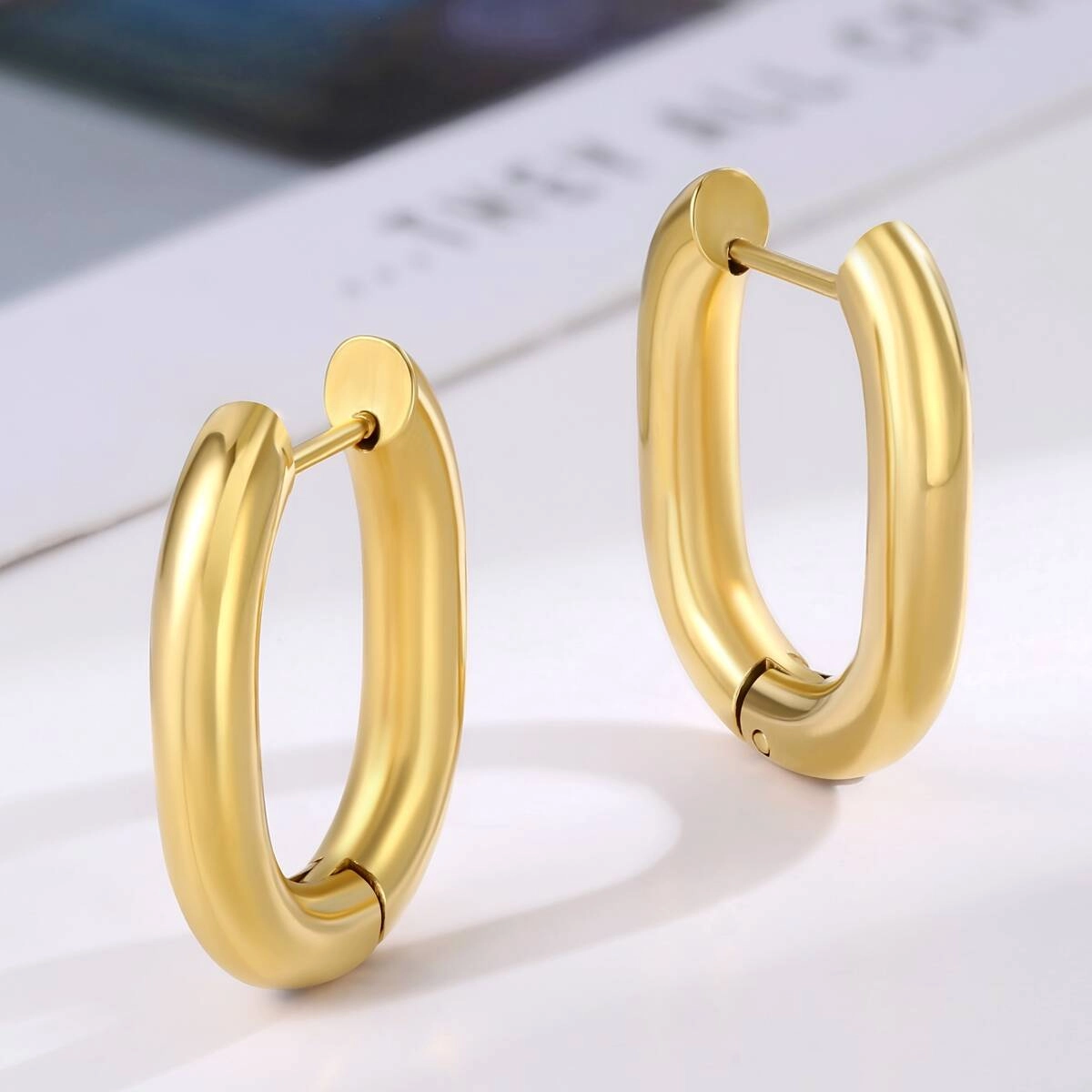
Oval Huggie Earrings 18K Gold — Wholesale Fashion Jewelry by Zhefan
Product Categories
Get a Quote for Private Label Jewelry
We provide personalized jewelry customization services for clients worldwide.
Rest assured that your privacy is important to us, and all information provided will be handled with the utmost confidentiality.
By clicking 'Send Inquiry Now' I agree to ZHEFAN JEWELRY processing my personal data.
To see how to withdraw your consent, how to control your personal data and how we process it, please see our Privacy Policy and Terms of use.
From design to production, ZHEFAN JEWELRY offers a one-stop solution to help you enhance your brand value and market competitiveness.
Get A Quote
Contact
Tel: (+86) 188 1927 7817
© 2026 Zhefan Jewelry. All Rights Reserved.
Facebook
Instagram
YouTube
Whatsapp: +8618819277817