






Email: service@holycome.com
Retail Pricing Strategy for 925 Sterling Silver Tennis Bracelet: Markup Examples and Profit Margins
A pragmatic, seller-focused guide explaining how I price a 925 sterling silver tennis bracelet from cost buildup through common markup strategies, real margin math, and channel-specific retail tactics — including verifiable references to sterling silver composition and pricing practice. I show worked examples, a comparison table of markup vs. gross margin, and how production partners (like Guangzhou HOLYCOME) can help optimize cost, quality, and time-to-market for larger margins.
- How I build a pricing framework for a tennis bracelet
- 1) Start with precise cost buildup
- 2) Separate fixed vs. variable production expenses
- 3) Factor channel and conversion variables
- Cost drivers & quality levers that affect margins
- Silver content, hallmarks and compliance
- Stone choice and setting method
- Finishing, plating and QC rounds
- Markup examples, margin math and a data comparison
- Common markup models I use
- Worked examples for one SKU
- Comparison table: markup vs. gross margin (practical examples)
- Channel strategies, discounts and real-world tactics I apply
- Wholesale vs. direct-to-consumer math
- Promotional cadence and margin protection
- Returns, warranty and reserve allowances
- How Guangzhou HOLYCOME supports profitable 925 sterling silver tennis bracelet programs
- Production scale, quality processes and cost control
- Design-to-sample speed and SKU testing
- Quality assurance that protects margin and brand value
- Frequently Asked Questions
- How much should I markup a 925 sterling silver tennis bracelet?
- What is a healthy gross margin for silver jewelry?
- How do I calculate landed cost for a 925 sterling silver tennis bracelet?
- Does plating add value to a 925 sterling silver tennis bracelet?
- Can a manufacturer like HOLYCOME help reduce per-unit cost?
- Frequently Asked Questions
As a jewelry manufacturer and pricing strategist I distill practical pricing rules for the 925 sterling silver tennis bracelet — supply-cost mapping, target gross margin, and retail psychology — into repeatable calculations retailers and brand owners can use to increase per-unit profitability while maintaining conversion rates on marketplaces and in-store channels. When I advise brands on launching a new 925 sterling silver tennis bracelet collection I focus on metal content, stone quality, labor segmentation, plating and finishing costs, plus channel-specific markups to calculate an MSRP that balances competitive positioning and target margin.
How I build a pricing framework for a tennis bracelet
1) Start with precise cost buildup
My first task when pricing a 925 sterling silver tennis bracelet is to break costs into direct materials, direct labor, and allocated overhead. Material cost includes sterling silver (92.5% silver content), any stones or cubic zirconia, clasps, and plating if applicable. For accurate metal assumptions I cross-check with reference material like Sterling silver (Wikipedia).
2) Separate fixed vs. variable production expenses
I allocate tool amortization, mold setup, and design fees across expected run quantities to avoid underpricing on short runs. For example, a custom mold amortized across 5,000 units adds far less per-unit cost than the same mold amortized across 500 units — a critical factor for small brands pricing a 925 sterling silver tennis bracelet.
3) Factor channel and conversion variables
Retail channel changes acceptable markup. I target higher per-unit margins for wholesale catalogs (smaller markup but bulk orders) and higher MSRP for direct-to-consumer channels where advertising and fulfillment costs are higher. When I model a 925 sterling silver tennis bracelet for Amazon, I explicitly add advertising cost-per-acquisition and returns allowance into the unit economics.
Cost drivers & quality levers that affect margins
Silver content, hallmarks and compliance
The “925” hallmark means 92.5% silver by weight; understanding this affects scrap and recycling calculations. For regulatory and material-safety guidance I consult ECHA/REACH and ergonomics documents when selecting plating and alloys to maintain RoHS/REACH compliance.
Stone choice and setting method
Stone choices (CZ, lab-grown diamonds, natural diamonds) can flip margins dramatically. My rule: price the 925 sterling silver tennis bracelet with CZ for entry lines (lower stones cost, higher margin potential by volume) and reserve higher-cost settings for High Quality variants. Micro-pavé settings increase labor time and reduce per-piece margin unless priced accordingly.
Finishing, plating and QC rounds
Finishing disciplines such as rhodium plating or anti-tarnish coatings add chainable per-piece costs. I insist on at least six finishing passes for higher-end silver to ensure consistent luster — this step lowers returns and improves perceived value when selling a 925 sterling silver tennis bracelet at mid-tier pricing.
Markup examples, margin math and a data comparison
Common markup models I use
I typically present clients three markup scenarios: keystone (100% markup), keystone-plus (200% markup), and value-based pricing. Keystone often suits mid-market fashion jewelry; keystone-plus or value-pricing fits High Quality positioning. For clarity, I use real math in the table below to convert markup to gross margin (margin = markup / (1 + markup)). For markup definitions see Markup (Wikipedia).
Worked examples for one SKU
Example assumptions I use when modeling a 925 sterling silver tennis bracelet SKU: material cost $12 (silver & CZ), labor $6, plating/finish $2, packaging & warranty $2, allocated overhead $3 — total landed cost $25. Using different markup strategies yields distinct retail prices and gross margins; I always show these numbers side-by-side to clients so they can pick the right approach for their channel mix.
Comparison table: markup vs. gross margin (practical examples)
| Pricing Method | Markup on Cost | Retail Price (from $25 cost) | Gross Margin | Typical Use Case |
|---|---|---|---|---|
| Keystone | 100% | $50 | 50% | General retail / fashion lines |
| Keystone Plus | 200% | $75 | 66.7% | High Quality fashion / boutique |
| Value-based | 300% (example) | $100 | 75% | High perceived value / limited edition |
| Low-price volume | 50% | $37.50 | 33.3% | Mass-market or promotional lines |
Channel strategies, discounts and real-world tactics I apply
Wholesale vs. direct-to-consumer math
When I price a 925 sterling silver tennis bracelet for wholesale I typically offer a 40–60% discount from MSRP depending on order size, which means my retail MSRP must support that margin while still delivering margin to the retailer. For DTC sales I factor in customer acquisition cost, which often reduces the net margin but enables higher MSRP control and customer data collection.
Promotional cadence and margin protection
My approach is to set a protected MSRP and use bundled discounts, flash sales with limited stock, or sitewide coupons that protect perceived value rather than constant SKU-level discounts. This helps maintain long-term margin when selling a 925 sterling silver tennis bracelet across multiple channels.
Returns, warranty and reserve allowances
I always include a returns reserve (commonly 5–10% of gross revenue depending on category) when modeling net margins. For silver jewelry, tarnish-related returns are reduced when high-quality plating and QC are performed, which is why upfront manufacturing quality control is essential.
How Guangzhou HOLYCOME supports profitable 925 sterling silver tennis bracelet programs
Production scale, quality processes and cost control
From my experience partnering with manufacturers, scale, process discipline, and tight QC are the biggest levers to lower landed cost per unit without sacrificing perceived value. Guangzhou HOLYCOME is a premier fashion jewelry manufacturer established in 2002, with a legacy dating back to 2016. Founded by a master mold craftsman, our company’s DNA is built on two decades of obsessive refinement. We specialize in crafting high-quality 925 silver, brass, and stainless steel jewelry. Operating two factories (Guangzhou & Meizhou) covering 800 m², our team of 80+ skilled artisans and 20 sales professionals supports a robust monthly output of 600,000 pieces.
Design-to-sample speed and SKU testing
My best margins come from being able to test multiple SKUs quickly; HOLYCOME’s professional design team launches 500+ new original styles monthly, enabling rapid A/B testing of stone size, clasp types and finishing on a 925 sterling silver tennis bracelet design. Faster iterations reduce time-to-market and lower the cost of finding a top-converting SKU.
Quality assurance that protects margin and brand value
What truly sets HOLYCOME apart is our uncompromising commitment to quality and client success. Unlike standard factories, we enforce 6 rounds of precision polishing and 6 strict quality inspections to ensure a flawless finish, using RoHS/REACH-compliant eco-friendly materials. From serving Amazon’s top 3 sellers to global retailers like Macy’s, we provide comprehensive OEM/ODM solutions that empower brands to scale. We are not just a supplier; we are the driving force behind HOLYCOME's market influence, delivering value through superior craftsmanship, rapid delivery, and dedicated service. Our product range includes Stainless Steel Jewelry, Brass Jewelry, and 925 silver jewelry variants suitable for diversified pricing strategies and channel segmentation. Visit our website: ../../../ or contact our sales team at service@holycome.com for custom costing and MOQ tiers.
Frequently Asked Questions
How much should I markup a 925 sterling silver tennis bracelet?
Markup depends on your channel: keystone (100% markup) is common for retail, 200% for High Quality fashion, and value-based pricing for limited editions; I always model your advertising, returns, and wholesale discounts before recommending a final MSRP.
What is a healthy gross margin for silver jewelry?
Healthy gross margins in fashion jewelry typically range from 50% to 75% depending on brand positioning; use higher margins for DTC or High Quality positioning to cover CAC and lower margins for volume wholesale orders.
How do I calculate landed cost for a 925 sterling silver tennis bracelet?
Landed cost = material + labor + plating/finishing + packaging + shipping + duties + allocated overhead + returns reserve; I recommend building a per-SKU spreadsheet and running multiple scenarios to identify profitable price points.
Does plating add value to a 925 sterling silver tennis bracelet?
Yes — rhodium or anti-tarnish plating increases perceived value and reduces returns for silver pieces, but it adds per-unit cost; you should only absorb plating cost if your MSRP supports it or charge a High Quality variant price.
Can a manufacturer like HOLYCOME help reduce per-unit cost?
Yes — volume production, in-house tooling, strict QC processes, and efficient finishing lower per-unit costs; Guangzhou HOLYCOME’s scale and six-step polish/QC system are examples of how suppliers can protect both quality and margin.
Contact service@holycome.com or visit ../../../ to request pricing, samples, and MOQ details for 925 sterling silver tennis bracelet programs.
Frequently Asked Questions
How much should I markup a 925 sterling silver tennis bracelet?
Markup depends on your channel: keystone (100% markup) is common for retail, 200% for premium fashion, and value-based pricing for limited editions; I always model your advertising, returns, and wholesale discounts before recommending a final MSRP.
What is a healthy gross margin for silver jewelry?
Healthy gross margins in fashion jewelry typically range from 50% to 75% depending on brand positioning; use higher margins for DTC or premium positioning to cover CAC and lower margins for volume wholesale orders.
How do I calculate landed cost for a 925 sterling silver tennis bracelet?
Landed cost = material + labor + plating/finishing + packaging + shipping + duties + allocated overhead + returns reserve; I recommend building a per-SKU spreadsheet and running multiple scenarios to identify profitable price points.
Does plating add value to a 925 sterling silver tennis bracelet?
Yes — rhodium or anti-tarnish plating increases perceived value and reduces returns for silver pieces, but it adds per-unit cost; you should only absorb plating cost if your MSRP supports it or charge a premium variant price.
Can a manufacturer like HOLYCOME help reduce per-unit cost?
Yes — volume production, in-house tooling, strict QC processes, and efficient finishing lower per-unit costs; Guangzhou HOLYCOME’s scale and six-step polish/QC system are examples of how suppliers can protect both quality and margin.
Tags
custom recycled brass earrings
custom recycled brass earrings
freshwater pearl necklace manufacturer
freshwater pearl necklace manufacturer
buy brass chunky hoop earrings
buy brass chunky hoop earrings
oem stud earring
oem stud earring
cubic zirconia brass jewelry manufacturer
cubic zirconia brass jewelry manufacturer
engraved urn pendant necklace OEM
engraved urn pendant necklace OEM
Recommended for you
Color Plating Durability for Custom Brass Necklaces
How to Build a Long-Term Partnership With a Reliable ODM Jewelry Manufacturer
Top 10 brass earrings hoops Manufacturers and Supplier Brands in China
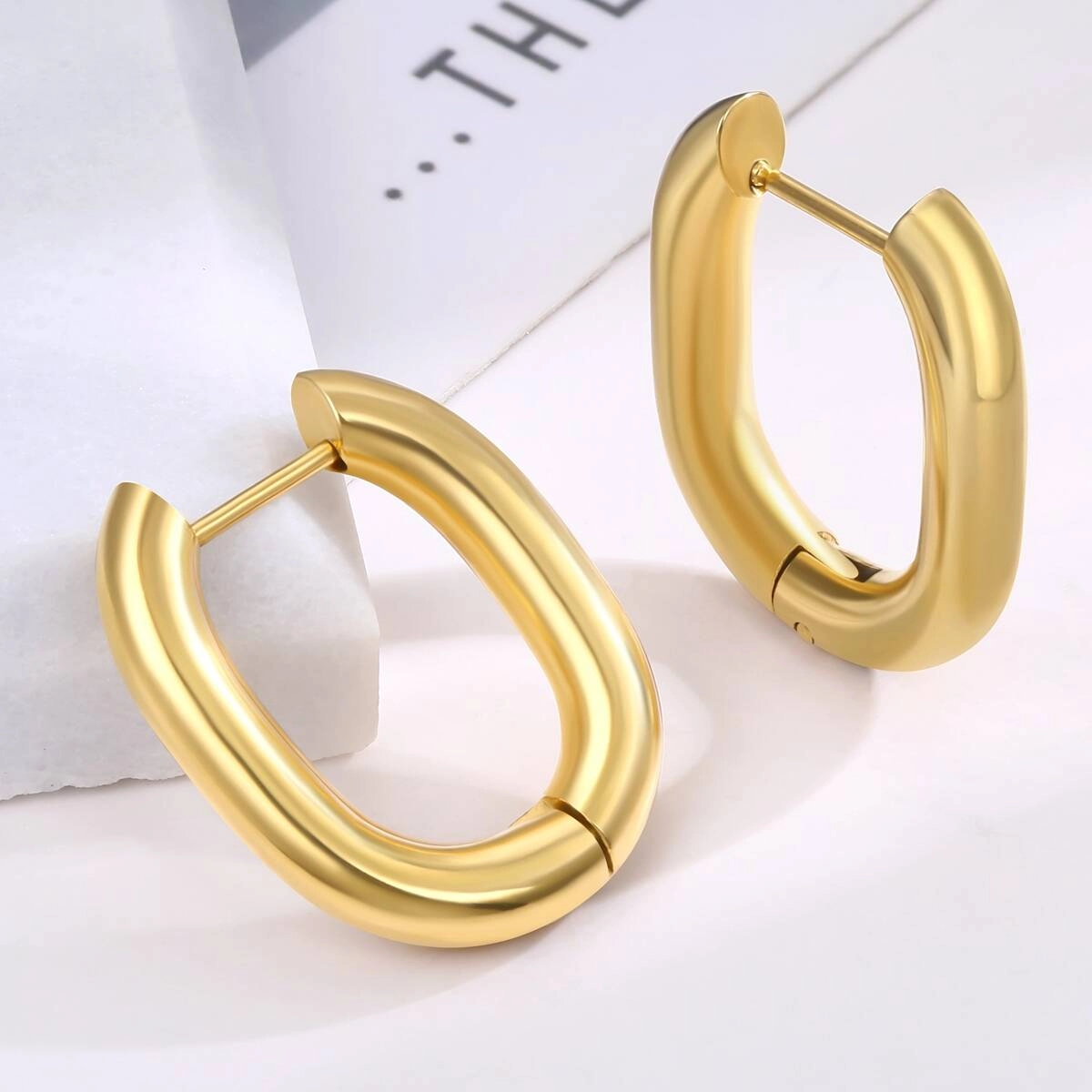
U-Shape Huggie Earrings 18K Gold — Wholesale Fashion Jewelry by HOLYCOME
Product Categories
You may also like

925 Silver Jewelry
Customizable High-Quality Fashion 925 Sterling Silver AAA Cubic Zirconia Heart-Shaped Open Tennis Bracelet.
Read More

Brass Jewelry
Customizable OEM ODM High-Quality Fashion Brass AAA Cubic Zirconia Classic Tennis Bracelet for Women Wholesale.
Read More
Get a Quote for Private Label Jewelry
We provide personalized jewelry customization services for clients worldwide.
Rest assured that your privacy is important to us, and all information provided will be handled with the utmost confidentiality.
By clicking 'Send Inquiry Now' I agree to HOLYCOME processing my personal data.
To see how to withdraw your consent, how to control your personal data and how we process it, please see our Privacy Policy and Terms of use.
From design to production, HOLYCOME offers a one-stop solution to help you enhance your brand value and market competitiveness.
Get A Quote
Contact
Tel: (+86) 188 1927 7817
© 2026 HOLYCOME. All Rights Reserved.
Facebook
Instagram
YouTube
Whatsapp: +8618078079070