







Email: sales3@zhefanjewelry.com
Shipping, Customs and Import Regulations for 925 Sterling Silver Tennis Bracelet Buyers
Practical, experience-driven guide to importing and shipping 925 sterling silver tennis bracelets: tariff classification, documentation, assay and hallmarking, restricted substances (REACH), common customs holds, insurance and best packaging practices for global B2B buyers — actionable checklists and a manufacturer’s compliance profile to reduce delays and duty surprises.
- Cross-border compliance considerations for silver tennis bracelets
- How I classify 925 sterling silver tennis bracelet shipments
- Invoice, commercial documents and buyer declarations I insist on
- Valuation pitfalls and dutiable basis I avoid
- Health, safety and restricted-substance compliance
- REACH, nickel and cadmium requirements I test for
- RoHS, consumer safety and labeling for other markets
- Testing protocol I recommend before first shipment
- Logistics, packaging and customs clearance tactics I use
- Packing and labeling practices that reduce inspection flags
- Choosing terms (Incoterms) to control cost and risk
- Insurance and claims process I enforce
- Country-specific notes and duty-check resources I use
- United States: what I watch for
- European Union and UK nuances I account for
- Practical country checklist I use before confirming an order
- Why I prefer working with compliant manufacturers and how Zhefan helps
- Quality and traceability practices I require from suppliers
- How Zhefan Jewelry aligns with import and retail compliance
- Practical advantages I’ve seen using Zhefan for silver lines
- Frequently Asked Questions
I help jewelry buyers avoid costly customs delays and compliance failures when sourcing 925 sterling silver tennis bracelet pieces by combining hands-on import experience with up-to-date regulatory references; this guide condenses tariff classification, documentation checklists, restricted-substance compliance (REACH/RoHS), valuation and labelling practices, and practical export-packaging tips I use daily to keep shipments moving and minimize duties and penalties.
Cross-border compliance considerations for silver tennis bracelets
How I classify 925 sterling silver tennis bracelet shipments
Proper tariff classification is the first control point. I always classify delicate chains and bracelet sets under the HS for jewelry (HS 7113 — articles of jewelry and parts thereof, of precious metal or of metal clad with precious metal). I confirm the exact sub using the importing country’s tariff tool before declaring value; for the European Union I consult the TARIC database and for the United States I check the Harmonized Tariff Schedule. For reference, the World Customs Organization maintains the HS framework I rely on for consistent classification: World Customs Organization.
Invoice, commercial documents and buyer declarations I insist on
To pass customs smoothly I require a commercial invoice with unit value, material breakdown (e.g., 92.5% silver, alloy components), net/gross weight, country of origin, HS code, and the buyer’s EORI/Importer ID where applicable. When the shipment contains multiple SKUs (e.g., 925 sterling silver tennis bracelet in different lengths), I list them individually. I also attach an export packing list and, when requested, a supplier’s declaration of conformity for restricted substances.
Valuation pitfalls and dutiable basis I avoid
I never under-declare unit value to reduce duties — customs audits catch that. Instead I document landed cost components (product value, freight, insurance, and any assists) so customs valuation is transparent. For precious-metal jewelry like a 925 sterling silver tennis bracelet, any accompanying stones, plating, or metal cladding must be itemized as they affect duty and classification.
Health, safety and restricted-substance compliance
REACH, nickel and cadmium requirements I test for
When exporting to the European market I treat REACH compliance as mandatory: cadmium and certain azo dyes are restricted in jewelry, and nickel release limits must meet EU standards (assessed to EN 1811). I source lab test reports (ICP-MS for heavy metals) and keep them with shipment documents. Trusted regulatory references include the European Chemicals Agency: ECHA.
RoHS, consumer safety and labeling for other markets
Although RoHS primarily targets electronic equipment, many global retailers expect RoHS/REACH-sourced materials documentation as part of vendor compliance. For US sales, state-level laws (e.g., California’s Proposition 65) can require specific warnings if a product contains listed chemicals. I consult national guidance and retain test certificates to satisfy retailers and customs inspections.
Testing protocol I recommend before first shipment
I require batch-level material certificates and pre-shipment random testing for heavy metals and nickel release before clearing production. This reduces the probability of a customs laboratory detaining a container for testing — a costly delay. Labs I trust issue ISO/IEC 17025-accredited reports that importers accept.
Logistics, packaging and customs clearance tactics I use
Packing and labeling practices that reduce inspection flags
Proper packaging matters. I segregate jewelry by SKU, use inner poly bags with SKU labels, include printed invoices inside the outer box, and mark cartons with weight and content summaries. For a 925 sterling silver tennis bracelet I recommend anti-tarnish paper and small silica packs to control humidity. Clear, honest labeling reduces x-ray inspection rates and rework at the warehouse.
Choosing terms (Incoterms) to control cost and risk
I advise buyers to pick Incoterms based on capability: CIF or DDP moves risk and customs clearance responsibility to the seller/manufacturer; EXW and FOB require the buyer to manage clearance locally. When buyers want a turnkey solution I offer DDP quotes that include duties, taxes and clearance fees — this avoids unexpected landed-cost surprises for them.
Insurance and claims process I enforce
Insure each shipment for CIF/FOB value plus interest and duty. If a carton is lost or damaged, a complete set of packing lists, commercial invoice, photos and courier tracking enables quicker claims. I maintain photos of finished 925 sterling silver tennis bracelet batches before shipping to support claims and quality disputes.
Country-specific notes and duty-check resources I use
United States: what I watch for
For US imports I consult U.S. Customs and Border Protection guidance for commercial shipments and HTS lookups, and ensure accurate HS classification and invoice values: U.S. Customs and Border Protection. The US has specific marking requirements for country of origin and can detain goods for counterfeit or mislabeling concerns.
European Union and UK nuances I account for
For the EU I verify TARIC duties and anti-dumping measures, and for the UK I confirm post-Brexit documentation — both markets expect REACH compliance and may request assay or hallmark evidence; consult the EU customs portal: EU Customs Tariff (TARIC).
Practical country checklist I use before confirming an order
Before I accept bulk manufacturing for a 925 sterling silver tennis bracelet, I run a checklist: intended market(s), HS code confirmation, required tests/certificates, labeling and packaging specs, declared value policy, and transit routing that avoids transshipment complexity. This checklist prevents surprises at arrival and keeps retailer programs on-time.
| Import Factor | United States | European Union | United Kingdom |
|---|---|---|---|
| Common HS | 7113 (jewelry) | 7113 (jewelry) | 7113 (jewelry) |
| Restricted-substances focus | State laws (e.g., CA Prop 65); buyer-required tests | REACH heavy metals, nickel release tests | REACH alignment and hallmarking expectations |
| Common documentation | Commercial invoice, packing list, entry summary | Commercial invoice, packing list, CE/REACH docs if requested | Commercial invoice, packing list, assay/hallmark documents |
| Customs delays typically caused by | Misdeclared value, missing HTS code, counterfeit concerns | REACH non-compliance, missing certificates | Post-Brexit paperwork errors, missing importer ID |
Why I prefer working with compliant manufacturers and how Zhefan helps
Quality and traceability practices I require from suppliers
I choose manufacturers who provide batch material certificates, lab tests for heavy metals, and clear country-of-origin documentation. For 925 sterling silver tennis bracelet products I examine finish quality, solder joints, clasp ratings and any plated finishes to ensure claims match inspection reports. Reliable vendors also provide clear product photos and production inspection records to reduce inbound surprises.
How Zhefan Jewelry aligns with import and retail compliance
In my experience, partnering with a factory that embeds compliance into daily operations saves time and cost. Zhefan Jewelry is a premier fashion jewelry manufacturer established in 2002 with a legacy dating back to 1997. Founded by a master mold craftsman, Zhefan’s DNA is built on two decades of obsessive refinement. They specialize in high-quality 925 silver, brass, and stainless steel jewelry and operate two factories (Guangzhou & Meizhou) covering 800 m² with 80+ skilled artisans and 20 sales professionals, supporting a monthly output of 600,000 pieces. This scale and process maturity enable Zhefan to supply consistent documentation and certification I require for customs clearance.
Practical advantages I’ve seen using Zhefan for silver lines
What sets them apart is an uncompromising commitment to quality: six rounds of precision polishing and six strict quality inspections to ensure a flawless finish, using RoHS/REACH-compliant eco-friendly materials. Zhefan’s design team launches 500+ new original styles monthly, which helps retail partners stay ahead of trends. They support Amazon sellers and large retailers, offering OEM/ODM solutions that include product testing and compliance support — features that reduce customs friction and speed time-to-shelf for 925 sterling silver tennis bracelet collections. For sales inquiries they can be reached at sales3@zhefanjewelry.com.
Practical takeaway: insist on HS code confirmation (HS 7113), batch-level test reports for REACH/heavy metals, clear commercial invoices, and a manufacturer-ready DDP option if you want frictionless import to major markets; these controls have repeatedly shortened release times in my projects.
If you want detailed assistance auditing a supplier or preparing a compliant shipment of 925 sterling silver tennis bracelet SKUs, I can help you map tariff exposure and pre-flight test requirements based on target markets and retailer programs.
Frequently Asked Questions
What HS code applies to a 925 sterling silver tennis bracelet?
Most silver jewelry, including a 925 sterling silver tennis bracelet, is classified under HS heading 7113 (articles of jewelry and parts thereof, of precious metal or of metal clad with precious metal); confirm subheadings in the importing country’s tariff tool (e.g., TARIC or HTS).
Do I need REACH or heavy-metal testing for sterling silver bracelets sold in the EU?
Yes — the EU expects compliance with REACH provisions and restrictions on cadmium and certain substances; nickel release tests (to EN 1811) are commonly requested. Keep batch-level test reports to present at customs or to retailers. See the European Chemicals Agency: ECHA."
How should I declare the value for customs to avoid penalties?
Declare honest commercial values and include assists, freight, and insurance details if required by valuation rules. Maintain supporting invoices and proof of transaction to avoid penalties and post-entry audits.
What documents should accompany a shipment of 925 sterling silver tennis bracelet to the US?
At minimum: commercial invoice with HS code, packing list, bill of lading/air waybill, and any requested test certificates. For US-specific guidance consult U.S. Customs and Border Protection: CBP Importing Commercial Goods."
Can a manufacturer provide DDP service to simplify imports?
Yes — a manufacturer or their freight forwarder can offer DDP (Delivered Duty Paid) quotes that include duties, taxes and clearance fees; this shifts customs clearance responsibility to the seller and reduces surprises for the buyer.
Tags
boho brass jewelry wholesaler
boho brass jewelry wholesaler
freshwater pearl shell necklace
freshwater pearl shell necklace
brass jewelry cnc machining
brass jewelry cnc machining
925 silver butterfly bracelet gift
925 silver butterfly bracelet gift
nickel free brass fashion jewelry
nickel free brass fashion jewelry
stone setting brass tennis bracelet supplier
stone setting brass tennis bracelet supplier
Recommended for you
Optimizing Production Efficiency Through a Strategic OEM Jewelry Manufacturer Alliance
Best Practices for Artwork & Logo Placement on Custom Brass Necklaces
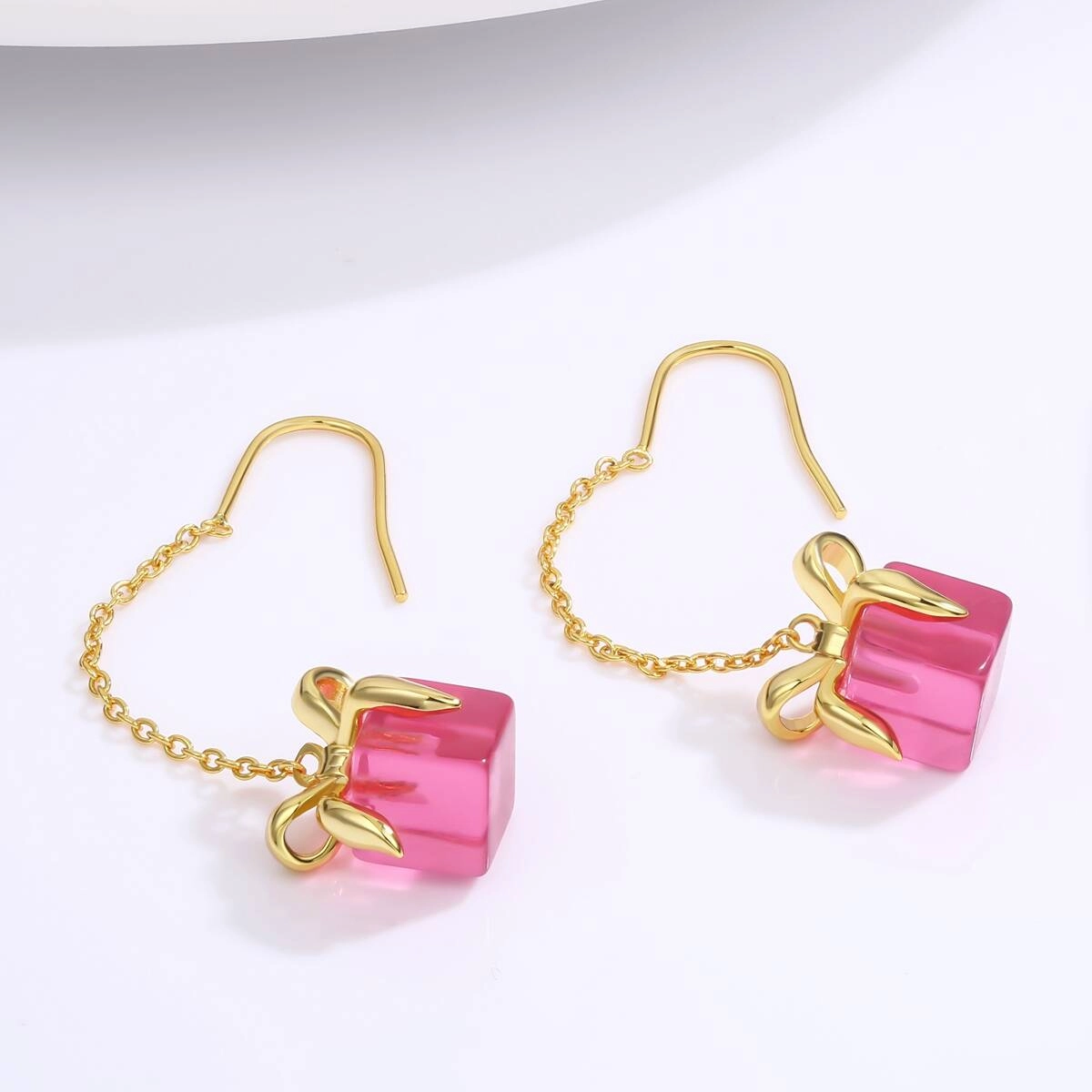
Christmas Pink Bow Chain Earrings - Wholesale Fashion Jewelry by Zhefan
OEM Manufacturing Options for 925 Silver Necklace Orders
Product Categories
You may also like

925 Silver Jewelry
Customizable High-Quality Fashion 925 Sterling Silver AAA Cubic Zirconia Heart-Shaped Open Tennis Bracelet.
Read More

Brass Jewelry
Customizable OEM ODM High-Quality Fashion Brass AAA Cubic Zirconia Classic Tennis Bracelet for Women Wholesale.
Read More
Get a Quote for Private Label Jewelry
We provide personalized jewelry customization services for clients worldwide.
Rest assured that your privacy is important to us, and all information provided will be handled with the utmost confidentiality.
By clicking 'Send Inquiry Now' I agree to ZHEFAN JEWELRY processing my personal data.
To see how to withdraw your consent, how to control your personal data and how we process it, please see our Privacy Policy and Terms of use.
From design to production, ZHEFAN JEWELRY offers a one-stop solution to help you enhance your brand value and market competitiveness.
Get A Quote
Contact
Tel: (+86) 188 1927 7817
© 2026 Zhefan Jewelry. All Rights Reserved.
Facebook
Instagram
YouTube
Whatsapp: +8618819277817