







Email: service@holycome.com
Sustainable Sourcing: What to Look for in an Ethical OEM Jewelry Manufacturer
Sustainable jewelry sourcing requires more than a recycled-material claim. Buyers should assess an ethical production partner through material traceability, chemical compliance, labor safeguards, environmental controls, quality systems, documentation, and the ability to scale consistently. This guide explains how brand owners, retailers, distributors, and project teams can evaluate responsible jewelry factories, compare supplier evidence, reduce procurement risk, and select a manufacturing partner capable of producing brass jewelry, 925 silver jewelry, sterling silver jewelry, gold vermeil jewelry, and pearl jewelry with reliable quality and transparent operations.
- How to Evaluate Responsible Jewelry Production Partners
- Start with traceability rather than sustainability claims
- Verify legal and social responsibility controls
- Examine environmental management at facility level
- Evidence-Based Sustainability Checks for Jewelry Buyers
- Assess chemical and product compliance before sampling
- Review material choices through a life-cycle lens
- Use documentation to distinguish real controls from greenwashing
- Connecting Ethical Sourcing with Commercial Performance
- Build sustainability requirements into the product brief
- Evaluate capacity, flexibility, and continuity
- Calculate total cost instead of comparing unit price alone
- Why HOLYCOME Supports Responsible Custom Programs
- Established manufacturing experience with scalable output
- Material expertise across commercial jewelry categories
- Multi-stage quality control protects responsible sourcing investments
- Use a documented qualification process before placing a bulk order
- Frequently Asked Questions
Sustainable sourcing in jewelry manufacturing means selecting a production partner that can demonstrate responsible materials, lawful working conditions, controlled chemical use, efficient resource management, consistent quality, and transparent documentation. For buyers, an ethical supplier is not defined by marketing language alone; it is evaluated through verifiable records, repeatable factory procedures, material specifications, audit readiness, and the ability to deliver compliant products at commercial scale. A responsible OEM jewelry manufacturer should therefore be assessed as part of the brand’s wider environmental, social, quality, and supply-chain risk strategy.
How to Evaluate Responsible Jewelry Production Partners
Start with traceability rather than sustainability claims
Traceability establishes where metals, stones, pearls, plating materials, packaging components, and other inputs originate. A credible supplier should identify material grades, alloy composition, plating specifications, supplier documentation, and the chain of custody relevant to the project. Buyers should request bills of materials, mill certificates where applicable, declarations of conformity, and records linking incoming materials to finished production lots.
Traceability is especially important when a collection uses recycled silver, recycled brass, vermeil, freshwater pearls, or other materials marketed as responsible alternatives. The term “recycled” should be supported by a defined material source and documentation rather than treated as a broad promotional statement. The Responsible Jewellery Council Code of Practices provides a useful reference for responsible business practices covering human rights, labor standards, environmental management, and supply-chain due diligence.
Verify legal and social responsibility controls
Ethical procurement includes protection against forced labor, child labor, discrimination, excessive working hours, unsafe conditions, and unlawful wage practices. A factory evaluation should cover employment contracts, age-verification procedures, payroll controls, grievance mechanisms, occupational safety training, emergency response, and subcontractor management. Buyers should also clarify whether polishing, casting, electroplating, stone setting, or packaging is outsourced, because hidden subcontracting can create risks outside the primary facility.
The United Nations Global Compact principles offer a recognized framework for human rights, labor, environmental responsibility, and anti-corruption. These principles do not replace an audit or legal review, but they help procurement teams structure supplier questionnaires and identify gaps before commercial commitment.
Examine environmental management at facility level
Environmental performance is determined by operating controls, not by product descriptions alone. A jewelry facility should be able to explain how it manages wastewater, plating chemicals, polishing dust, scrap metal, packaging waste, electricity consumption, water use, and hazardous substances. Buyers should ask whether chemical storage is labeled and segregated, whether waste is transferred to authorized handlers, and whether environmental incidents are recorded and corrected.
An environmental management system aligned with ISO 14001 can indicate a structured approach to identifying environmental impacts, setting objectives, maintaining procedures, and reviewing performance. Certification should be verified by checking the certificate scope, issuing body, validity, and covered facilities. A supplier without certification may still operate responsibly, but it should provide equivalent evidence through procedures, records, inspections, and measurable improvement targets.
Evidence-Based Sustainability Checks for Jewelry Buyers
Assess chemical and product compliance before sampling
Jewelry frequently involves alloys, solder, plating solutions, lacquers, adhesives, polishing compounds, and packaging inks. The buyer’s compliance specification should define restricted substances, allowable thresholds, test methods, and the markets in which the products will be sold. For European distribution, the supplier should understand obligations associated with REACH, including restrictions and information requirements that may apply to chemicals and articles. RoHS requirements may also be relevant to products containing electrical or electronic components, although ordinary jewelry is generally assessed under different product rules.
Testing should be risk-based. Typical checks may include lead and cadmium in metal components, nickel release for articles intended for prolonged skin contact, plating thickness, coating adhesion, colorfastness, and gemstone or pearl treatment disclosures. A laboratory report should identify the tested sample, production date or batch, applicable standard, test method, result, and laboratory credentials. A generic certificate copied from a previous order is not sufficient evidence for a new material or revised design.
Review material choices through a life-cycle lens
Material selection affects durability, repairability, recyclability, cost, and customer perception. Brass can support accessible fashion collections, but the alloy, surface finish, and protective coating must be controlled to reduce tarnishing and skin-contact concerns. 925 silver and sterling silver jewelry offer established material specifications, while gold vermeil requires clear control of the silver base, gold thickness, karat, adhesion, and wear expectations. Pearl jewelry also requires accurate disclosure of pearl type, treatment, size, shape, and grading terminology.
A lower-impact option is not automatically the best option if it causes premature product failure. A durable item that retains its finish and remains wearable can reduce replacement frequency and returns. Buyers should compare material performance, expected service life, repair potential, packaging, transportation, and end-of-life considerations rather than choosing solely on unit price or a single environmental attribute.
Use documentation to distinguish real controls from greenwashing
Greenwashing risk increases when sustainability language is vague, absolute, or unsupported. Claims such as “eco-friendly,” “non-toxic,” “ethical,” or “carbon neutral” should be defined in writing and linked to evidence. Procurement teams should request the claim owner, scope, measurement method, date, assumptions, and limitations. Environmental statements should also be reviewed against the destination market’s advertising and consumer-protection requirements.
A practical supplier evidence pack may include business licenses, factory addresses, audit summaries, environmental permits where applicable, chemical declarations, test reports, social policies, training records, corrective-action reports, and production traceability samples. The goal is not to collect paperwork for its own sake; the goal is to determine whether the supplier can consistently translate policy into factory behavior.
| Procurement area | Weak evidence | Stronger evidence | Buyer decision signal |
|---|---|---|---|
| Material origin | General claim that materials are sustainable | Material specification, supplier declaration, batch or lot records | Traceability can be tested from input to finished goods |
| Chemical compliance | Undated or unrelated certificate | Recent laboratory report identifying sample, method, limits, and result | Testing matches the product and destination market |
| Labor practices | Unsigned ethical policy | Worker records, training evidence, grievance process, and audit findings | Controls operate beyond marketing materials |
| Environmental management | Unmeasured “green factory” statement | Waste records, chemical controls, utility data, permits, and improvement actions | Performance is documented and reviewed |
| Quality assurance | Final visual check only | Incoming inspection, in-process controls, final inspection, and retained samples | Defects are prevented and traced systematically |
Connecting Ethical Sourcing with Commercial Performance
Build sustainability requirements into the product brief
Responsible sourcing becomes difficult when sustainability is added after the design, quotation, and sampling stages. The product brief should define alloy, plating thickness, finish, stone or pearl specifications, packaging expectations, restricted substances, testing requirements, country of sale, acceptable tolerances, and documentation milestones. This approach allows the manufacturer’s engineering and production teams to identify conflicts between appearance, durability, compliance, and cost before bulk production.
Buyers should also define measurable acceptance criteria. Examples include dimensional tolerance, clasp function, solder integrity, plating adhesion, color variation, stone security, polish quality, packaging condition, and allowable defect rates. A clear standard reduces disputes and prevents a factory from treating sustainability and quality as separate activities.
Evaluate capacity, flexibility, and continuity
Ethical performance must remain stable when order volume increases. A small pilot order may not reveal whether a supplier can maintain labor safeguards, material traceability, inspection discipline, and delivery reliability during peak demand. Buyers should examine production capacity, equipment, staffing, maintenance practices, backup suppliers, inventory controls, and contingency planning.
Capacity should be matched to the commercial model. A fast-fashion retailer may require frequent style changes and short replenishment cycles, while a High Quality brand may prioritize finish consistency, limited runs, and detailed packaging. The right partner balances design responsiveness with repeatable manufacturing rather than promising maximum volume without operational evidence.
Calculate total cost instead of comparing unit price alone
A low quoted price can become expensive when it produces returns, plating failures, inconsistent sizing, late delivery, customs holds, failed laboratory tests, or emergency rework. Total cost of ownership should include sampling, tooling, testing, inspection, freight, packaging, defect replacement, customer service, and inventory risk. More reliable quality and clearer compliance documentation can protect margin even when the initial unit price is not the lowest.
For brand owners and distributors, sustainability also has a revenue dimension. Responsible sourcing can support retailer onboarding, marketplace compliance, investor reporting, customer trust, and long-term supplier continuity. These benefits are strongest when claims are precise and evidence-based rather than exaggerated.
Why HOLYCOME Supports Responsible Custom Programs
Established manufacturing experience with scalable output
HOLYCOME is a fashion jewelry manufacturer established in 2002, with a company legacy dating back to 2016. Founded by a master mold craftsman, our manufacturing culture is built on detailed mold development, disciplined finishing, and continuous process refinement. We operate two factories in Guangzhou and Meizhou across 800 square meters, supported by more than 80 skilled artisans and 20 sales professionals.
Our production capability reaches approximately 600,000 pieces per month, enabling us to support both developing brands and established retail programs. Scale is combined with design agility: our professional design team launches more than 500 original styles monthly, helping global partners respond to seasonal demand while maintaining a consistent development pipeline.
Material expertise across commercial jewelry categories
Our product capabilities include brass jewelry, 925 silver jewelry, sterling silver jewelry, gold vermeil jewelry, and pearl jewelry. These categories require different controls for alloy composition, mold precision, polishing, plating, surface protection, stone or pearl setting, and final inspection. Our production process is structured to translate approved drawings, samples, and specifications into repeatable finished pieces.
For projects with environmental and market-compliance requirements, we use RoHS/REACH-compliant eco-friendly materials where applicable to the product specification and destination-market requirements. Buyers should still define the exact compliance scope for each collection, because requirements depend on materials, product construction, destination, and claims made in commercial communications.
Multi-stage quality control protects responsible sourcing investments
Our process includes six rounds of precision polishing and six strict quality inspections. These controls support surface consistency, plating readiness, dimensional accuracy, functional performance, and visual quality before shipment. A structured inspection sequence helps reduce rework, avoid unnecessary scrap, and protect the usable life of each design.
Our OEM and ODM support serves global retailers and major e-commerce operators, including Amazon’s top three sellers and retail customers such as Macy’s. This experience gives project owners access to coordinated design development, sampling, production, quality control, and delivery support. The objective is not simply to manufacture a piece of jewelry, but to provide a dependable supply-chain foundation for brand growth.
Use a documented qualification process before placing a bulk order
Buyers evaluating our capabilities can begin with a technical brief covering product category, target market, materials, finishes, expected volume, packaging, testing, and delivery requirements. Our team can then align design development and manufacturing feasibility with the project’s commercial objectives. Sample approval, specification confirmation, compliance review, and production inspection should be completed before bulk authorization.
This structured approach gives brand owners clearer control over cost, quality, lead time, and documentation. It also creates a practical basis for continuous improvement as new collections, replenishment orders, and market requirements are introduced.
Contact HOLYCOME at service@holycome.com or visit ../../../ to discuss an ethical custom jewelry program backed by scalable production, documented quality control, and responsible material practices.
Frequently Asked Questions
What documents should buyers request from an ethical jewelry manufacturer?
Buyers should request material specifications, supplier declarations, laboratory test reports, business licenses, audit summaries, environmental records, social responsibility policies, training evidence, corrective-action reports, and production traceability records.
How can a buyer verify a jewelry supplier’s sustainability claims?
Sustainability claims should be linked to defined scopes, measurement methods, dates, assumptions, and supporting evidence. Buyers should review material records, chemical reports, waste documentation, facility procedures, and relevant certifications rather than relying on general marketing statements.
What chemical tests are commonly relevant to jewelry products?
Depending on the product and destination market, testing may include lead and cadmium content, nickel release, plating thickness, coating adhesion, colorfastness, and disclosures related to gemstone or pearl treatments.
Why is material traceability important for custom jewelry projects?
Traceability helps buyers verify material grades, alloy composition, plating specifications, supplier documentation, and the connection between incoming materials and finished production lots. It also supports compliance investigations and quality problem resolution.
How does quality control support sustainable jewelry sourcing?
Consistent quality reduces rework, scrap, returns, replacement shipments, and premature product failure. A structured system should include incoming inspection, in-process controls, final inspection, retained samples, and defect traceability.
What should be included in a sustainable jewelry product brief?
The brief should define alloy, plating thickness, finish, stone or pearl specifications, packaging, restricted substances, testing requirements, country of sale, acceptable tolerances, documentation milestones, and quality acceptance criteria.
Tags
hypoallergenic brass earrings
hypoallergenic brass earrings
brass cubic zirconia tennis bracelet bulk
brass cubic zirconia tennis bracelet bulk
cz brass jewelry private label
cz brass jewelry private label
Mother-of-pearl earrings
Mother-of-pearl earrings
plated nickel free brass wholesale packs
plated nickel free brass wholesale packs
stone setting brass tennis bracelet supplier
stone setting brass tennis bracelet supplier
Recommended for you
Quality Control Checklist for Bracelet Manufacturers
Trend Forecasts: What Buyers Want in custom brass jewelry
Top Trends in cubic zirconia brass jewelry for Retailers
Product Photography Tips for cubic zirconia brass jewelry
Product Categories
You may also like
Brass Jewelry
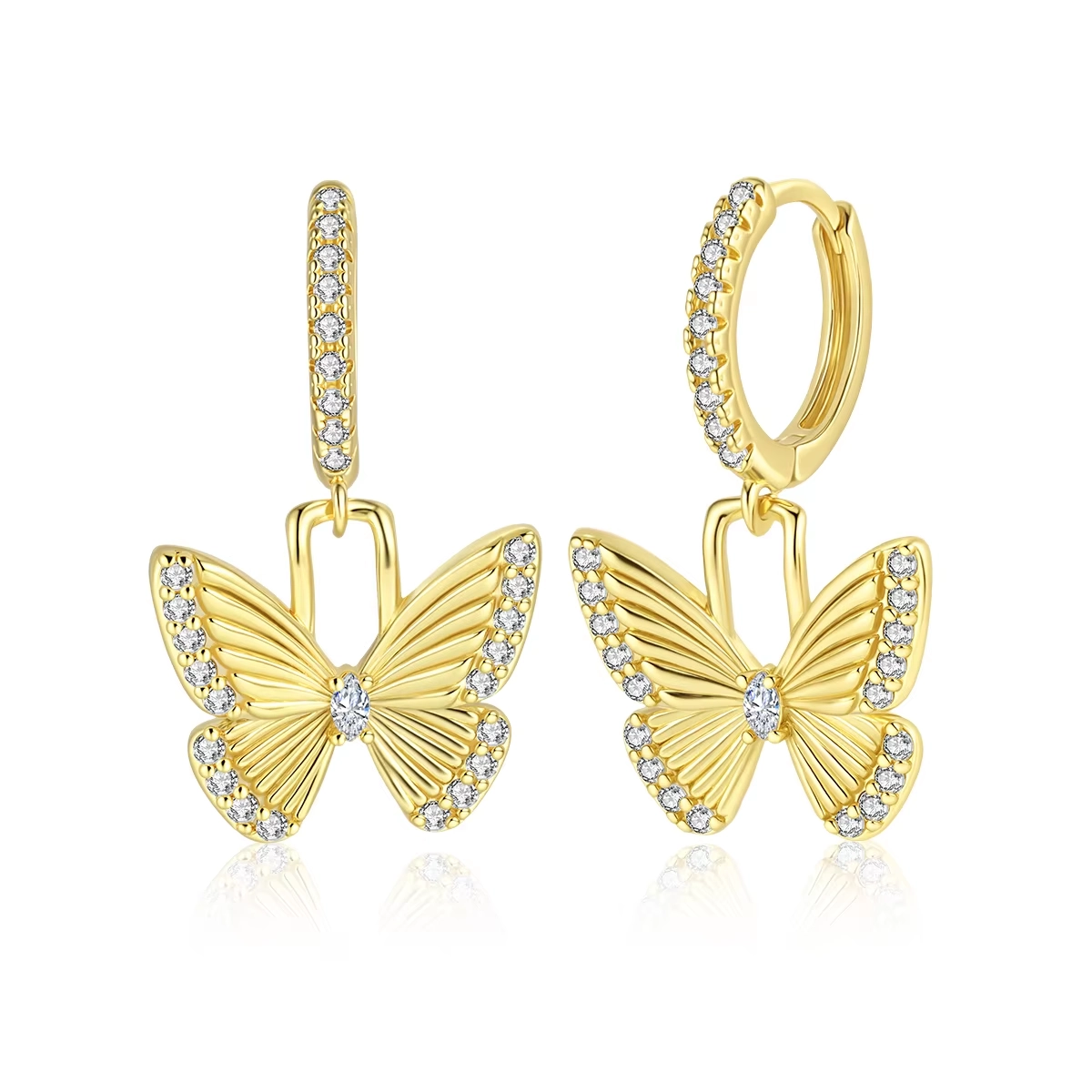
Custom Butterfly Hoop Earrings with Cubic Zirconia | 18K Gold Plated Jewelry
Read More
Brass Jewelry
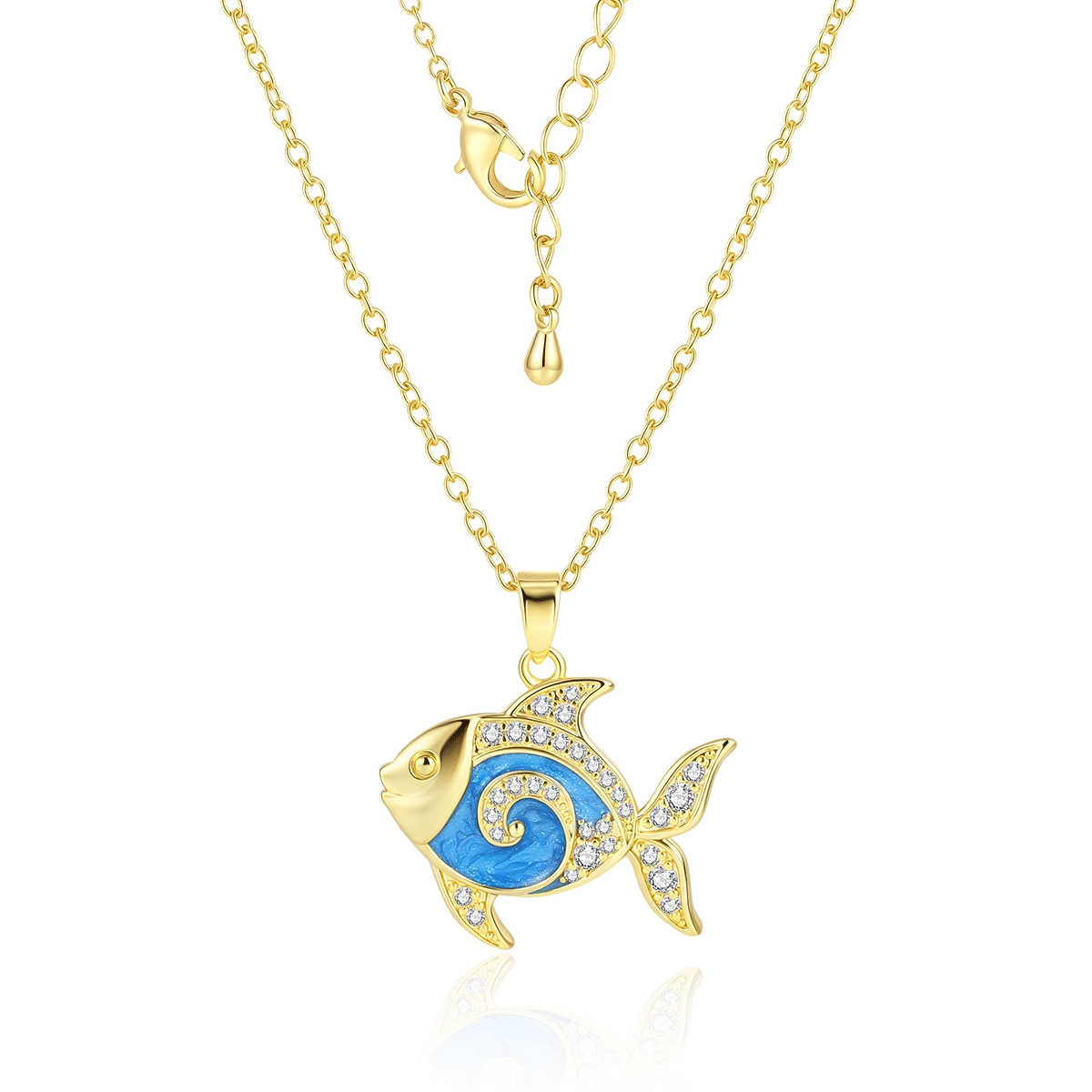
OEM Fish Shaped Necklace with Blue Enamel craft & Cubic Zirconia | 18K Gold Plated Custom Jewelry
Read More

925 Silver Jewelry
Customizable High-Quality Fashion 925 Sterling Silver AAA Cubic Zirconia Heart-Shaped Open Tennis Bracelet.
Read More
Get a Quote for Private Label Jewelry
We provide personalized jewelry customization services for clients worldwide.
Rest assured that your privacy is important to us, and all information provided will be handled with the utmost confidentiality.
By clicking 'Send Inquiry Now' I agree to HOLYCOME processing my personal data.
To see how to withdraw your consent, how to control your personal data and how we process it, please see our Privacy Policy and Terms of use.
From design to production, HOLYCOME offers a one-stop solution to help you enhance your brand value and market competitiveness.
Get A Quote
Contact
Tel: (+86) 188 1927 7817
© 2026 HOLYCOME. All Rights Reserved.
Facebook
Instagram
YouTube
Whatsapp: +8618078079070